How to Become a Horse Trainer and Actually Make a Living Doing It
Thinking about training horses professionally? Learn about education paths, certification, insurance, and how trainers actually build a business.
- What Does a Horse Trainer Actually Do?
- Step 1: Build a Strong Foundation of Riding and Horsemanship Experience
- Step 2: Choose a Formal Training Pathway
- Step 3: Understand the (Lack of) Licensing Requirements
- Step 4: Get Insured and Set Up as a Business
- Step 5: Gain Experience and Build Your Reputation
- Step 6: Decide on a Business Model
- Skills Beyond Riding That Determine Long-Term Success
- Typical Career Progression
- How Much Do Horse Trainers Earn in the USA?
- The Bottom Line
Becoming a horse trainer is one of those equestrian careers where hands-on experience matters just as much as formal credentials.
You don’t need a specific national license to work as a professional horse trainer in the United States, which gives you plenty of flexibility in how you build your career. But that flexibility also means it’s up to you to build the skills, experience, reputation, and business knowledge that will make clients want to work with you—and pay for your services.
This article walks you through the journey step by step—from getting your first hours in the saddle to building and running a full time horse training business.
What Does a Horse Trainer Actually Do?
A horse trainer’s day to day work varies widely depending on their specialty, but the core job is the same: developing a horse’s physical ability, mental confidence, and responsiveness to a rider or handler.
Common responsibilities include:
- Starting young or “green” horses under saddle
- Working through behavioral issues such as spooking, bucking, refusing, or being herd bound
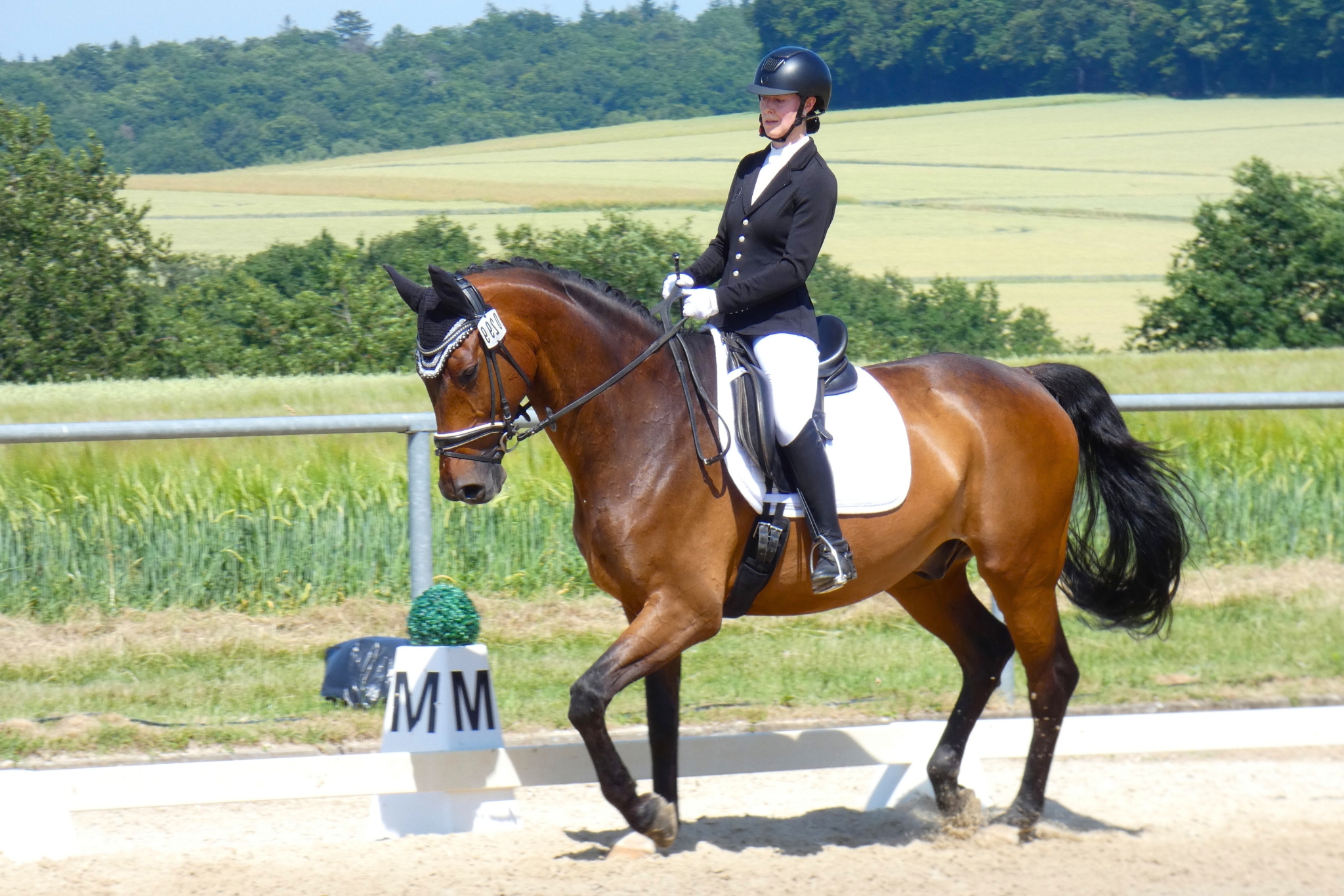
- Conditioning horses for specific disciplines, including jumping, reining, racing, and dressage
- Teaching the horse’s owner how to ride and work with their horse
- Preparing horses and riders for shows, competitions, and other events
- Evaluating horses for soundness, temperament, and suitability for a potential buyer
- Managing daily care, including turnout, feeding, and veterinary and farrier schedules for horses in training
Most professional trainers eventually develop a specialty in a particular discipline. Common paths include:
- Western performance disciplines such as reining, cutting, and working cow horse
- English disciplines such as hunter/jumper, dressage, and eventing
- Thoroughbred or Standardbred racehorse training
- Colt starting
- Behavioral rehabilitation
Step 1 Build a Foundation of Riding and Horsemanship Experience
There’s really no substitute for time in the saddle and time spent working with horses on the ground. Most successful trainers build up thousands of hours of hands-on experience before they ever start charging clients. Here are some of the best ways to build that foundation:
- Take regular lessons with a qualified instructor who specializes in your discipline of interest.
- Work at a boarding or training barn. Daily tasks like feeding, mucking stalls, turnout, and grooming may not feel glamorous, but they’re a great way to learn how horses behave and communicate beyond what you see from the saddle.
- Ride as many different horses as you can. Working with horses that have different temperaments, training levels, and ways of going will make you a much more adaptable trainer. If you’ve only ridden one or two horses, it can be a big adjustment when you eventually work with a horse that thinks and moves completely differently.
- Get involved with a breed or discipline association. Organizations such as USEF, USDF, NRHA, AQHA, and USHJA can be great places to find clinics, educational opportunities, and chances to watch experienced professionals at work.
Step 2 Choose a Formal Training Pathway
You don’t legally need formal training or a degree to become a horse trainer in the USA, but the right program can help you learn faster and make connections with potential employers and clients.
Depending on your goals and preferred discipline, there are several paths you can take:
Horse Training and Equine Studies Programs
Several USA colleges and vocational schools offer dedicated equine science or horse training degrees and certificates:
- Meredith Manor International Equestrian Centre (West Virginia)
- Kansas State University Equine Science Program
- Cal Poly Equine Program
- Findlay University Equestrian Studies (Ohio)
- Texas A&M Equine Science
Programs like these typically cover topics such as equine nutrition, anatomy, and business management while also giving students supervised riding and horse training experience.
Apprenticeships and Working Student Opportunities
For many aspiring trainers, learning directly from an established professional is still the most common route—especially in Western performance and racehorse training.
A working student or apprentice position usually involves trading your time and labor—such as feeding horses, cleaning stalls, grooming, tacking up, and helping around the barn—in exchange for mentorship and discounted or free instruction.
When you’re looking for a trainer to work with, focus on someone who is successful in the discipline you want to pursue and, ideally has helped develop other trainers. Winning horses is great, but a trainer who can teach and mentor people can be even more valuable to your career.
Discipline Specific Certification Programs
Certifications aren’t a replacement for real world experience, but they can add credibility and may be required for certain positions, such as working at therapeutic riding centers or facilities with specific insurance requirements.
Some programs to consider include:
- CHA (Certified Horsemanship Association): offers instructor and trainer certifications across multiple disciplines
- USDF Instructor/Trainer Certification Program: focused specifically on dressage, with multiple certification levels
- USHJA Trainer Certification Program: designed for hunter/jumper professionals
- PATH International: a good option if you’re interested in therapeutic riding instruction
Step 3 Understand the (Lack of) Licensing Requirements
Unlike veterinarians or farriers, horse trainers don’t need a government issued license to work in the USA. There are howevera few important exceptions and requirements to be aware of:
- Racehorse trainers working with Thoroughbreds or Standardbreds typically need to be licensed through their state racing commission. This usually involves an exam, background check, and proof of experience.
- Trainers who also teach riding lessons may need liability insurance or specific certifications to meet a facility’s insurance requirements, even when the state itself doesn’t require a license.
- State equine activity laws can provide some legal protection for trainers and riding instructors, but there are usually requirements you must follow—such as posting warning signs or using liability waivers—to qualify for those protections. Check your state’s Equine Activity Liability Act to understand what applies to you
Because horse training is largely unregulated, your reputation often becomes your most important credential. Referrals, client testimonials, competition results, and clear evidence of your work—such as before and after videos—can go a long way toward showing potential clients what you can do.
Step 4 Get Insured and Set Up as a Business
Once you start taking paying clients or keeping horses in training, you’re running a business—and it’s important to treat it that way from the beginning.
- Choose and register your business structure. Depending on your situation, this might be a sole proprietorship or an LLC registered with your state.
- Get commercial equine liability insurance. This is especially important because working with horses comes with inherent risks. Don’t assume a standard homeowners or personal auto policy will cover injuries or incidents related to your training business.
- Use written contracts and liability waivers. Have an agreement for every horse and client that clearly outlines training goals, fees, responsibilities, and assumption of risk terms.
- Look into mortality and care, custody, and control (CCC) insurance. These types of coverage can be important if you’re responsible for horses that you don’t own.
- Keep detailed financial records. Track your income and expenses from day one. Depending on how your business is structured and applicable tax rules, expenses such as feed, farrier care, veterinary services, and facility costs may qualify as business deductions.
Step 5 Gain Experience and Build Your Reputation
When you’re just getting started, your reputation is one of the most valuable things you can build. Most trainers establish credibility through a combination of results, referrals, and showing their work.
- Competition results: Wins and strong placings at recognized shows can quickly demonstrate your skills to potential clients.
- Sale and resale horses: Successfully starting, developing, and reselling horses shows that you know how to train horses and understand the business side of the industry.
- Client referrals: Word of mouth is still one of the most powerful ways to attract new clients in the horse industry. A happy client who recommends you to a friend can be worth more than almost any advertisement.
- Social media and video: Regularly sharing training sessions, progress updates, and before and after videos can help people see your work firsthand. For many trainers today, social media has become one of the most affordable and effective ways to build an audience and attract new clients.
Step 6 Decide on a Business Model
Horse trainers usually work under one of a few different business models, and many trainers combine several of them depending on their clients, specialty, and goals:
Skills Beyond Riding That Determine Long Term Success
The trainers who build lasting careers bring more to the table than just good riding skills. They also know how to:
- Read horse behavior and body language so they can spot potential problems before they escalate.
- Communicate with clients and set realistic expectations, especially when working with young, green, or slower to progress horses.
- Understand basic veterinary and lameness issues, including knowing when a problem needs a veterinarian rather than more training.
- Manage facilities and staff if they want to run a larger training operation.
- Handle marketing and sales, because at the end of the day, professional trainers are also running a small business.
Typical Career Progression
Most trainers move through a few different stages as they gain experience, build a reputation, and grow their client base:
1. Working student or barn hand: Usually unpaid or low pay, with your time and labor exchanged for hands-on experience, mentorship, and instruction.
2. Assistant trainer: A paid position working under an established trainer, often riding and helping train several horses each day.
3. Independent trainer with a small client base: You’re working for yourself and taking on your own clients, while you may still have another part time job to supplement your income.
4. Established trainer with a full training program: At this stage, you may own or lease your own facility and have a steady client base (or even a waiting list).
5. Trainer, clinician, coach, or judge: Experienced trainers may expand into teaching clinics, judging competitions, coaching, or consulting. For trainers with a strong competition record and established reputation, these can become natural next steps.
How Much Do Horse Trainers Earn in the USA?
Income can vary a lot depending on your discipline, location, experience, and reputation. When you’re just starting out, working students and assistant trainers may earn around minimum wage, sometimes with added benefits such as housing, riding opportunities, or discounted training.
As you build your skills and client base, the earning potential can increase significantly. Established trainers with a full barn of clients can earn well into six figures, particularly in higher value disciplines such as reining, cutting, hunter/jumper, and racing.
In the horse training world, income usually comes from a combination of training fees, commissions from horse sales, and competition winnings.
The Bottom Line
You don’t need a college degree to become a horse trainer in the USA, but you do need years of hands-on experience, a clear specialty, and the business skills to run your operation safely and legally.
The strongest path usually combines structured learning—whether through a training program, certification, or apprenticeship—with plenty of time spent riding and working with horses.
It also helps to have the right insurance and contracts in place, along with a track record you can show potential clients. That might include competition results, positive client testimonials, or simply sharing your work and progress online.
At the end of the day, because there’s no universal license required for most horse trainers, your experience, results, and reputation are what truly establish your credibility in this industry.