12 Pet Lovebird Feeding Mistakes (and How to Fix Them)
Are you making these lovebird feeding mistakes? Learn what to feed pet lovebirds, which foods are toxic, and how to build a balanced diet for a healthier longer lived bird.
- Mistake #1: Feeding a Seed Only Diet
- Mistake #2: Switching Foods Too Quickly (or Starving a Bird Into It)
- Mistake #3: Skipping the Fresh Vegetables
- Mistake #4: Overdoing the Fruit
- Mistake #5: Offering Toxic or Unsafe Foods
- Mistake #6: Relying on Millet Sprays and Treats
- Mistake #7: Leaving Fresh Food Out Too Long
- Mistake #8: Neglecting Fresh Water
- Mistake #9: Adding Vitamins to the Water
- Mistake #10: Forgetting About Calcium
- Mistake #11: Giving Grit Without Asking Whether It’s Needed
- Mistake #12: Ignoring Portion Size and Body Condition
- What a Healthy Daily Lovebird Menu Looks Like
- Signs Your Lovebird’s Diet Might Need Attention
- Frequently Asked Questions
- The Bottom Line
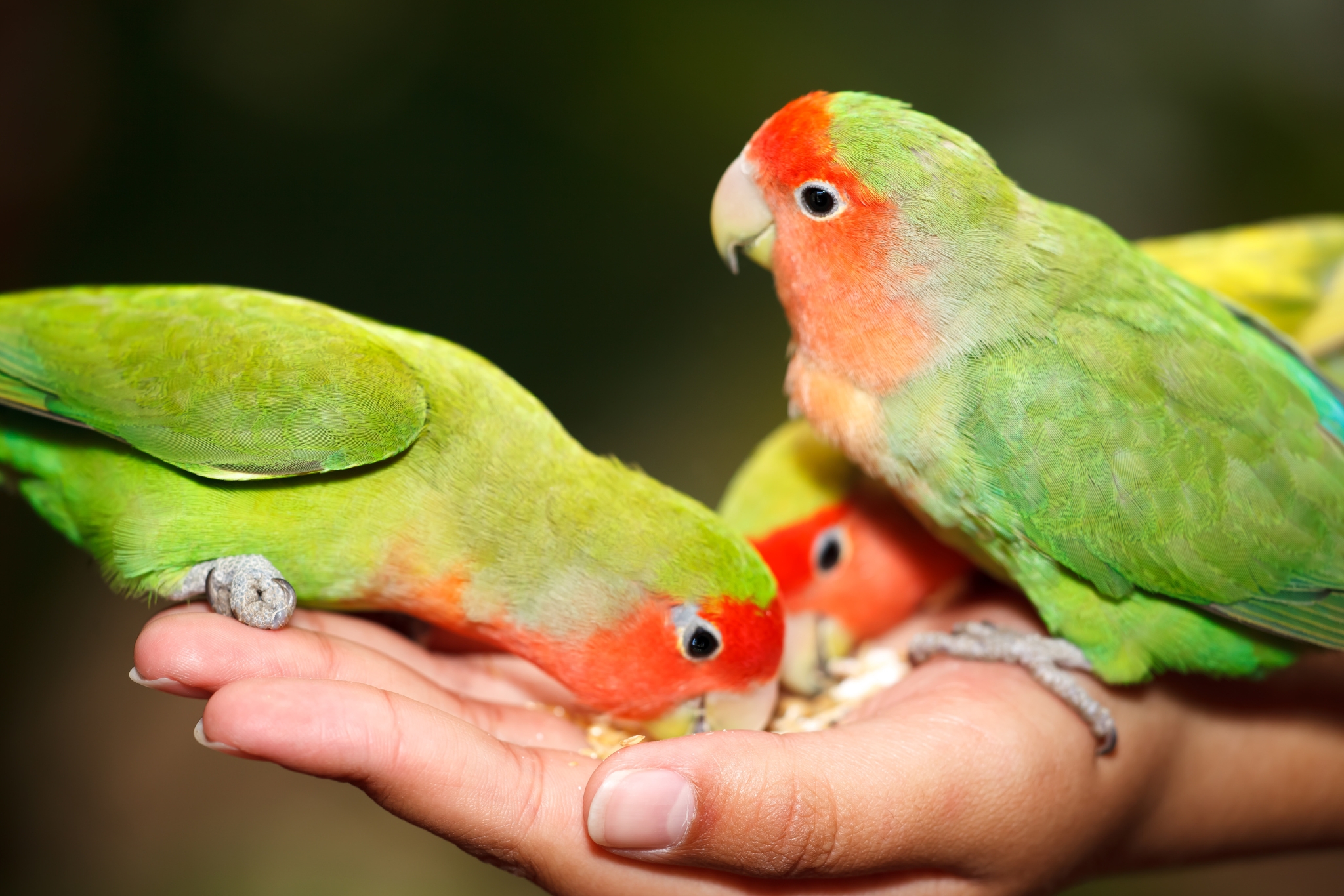
If you share your home with a lovebird, you already know these little parrots have big personalities. They’re bold, bossy, affectionate, and often convinced they’re much bigger than they really are.
They’re also experts at making you feel guilty. One look at those pleading eyes while you’re holding a millet spray and suddenly “just one more treat” sounds like a great idea!
But even the best intentions don’t always translate into good nutrition. Lovebirds typically weigh just 40 to 60 grams, so small dietary mistakes can have a bigger impact than you might expect. Birds are also experts at hiding signs of illness, which means nutrition related problems can develop for some time before you notice anything is wrong.
Feeding your lovebird doesn’t have to be complicated. With a little knowledge and a few simple adjustments, you can avoid common nutritional mistakes and help your bird stay healthy.
Mistake #1 Feeding a Seed Only Diet
If there’s one feeding mistake to address first, it’s relying on seeds as the main part of your lovebird’s diet. For years, seed mixes were widely considered a complete food for parrots, and many pet stores still sell them in ways that can leave new bird owners believing seeds are all their birds need.
While lovebirds naturally eat a variety of seeds, grasses, fruits, buds, and other plant materials in the wild, a commercial seed mix simply doesn’t provide the same nutritional variety. Seeds are often high in fat and can be deficient in essential nutrients including vitamin A, calcium, and certain amino acids. Over time, a seed heavy diet can lead to nutritional imbalances that affect your lovebird’s overall health.
Over time, an unbalanced, seed heavy diet can contribute to:
- Obesity and fatty liver disease: Many seeds are high in fat, making it easy for lovebirds to consume more calories than they need.
- Vitamin A deficiency: This can affect the respiratory system, eyes, skin, and other tissues.
- Weakened immune function: Nutritional deficiencies can interfere with the body’s ability to maintain normal health.
- Poor feather quality: An unbalanced diet may contribute to dull plumage and unhealthy feathers.
- Long term health problems: Persistent nutritional deficiencies can affect your bird’s overall well being and potentially shorten its lifespan.
Lovebirds can also be picky eaters. When offered a mixed bowl, they may pick out their favorite seeds (such as sunflower seeds) while leaving other ingredients behind. This makes it even harder to ensure they’re getting the nutrients they need.
How to fix it:
- Make a high quality formulated parrot pellet the foundation of your lovebird’s diet. And offer fresh vegetables daily, with smaller amounts of fruit and seeds as part of a balanced feeding plan.
During the transition, monitor their food intake and weight closely to make sure they’re eating enough and maintaining a healthy weight.
Mistake #2 Switching Foods Too Quickly (or Starving a Bird Into It)
Lovebirds can be hesitant to try new foods, and an unfamiliar pellet may not look like something they should eat. Some owners try to encourage the switch by removing seeds completely and waiting for their bird to get hungry enough to try pellets, but this approach can be dangerous and isn’t recommended. Small birds can lose weight and become ill quickly when they don’t eat enough, and a lovebird that stops eating needs prompt veterinary attention.
The key is to make the transition gradually, over several weeks rather than a few days. Start by mixing a small amount of pellets into your bird’s usual seed mix, then slowly adjust the ratio as your lovebird becomes more comfortable with the new food. You can also offer pellets in a separate dish to give them another opportunity to explore their new food.
Throughout the transition, weigh your lovebird regularly using a small gram scale and keep track of how much they’re eating. If you notice a steady drop in weight or that your bird isn’t eating enough, slow the transition and contact an avian veterinarian for guidance.
Lovebirds learn by observing their flock, so try pretending to eat the pellets yourself to spark your bird’s curiosity.
You can also try lightly moistening the pellets to make them more appealing, but be sure to remove any uneaten, moistened food promptly to prevent spoilage.
Mistake #3 Skipping the Fresh Vegetables
Even a high quality pellet shouldn’t be the only food in your lovebird’s dish. Fresh produce adds variety, moisture, and additional nutrients to their diet while providing enrichment. Lovebirds also enjoy exploring, shredding, and playing with their food, making fresh vegetables a great way to encourage natural foraging behaviors and keep their minds active.
Some good vegetables to offer regularly include:
- Dark leafy greens such as romaine lettuce, kale, dandelion greens, and bok choy
- Bell peppers of any color
- Carrots and carrot tops
- Broccoli florets
- Cooked sweet potato or butternut squash
- Zucchini, cucumber, and snap peas
- Fresh herbs, such as cilantro and parsley
Spinach and swiss chard can also be offered occasionally, but because they contain oxalates that can interfere with calcium absorption, it’s best to rotate them with other leafy greens rather than serve them daily.
The fix: Make fresh vegetables a regular part of your lovebird’s routine.
Offer a small portion of chopped vegetables each day, and don’t be discouraged if your bird ignores them at first. Try different presentations, such as finely chopping vegetables and mixing them with familiar foods, threading them onto a bird-safe food skewer, or hanging whole leaves between the cage bars. Sometimes, changing how a food looks or feels is enough to spark your bird’s interest.
Patience is essential when introducing new foods. Your lovebird may need repeated exposure before accepting something unfamiliar, so keep offering a variety of safe vegetables without forcing the process.
Mistake #4 Overdoing the Fruit
Fruit can be a healthy addition to your lovebird’s diet, but it’s best offered in moderation because of its natural sugar content. Too much fruit can contribute to excess calorie intake and may upset digestion. And since lovebirds often have a sweet tooth, they may also fill up on fruit and eat less of the pellets and vegetables they need for balanced nutrition.
The key is to treat fruit as an occasional snack or reward rather than a dietary staple.
- Offer small pieces of bird-safe fruits such as apples (with the seeds removed), berries, melon, mango, and papaya a few times a week.
- Keep vegetables as the larger part of your fresh food offerings.
- And make sure fruit doesn’t replace the balanced nutrition your lovebird needs from pellets and other appropriate foods.
Mistake #5 Offering Toxic or Unsafe Foods
This is one area where extra caution is essential, since some foods that are perfectly safe for people can be toxic to birds. Knowing which foods to avoid is an important part of keeping your lovebird safe and healthy.
Contains persin, a toxin that can be fatal to birds.
Both can be toxic to birds.
Even small amounts can be dangerous.
Can damage red blood cells and cause other health problems.
Seeds and pits from fruits such as cherries, peaches, apricots, and plums can contain cyanide releasing compounds.
Avoid snacks such as chips, fries, and other foods high in salt, fat, or additives.
This sweetener is found in some gums, candies, and baked goods. Avoid offering these products to your bird.
Uncooked beans can contain harmful toxins, while properly cooked beans are generally safe.
The green parts of the tomato plant are unsafe, even though ripe tomato flesh can be offered in moderation.
These contain compounds that are toxic to birds.
The best way to prevent accidental poisoning is to keep a clear list of unsafe foods somewhere visible, such as on your fridge.
Lovebirds are naturally curious and often want to share whatever their owners are eating. Whether they’re perched on your shoulder, exploring your plate, or investigating food on the counter, keep a close eye on what’s within reach (especially while cooking).
Remember, just because a food is safe and healthy for you doesn’t mean it’s safe for your lovebird.
Mistake #6 Relying on Millet Sprays and Treats
Millet sprays are a favorite treat for many lovebirds, making them useful for training and bonding. However, they’re also calorie dense, so offering too much can contribute to an unbalanced diet.
And when lovebirds fill up on treats, they may be less interested in eating their pellets and other nutritious foods they need.
The fix is to use treats in moderation.
A few seeds or a small piece of millet can make an excellent training reward, but leaving a full millet spray in the cage all day can encourage overeating.
If your lovebird is gaining excess weight or refusing pellets in favor of treats, start by reducing treats and offering them strategically rather than throughout the day.
Mistake #7 Leaving Fresh Food Out Too Long
Fresh foods (including chopped vegetables, fruit, and cooked grains) can spoil quickly, especially in warm conditions where bacteria and mold can grow more rapidly. Eating spoiled food can make your lovebird seriously ill, so keeping food and dishes clean is essential.
The key is to remove fresh foods after a few hours (or sooner in hot weather) and wash food dishes thoroughly every day.
Dry pellets can usually stay in your lovebird’s cage longer, but check them regularly for moisture, droppings, or signs of mold.
Before refilling their bowl, empty and clean it thoroughly rather than simply adding fresh food on top of what’s left. This helps prevent contamination and keeps your bird’s food clean and safe.
Mistake #8 Neglecting Fresh Water
Fresh, clean water is just as important as a balanced diet. Lovebirds can be pretty messy, and they will oftentimes dunk their food, drop bits into their water, or even using their bowls as little bird baths.
The problem is that all this mess can quickly dirty their water and allow bacteria to grow, potentially making your bird sick. That’s why it’s important to keep their water fresh and their bowls clean every day.
The fix: Provide clean water every single day.
Change your lovebird’s water at least once daily, and more often whenever it becomes dirty. You should also wash the water dish with hot soapy water and rinse it thoroughly before refilling.
If you use a water bottle instead, check the spout regularly to make sure it’s clean and free of blockages so your bird can always drink easily.
Mistake #9 Adding Vitamins to the Water
Adding a vitamin supplement might seem like an easy way to make sure your lovebird gets all the nutrients they need, but it can sometimes do more harm than good. Vitamins added to drinking water can encourage bacterial growth, affect how much your bird drinks, and make it difficult to know how much of the supplement they’re actually getting.
If your lovebird already eats a balanced pellet based diet, extra vitamins usually aren’t necessary. In fact, too much of certain vitamins (especially vitamins A and D) can be harmful.
The best approach: Focus on providing a balanced diet first.
Before adding any supplements, check with your avian veterinarian to make sure your lovebird actually needs them and that you’re giving the right amount.
Mistake #10 Forgetting About Calcium
Calcium is essential for your lovebird’s bone health, muscle function, and overall well being. It’s especially important for females that lay eggs, even without a mate, because producing eggs can quickly deplete their calcium reserves.
And seed heavy diets are usually low in calcium, making it harder for your bird to get the amount they need.
To help support your lovebird’s calcium needs:
- Provide a cuttlebone or mineral block in the cage
- Feed calcium rich greens such as kale and bok cho in their diet
- And if your female lovebird lays eggs frequently, consult an avian veterinarian about her calcium requirements and ways to reduce triggers for chronic egg laying
Mistake #11 Giving Grit Without Asking Whether It’s Needed
You may come across older care guides that recommend adding grit to your bird’s diet, but lovebirds really don’t need it.
Unlike birds that swallow seeds whole, lovebirds remove the outer husks before eating them, so they don’t rely on grit to help grind their food in the gizzard. In fact, eating too much grit can actually contribute to digestive blockages in lovebirds.
The best approach: Skip grit—unless your avian veterinarian specifically recommends it for your lovebird.
Mistake #12 Ignoring Portion Size and Body Condition
Lovebirds may be small, but even a few extra grams can affect their health. Weight gain is a common concern in pet birds, and it can be surprisingly easy to miss because their feathers often hide changes in body shape.
The best way to manage your lovebird’s weight is to monitor it regularly and encourage healthy eating habits.
Weigh your lovebird once a week at the same time of day and keep track of any changes. Your avian vet can help you determine a healthy weight range for your bird and spot potential problems before they become more serious.
Offer measured portions of pellets and seeds instead of constantly refilling your lovebird’s food dish throughout the day.
You can also encourage more movement by introducing foraging toys that let your bird search for some of their food. This keeps them mentally engaged, encourages natural behaviors, and helps them stay active.
What a Healthy Daily Lovebird Menu Looks Like
Here’s a simple daily feeding plan you can use as a starting point and adjust with guidance from your avian vet:
- Every day: Offer high quality formulated pellets designed for lovebirds or small parrots as the foundation of their diet.
- Fresh foods: Provide a portion of chopped vegetables and leafy greens daily for variety and additional nutrients.
- Occasionally: You can offer small pieces of fruit a few times a week as a treat.
- Seeds and treats: Keep portions small and measured, using them mainly for training, bonding, and enrichment.
- Always available: Provide fresh clean water and a cuttlebone or mineral block to support your bird’s needs.
Remember, every lovebird is different, so the right portions and nutritional balance will depend on your bird’s health, activity level, and individual needs.
Signs Your Lovebird’s Diet Might Need Attention
Birds are naturally good at hiding signs of illness, so it’s important to pay attention to small changes in your lovebird’s appearance or behavior. Keep an eye out for warning signs such as:
- Fluffed-up feathers or unusual tiredness
- Unexplained weight loss or weight gain
- Dull, ragged, or stress barred feathers
- Swollen or crusty eyes
- Discharge from the nostrils
- Changes in droppings (including their color, consistency, or amount)
- An overgrown beak or unusually flaky skin
- Loss of appetite or reluctance to eat
If you notice any of these signs, contact an avian veterinarian promptly rather than waiting to see if things improve. Birds can become seriously ill in a short time, so catching potential problems early can make a huge difference to your lovebird’s health.
Frequently Asked Questions
1. What is the best food for lovebirds?
A balanced diet of high quality parrot pellets, fresh vegetables, and smaller amounts of healthy seeds and fruit is generally best for lovebirds. A seed only diet doesn’t provide all the nutrients they need to stay healthy, so offering a variety of nutritious foods is important for their overall well being.
2. Can lovebirds eat bread, rice, or pasta?
Lovebirds can enjoy small amounts of plain cooked rice or whole grain pasta as occasional treats. Bread doesn’t offer much nutritional value, so it’s best to limit it. Avoid anything salty, sweetened, or heavily processed, and stick to simple unseasoned foods.
3. How much should a lovebird eat per day?
How much your lovebird needs to eat depends on their size, activity level, and overall diet. Most lovebirds eat a few tablespoons of food throughout the day, but the right amount varies from bird to bird. Keep an eye on their weight and eating habits, and check with an avian veterinarian to determine the best portions for your bird’s individual needs.
4. Can lovebirds eat human food?
Yes, some everyday foods are safe for lovebirds when prepared properly. Plain cooked sweet potato, steamed broccoli, and cooked whole grains are good examples. Avoid foods that are heavily salted, sugary, or fried, as well as anything toxic to birds such as avocado, chocolate, and caffeine.
5. How do I get my lovebird to eat vegetables?
Patience and consistency are key! Offer fresh vegetables daily, try chopping them in different ways, and place them in different spots to encourage your lovebird to explore. You can even lead by example by eating bird safe vegetables yourself. Some lovebirds take time to accept new foods, so keep offering small amounts without forcing your bird to try them. And remember to remove any uneaten fresh food before it spoils!
The Bottom Line
Feeding your lovebird well doesn’t have to be complicated, but it does take a little more care than simply filling a bowl with seeds.
Make high quality pellets the foundation of your lovebird’s diet, offer fresh vegetables daily, keep treats in moderation, and avoid foods that are toxic to birds. Don’t forget to pay attention to your lovebird’s weight, appetite, and behavior so you can spot any changes early and help keep your feathered friend healthy and happy.
These simple daily habits can make a big difference in keeping your feathered companion healthy, happy, and thriving for years to come.