The Easiest Pet Reptiles
Looking for a low-maintenance reptile? Discover the easiest pet reptiles—including lizards, snakes, and turtles—that are hardy, beginner-friendly, and simple to care for.
Reptiles are fascinating pets that offer a unique and rewarding experience for animal lovers of all ages. But if you’re new to reptile care, it’s important to start with species that are hardy, docile, and easy to maintain.
Whether you’re interested in a laid-back lizard, a gentle snake, or a low-maintenance turtle, this guide covers the easiest pet reptiles and explains why they’re ideal for both beginner owners and seasoned reptile keepers.
Why Choose a Reptile?
Reptiles make excellent pets for many reasons:
- Low Odor and minimal mess
- No fur or dander – they’re great for allergy sufferers
- Quiet – no barking, meowing, or chirping
- Fascinating behaviors and colors
- Enclosure-based care – no need to take the for walks or outside for potty breaks
However, reptiles do have specific needs – especially when it comes to temperature, lighting, and humidity – so starting with a beginner-friendly species is key to success.
What Makes a Reptile Beginner Friendly?
When choosing a low maintenance reptile as a pet, you’ll want to look for species that are:
- Hardy and tolerant of small mistakes
- Docile and easy to handle
- Require simple enclosure setups
- Readily available and captive-bred
- Eat readily available foods
Now, let’s dive into the top reptiles that check all those boxes.
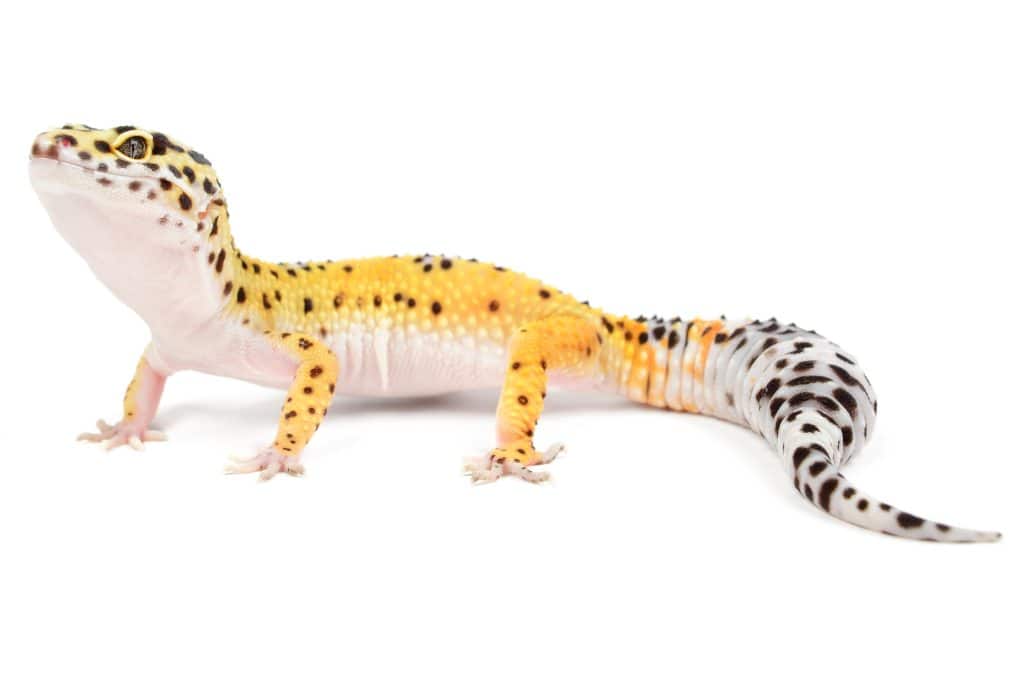
Leopard Gecko
Scientific Name: Eublepharis macularius
Lifespan: 10 to 20 years
Size: 7 to 10 inches
Temperament: Calm, gentle, and easy to handle
Why They’re Great:
Leopard geckos are among the easiest reptiles to care for. They don’t need any UVB lighting, they tolerate handling well, and they thrive in dry enclosures. They also eat insects like crickets and mealworms and are relatively low-cost to maintain.
PRO TIP: To keep your leopard gecko safe, avoid using loose substrates like sand which can cause impaction if ingested. Instead, opt for safer options like paper towels, reptile substrate mixes, or ceramic tiles.
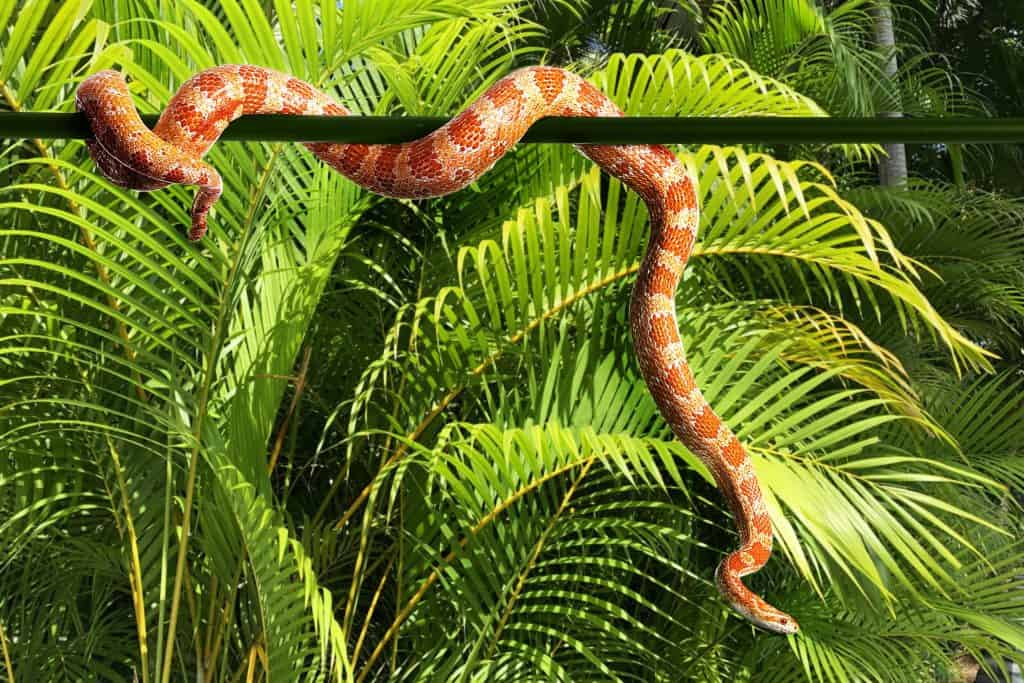
Corn Snake
Scientific Name: Pantherophis guttatus
Lifespan: 15 to 20 years
Size: 3 to 5 feet
Temperament: Curious, calm, and rarely aggressive
Why They’re Great:
Corn snakes are hardy, easy to handle, and come in a wide variety of beautiful colors and patterns. They thrive on a simple diet of hawed mice and don’t require complicated humidity or lighting setups.
PRO TIP: Be sure to use a secure escape-proof enclosure – corn snakes are notorious for slipping through small openings and are known escape artists!
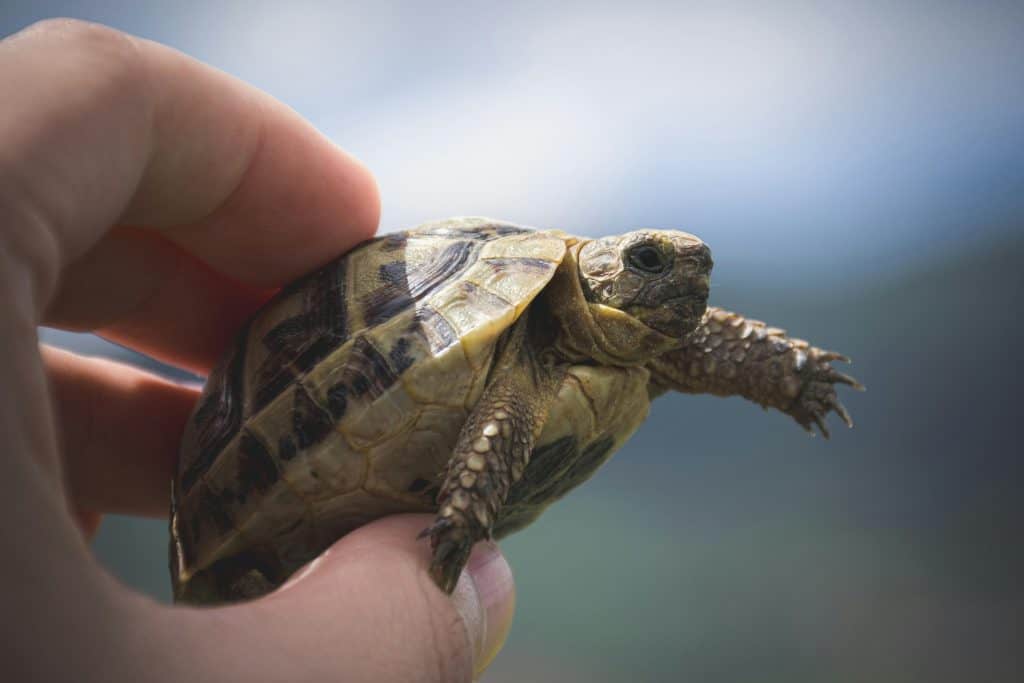
Russian Tortoise
Scientific Name: Testudo horsfieldii
Lifespan: 40 to 50+ years
Size: 6 to 10 inches
Temperament: Docile, curious, and low-key
Why They’re Great:
Russian tortoises are hardy, friendly, and herbivorous making them easy to feed. They don’t need high humidity and do well in simple indoor or outdoor enclosures.
PRO TIP: Russian tortoises have long lifespans so potential owners should be prepared for a lifelong commitment.
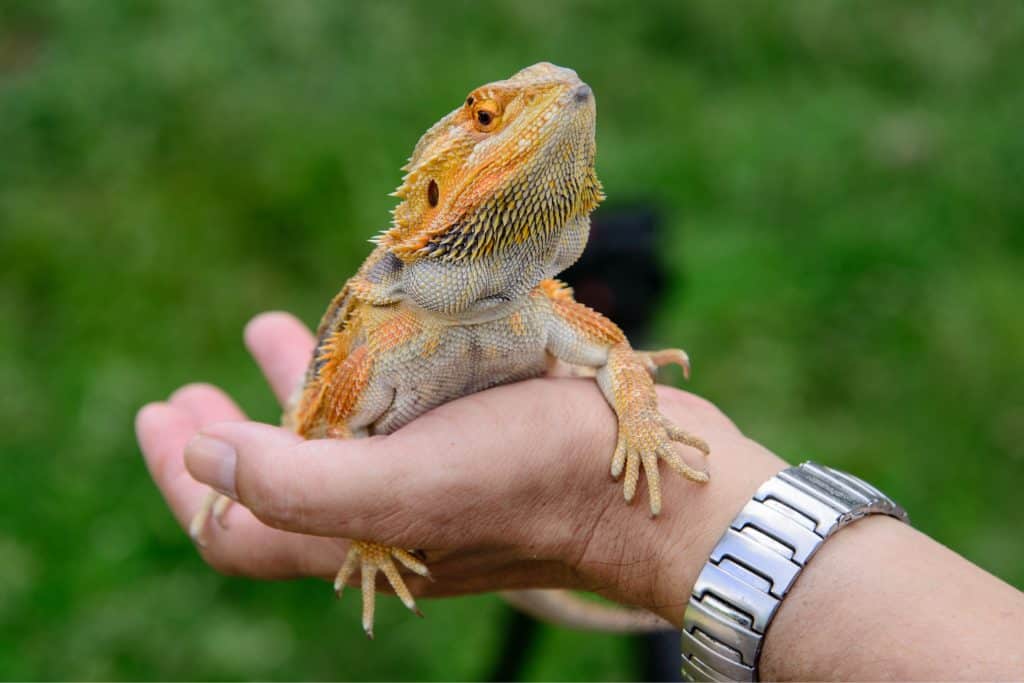
Bearded Dragon
Scientific Name: Pogona vitticeps
Lifespan: 8 to 12 years
Size: 18 to 24 inches
Temperament: Social, calm, and friendly
Why They’re Great:
Bearded dragons are one of the most popular pet reptiles – and for good reason. They’re friendly, tolerate handling, and have engaging personalities. They eat a mix of insects and veggies and enjoy interacting with their owners.
PRO TIP: While bearded dragons are considered beginner-friendly reptiles, they still require proper UVB lighting and heat gradients to maintain their health. Be sure to provide your bearded dragon with appropriate lighting to support their health and well-being.
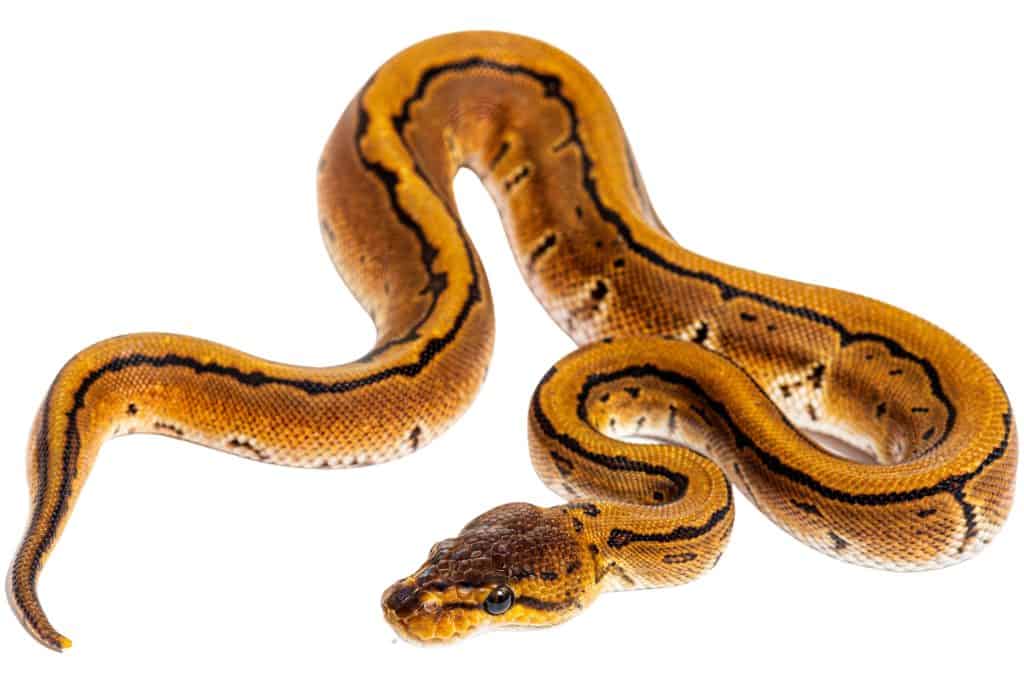
Ball Python
Scientific Name: Python regius
Lifespan: 20 to 30+ years
Size: 3 to 5 feet
Temperament: Shy, gentle, and slow-moving
Why They’re Great:
Ball pythons are calm handleable snakes that rarely bite. They require simple enclosures and feed on thawed rodents. They’re great for people who want a low-energy pet they can occasionally hold.
PRO TIP: It’s not uncommon for ball pythons to refuse food from time to time – this behavior is usually normal and not a cause for concern.
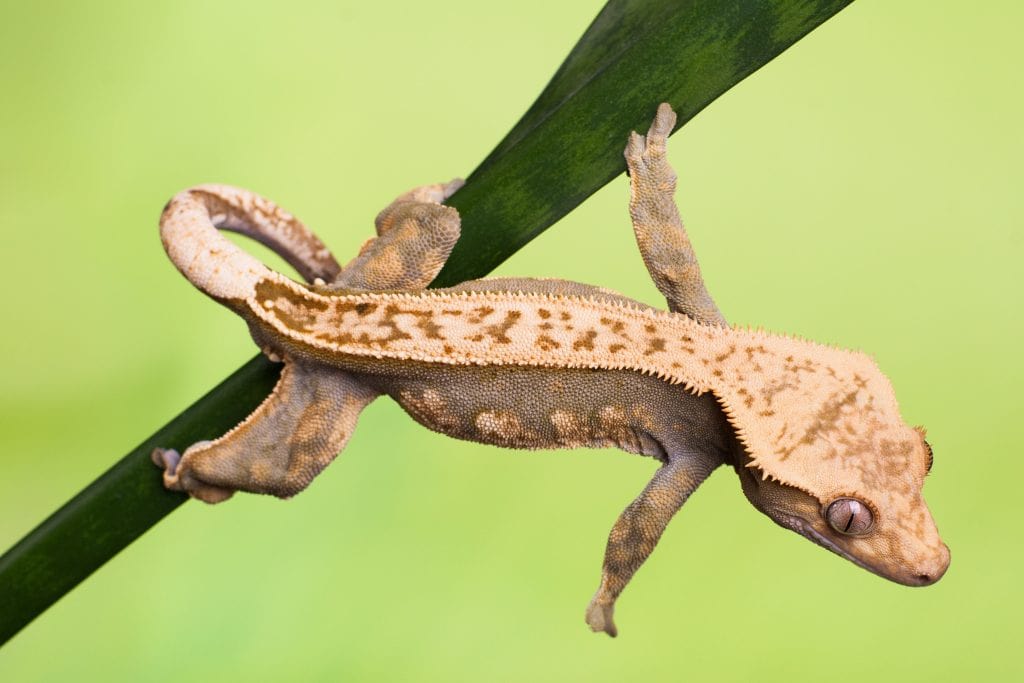
Crested Gecko
Scientific Name: Correlophus ciliatus
Lifespan: 10 to 15 years
Size: 8 to 10 inches
Temperament: Easygoing and fun to watch
Why They’re Great:
Crested geckos are an excellent option for those who prefer not to feed live insects daily, though they should still be offered bugs for variety and enrichment. Their primary diet is a convenient powdered fruit and insect mix that’s simply mixed with water. They also thrive without intense heat or specialized lighting making their enclosure setup relatively easy.
PRO TIP: These geckos are jumpers – you’ll want to handle them gently and near a safe surface just in case they jump!
Reptiles Make Rewarding Pets
Reptiles make truly unique and rewarding pets, offering a fascinating glimpse into a world very different from that of more traditional companions like cats or dogs.
Many beginner-friendly reptiles are hardy, low-maintenance, and easy to handle, which helps build confidence and enjoyment as you learn the ropes of reptile care.
Whether you’re captivated by the gentle relaxed nature of a ball python or charmed by the playful curiosity of a leopard gecko, starting with a species known for being easy to care for is one of the best ways to set yourself (and your pet) up for success.
With a little research, patience, and dedication, your reptile can thrive and become a fascinating part of your life for years to come.