Do Zoos Really Help Conservation? The AZA Accreditation Difference
Explore how AZA accredited zoos and aquariums contribute to wildlife conservation through breeding, research, habitat protection, and public education.
- Understanding AZA Accreditation: A Mark of Excellence
- Direct Species Conservation: Saving Animals from Extinction
- Field Conservation: Protecting Wildlife in Their Natural Habitats
- Research and Scientific Advancement
- Education and Public Engagement: Creating Conservation Champions
- AZA’s SAFE Program: Saving Animals From Extinction
- Sustainable Operations: Leading by Example
- Advocacy and Policy Influence
- The Future of Conservation: AZA’s Ongoing Commitment
- A Conservation Network Working for Wildlife
The Association of Zoos and Aquariums (AZA) represents the gold standard in zoological excellence, with its accredited facilities serving as crucial pillars in the fight to protect endangered species and preserve biodiversity.
These institutions go far beyond their role as educational attractions—they also function as active conservation organizations that make measurable impacts on wildlife survival worldwide.
Understanding AZA Accreditation A Mark of Excellence
AZA accreditation is not simply a certificate on the wall—it’s a rigorous seal of approval that demonstrates an institution’s commitment to the highest standards of animal care, veterinary programs, conservation, education, and safety.
With fewer than 10% of licensed animal exhibitors in the United States achieving this distinction, AZA accreditation signifies exceptional dedication to conservation and animal welfare.
The accreditation process involves comprehensive evaluations conducted by independent experts who assess every aspect of facility operations, from habitat design and veterinary care to staff training and conservation initiatives. Facilities must meet or exceed AZA’s extensive standards and undergo reaccreditation every five years to maintain their status.
Direct Species Conservation Saving Animals from Extinction
Species Survival Plan Programs
AZA accredited facilities participate in Species Survival Plan (SSP) programs—these are scientifically managed breeding programs designed to maintain genetically diverse and demographically stable populations of endangered species.
These programs coordinate breeding recommendations across institutions to prevent inbreeding and ensure long term population viability.
AZA currently manages over 500 SSP programs covering various species. These programs have been instrumental in preventing numerous species from disappearing entirely. Without the coordinated efforts of AZA facilities many of these animals would exist only in historical records.
Reintroduction Success Stories
AZA institutions have also played pivotal roles in reintroducing endangered species back into their natural habitats.
Thanks to captive breeding programs at these facilities, the California condor population has grown from just 27 individuals in 1987 to over 500 birds today.
Similarly, the black footed ferret (once declared extinct in the wild in 1987) has been successfully reintroduced through breeding efforts at AZA institutions.
Other notable reintroduction successes include:
- Red wolves: Bred in AZA facilities and released into protected areas
- Wyoming toads: Saved from extinction through coordinated breeding efforts
- Scimitar horned oryx: Reintroduced to Chad after being extinct in the wild since 2000
- Golden lion tamarins: Population recovery supported by zoo breeding programs
Field Conservation Protecting Wildlife in Their Natural Habitats
AZA accredited facilities don’t confine their conservation work to their own grounds. These institutions collectively invest over $230 million annually in conservation projects worldwide, supporting habitat protection, anti-poaching initiatives, community development, and scientific research in biodiversity hotspots across the globe.
Global Conservation Partnerships
AZA facilities partner with local conservation organizations, governments, and communities to address conservation challenges where they occur. These partnerships provide crucial funding, expertise, and resources for:
- Habitat restoration and protection initiatives
- Anti-poaching patrols and wildlife monitoring
- Community education and sustainable development programs
- Research on wild populations and ecosystem health
- Veterinary care for wild and rescued animals
Conservation Impact Across Continents
From protecting gorillas in Central Africa to conserving sea turtles along coastlines, AZA facilities support conservation efforts on every continent. Many institutions have established long term commitments to specific regions or species, building relationships and expertise that span decades.
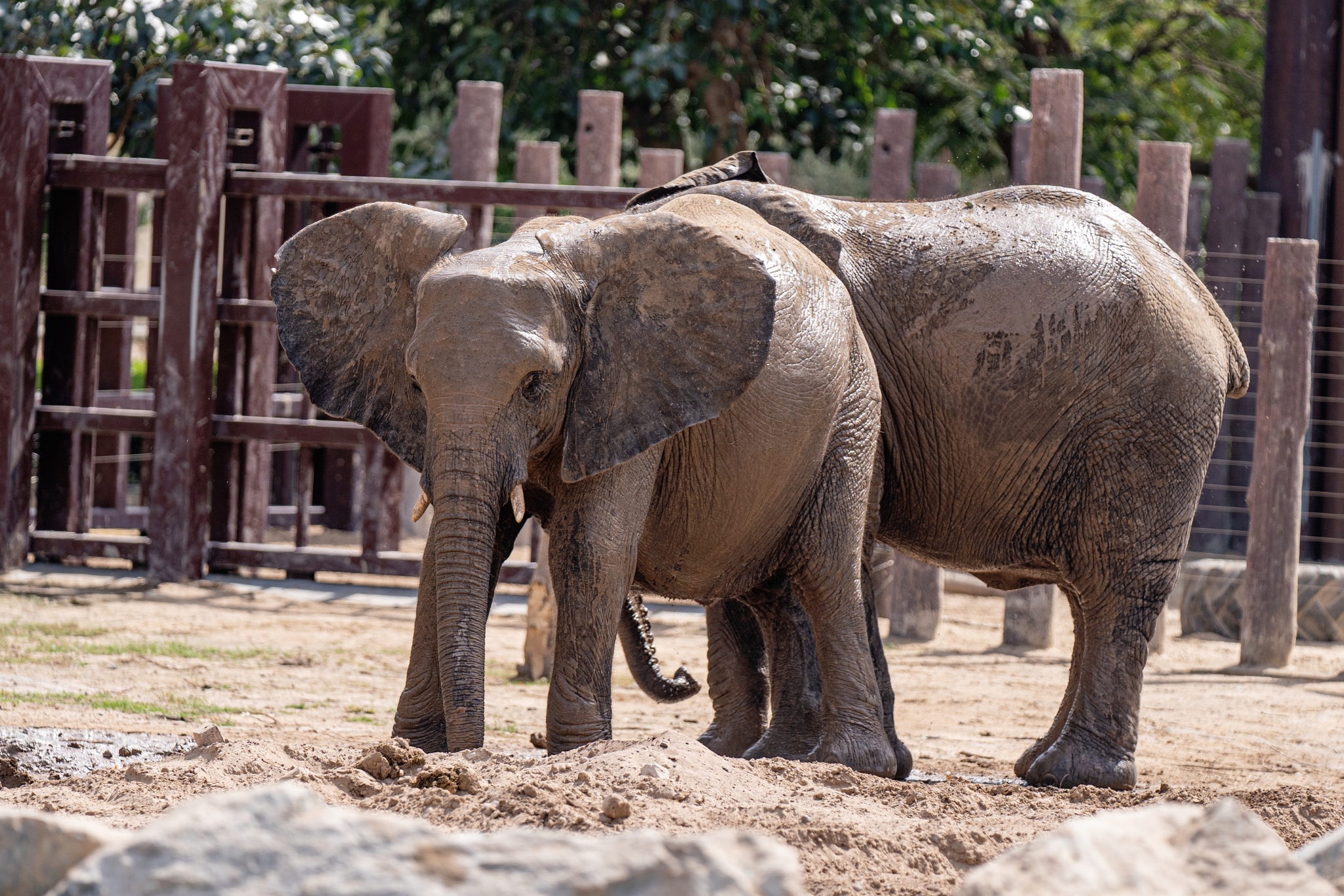
For example, numerous AZA zoos support elephant conservation in Asia and Africa, funding ranger patrols, habitat corridors, and human-wildlife conflict mitigation.
Other facilities focus on marine conservation, supporting coral reef restoration, sustainable fisheries, and ocean cleanup initiatives.
Research and Scientific Advancement
AZA accredited facilities serve as living laboratories where scientists can study animal behavior, physiology, reproduction, and health in ways that would be impossible in the wild. This research generates knowledge that directly benefits both captive and wild populations.
Reproductive Science Breakthroughs
Research conducted at AZA facilities has led to significant advances in assisted reproductive technologies, including artificial insemination, in vitro fertilization, and cryopreservation of genetic material. These techniques have proven essential for managing small populations and maintaining genetic diversity.
For instance, the Frozen Zoo at the San Diego Zoo Wildlife Alliance preserves cell cultures, eggs, and sperm from thousands of individual animals representing over 1,000 species. This genetic library could prove invaluable for future conservation efforts.
Health and Disease Research
Understanding animal diseases and developing treatments benefits wildlife conservation globally. When disease outbreaks threaten wild populations, veterinarians and researchers at AZA institutions often provide critical expertise and resources to address the crisis.
Research on elephant herpesvirus, white-nose syndrome in bats, chytrid fungus in amphibians, and numerous other wildlife diseases has been conducted or supported by AZA facilities, contributing to conservation strategies that protect wild populations.
Education and Public Engagement Creating Conservation Champions
Perhaps one of the most significant conservation contributions of AZA accredited facilities is their ability to connect millions of people with wildlife and inspire conservation action. These institutions welcome over 200 million visitors annually and provide opportunities for people to experience animals firsthand and learn about conservation challenges.
Inspiring the Next Generation
Educational programs at AZA facilities reach beyond casual visitors to engage students, teachers, and families in meaningful conservation education. Many institutions offer:
- School field trips with curriculum aligned programming
- Summer camps and youth programs focused on wildlife and conservation
- Teacher professional development workshops
- Citizen science opportunities that contribute to real research
- Virtual education programs reaching global audiences
Research demonstrates that zoo visits can increase conservation knowledge, concern for wildlife, and willingness to take conservation action. By fostering emotional connections between visitors and animals, AZA facilities create constituencies that support conservation policies and funding.
Community Conservation Programs
AZA institutions engage local communities in conservation through volunteer programs, community science initiatives, and outreach events. These programs help people understand their role in conservation and provide practical ways to make a difference, from reducing plastic use to creating wildlife friendly gardens.
AZA’s SAFE Program Saving Animals From Extinction
The AZA SAFE (Saving Animals From Extinction) initiative focuses the collective expertise and resources of AZA accredited facilities on the most vulnerable species. This program brings together zoos, aquariums, and partner organizations to develop comprehensive conservation strategies for priority species.
SAFE programs combine managed breeding, field conservation, public engagement, and scientific research to address the most pressing threats to species survival.
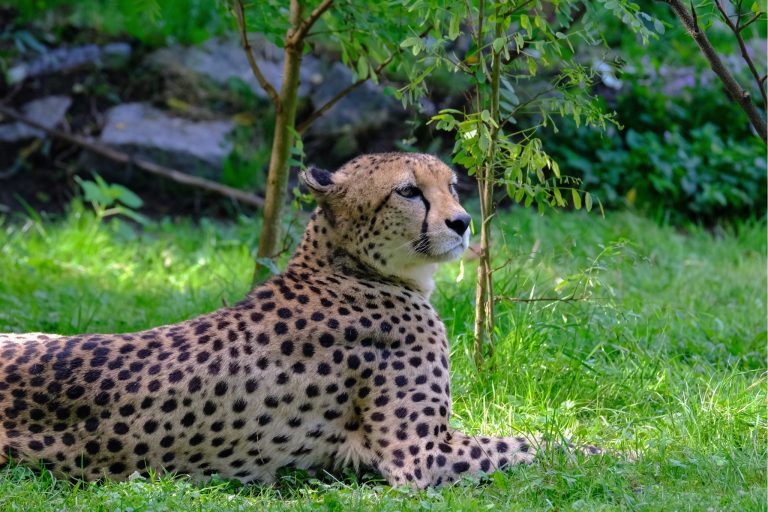
Current SAFE species include African penguins, cheetahs, gorillas, sharks and rays, sea turtles, and many others.
Each SAFE program develops specific measurable conservation goals and coordinates actions across multiple institutions to achieve maximum impact. This collaborative approach ensures that resources are used efficiently and that conservation efforts complement rather than duplicate each other.
Sustainable Operations Leading by Example
AZA facilities demonstrate environmental stewardship through sustainable operations and green initiatives. Many institutions have implemented:
- Renewable energy systems and energy efficiency upgrades
- Water conservation and recycling programs
- Sustainable food sourcing for both animals and visitors
- Waste reduction and composting programs
- Green building designs and habitat naturalization
These initiatives not only reduce environmental footprints but also serve as models for sustainability that visitors can observe and emulate in their own lives.
Advocacy and Policy Influence
AZA and its member institutions advocate for conservation friendly policies at local, national, and international levels. This includes supporting legislation that protects endangered species, regulates wildlife trade, preserves habitats, and addresses climate change.
AZA facilities also provide expert testimony, public comments, and scientific data to inform policy decisions. They mobilize their vast audiences to support conservation legislation, creating powerful constituencies for wildlife protection.
The Future of Conservation AZA’s Ongoing Commitment
As biodiversity faces unprecedented threats from habitat loss, climate change, pollution, and overexploitation, AZA’s role in conservation becomes increasingly critical. These institutions continue to evolve their conservation strategies, embracing new technologies, expanding partnerships, and deepening their commitment to wildlife preservation.
Emerging conservation technologies like environmental DNA monitoring, drone surveillance for anti-poaching, and advanced genetic analysis are being developed and deployed. These innovations promise to enhance both in situ and ex situ conservation effectiveness.
A Conservation Network Working for Wildlife
AZA accredited facilities represent a powerful conservation network that combines scientific expertise, financial resources, public engagement, and passionate commitment to protecting Earth’s biodiversity.
Through Species Survival Plans, field conservation projects, groundbreaking research, education programs, and policy advocacy, these institutions make tangible differences for endangered species and ecosystems worldwide.
These facilities are far from being simple entertainment venues—AZA accredited zoos and aquariums function as essential conservation organizations addressing one of the most significant challenges of our time: the global extinction crisis.
Their comprehensive approach to conservation—spanning from molecular genetics to landscape level ecosystem protection—demonstrates the multifaceted strategies necessary to ensure wildlife survives and thrives for future generations.
When you visit an AZA accredited facility, you’re not just observing animals—you’re supporting a global conservation network that’s actively working to prevent extinctions, restore ecosystems, and create a future where humans and wildlife coexist sustainably. That’s the real power and purpose of AZA accreditation.