Why Do Betta Fish Make Bubble Nests? (It’s Not What You Think!)
Discover why betta fish make bubble nests, what this behavior means for your fish’s health, and how to create the perfect environment to encourage nest building.
- What Are Betta Bubble Nests?
- The Primary Reason: Breeding Behavior
- But Wait, There’s More to the Story
- Do Female Bettas Make Bubble Nests?
- What If Your Betta Doesn’t Make Bubble Nests?
- How to Encourage Bubble Nest Building
- Common Myths About Betta Bubble Nests
- What to Do When You See a Bubble Nest
- The Bottom Line on Betta Bubble Nests
If you’ve noticed your betta fish blowing bubbles at the water’s surface, you’re witnessing one of the most fascinating behaviors in the aquarium world.
Bubble nests are a natural instinct for betta fish, and understanding why they create these foamy structures can help you become a better fish parent.
What Are Betta Bubble Nests?
Betta bubble nests are clusters of bubbles that male bettas create at the water’s surface. These nests can be simple, consisting of a few dozen bubbles, or elaborate rafts that span several inches.
Each bubble is carefully coated with the fish’s saliva, giving it extra durability and stickiness that helps the nest stay intact for days.
Typically, you’ll find these frothy patches floating near the surface, often tucked under plants, decorations, or in the corners of the tank where the water is calmest.
The Primary Reason Breeding Behavior
The main reason betta fish create bubble nests is reproduction. In the wild, male bettas build these nests as part of their courtship and breeding ritual:
- When a male betta is ready to breed, he constructs an elaborate bubble nest to attract a female.
- After spawning, the male collects the fertilized eggs in his mouth and carefully places them into the bubbles, where they stay safe and oxygenated until hatching. The sticky saliva coating helps keep the eggs suspended and protected from predators.
- The male then guards the nest, adding bubbles as needed and retrieving any eggs that fall out.
- This paternal care continues for several days until the fry are free swimming.
But Wait, There’s More to the Story
Interestingly, male bettas often build bubble nests even when no female is present. Seeing a bubble nest in your tank doesn’t necessarily mean your betta is lonely or searching for a mate.
Bubble nest building is instinctive and can signal several positive things about your fish:
1. Signs of Good Health and Happiness
When your betta builds a bubble nest, it’s usually a strong indicator of health and contentment. A happy betta in well-maintained water is far more likely to engage in this natural behavior.
Think of it as your fish’s way of giving you a thumbs-up that their environment is just right.
Creating a bubble nest takes energy and focus, so stressed, sick, or poorly cared for bettas typically won’t bother.
If you spot bubbles forming, it’s a good sign you’re doing something right with your tank care.
2. Hormonal Response
Male bettas are naturally programmed to build bubble nests once they reach sexual maturity, typically around 3 to 4 months old. Hormonal cycles can trigger nest building even in the absence of a female, making it an instinctive behavior – similar to how birds build nests without a mate present.
3. Environmental Triggers
Certain conditions can encourage bubble nest building. Warmer water temperatures between 78°F to 80°F, calm water surfaces, and the presence of floating plants often inspire bettas to start construction. Even seeing their reflection or catching a glimpse of another fish nearby can kickstart their breeding instincts.
Do Female Bettas Make Bubble Nests?
Many people wonder if female bettas build bubble nests. While it’s rare, it can happen. Female nests are usually smaller and less elaborate than male nests, and this behavior is more often seen in particularly dominant or “masculine” females.
What If Your Betta Doesn’t Make Bubble Nests?
Don’t panic if your betta has never built a bubble nest. Not all bettas are enthusiastic nest builders, and some perfectly healthy fish simply don’t engage in this behavior regularly. Several factors influence whether your betta will build nests:
- Age matters. Very young bettas under 3 months typically haven’t developed the instinct yet, while older bettas may slow down their nest building activities.
- Personality plays a role. Just like people, fish have individual personalities. Some bettas are prolific builders who maintain nests constantly, while others are more laid back and only occasionally feel inspired.
- Tank conditions are crucial. Strong filtration that creates too much surface agitation makes it difficult for bettas to build or maintain nests. The bubbles simply get dispersed before the fish can create a stable structure.
- Stress is a major factor. A betta dealing with poor water quality, aggressive tank mates, inadequate space, or other stressors won’t have the inclination or energy for nest building.
How to Encourage Bubble Nest Building
f you’d like to see your betta create bubble nests, you can optimize their environment to support this natural behavior.
1. Maintain Excellent Water Quality: Keep water parameters stable with regular changes, proper filtration, and frequent testing. Ammonia and nitrite should always be at zero, and nitrates should remain below 20 ppm.
2. Keep Water Warm: Use a reliable aquarium heater to maintain a temperature between 78°Fto 80°F. Warmer water stimulates a betta’s metabolism and encourages breeding behaviors, including bubble nest building.
3. Reduce Surface Agitation: Bettas prefer calm water. Adjust your filter output or use a baffle to diffuse the flow, making it easier for your betta to create and maintain a nest.
4. Add Floating Plants: Plants such as Amazon frogbit, water lettuce, or duckweed provide anchor points for bubble nests and help your betta feel secure. Live plants also improve water quality naturally.
5. Provide Hiding Spots and Territories: Decorations, caves, and plants give your betta places to hide and claim as territory. A secure fish is more likely to exhibit natural behaviors, including nest building.
6. Use an Appropriately Sized Tank: While bettas can survive in small spaces, a 5 gallon tank or larger offers better water stability and more room for natural behaviors to emerge, including bubble nest construction.
Common Myths About Betta Bubble Nests
Let’s clear up some misconceptions floating around the betta community:
Myth: Bubble nests mean your betta fish is happy.
Truth: While nest building often correlates with good health, it’s not a definitive happiness meter. Some stressed bettas still build nests, and some perfectly content bettas don’t.
Myth: You need a female betta for bubble nests.
Truth: Absolutely not. Male bettas build nests instinctively whether females are present or not.
Myth: More bubbles mean a healthier fish.
Truth: Nest size and frequency vary by individual temperament and aren’t directly proportional to health status.
Myth: Destroying the nest harms your betta.
Truth: While your betta might rebuild it if he’s in the mood, accidentally disturbing a bubble nest during tank maintenance won’t traumatize your fish. They’re quite resilient and will simply start over if they feel like it.
What to Do When You See a Bubble Nest
If you spot a bubble nest in your tank, congratulations! Here’s how to handle it:
- Leave it alone as much as possible. While you can work around it during maintenance, there’s no need to remove it deliberately.
- Maintain your regular tank care. Water changes may disrupt the nest, but clean stable water is far more important. Your betta will rebuild if needed.
- See it as a positive indicator. A bubble nest generally reflects good water conditions and a healthy fish, but don’t obsess over preserving it. The overall well-being of your betta always comes first.
- Don’t rush into breeding. Just because your male betta builds a nest doesn’t mean you should breed him. Successful breeding requires separate tanks, knowledge of genetics, and homes for potentially hundreds of fry.
The Bottom Line on Betta Bubble Nests
Bubble nests are a fascinating glimpse into your betta’s natural instincts. These foamy structures serve as nurseries in nature, but in your home aquarium, they’re simply a natural behavior that male bettas perform instinctively.
Whether your betta is a dedicated architect who maintains an impressive bubble palace or a fish who couldn’t be bothered with construction projects, both are perfectly normal.
The presence or absence of bubble nests shouldn’t be your primary indicator of your betta’s wellbeing. Instead, focus on maintaining excellent water quality, appropriate temperatures, proper nutrition, and a spacious, enriching environment.
When all these elements come together, you’ll have a thriving betta fish who might just surprise you with a beautiful bubble nest creation.
Keep enjoying your gorgeous betta, and if those magical bubbles appear at the surface, take a moment to appreciate the ancient instincts still thriving in your modern aquarium.
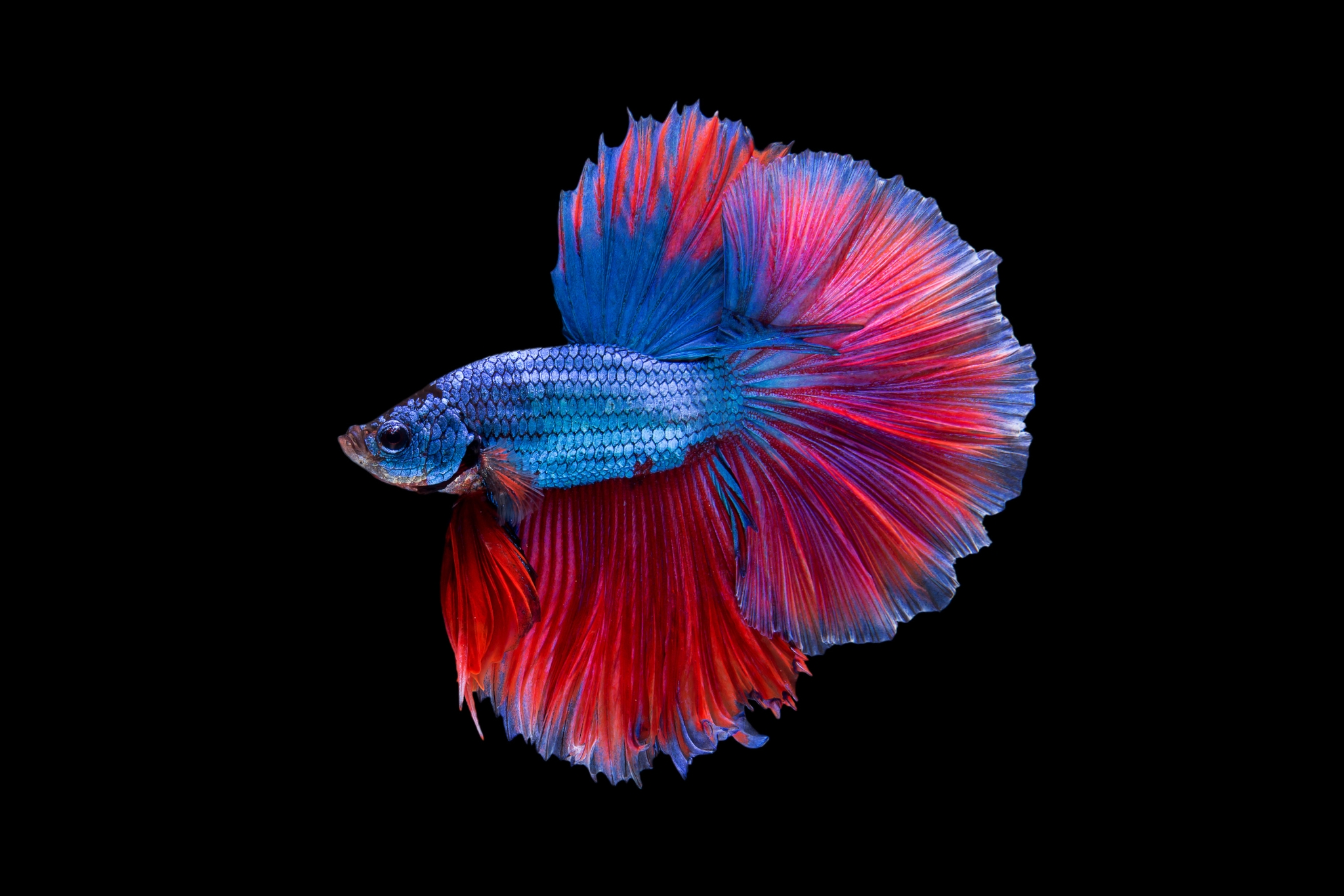
10 Reasons Why Betta Fish
Make Awesome Pets
Vibrant, elegant, and surprisingly full of personality — betta fish are one of the most rewarding pets you can own. Discover why these stunning fish make such wonderful companions for small spaces and first-time fish keepers.