Why Did My Chickens Stop Laying Eggs? 8 Common Causes & Solutions
If your hens have suddenly stopped laying eggs, you’re not alone! Discover the most common reasons why chickens stop producing and get practical solutions to restore your flock’s egg production.
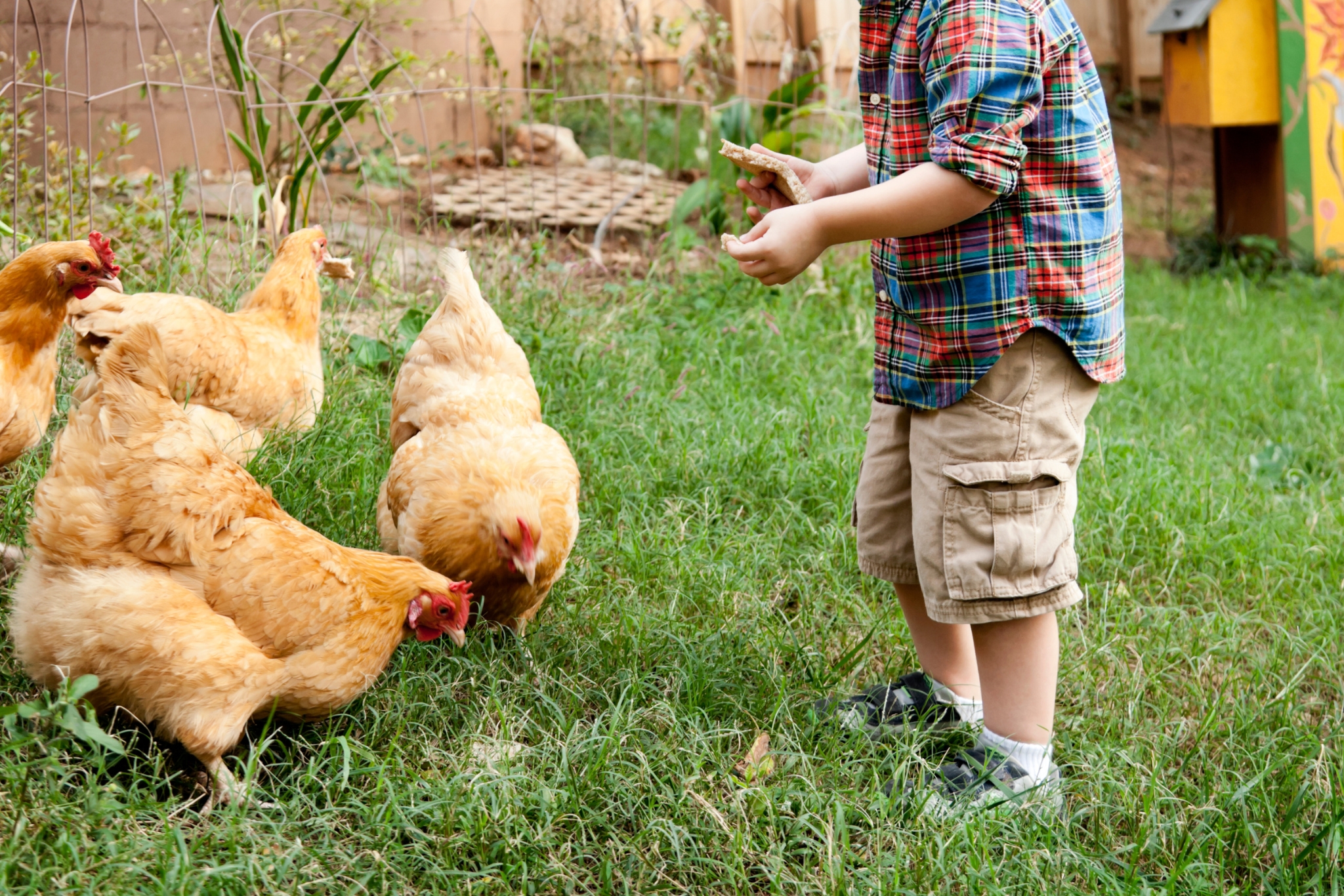
If you’ve noticed your hens have suddenly stopped laying eggs, you’re not alone! This is one of the most common concerns among backyard chicken keepers, and the good news is that it’s usually totally fixable.
Understanding why chickens stop laying is the first step to getting those egg baskets full again. Whether it’s seasonal changes, diet issues, or simply the natural aging process, most causes have straightforward solutions that can restore your flock’s productivity.
Let’s dive into the top reasons why chickens stop laying and what you can do to help your feathered friends get back to their egg-producing best.
Seasonal Changes and Daylight Hours
This is the number one culprit! Chickens need about 14 to 16 hours of daylight to maintain consistent egg production. During fall and winter, shorter days trigger their bodies to take a break from laying.
This is completely natural and actually helps them conserve energy during colder months. Their bodies are simply responding to environmental cues that have been hardwired through thousands of years of evolution.
The Fix
Many chicken keepers add supplemental lighting to their coops, using a timer to extend “daylight” hours. Just make sure to do this gradually so you don’t stress your flock! Turn lights on early in the morning rather than extending the evening.
Molting Season The Annual Feather Refresh
When chickens molt (typically in fall), they shed old feathers and grow gorgeous new ones. This process requires tons of protein and energy, so egg production takes a backseat.
During this time you’ll notice feathers scattered around the coop and some rather scruffy looking birds! Don’t worry, this is perfectly normal and temporary.
The Fix
Be patient and boost their protein intake with high quality feed, mealworms, or sunflower seeds. Molting usually lasts 8 to 12 weeks, and then your girls will be back in business with beautiful new plumage.
Stress Factors
Chickens are surprisingly sensitive creatures. Changes in their environment can really throw them off their laying game. Common stressors include new flock members, predator scares, coop moves, loud noises, or even a new rooster strutting around.
Any significant change to their routine or environment can cause temporary disruption in egg production. Think of it like how stress affects humans – when we’re anxious or dealing with major changes, our bodies don’t function at their best.
The Fix
Keep their routine consistent, provide plenty of hiding spots, and give them time to adjust to any changes. A calm chicken is a productive chicken!
Poor Nutrition
Your hens need a balanced diet to produce quality eggs. If they’re not getting enough protein, calcium, or essential nutrients, egg production will decline. Free ranging is wonderful, but in most cases it shouldn’t completely replace quality layer feed.
Think about it – each egg a hen produces requires significant nutritional resources. Without proper fuel, their bodies simply can’t maintain consistent production.
The Fix
Ensure your chickens have constant access to layer feed (16% to 18% protein) and offer oyster shell or crushed eggshells on the side for calcium. Fresh water is absolutely essential too!
Important
Treats should only make up about 10% of their diet. Too many treats can lead to nutritional imbalances that affect egg production.
Age of Your Hens Understanding the Natural Decline
Here’s something every chicken keeper needs to know: pullets (young hens) start laying around 18 to 24 weeks old, and their peak production is in their first 2 years.
Most hens lay consistently during their first 2 to 3 years. After that, egg production naturally decreases by about 10% to 20% each year. This is simply part of the natural aging process.
The Fix
This is just nature! You can maintain your flock’s overall production by adding a few young pullets each year while letting your older hens enjoy a well-deserved retirement.
Broodiness
When a hen goes broody, she’s decided she wants to hatch eggs and become a mama. She’ll sit on the nest all day, puff up when you approach, and stop laying new eggs. It’s absolutely adorable but not great for egg production!
Broody hens are completely focused on incubating eggs (even if there are no fertilized eggs present). Their body temperature rises, and they’ll only leave the nest briefly each day to eat, drink, and eliminate.
The Fix
If you don’t want chicks, you’ll need to break the broody behavior by removing her from the nest several times daily or using a “broody breaker” coop with ventilated flooring to cool her down.
Health Issues and Parasites
Internal parasites like worms or external pests like mites can seriously impact your chickens’ health and egg laying ability. Respiratory infections, egg binding, or reproductive issues can also be culprits.
A sick chicken diverts energy toward fighting illness rather than producing eggs. Even minor health issues can cause a noticeable drop in production.
The Fix
Regular health checks are key! Look for signs like lethargy, weight loss, pale combs, or abnormal droppings. Establish a deworming schedule and keep the coop clean to prevent parasite problems.
When to Worry
Consult a vet if you notice sudden weight loss, lethargy, abnormal droppings, respiratory symptoms, or if your entire flock stops laying simultaneously outside of molting season.
Hidden Nesting Spots The Mystery Egg Hunt
Plot twist: sometimes your chickens ARE laying, just not where you expect them to! Free range hens are notorious for finding secret nesting spots in the yard, under bushes, or in the barn.
This is instinctive behavior – in the wild, chickens would hide their eggs to protect them from predators. Your domesticated hens still have this natural inclination.
The Fix
Do a thorough search of your property (it’s like an Easter egg hunt!). You can also keep your flock in the coop until mid-morning when most laying happens to encourage them to use the nesting boxes.
Getting Your Flock Back on Track
Now that you know the common causes, here’s an action plan for restoring your flock’s egg production:
Your Action Plan
Check Their Diet
Make sure they have quality layer feed available at all times, along with fresh water and calcium supplements. Treats should only make up about 10% of their diet.
Evaluate Their Environment
Is the coop clean, dry, and well-ventilated? Are the nesting boxes comfortable and private? These factors matter more than you’d think!
Consider Lighting
If you’re in the midst of winter, adding a few hours of supplemental light can make a big difference. Use a timer to turn lights on early in the morning rather than extending the evening.
Monitor Their Health
Keep an eye out for any signs of illness or parasites. When in doubt, consult with a veterinarian who specializes in poultry.
Be Patient
Whether your hens are molting, adjusting to a change, or just taking a seasonal break, sometimes the best thing you can do is give them time and TLC.
“Happy and healthy chickens are the most productive chickens.”
The Bottom Line on Egg Laying Issues
Chickens stopping egg production is usually a temporary situation with a simple solution. By understanding your flock’s needs and paying attention to seasonal changes, health, and environment, you’ll be collecting beautiful fresh eggs again in no time.
Most egg laying slowdowns are normal and temporary. With proper care, attention to nutrition, and a stress-free environment, your hens will return to their productive selves. Some situations, like molting and winter light reduction, are completely natural and actually beneficial for your chickens’ long-term health.
Remember to stay observant, be patient with your flock, and don’t hesitate to consult a poultry veterinarian if you notice concerning symptoms. Your chickens depend on you to provide the best possible care.
Here’s to many more mornings of collecting farm fresh eggs from your fabulous feathered friends!