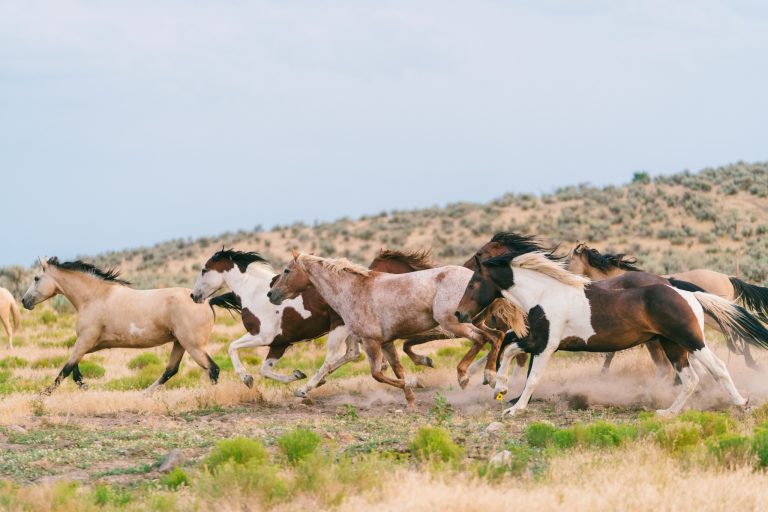
Whether you’re hauling to a weekend trail ride, a competition, or relocating to a new property, the trailer you choose has a direct impact on your horse’s physical health and mental wellbeing. A poor fit—whether in size, ventilation, flooring, or overall design—can lead to injury, ongoing stress, and a horse that becomes difficult to load. The right trailer, on the other hand, is one your horse can travel in comfortably and calmly, sometimes even willingly.
This guide breaks down what experienced equestrians, equine veterinarians, and professional haulers consistently look for when choosing a horse trailer—from essential structural features to the finer details that make the difference between a good option and the right one.
Start With the Right Size Don’t Underestimate Your Horse
One of the most common mistakes horse owners make is choosing a trailer that’s technically “big enough” but not truly comfortable in practice. Horses need enough space to widen their stance for balance, lower their heads to support respiratory health and drainage, and adjust their weight naturally during turns and stops.
Sizing guide
Getting the dimensions right for your horse
#1
Stall width
Give your horse room to stand squarely
Stall width is often the first thing to evaluate. A standard slant-load stall runs about 44 inches wide, which works for most horses under 15.2 hands. Warmbloods, drafts, or larger Quarter Horses will be cramped in that configuration. Look for stalls in the 54–60 inch range for bigger animals, or consider a straight-load with extra width.
44″
Standard slant-load
54–60″
Warmbloods & drafts
#2
Interior height
More important than most owners realize
The rule of thumb is to add at least six inches to your horse’s wither height. A 16-hand horse sitting at roughly 64 inches at the withers needs a minimum of 70 inches of interior clearance — and more if your horse holds its head high or you’re hauling a gaited breed that tends to travel with elevated carriage.
+6″
Minimum above withers
70″
Min. for 16-hand horse
#3
Stall length
Enough room to stand — not to shuffle
Stall length should allow your horse to stand squarely without being forced into a diagonal position. For straight-load trailers, 10–11 feet is appropriate for average-sized horses; 11–12 feet for taller or longer-bodied individuals.
10–11 ft
Average-sized horses
11–12 ft
Taller / longer-bodied
Slant-Load vs. Straight-Load Understanding the Trade-offs
The slant-load vs. straight-load debate is one of the most discussed topics in the equestrian community—but the truth is that each trailer configuration can offer advantages and trade-offs, and there’s no one-size-fits-all answer.
Trailer types compared
Straight-load, slant-load, or box stall — which is right for your horse?
Option #1
Straight-load trailer
Good for 1–2 horses
Horses stand perpendicular to the direction of travel, typically facing forward. Research from the University of Sydney suggests horses naturally prefer to face the rear while moving, as it aids balance during braking — something straight-loads don’t accommodate. That said, they typically offer more generous individual stall space, are simpler to clean, and allow more direct airflow around each horse. They can also be easier to load for horses with physical limitations or reluctance.
Advantages
Generous individual stall dimensions
Easier to load for reluctant horses
Better airflow around each horse
Simpler to clean and maintain
Considerations
Horses face forward, not rear-preferred direction
Longer trailer body for multiple horses
Option #2
Slant-load trailer
Most common
Horses stand at an angle, fitting more animals into a shorter trailer length. Many riders find horses travel more calmly in this setup, as the angled stance offers some lateral support. However, stall width — especially in the rear position — can be a concern, and smaller horses may feel crowded in tighter configurations.
Advantages
More horses in a shorter trailer
Angled stance offers lateral support
Horses often travel more calmly
Considerations
Rear stall can be narrow
Smaller horses may feel crowded
Less airflow than straight-load
Option #3
Box stall trailer
Gold standard
Instead of narrow individual stalls, box stalls provide an open area where horses can stand loose in a more natural stance — turning, spreading their legs, and balancing freely. This most closely mimics how horses prefer to travel and is widely considered the gold standard for comfort and welfare, particularly for long-distance hauling, young horses, or those recovering from injury. The trade-off is significantly more trailer space, fewer horses per trip, and a higher price point.
Advantages
Greatest freedom of movement
Most natural balance during travel
Ideal for long distances & young horses
Best option for injured or recovering horses
Considerations
Requires significantly more trailer space
Fewer horses per haul
Higher cost than other configurations
The honest answer
If your priority is what’s best for the horse, a box stall setup is the clear winner — offering the greatest freedom of movement and the most natural balance during travel. For one or two horses, a well-designed straight-load is often the next best option, providing good space and straightforward handling. For hauling multiple horses where trailer length is limited, a quality slant-load with generous stall dimensions can still be a practical and appropriate choice.
Flooring The Foundation of Your Horse’s Safety
Your trailer’s flooring takes more abuse and stress than almost any other component—and if it fails, the risk of serious injury is high. Careful evaluation before purchase, along with consistent ongoing maintenance, isn’t optional—it’s essential and non-negotiable.
Flooring guide
What’s beneath your horse’s hooves matters more than you think
Aluminum
Aluminum flooring
Weight
Rust
Grip
Strength
Lightweight and rust-resistant, aluminum is a popular choice in modern trailers — but it has a critical flaw when bare: it becomes dangerously slippery when wet with urine or manure. Bare aluminum flooring is not appropriate for horses under any circumstances without substantial rubber matting on top.
Important
Never haul horses on bare aluminum without thick, full-coverage rubber mats. Even a small wet patch can cause a horse to lose footing entirely.
Steel
Steel flooring
Weight
Rust
Grip
Strength
Stronger than aluminum and more resistant to deformation under heavy loads, steel flooring is a reliable option — but it corrodes. Moisture trapped beneath mats or in crevices accelerates rust, compromising structural integrity invisibly over time. This makes regular inspection essential.
When inspecting a used trailer
Lift every mat and probe suspected soft spots with a screwdriver. Inspect the undercarriage from below. Hidden rust is the leading cause of steel floor failure — and it’s rarely visible from the surface.
Rubber
Rubber mats
Grip
Comfort
Durability
Quality
Rubber mats are the universal addition to any trailer floor, regardless of the base material beneath — but quality varies enormously between products. The mat system should cover the entire floor with no gaps where a hoof could catch.
What to look for
Minimum ¾ inch thickness. Vulcanized rubber, not recycled composite (which degrades faster). Interlocking designs are easiest to remove for cleaning. Full coverage with zero gaps is non-negotiable.
Some high-end trailers now offer rubber-over-aluminum drop-out floors or polyethylene composite flooring that eliminates the corrosion problem altogether. These systems are worth the premium cost if longevity and reduced maintenance are priorities — particularly for owners who haul frequently or plan to keep their trailer for many years.
Ventilation and Airflow A Critical and Often Overlooked Factor
Inside a moving trailer, temperatures can climb quickly, humidity builds, and ammonia from urine accumulates fast. Poor ventilation is a major risk factor for shipping fever (pleuropneumonia), respiratory irritation, and heat stress—all of which can sideline a horse for weeks or lead to more serious complications.
Ventilation guide
Airflow isn’t a luxury — it’s essential to your horse’s health
🔲
Front vents
→
🐴
Across horses
→
🪟
Side windows
→
☁️
Roof / rear exhaust
🏠
Vent type #1
Roof vents
Multiple roof vents that open wide are a non-negotiable baseline. Ideally they should be adjustable in both angle and direction so you can respond to changing weather conditions on the road. Fixed or minimally adjustable roof vents severely limit your options — and once a trailer is built, they’re not easily changed.
Look for vents that open at least 6–8 inches and can be angled to direct airflow. More vents are always better than fewer.
🪟
Vent type #2
Side windows
Drop-down or sliding side windows allow cross-ventilation at horse-head height — exactly where it matters most. Drop-down windows that open outward create a scooping effect, actively drawing fresh air in while the trailer is in motion. Screens are essential at highway speeds to keep debris, insects, and dust out.
Drop-down outward-opening windows outperform sliding designs for airflow. Confirm screens are included and fit flush with no gaps.
💨
Vent type #3
Front windows & vents
Front windows or vents allow air to enter longitudinally and flow the full length of the trailer. In a well-ventilated trailer, air enters at the front, flows across each horse, and exhausts at the rear or through the roof. Without front venting, this circulation pathway is broken entirely.
Test the airflow path in person before buying. Stand inside with all vents open — you should feel movement from front to back.
⚠️
Do not compromise on this
Avoid trailers with fixed, minimal venting
Regardless of how well a trailer is priced or how clean it looks, fixed and minimal venting is a hard dealbreaker. You cannot retrofit adequate ventilation easily — it requires structural modification that is rarely practical or affordable. Poor airflow leads to heat stress, ammonia buildup, and shipping fever. The vet bills will cost far more than the discount you saved.
☀️
Pro tip
In hot climates like the American Southwest, opt for trailers with light-colored or insulated roofs, which can significantly reduce heat buildup inside the trailer.
Dividers and Padding Protecting Against Impact Injuries
Horses shift, lean, and sometimes even scramble inside trailers—especially during sudden stops, sharp turns, or heavy traffic. The interior surfaces they come into contact with should be designed with injury prevention as a top priority.
Interior safety
Dividers, padding, and bars — the details that prevent serious injury
🔲
Component #1
Stall dividers
Dividers should be solid from the floor to at least chest height to prevent a horse from getting a leg underneath — a terrifying and often catastrophic situation. Above chest height, open dividers or bars allow horses to see each other, which can meaningfully reduce anxiety, particularly in horses that haul poorly alone.
Critical
A leg caught under a divider mid-transit is a life-threatening emergency. Solid lower dividers are not optional — inspect this carefully on any trailer you consider.
🛡️
Component #2
Interior padding
Padding on the chest bar, butt bar, and any interior wall a horse is likely to contact during loading or travel is strongly recommended. Many trailers come with minimal or no padding from the factory — this is a gap worth closing. Aftermarket padding systems designed specifically for trailers are widely available and worth every penny.
What to do
Don’t wait for an injury. If your trailer lacks adequate padding, aftermarket kits are an inexpensive upgrade relative to the protection they provide.
📏
Component #3
Butt bars & butt chains
Butt bars or chains should sit at a height that discourages a horse from backing into the door before it’s properly latched — but not so low that a hind leg could be caught beneath it. Height matters in both directions. Padded butt bars are always preferable to bare metal chains, which offer no protection on contact.
Recommendation
If your trailer uses bare metal chains, padded butt bar replacements are a straightforward and affordable upgrade that significantly improves safety.
The Hitch, Brakes, and Towing Capacity Matching Trailer to Tow Vehicle
A trailer that isn’t safe on the road undermines every welfare consideration inside it. The systems that connect it to your tow vehicle—and control how it handles in motion—are just as important as anything within the stall.
Towing & braking
The mechanical systems that keep your horse safe in transit
The GVWR for the trailer — which includes the trailer itself plus horses, tack, hay, and water — must fall within the towing capacity of your vehicle. Many horse owners significantly underestimate combined load weight, particularly when hauling larger breeds or multiple horses with a full complement of gear.
Don’t guess
Weigh your loaded trailer at a truck stop scale before your first long haul. The number is almost always higher than owners expect.
🛑
Factor #2
Electric trailer brakes
Electric trailer brakes are mandatory for any trailer carrying horses. Most areas legally require them above a certain weight threshold — but the welfare case is independent of legality. A heavy trailer with no independent braking system dramatically extends stopping distance and puts enormous stress on the hitch during emergency stops.
Non-negotiable
If a trailer you’re considering doesn’t have electric brakes, walk away. This is not an optional upgrade — it is a fundamental safety requirement.
🎛️
Factor #3
Brake controller calibration
A brake controller in the tow vehicle must be properly calibrated to the trailer’s brake system. An improperly calibrated controller results in either brake lag (too little braking) or trailer lurch (too much, too fast) — both of which cause horses to scramble and lose footing mid-transit.
What to do
Have your brake controller professionally calibrated when you first hitch a new trailer, and recheck it any time you change trailers or tow vehicles.
⚙️
Factor #4
Weight distribution hitches
Weight distribution hitches are worth considering for heavier trailer-and-vehicle combinations. They reduce nose-down tongue weight on the tow vehicle and improve steering stability and tow vehicle braking — two factors that directly affect how smoothly and safely your horse travels.
Worth considering if
Your tow vehicle sits noticeably lower at the rear when hitched, or you notice reduced steering responsiveness when hauling at full load.
New vs. Used What to Inspect and What to Walk Away From
The used trailer market is a mix of great deals and hidden pitfalls. Understanding what to inspect—and when to pass—can protect your wallet and, more importantly, your horse’s safety.
Used trailer inspection
Know what to walk away from — and what to look at closely
🚫
Immediate dealbreakers
Walk away from any trailer with
Floor rot, soft spots, or visible rust penetration on a steel floor
Cracks in the trailer frame or neck area
Doors that don’t latch securely or swing freely on their own
Tires with cracking sidewalls, uneven wear, or unknown age
A ramp that flexes excessively, has deteriorated non-slip surfacing, or doesn’t lock solidly in the up position
Electrical systems with non-functioning lights or erratic brake response
Note on tires
Trailer tires should be replaced every 5–7 years regardless of tread wear. Sidewall degradation from UV exposure is invisible until failure occurs — don’t rely on tread depth alone.
🔍
Requires close inspection
Look carefully at
The undercarriage for rust, particularly around welds and cross-members
Roof seams and interior ceiling panels for evidence of water infiltration
Axles and leaf springs for cracks, corrosion, or uneven wear
Coupler and safety chain condition
🔧
Professional advice
Having a qualified trailer mechanic inspect any used trailer before purchase is money extremely well spent — particularly if you’re considering a trailer priced above $5,000. A pre-purchase inspection typically costs far less than a single repair for a problem that could have been caught beforehand.
Loading and Unloading Designing for the Horse’s Perspective
A trailer that loads easily is one that encourages calm, cooperative horses. Repeated stressful loading can make horses reluctant or even dangerous to handle, and much of that risk comes down to how the entry is designed.
Loading & entry
A horse that loads willingly starts every journey on the right foot
📐
Option #1
Ramp entry
A gradual incline that many horses — especially older horses with joint issues, green horses, or those with prior bad experiences — accept more readily. Ramps must be wide, have an aggressive non-slip surface, and open and close smoothly without sudden drops or loud bangs.
⬆️
Option #2
Step-up entry
Common in aluminum trailers and works well for horses accustomed to it. The entry opening must be wide and tall enough that a nervous horse doesn’t feel it has to squeeze through.
8–14″
Typical step height range
📏
Often overlooked
Entry width
Entry width deserves careful attention. A horse that scrapes its hips or withers even once can develop a lasting loading hesitation that takes months to undo. Always measure the trailer opening and ensure it comfortably accommodates your widest horse — not just fits them.
One bad experience is enough
A single painful contact at the entry point can create a loading problem that outlasts the trailer itself. Measure before you commit — never assume a horse will fit.
💡
Underrated factor
Interior lighting
Interior lighting significantly affects how willing a horse is to enter. A dark interior is an unknown space and an open invitation for hesitation. Trailers with interior lighting or large windows that make the interior bright and visible dramatically improve loading success — particularly for young or anxious horses.
What to check
Stand at the ramp or step entry and look into the trailer as your horse would. If the interior looks dark and uninviting to you, it will to your horse too. Prioritise trailers with overhead lighting or generous window placement.
Long-Haul Considerations When the Trip Exceeds Four Hours
Short hauls of an hour or two place far less stress on a horse than multi-day transport. For long-distance trips, additional welfare considerations—like rest stops, hydration, and monitoring for fatigue—become critical.
Long-haul welfare
What your horse needs during the journey — not just at the destination
0 hr
Depart
Every 4–6 hr
Water stop
24 hr
Layover stabling
💧
Welfare factor 01
Water access in transit
Water access in transit is difficult to provide safely but critically important on long hauls. Plan stops every 4–6 hours to offer water and allow horses to rest. Horses that haul without water for extended periods arrive dehydrated, which predisposes them to colic, poor gut motility, and reduced immune function.
Risk
Dehydration on arrival is one of the leading triggers of hauling-related colic. Don’t skip water stops even if your horse is reluctant to drink on the road — offer it regardless.
🌾
Welfare factor 02
Hay throughout transport
Hay should be available throughout transport. A hay net keeps forage in front of the horse, encourages head lowering (which aids respiratory drainage), and keeps horses occupied — reducing travel anxiety. Use slow-feed hay nets to extend the supply over longer journeys.
Tip
Slow-feed hay nets with smaller holes extend the same amount of hay significantly longer than standard nets, making them ideal for hauls over 4 hours.
🐴
Welfare factor 03
Head-lowering opportunity
Head-lowering is a genuine welfare consideration on long hauls. Horses tied with their heads elevated throughout transport accumulate mucus in their airways that they cannot drain naturally — increasing respiratory infection risk. If your trailer allows it, tie horses loosely enough to lower their heads to chest height or below.
Health risk
Prolonged elevation of the head during hauling is a known contributor to shipping fever (pleuropneumonia). A loose tie is a simple, zero-cost intervention that meaningfully reduces this risk.
🌙
Hauls longer than 24 hours
Layover stabling is strongly recommended
Horses benefit enormously from the opportunity to move freely, eat from the ground, drink unrestricted, and decompress from the constant sensory stimulation of the road. A proper layover isn’t lost time — it’s an investment in how your horse arrives at the destination.
Maintenance The Long Game of Trailer Ownership
The safest, most welfare-conscious trailer purchase can become dangerous through deferred maintenance. Establishing a regular inspection and maintenance routine protects your investment and, more importantly, your horses.
Maintenance schedule
The checks that keep your trailer safe every time you hitch up
🔁
Before every haul
Check tire pressure on all tires including the spare
Test all lights and brake function
Inspect the coupler and safety chains
Confirm floor mats are properly positioned
Check that latches and doors function correctly
📅
Annually / 12,000 miles
Have wheel bearings repacked
Brakes inspected and adjusted
All welds checked
Wiring harness inspected for chafing or corrosion
🧹
Twice per year minimum
Floor mat inspection & cleaning
Floor mats should be removed, the floor beneath them cleaned and inspected, and the mats thoroughly dried before replacement at least twice per year. Urine and manure trapped beneath mats accelerate floor deterioration faster than any other single factor.
The hidden danger
Moisture trapped under mats is invisible from above — and it silently destroys both steel and aluminum floors. By the time deterioration is visible, structural damage is often already significant.
🔄
Every 5–7 years regardless of tread
Tire replacement on schedule
Tires are frequently the most neglected component of trailer maintenance. Trailer tires experience high static load and UV exposure even when not in use, causing sidewall degradation that isn’t visible until failure occurs. Replace them on schedule — not just when the tread is gone.
Don’t wait for visible wear
A tire blowout at highway speed with a loaded horse trailer is among the most dangerous situations a driver can face. Tread depth alone tells you nothing about sidewall integrity after years of UV exposure.
Key Takeaways Making on Safe and Nutritious Guinea Pig Treats
The right trailer isn’t always the newest, the flashiest, or the most expensive—it’s the one that meets your horse’s needs first and foremost. It should accommodate your horse’s size comfortably, be mechanically sound, ventilate properly for your climate and travel distances, and allow horses to load and unload without stress.
Take the time to make an informed choice. Inspect trailers in person, measure carefully, review maintenance records for used units, and consult your veterinarian about any specific considerations—older horses with arthritis, horses with respiratory histories, or young horses being hauled for the first time all have unique requirements.
Horses trust you to get them to their destination safely and in good health. Choosing a trailer thoughtfully is not just about convenience—it’s about honoring that trust and protecting your horse for years of safe travel.