How Long Do Green Iguanas Live? (And What Affects Their Lifespan)
How long can a pet iguana live? With proper care, up to 20 years. Explore the key factors that impact iguana lifespan in this complete owner’s guide.
- How Long Do Pet Iguanas Live on Average?
- Iguana Lifespan by Species
- Factors That Determine How Long Your Iguana Lives
- Signs of a Healthy, Long Living Iguana
- Common Health Problems That Shorten Iguana Lifespan
- How to Help Your Iguana Live as Long as Possible
- Is an Iguana the Right Pet for You?
- Iguanas are a Long Term Commitment
If you’re considering adopting a pet green iguana—or you already share your home with one—understanding their lifespan is essential to responsible care.
These impressive reptiles are not short term pets—they require a long term commitment. Knowing what affects their longevity can help you make informed decisions and give your iguana the healthiest, longest life possible.
How Long Do Green Iguanas Live on Average?
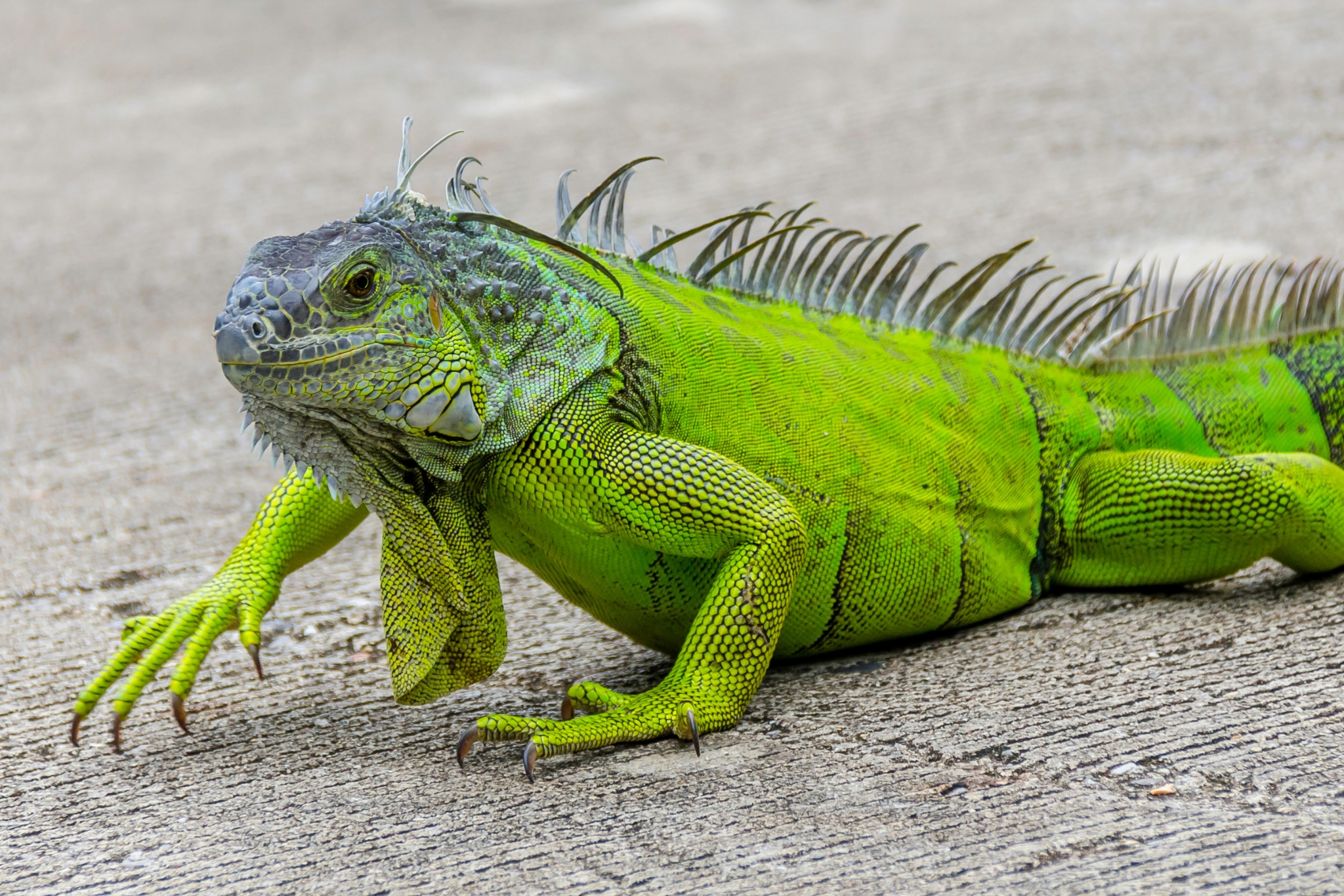
Green iguanas typically live between 10 and 20 years in captivity when properly cared for. In exceptional cases, some individuals can reach their mid-20s, though this is less common.
In the wild, however, green iguanas tend to have shorter lifespans—often around 8 to 10 years—due to predators, disease, and environmental pressures.
This contrast highlights just how important proper husbandry is. With the right care, nutrition, and environment, a pet iguana can live significantly longer and healthier than its wild counterparts.
Iguana Lifespan by Species
Not all iguanas have the same lifespan—longevity can vary significantly by species. Here’s a quick breakdown:
- Green Iguana (Iguana iguana): the most common pet iguana, typically living 10 to 20 years in captivity, sometimes longer with excellent care
- Blue Iguana (Cyclura lewisi): among the longest lived, reaching 25 to 40 years, though they are rarely kept as pets
- Desert Iguana (Dipsosaurus dorsalis): usually lives around 10 to 15 years
- Rhinoceros Iguana (Cyclura cornuta): known for longevity, often living 20+ years in captivity
- Spiny-Tailed Iguanas (Ctenosaura species): generally have a lifespan of 10 to 15 years
- Fiji Banded Iguana (Brachylophus fasciatus): a striking, smaller species that typically lives around 10 to 15 years in captivity, though they are less commonly kept and require specialized care
For most pet owners, the green iguana is the species they’re considering, and it will be the primary focus throughout this guide.
Factors That Determine How Long Your Iguana Lives
1. Diet and Nutrition
Diet is arguably the single biggest factor in iguana longevity. Green iguanas are strict herbivores, and feeding them the wrong foods—especially animal protein—can lead to fatal kidney disease over time.
A healthy iguana diet consists of:
- Leafy greens – like ollard greens, mustard greens, and dandelion greens
- Vegetables – including bell peppers, squash, and carrots
- Occasional fruits as a treat – no more than 10% to 15% of the diet
Calcium supplementation is also critical to prevent metabolic bone disease, which unfortunately is one of the most common causes of premature death in captive iguanas.
2. UVB Lighting
Iguanas require UVB light to synthesize vitamin D3 and properly metabolize calcium. Without adequate UVB exposure, iguanas develop metabolic bone disease (MBD), a debilitating and often fatal condition.
A high-output UVB bulb (such as a T5 HO 10.0) should be provided for 10 to 12 hours per day, and bulbs should be replaced every 6 to 12 months even if they still emit visible light.
Natural, unfiltered sunlight is even better when safely accessible.
3. Temperature and Enclosure Quality
As ectotherms (cold blooded animals), iguanas rely entirely on their environment to regulate body temperature. Proper thermoregulation is essential for digestion, immune function, and overall health.
Iguana Enclosure Temperature Requirements
Enclosures should also be large enough to accommodate an adult iguana, which can reach 5 to 7 feet in length. Cramped living conditions cause chronic stress, which directly shortens lifespan.
4. Hydration
Iguanas need consistent access to fresh water for both drinking and humidity regulation. Many iguanas prefer drinking from water droplets on leaves or enclosure walls rather than a standing bowl, so misting the enclosure daily is highly recommended.
Chronic dehydration is linked to kidney failure, a leading cause of death in pet iguanas.
5. Veterinary Care
Routine veterinary checkups with an exotic animal vet that has reptile experience is essential. Annual wellness exams can catch early signs of kidney disease, parasites, infections, and reproductive issues.
Female iguanas, in particular, are prone to follicular stasis (a condition where eggs fail to pass), which can be life threatening without prompt veterinary intervention.
6. Stress Levels
Green iguanas are sensitive animals that can suffer from chronic stress due to improper handling, loud environments, inadequate hiding spaces, or territorial disputes.
Long term stress suppresses the immune system and leads to a significantly shorter life. Giving your iguana a secure, enriching environment with appropriate hiding spots and minimal disturbance is key.
7. Genetics and Origin
Where your iguana comes from matters. Wild caught iguanas are generally more stressed, more parasite laden, and harder to acclimate to captivity than captive bred individuals. Whenever possible, purchase from a reputable breeder who raises captive bred animals.
Signs of a Healthy, Long Living Iguana
Understanding what a healthy iguana looks like is key to catching potential issues early.
Signs of a Thriving Iguana
Recognizing these baseline signs makes it much easier to notice subtle changes that could indicate a developing health problem.
Common Health Problems That Shorten Iguana Lifespan
Even with excellent care, pet iguanas can still face health challenges. Some of the most common conditions that can shorten their lifespan include:
- Metabolic Bone Disease (MBD): Often caused by inadequate calcium intake and lack of proper UVB lighting. It leads to weakened, deformed bones and can progress to paralysis if not addressed.
- Kidney (Renal) Failure: Frequently linked to chronic dehydration or diets too high in protein. This is one of the leading causes of death in pet iguanas.
- Parasites: Internal parasites are especially common in wild caught iguanas. Routine fecal exams can help detect and treat infestations early.
- Respiratory Infections: Typically the result of low temperatures or improper humidity levels. Signs include wheezing, mucus discharge, and lethargy.
- Follicular Stasis: A serious reproductive condition in females where eggs are not properly laid, often requiring veterinary—and sometimes surgical—intervention.
Staying proactive with proper husbandry and regular veterinary care is key to preventing or managing these conditions early.
How to Help Your Iguana Live as Long as Possible
To help your pet iguana live a long, healthy life, focus on these core care fundamentals:
- Provide a balanced, plant-based diet with appropriate calcium supplementation
- Use high quality UVB lighting on a consistent daily schedule to support bone health
- Maintain proper temperature gradients throughout the enclosure for digestion and metabolism
- Ensure consistent hydration through fresh water and regular misting
- Schedule annual checkups with an exotic animal veterinarian
- Handle your iguana gently and regularly to reduce stress and encourage socialization
- Create a spacious, enriching habitat that allows for natural behaviors like climbing, basking, and exploring
Strong, consistent husbandry is the single most important factor in maximizing your iguana’s lifespan and overall well-being.
Is an Iguana the Right Pet for You?
With a potential lifespan of 15 to 20 years or more, adopting a pet iguana is a true long term commitment—comparable to bringing a dog or cat into your life.
Before making that decision, it’s important to honestly evaluate whether you can provide the specialized care they require, including proper diet, UVB lighting, adequate space, routine veterinary care, and consistent daily attention over many years.
Iguanas that lack proper care or are frequently rehomed often have significantly shorter lifespans—but the encouraging reality is that with the right knowledge, preparation, and consistency, pet iguanas can grow into a healthy, thriving companion for decades.
Iguanas are a Long Term Commitment
So, how long do pet iguanas live? With proper care, a green iguana can realistically live 10 to 20 years or more.
The most important factors—diet, UVB lighting, temperature, hydration, and veterinary care—are all within your control. Consistently meeting these needs is the single most effective way to support both your iguana’s lifespan and overall quality of life.
Whether you’re new to reptile care or a seasoned herpetoculturist, the effort you invest in proper husbandry pays off in the form of a long, healthy, and rewarding relationship with your iguana.