10 Best & Healthiest Vegetables for Bearded Dragons
Not all veggies are safe for bearded dragons. Learn which ones are the healthiest, which to avoid, and how to build a balanced diet for your lizard.
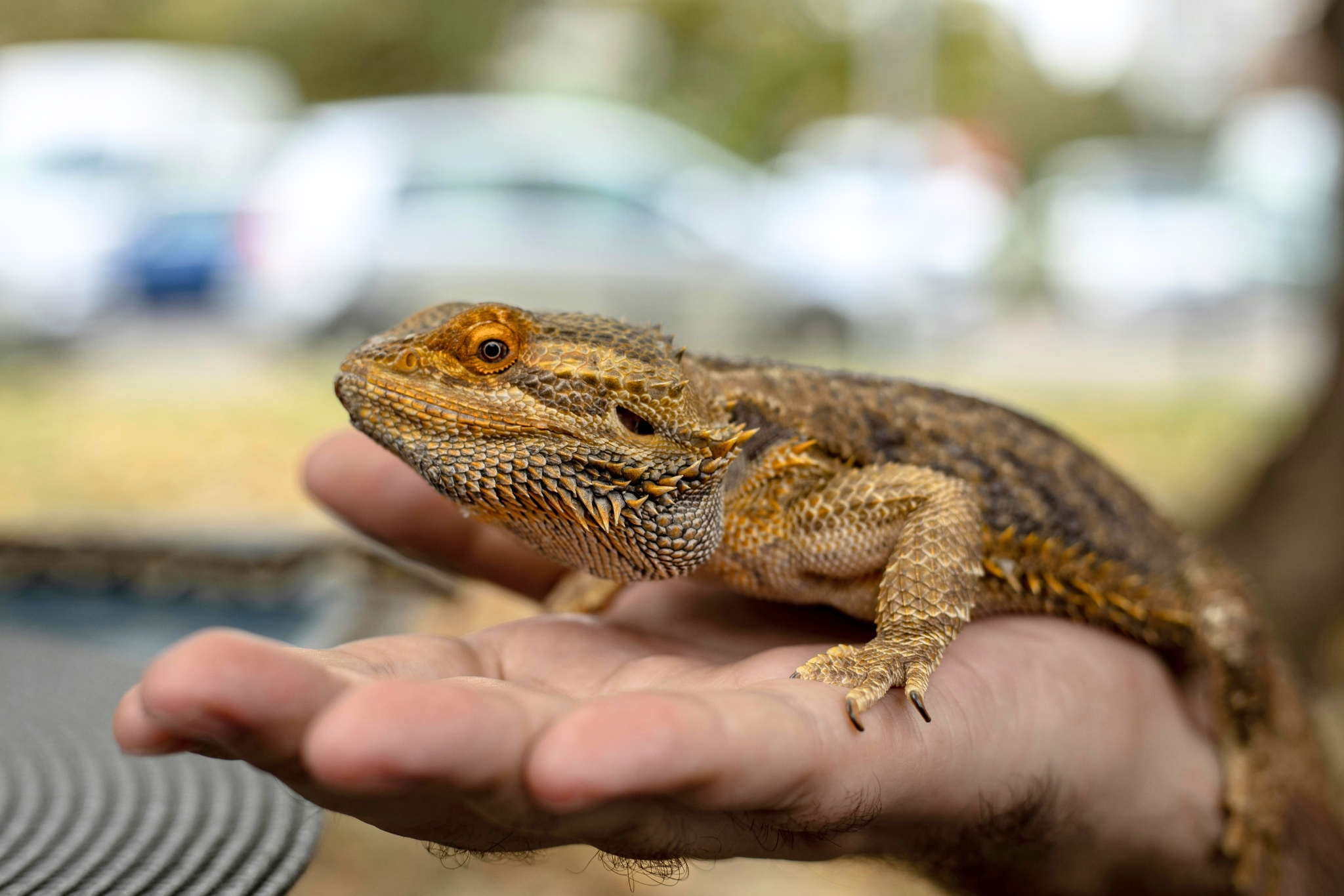
If you’ve got a bearded dragon, you know diet is everything when it comes to keeping your scaly friend healthy and thriving. While young dragons thrive on live insects, adult beardies should get the bulk of their calories—around 75% to 80% from veggies and leafy greens.
Not all veggies are created equal, though. Some are nutritional superstars, while others can actually do more harm than good if fed too often or in the wrong amounts.
We’ll dive into the healthiest veggies, find out why they’re so good for your dragon, and show you how to safely add them to their daily meals for a happy, thriving scaly friend.
Why Vegetables Matter for Bearded Dragons
Bearded dragons are omnivores native to the semi-arid regions of Australia. In the wild, they graze on a wide variety of leafy plants, flowers, and vegetables. A captive diet that closely mirrors this natural variety is essential for:
- Strong bones and skeletal development (proper calcium to phosphorus ratio)
- Healthy digestion (fiber and water content)
- Immune function (vitamins A, C, and E)
- Hydration (moisture-rich vegetables to supplement water intake)
- Preventing metabolic bone disease, one of the most common and serious conditions in captive bearded dragons
The key to choosing the right vegetables comes down to their calcium to phosphorus ratio, oxalic acid content, and overall nutrient density.
The Best Vegetables for Bearded Dragons
1. Collard Greens — The Gold Standard
Collard greens are widely considered the single best leafy green for bearded dragons. They are rich in calcium, low in oxalic acid, and packed with vitamins A and C. Their calcium to phosphorus ratio is excellent—well above the preferred 2:1 benchmark—making them a staple that can be fed daily without concern.
Collard greens are also easy to find year round and highly palatable to most bearded dragons. Chop them finely and offer them raw for best results.
☆ Nutritional highlights: High calcium, high vitamin A, low oxalates, excellent Ca:P ratio
2. Mustard Greens — A Flavorful Favorite
Mustard greens are another top-tier staple for bearded dragons. They share a similar nutritional profile to collard greens—strong calcium levels, low oxalates, and an impressive vitamin content. Many bearded dragons actually prefer mustard greens due to their slightly pungent, peppery flavor.
Mustard greens are often recommended as part of a rotating leafy green base to ensure dietary variety. Feed raw and finely chopped, either alone or mixed with other approved vegetables.
☆ Nutritional highlights: High calcium, good vitamin C, appealing flavor, low oxalates
3. Turnip Greens — Nutrient Dense and Underrated
Turnip greens are one of the most nutrient dense greens you can offer your bearded dragon, yet they are often overlooked in favor of more well-known options. They are exceptionally high in calcium, rich in vitamins A, C, and K, and contain low levels of oxalic acid.
Like collard and mustard greens, turnip greens can be offered as a daily staple. They work particularly well when mixed with other greens to create a varied and appetizing salad.
☆ Nutritional highlights: Very high calcium, vitamins A, C, and K, low oxalates
4. Dandelion Greens — Wild and Wonderful
Dandelion greens are a natural, highly nutritious option that mirrors what a wild bearded dragon might forage in its environment. They are rich in calcium, vitamins A and C, and offer beneficial prebiotic fiber that supports gut health.
If you are foraging dandelion greens from your yard or garden, make absolutely sure they have not been treated with pesticides, herbicides, or fertilizers. Organic or pesticide-free dandelion greens from a grocery store are a safer and more reliable option.
☆ Nutritional highlights: High calcium, vitamins A and C, prebiotic fiber, natural foraging appeal
5. Endive and Escarole — Hydrating and Nutritious
Endive and escarole are both members of the chicory family and make excellent additions to a bearded dragon’s diet. They have a high water content that helps keep your dragon hydrated, combined with solid calcium levels and vitamins A and K. Their slightly bitter taste may take some getting used to for picky eaters, but mixing them with more palatable greens usually does the trick.
☆ Nutritional highlights: High moisture content, calcium, vitamins A and K, easy to source
6. Butternut Squash — The Best Squash Option
Among squash varieties, butternut squash stands out as one of the best choices for bearded dragons. It is rich in beta-carotene (which converts to vitamin A), contains fiber for digestive health, and has a naturally sweet flavor that most bearded dragons enjoy. It can be offered raw and grated into small pieces.
Avoid feeding too much butternut squash too frequently, as the sugar content is moderately higher than leafy greens. Offer it several times a week as part of a varied diet rather than as a daily staple.
☆ Nutritional highlights: High beta-carotene, vitamin A, fiber, palatable flavor
7. Bell Peppers — Colorful and Vitamin-Rich
Bell peppers—particularly red, yellow, and orange varieties—are excellent occasional vegetables for bearded dragons. They are loaded with vitamin C and beta-carotene and are very low in oxalic acid. Green bell peppers are a slightly inferior choice due to lower vitamin content, but they are still safe.
Bell peppers have a high water content and a satisfying crunch that many bearded dragons seem to enjoy. Remove the seeds before serving, and chop into small pieces appropriate for your dragon’s size.
☆ Nutritional highlights: High vitamin C, beta-carotene, low oxalates, hydrating
8. Acorn Squash — A Nutritious Seasonal Treat
Acorn squash is another great squash option, similar in benefits to butternut squash. It offers vitamin A, vitamin C, and a good amount of fiber. Like butternut squash, it is best offered a few times per week rather than every day. Serve raw and finely grated or chopped into very small pieces.
☆ Nutritional highlights: Vitamins A and C, fiber, seasonal availability
9. Snap Peas and Green Beans — Crunchy Protein Boosters
Snap peas and green beans offer a combination of plant based protein, fiber, and vitamins that complement a leafy green heavy diet. They should not make up the majority of a meal but serve as excellent toppers and variety additions. Offer them raw, and avoid any canned versions that may contain salt or preservatives.
☆ Nutritional highlights: Plant protein, fiber, vitamins C and K, satisfying texture
10. Cilantro and Parsley — Herb Toppers That Add Flavor and Nutrition
Fresh herbs like cilantro and parsley are fantastic additions to your bearded dragon’s salad bowl. Both are nutritious, safe in moderate amounts, and often help picky eaters take interest in their vegetables. Cilantro is particularly high in vitamins A and K. Parsley is nutrient dense but contains moderate oxalates, so it should be rotated rather than fed daily.
☆ Nutritional highlights: Vitamins A, C, and K, appealing aroma, appetite stimulant
Vegetables to Limit or Avoid
While the vegetables above are safe and beneficial, several commonly available vegetables should be fed only occasionally or avoided entirely:
- Spinach and beet greens — High in oxalic acid, which binds calcium and can contribute to kidney stones and metabolic bone disease if fed regularly
- Kale — Contains goitrogens that can interfere with thyroid function in large amounts; fine occasionally but not as a staple
- Iceberg lettuce — Almost no nutritional value and high water content can cause loose stools
- Avocado — Toxic to bearded dragons and should never be fed
- Onions and garlic — Toxic; never feed
- Rhubarb — Highly toxic due to oxalic acid; never feed
- Wild caught plants — Any plant foraged from an unknown environment carries pesticide and herbicide risk
How to Serve Vegetables to Your Bearded Dragon
The way you prepare and serve vegetables matters just as much as which ones you choose:
- Chop finely. All vegetables should be chopped into pieces no larger than the space between your dragon’s eyes. This prevents choking and makes eating easier, especially for juveniles.
- Serve raw. Raw vegetables retain more nutritional value than cooked ones. Avoid steaming, boiling, or microwaving.
- Rotate your greens. No single vegetable, no matter how nutritious, should be the only thing on the menu. Rotating through a variety of approved vegetables ensures a broader spectrum of nutrients and prevents dietary imbalances.
- Dust with calcium. Even calcium-rich vegetables benefit from a light dusting of calcium powder without vitamin D3 on most feedings. Vitamin D3 supplementation should be given less frequently to avoid toxicity.
- Wash thoroughly. Always wash all vegetables under running water before serving to remove pesticide residues and bacteria.
Building the Perfect Bearded Dragon Salad
A Simple Daily Salad for Your Dragon
- 50% to 60% Base Greens: Collard, mustard, turnip greens, etc.—rotate daily or weekly
- 20% to 30% Variety Greens: Dandelion, endive, escarole, a touch of cilantro, etc.
- 10% to 20% Veggies: Butternut squash, bell pepper, snap peas, acorn squash, etc.
- Top it Off: A light dusting of calcium
This combo keeps your beardie’s diet balanced, supporting strong bones, a healthy immune system, good digestion, and proper hydration.
Quick Tips:
- Chop veggies finely for easy munching
- Wash all produce thoroughly
- Rotate greens to keep mealtime exciting
- Offer a small portion of fruit occasionally for variety, not daily
- Observe your dragon—preferences may vary, but nutrition comes first
Frequently Asked Questions
Can bearded dragons eat vegetables every day?
Absolutely! For adult bearded dragons, vegetables and leafy greens should make up the bulk of their daily diet, ideally 70% to 80% of total intake.
What’s the single best vegetable for a bearded dragon?
Collard greens take the crown. They’re high in calcium, low in oxalates, and packed with vitamin A, making them an ideal staple.
Do bearded dragons need fruits in addition to vegetables?
Fruits are a treat, not a staple. Offer them only once or twice per week due to their high sugar content. Always let vegetables and leafy greens take priority.
How do I get a picky bearded dragon to eat vegetables?
Mix veggies with a favorite food—a tiny piece of fruit or an insect can work wonders. You can also sprinkle herb toppers like cilantro or chopped squash over greens to make the salad more enticing.
the bottom line
Feeding your bearded dragon a varied, vegetable-rich diet is one of the most impactful things you can do for their health and longevity.
By prioritizing calcium-rich staple greens like collard greens, mustard greens, and turnip greens, supplementing with colorful vegetables like bell peppers and butternut squash, and avoiding high-oxalate or toxic foods, you can give your beardie the nutritional foundation they need to thrive for 10 to 15 years or more.
When in doubt, consult a reptile specialized veterinarian for personalized dietary guidance—especially if your bearded dragon is showing signs of lethargy, soft bones, or appetite loss, which can indicate dietary deficiencies.