Are Cows Right for Your Homestead? Here’s How to Decide
Cows can be a homestead dream — if you’re ready. Get the honest breakdown on land, time, and budget before bringing one home.
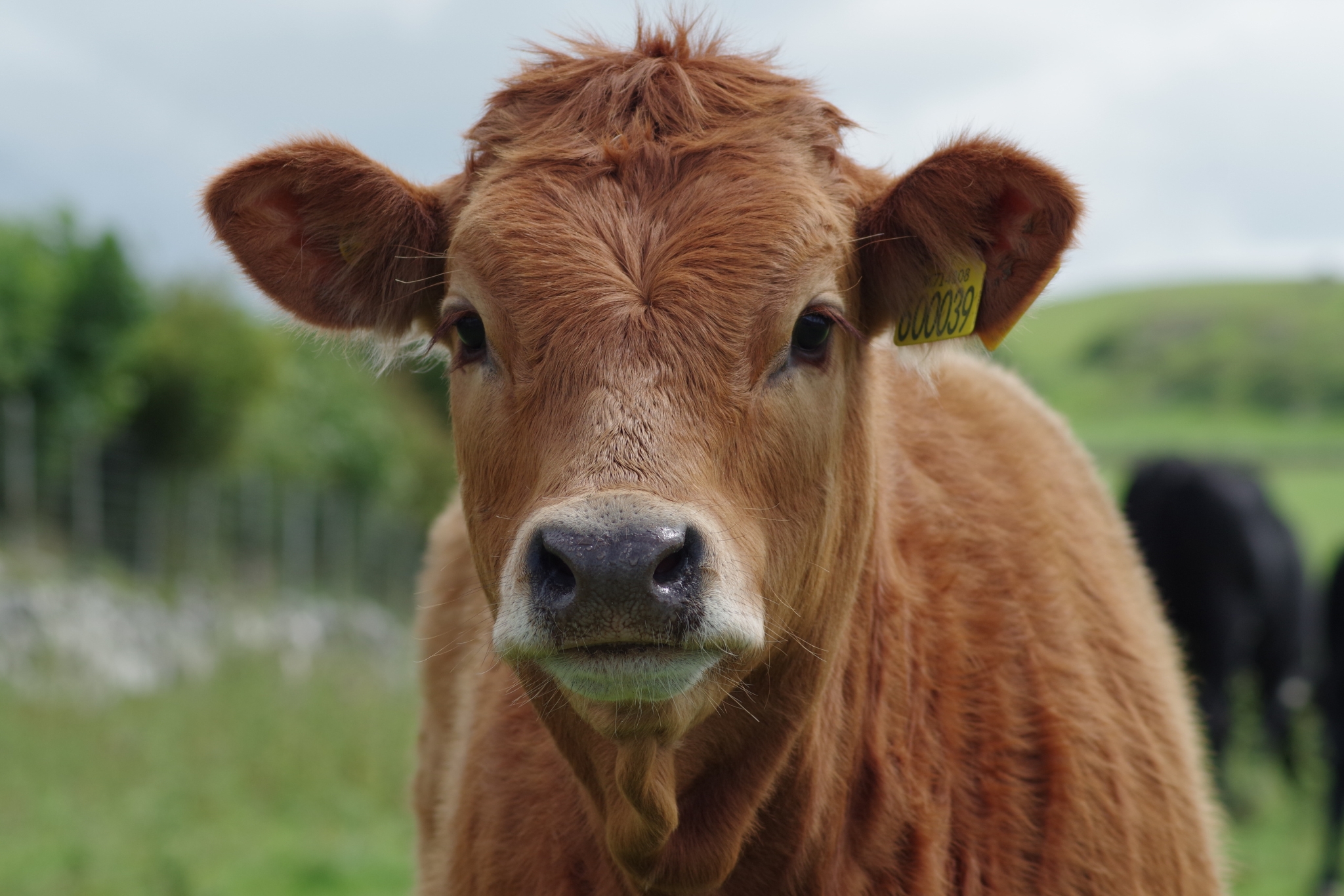
There’s something undeniably charming about the idea of raising your own cows—the peaceful image of a few cows grazing in the pasture, fresh milk in the kitchen, and a freezer filled with food you raised yourself. It’s easy to see why cows are such a beloved part of the homesteading dream.
But before you fall in love with the idea of owning cattle, it’s worth taking a closer look at the reality.
Cows are incredible animals, but they’re also a major commitment that requires space, time, resources, and thoughtful planning. They’re not a spur of the moment purchase—they’re a long term responsibility.
If you’re wondering whether cows are the right fit for your farm or homestead, here’s a straightforward guide to understanding what ownership really looks like and deciding if it’s the right next step for you.
First Things First How Much Land Do You Actually Have?
Cows need room to graze, explore, and do what cows do best—and a “big backyard” usually isn’t quite enough. As a general guideline, plan on about 1 to 2 acres of quality pasture per cow, but the right amount depends heavily on your location, rainfall, soil, and the type of grass your land can produce.
If you’re lucky enough to live somewhere with rich pasture and plenty of rain, your land may be able to support cattle on fewer acres. But in drier climates, keeping up with a cow’s nutritional needs can look very different. Limited grass growth may mean planning for more space, improving your pasture, or having a reliable hay supply ready.
The land you have plays a big role in the kind of cattle setup you can create—so it’s worth taking a realistic look before bringing home your first cow.
A helpful reality check: if your land can’t reliably produce enough grass throughout the year, owning cattle means planning for more than just pasture—you’re also planning for a steady hay supply. It’s an ongoing commitment, so it’s worth understanding the costs and logistics before the first cow ever steps onto your property.
Dairy, Beef, or Dual-Purpose? Pick Your Cow Path
Not all cows are the same, and the best breed for your homestead really comes down to what you hope to do with them. Your goals—milk, meat, or a little bit of both—should guide your choice:
Dairy Cows
Dairy cows (like Jersey, Guernsey, or mini Jersey) are perfect if your dream includes fresh milk, homemade butter, cream, or cheese. But dairy cows come with a very real daily commitment: they need to be milked twice a day, every day. A long weekend away or a slow morning in bed requires a plan and someone you trust to step in.
Jerseys are especially popular with small homesteads because they’re smaller, often gentle in nature, and produce rich, high-butterfat milk without the huge volume of a full-size dairy breed.
Beef Cows
Beef cows (such as Angus, Hereford, or Highland) are typically easier to manage day to day because there’s no milking schedule. They’re bred to efficiently turn pasture into meat and can be a great fit for families looking to fill their freezer.
Dual-Purpose Breeds
Dual-purpose breeds (with Dexter being a popular homestead favorite) offer a middle ground. These smaller cows can provide family milk while still producing a useful amount of beef. Dexters, in particular, have earned a following among homesteaders for their compact size, hardy nature, and generally easygoing personalities.
Keep in mind that the perfect cow isn’t necessarily the most popular breed or the one everyone else is raising. The best choice is the one that fits your daily routine, your land, and what you hope to create on your homestead.
The Real Talk Time, Money, and Daily Commitment
This is the part where the dreamy pasture picture meets the day to day reality of keeping cattle. Cows are wonderful animals, but they come with real responsibilities that are worth understanding before bringing one home.
⏰ Time Commitment
A dairy cow is a true daily commitment—twice a day milking, every day, regardless of the weather, your schedule, or whether you’re having a busy week. Beef cattle may not require milking, but they still need regular check-ins for water, fencing, health, and overall well-being.
It’s also important to remember that cows are social animals. They’re happiest and healthiest with companionship, which means the idea of owning “just one cow” may not always be the best fit.
💰 Financial Commitment
The purchase price is only the beginning. Plan for proper cow-proof fencing, shelter or shade, hay for winter or dry seasons, minerals, veterinary care, hoof trimming, and other ongoing expenses.
Many first time owners are surprised by how quickly the costs add up. That homemade milk or home raised beef may be incredibly rewarding, but it’s important to understand the full investment behind it.
🏡 Infrastructure Needs
Before your cow arrives, you’ll need the basics in place: secure fencing, reliable access to water, and protection from extreme weather. Cows are hardy animals, but they still depend on you for a safe, comfortable environment.
A successful setup isn’t just about having the animal—it’s also about having the systems in place to care for them well.
Questions to Ask Before You Buy
Before making the leap into cattle ownership, take an honest look at your setup, your schedule, and what you’re truly ready to take on.
Ask yourself:
- Do I have enough reliable pasture, or does my hay budget realistically cover what my cows will need?
- If I’m choosing dairy, am I prepared for a twice daily milking routine with no real “days off”?
- Can I provide companionship, knowing cows are herd animals and usually do best with another cow?
- Do I already have secure fencing and shelter, or have I planned for the cost and work to put them in place?
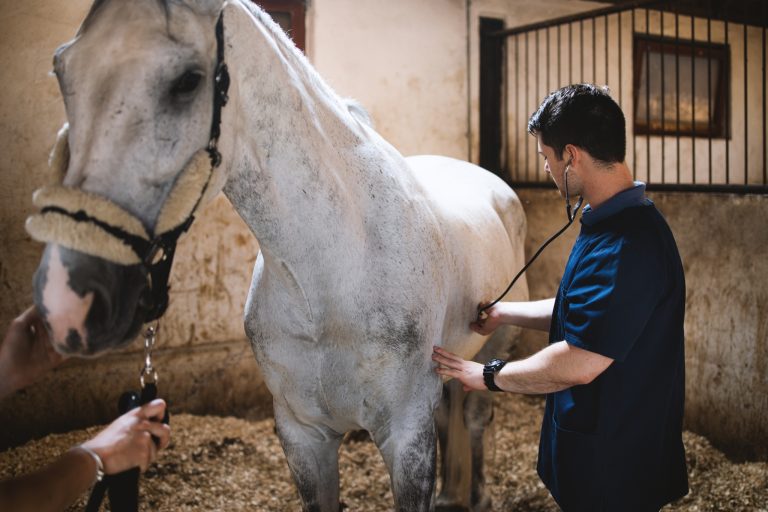
- Do I have access to a large animal veterinarian who works with cattle in my area?
- Am I comfortable with the full responsibility and purpose of raising beef cattle?
If you found yourself confidently answering yes to most of these, cows may be a wonderful fit for you. If a few questions made you pause, that’s useful information—not a reason to give up on the dream.
Many successful homesteaders start smaller, learning the rhythms of animal care with goats, chickens, or other livestock before expanding. Building the right foundation first will make the journey much more enjoyable when the time comes to add cattle.
The Bottom Line
Cows are not usually the first step into homesteading—they’re usually the next chapter, once you have your land, fencing, daily routines, and animal care experience in place.
But with the right preparation and commitment, raising cattle can be incredibly rewarding. There’s something special about providing your own food, caring for these animals, and seeing them become part of the rhythm of your homestead.
Fresh milk, home raised beef, and the peaceful sight of a cow grazing in your pasture at the end of the day—that’s the homestead dream many people imagine. Just make sure the reality behind the dream is one you’re fully prepared to embrace.