How to Keep Pet Chickens in Your Backyard
Keeping backyard chickens has become increasingly popular among homeowners seeking fresh eggs, natural pest control, and the joy of raising farm animals. Whether you’re a complete beginner or considering adding chickens to your urban or suburban property, this guide covers everything you need to know about keeping chickens in your backyard.
Why Keep Backyard Chickens?
Benefits of Raising Chickens at Home
Backyard chickens offer numerous advantages beyond the obvious benefit of fresh eggs:
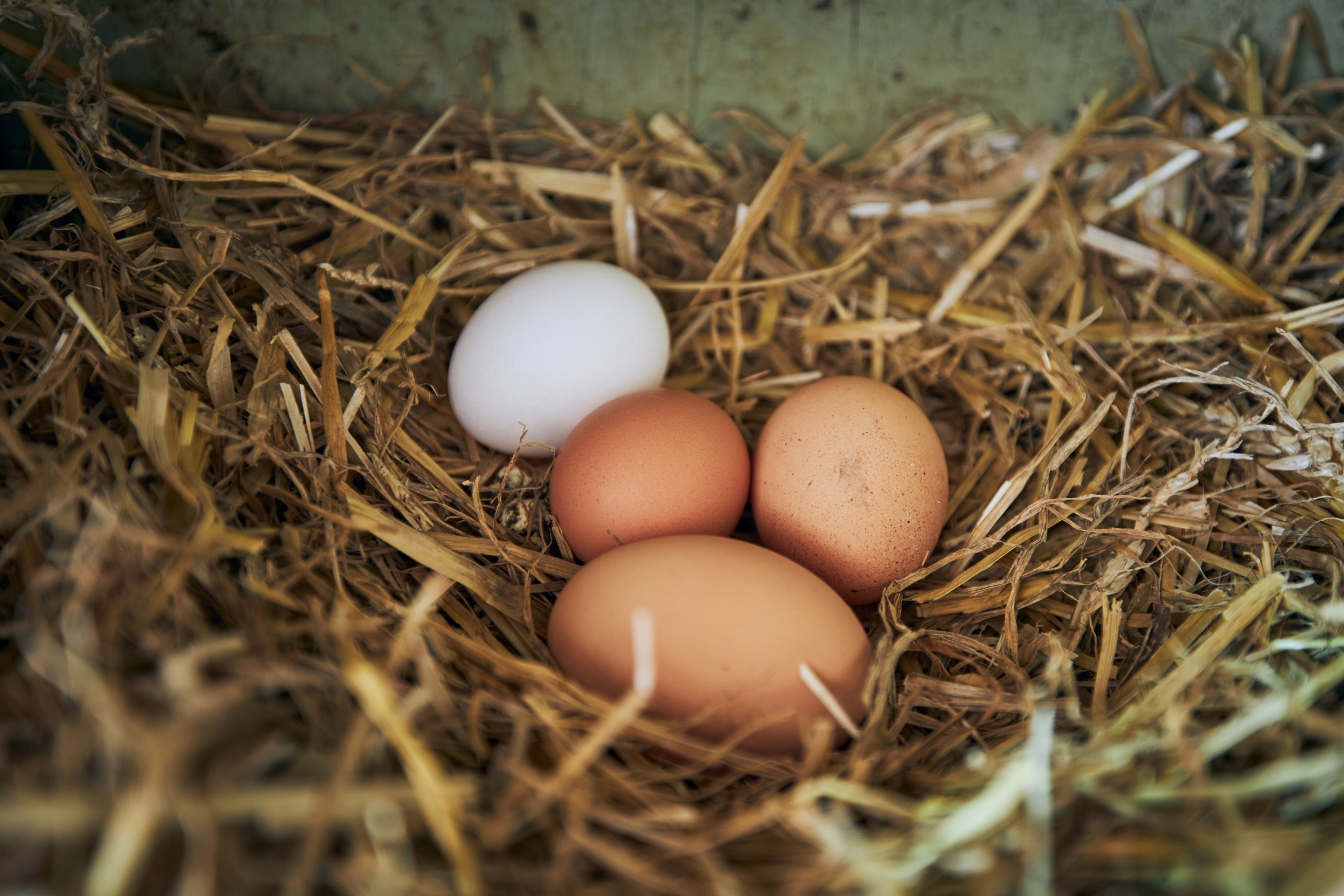
Fresh Organic Eggs Daily: A healthy laying hen produces 4 to 6 eggs per week, giving your family access to nutritious, farm fresh eggs right from your backyard. Home raised eggs often have richer yolks and better flavor than store bought alternatives.
Natural Pest Control: Chickens are excellent foragers that eat insects, grubs, ticks, and other garden pests. They’ll help keep your yard free of unwanted bugs while fertilizing your soil naturally.
Sustainable Living: Raising backyard chickens reduces your carbon footprint by eliminating the transportation and packaging associated with commercial egg production. Chickens also convert kitchen scraps into valuable compost and manure for your garden.
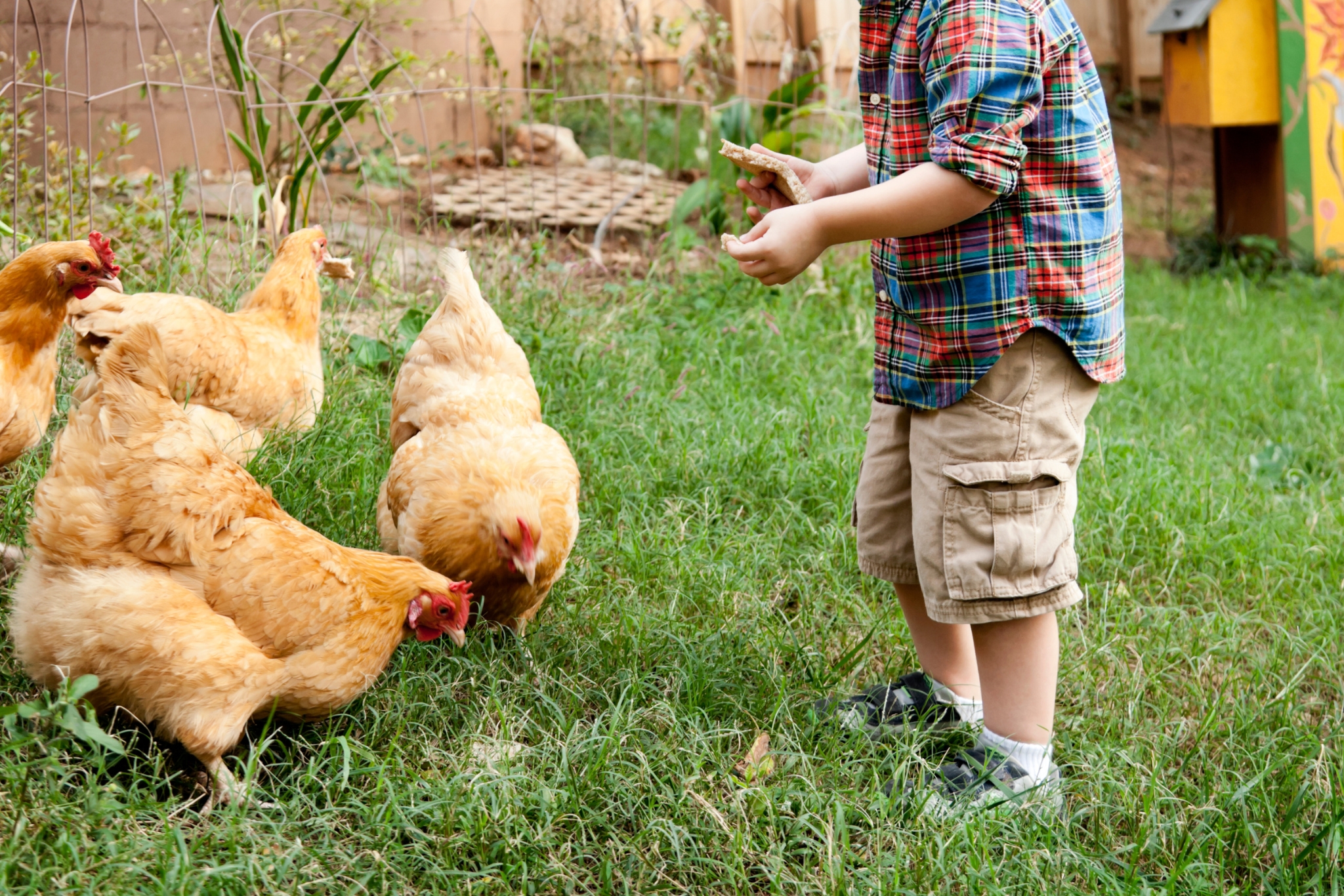
Educational Experience: Children learn responsibility, animal care, and where food comes from by participating in daily chicken care routines.
Companionship: Chickens have distinct personalities and can become surprisingly affectionate pets. Many chicken keepers find their flocks entertaining and therapeutic to watch.
Getting Started: What You Need to Know Before Buying Chickens
Check Local Regulations and Zoning Laws
Before purchasing your first chickens, research your local ordinances regarding backyard poultry. Many municipalities have specific regulations about:
- Number of chickens allowed per property
- Minimum distance from property lines and neighbors
- Rooster restrictions (many areas prohibit roosters due to noise)
- Coop construction requirements
- Required permits or licenses
Contact your city hall, homeowners association, or county extension office to verify that backyard chickens are permitted in your area.
How Many Chickens Should You Get?
For beginners, starting with 3 to 6 hens is ideal. This number provides:
- Enough eggs for a small family (about 15 to 30 eggs per week)
- Social interaction for the birds
- Manageable maintenance and costs
- Built-in redundancy if a hen stops laying or becomes ill
PRO TIP: Chickens are social animals and should never be kept alone. Keeping at least three ensures healthy flock dynamics and social interaction.
Choosing the Right Chicken Breeds for Your Backyard
Different chicken breeds excel in different areas. Consider these popular backyard chicken breeds:
Best Egg Laying Breeds:
- Rhode Island Reds: Hardy, friendly, produce 250 to 300 brown eggs annually
- Leghorns: Prolific white egg layers, producing up to 320 eggs per year
- Plymouth Rocks: Docile, cold hardy, lay 200+ brown eggs yearly
- Australorps: Gentle disposition, excellent brown egg production
Best Dual Purpose Breeds:
- Orpingtons: Friendly, broody, good layers and meat birds
- Wyandottes: Beautiful, cold hardy, consistent layers
- Sussex: Curious, good foragers, reliable egg production
Best Breeds for Families with Children:
- Silkies: Fluffy, gentle, great with kids (though they lay smaller eggs)
- Cochins: Large, docile, easy to handle
- Brahmas: Calm friendly giants of the chicken world
Essential Backyard Chicken Coop Requirements
Coop Size and Design
Your chicken coop serves as your flock’s bedroom and nesting area. Proper sizing is critical for healthy happy chickens:
Minimum Space Requirements:
- 2 to 4 square feet per chicken inside the coop
- 8 to 10 square feet per chicken in the outdoor run
- One nesting box per 3 to 4 hens (12x12x12 inches minimum)
- 8 to 12 inches of roosting bar space per chicken
Essential Backyard Chicken Coop Features:
- Ventilation: Adequate airflow prevents respiratory issues and removes moisture without creating drafts. Install vents near the roofline to allow hot air and ammonia to escape.
- Predator Protection: Use hardware cloth (not chicken wire) with ½ inch or smaller openings on all windows and vents. Bury fencing 12 inches deep or extend it outward to prevent digging predators. Install secure latches that raccoons cannot open.
- Nesting Boxes: Place nesting boxes 2 to 3 feet off the ground in a quiet dark area of the coop. Fill with soft bedding like straw or wood shavings.
- Roosting Bars: Install roosting bars higher than nesting boxes (chickens prefer to sleep at the highest point). Use rounded edges or 2×4 boards positioned wide-side up for comfortable perching.
- Easy Cleaning Access: Include removable dropping boards beneath roosts and large doors for complete cleaning access.
- Weather Protection: Insulate for extreme climates, ensure the coop is waterproof, and provide adequate shade in the run area.
Outdoor Run Considerations
A secure outdoor run allows chickens to exhibit natural behaviors safely:
- Cover the run with netting or hardware cloth to protect from aerial predators (like hawks and owls)
- Provide dust bathing areas with sand or fine dirt
- Include enrichment like perches, logs, and hanging treats
- Consider movable “chicken tractors” for fresh grazing areas
- Plant chicken-safe vegetation for shade and foraging
Daily Care and Maintenance for Backyard Chickens
Feeding Your Backyard Flock
Complete Layer Feed: High quality commercial layer feed should comprise 80 to 90% of your chickens’ diet. Look for feeds with 16 to 18% protein for laying hens.
Calcium Supplementation: Provide crushed oyster shells or eggshells in a separate container to support strong eggshell production.
Grit: Chickens need insoluble grit (small stones) to grind food in their gizzards. Free ranging chickens usually find adequate grit naturally, but confined chickens need it supplemented.
Treats and Kitchen Scraps: Offer treats sparingly (no more than 10% of diet). Safe treats include:
- Vegetables like leafy greens, squash, cucumbers, etc.
- Fruits like berries, melons, apples without seeds, etc.
- Grains like cooked rice, oats, corn, etc.
- Mealworms and other protein sources
Avoid These Toxic Foods:
- Chocolate, coffee, and caffeine
- Avocado (skin and pit)
- Green potatoes and tomato leaves
- Dried or uncooked beans
- Moldy or spoiled food
- Salty or sugary processed foods
Water Requirements
Chickens need constant access to clean fresh water. A single hen drinks approximately one pint of water daily (more in hot weather).
- Use waterers that prevent contamination from droppings
- Clean and refill waterers daily
- Prevent freezing in winter with heated bases or frequent water changes
- Position waterers in shaded areas during summer
Daily Chicken Care Checklist
Morning Routine (15 to 20 minutes):
- Open coop door and release chickens
- Check food and water levels, refill as needed
- Collect eggs
- Observe flock for signs of illness or injury
- Quick visual check of coop and run
Evening Routine (10 to 15 minutes):
- Ensure all chickens have returned to roost
- Close and secure coop door
- Collect any remaining eggs
- Top off food and water if needed
Weekly Tasks:
- Deep clean waterers and feeders
- Remove droppings from roosting areas
- Add fresh bedding to nesting boxes
- Inspect run and coop for damage or predator attempts
- Health check each bird
Monthly/Seasonal Tasks:
- Full coop cleaning and fresh bedding
- Inspect for parasites and treat if necessary
- Check and maintain equipment
- Trim overgrown vegetation around coop
- Winterize or prepare coop for seasonal changes
Understanding Chicken Health and Common Issues
Recognizing Signs of a Healthy Chicken
- Bright alert eyes
- Red, full comb and wattles
- Smooth glossy feathers
- Active and curious behavior
- Regular eating and drinking
- Consistent egg production (during laying season)
- Normal droppings (firm with white cap)
Common Backyard Chicken Health Problems
Parasites: External parasites (like mites and lice) and internal parasites (worms) are common. Provide dust bathing areas, inspect birds regularly, and treat with appropriate medications when necessary.
Respiratory Infections: Symptoms include sneezing, nasal discharge, and reduced activity. Ensure proper ventilation and separate sick birds immediately.
Egg Binding: A hen unable to pass an egg requires immediate attention. Warm baths and gentle massage may help, but veterinary care is often necessary.
Bumblefoot: Bacterial infection of the foot pad, often caused by rough perches or jumping from excessive heights. Prevention through proper coop design is key.
Molting: Annual feather loss and regrowth is normal (typically occurring in fall). Egg production decreases or stops during molting. Provide extra protein to support feather regrowth.
Finding a Veterinarian for Your Chickens
Locate a poultry experienced veterinarian before emergencies arise. Many small animal vets don’t treat chickens, so search for:
- Avian veterinarians
- Large animal or farm vets
- Extension services with poultry specialists
Egg Production: What to Expect
When Do Chickens Start Laying Eggs?
Most hens begin laying between 18 to 24 weeks of age, though this varies by breed. Factors affecting onset of laying include:
- Season – spring hatched chicks begin laying sooner
- Breed – production breeds lay earlier than heritage breeds
- Nutrition and health
- Daylight hours
Maximizing Egg Production
Lighting: Hens need 14 to 16 hours of daylight to maintain consistent laying. Consider adding supplemental lighting during winter months, though some keepers prefer allowing natural seasonal breaks.
Nutrition: Quality layer feed with adequate calcium supports strong eggshells and consistent production.
Stress Reduction: Minimize disturbances, maintain flock harmony, and provide adequate space to optimize laying.
Age Considerations: Peak production occurs during the first two years (then gradually decreases). Most hens continue laying for 5 to 8 years, though at reduced rates.
Collecting and Storing Fresh Eggs
- Collect eggs at least once daily (twice in extreme temperatures)
- Eggs can be stored on the counter for 2 to 3 weeks if unwashed (natural bloom protects them)
- Refrigerated eggs last 4 to 6 weeks
- Wash eggs just before use, not before storage
- Properly stored eggs should pass the float test (fresh eggs sink)
Seasonal Care for Backyard Chickens
Winter Chicken Care
Cold Weather Preparations:
- Ensure draft free (but well-ventilated) coop
- Provide extra bedding for insulation
- Use heated water bases to prevent freezing
- Feed additional corn before bedtime (generates body heat during digestion)
- Apply petroleum jelly to combs and wattles in extreme cold to prevent frostbite
- Collect eggs frequently to prevent freezing
Chickens tolerate cold better than heat. Most breeds handle temperatures well below freezing with proper shelter.
Summer Chicken Care
Hot Weather Management:
- Provide multiple water stations and check frequently
- Ensure adequate shade in run area
- Offer frozen treats (like frozen fruits or ice blocks with treats inside)
- Increase ventilation in coop
- Avoid handling chickens during hottest parts of day
- Provide dust bathing areas for natural cooling
Watch for signs of heat stress: panting, wings held away from body, lethargy, or reduced eating.
Cost of Keeping Backyard Chickens
Initial Setup Costs
- Coop and Run: $300 to $2,000 (DIY options significantly reduce costs)
- Chickens: $3 to $30 per bird (varies by breed and age)
- Feeders and Waterers: $30 to $100
- Bedding and Initial Supplies: $50 to $100
- Total Initial Investment: $400 to $2,500+
Ongoing Monthly Costs
- Feed: $15 to $30 per month for 4 to 6 chickens
- Bedding: $10 to $30 per month
- Treats and Supplements: $5 to $15 per month
- Total Monthly Cost: $30 to $75
While the initial investment is significant, backyard chickens often pay for themselves through egg production within 1 to 2 years, depending on your setup costs and local egg prices.
Legal and Social Considerations
Being a Good Neighbor with Backyard Chickens
- Maintain a clean odor free coop through regular cleaning
- Control rodents and pests attracted to feed
- Manage noise (hens are generally quiet, but no roosters in urban areas)
- Prevent chickens from entering neighbors’ yards
- Share fresh eggs as goodwill gestures
- Address concerns promptly and respectfully
Vacation and Travel Planning
Plan for chicken care during absences:
- Arrange reliable pet sitters or neighbor help
- Consider automatic feeders and waterers for short trips
- Ensure caretakers understand daily routines
- Leave emergency contact information for your vet
Most chickens do fine for a day or two with extra food and water, but daily care is ideal.
Common Beginner Mistakes to Avoid
- Buying Too Many Chickens: Start small and expand once you’re comfortable with the routine
- Insufficient Predator Protection: Underestimating predators is the most common cause of flock losses. Invest in proper security from the start
- Poor Coop Ventilation: Respiratory issues arise from inadequate airflow (even in winter)
- Overcrowding: Too little space creates stress, increases disease risk, and reduces egg production
- Neglecting Water in Winter: Frozen water is life threatening; remember to check multiple times daily in freezing weather
- Introducing New Birds Improperly: Quarantine new chickens for 30 days and introduce gradually to prevent disease spread and pecking order conflicts
- Not Planning for Retirement: Chickens live 8 to 10 years. Plan for what happens when egg production declines
Is Backyard Chicken Keeping Right for You?
Keeping backyard chickens offers fresh eggs, natural pest control, rich compost, and the satisfaction of sustainable living. While chickens require daily care and initial investment, they’re relatively low maintenance livestock suitable for various living situations.
Consider backyard chickens if you:
- Have adequate outdoor space and legal permission
- Can commit to daily care routines
- Want fresh organic eggs
- Enjoy observing animal behavior
- Seek a family friendly pet with practical benefits
With proper planning, quality housing, and consistent care, backyard chicken keeping can be a rewarding hobby that connects you with your food sources and provides years of enjoyment.
Ready to start your backyard chicken adventure? Begin by researching local regulations, selecting appropriate breeds for your climate and goals, and building or purchasing a secure well-designed coop.
Your journey to fresh eggs and feathered friends awaits!