Barrel Racing Horse Fitness Tips How to Build a Champion from the Ground Up
Learn how to train a stronger, faster barrel racing horse with step-by-step fitness advice designed for long term success.
- Why Fitness Matters in Barrel Racing
- Start with a Solid Foundation: The Importance of Long, Slow Distance Work
- Build Cardiovascular Fitness with Interval Training
- Develop Hindquarter Strength for Power Out of the Turns
- Don’t Neglect Topline and Core Conditioning
- Balance Fitness Work with Adequate Recovery
- Focus on Flexibility and Suppleness
- Condition the Mind, Not Just the Body
- Nutrition: Fueling the Athletic Barrel Horse
- Monitor Hoof and Leg Health Consistently
- Build a Team Around Your Horse
- Patience Pays in Barrel Racing Fitness
If you’re serious about barrel racing, you already know those winning runs aren’t just made in the arena—they’re built long before you ever hear the gate open.
A well-conditioned barrel horse isn’t just faster—they’re stronger, sounder, and far more focused under pressure than a horse that hasn’t been properly prepared.
Whether you’re hauling a seasoned pro rodeo partner or bringing along a young prospect, these barrel racing horse fitness tips will help you develop a confident, high performing athlete ready to handle the speed, precision, and demands of the pattern with consistency and care.
Why Fitness Matters in Barrel Racing
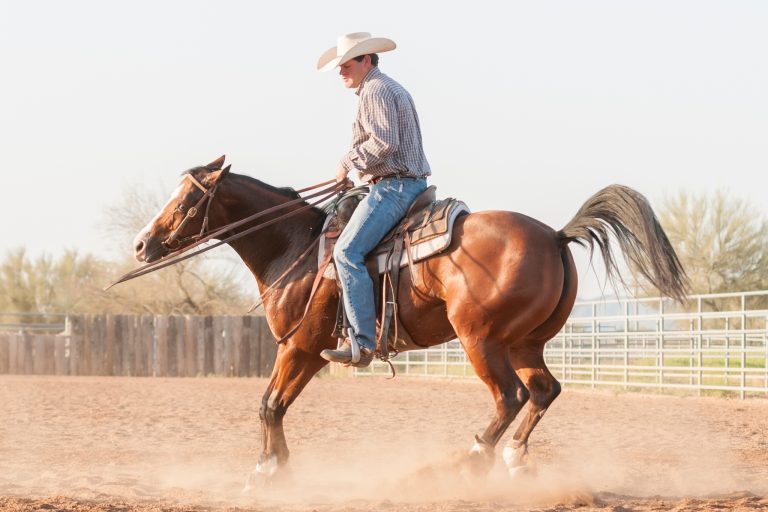
Barrel racing is one of the most explosive and demanding disciplines in western performance sports. A single run might only last 15 to 20 seconds, but in that short window, a horse is expected to explode out of the gate, collect and balance tightly around the barrels, power out of each turn with precision, and then sprint flat-out to the finish.
That mix of speed, collection, and total body control puts serious strain on a horse’s cardiovascular system, muscles, tendons, ligaments, and joints. Without proper conditioning, the risk of strain, soft tissue injury, or mental burnout increases significantly.
Thoughtful conditioning doesn’t just shave seconds off your time—it also helps protect your horse’s soundness and supports a longer, healthier, more successful career in the arena.
1. Start with a Solid Foundation The Importance of Long, Slow Distance Work
Before you ever add speed to your conditioning program, your barrel horse needs a solid aerobic base.
Long, slow distance (LSD) work—like walking and trotting for 30 to 60 minutes several times per week—builds cardiovascular endurance, strengthens tendons and ligaments, and helps conditions your horse’s joints to handle impact over time.
It’s a step many barrel horse owners rush past because it feels slow and uneventful, but it’s actually one of the most important phases of training.
Connective tissue develops much more slowly than muscle, which means a horse can look fit on the outside while still having underprepared tendons underneath—and that imbalance is one of the fastest paths to injury.
Practical tips for LSD work:
- Aim for 3 to 5 LSD sessions per week during base-building phases
- Use varied terrain when possible—gentle hills are especially helpful for developing topline and hindquarter strength
- Keep the pace relaxed and consistent to support both physical conditioning and mental calmness
- Mix it up with trail rides, pasture work, or easy arena sessions to keep your horse engaged and willing
2. Build Cardiovascular Fitness with Interval Training
Once your horse has a solid 4 to 6 weeks of consistent LSD work, you can start introducing interval training to develop speed, strength, and anaerobic capacity. This type of work alternates short bursts of higher intensity effort with recovery periods, closely mirroring what happens in an actual barrel run.
A simple interval session might look like this:
- Lope about 1/4 mile at a steady, moderate pace, then walk for 3 to 5 minutes
- Repeat this cycle 2 to 3 times per ride
- Gradually increase either the number of intervals or the intensity over several weeks
As your horse’s fitness improves, you can begin adding hand gallops and short straight-line speed bursts to build power and responsiveness—the key is progression, not rushing.
Always pay attention to recovery. A well-conditioned horse should return to a resting heart rate within about 10 minutes after intense work. If your horse is still breathing heavily or has an elevated heart rate after 15 minutes, that’s your cue to scale back the intensity and give more time for conditioning to build.
3. Develop Hindquarter Strength for Power Out of the Turns
The real power that launches a barrel horse out of each turn comes from the hindquarters. When that area is weak, you’ll see lost time in the pattern, difficulty staying collected around barrels, and extra strain placed on the front end. That’s why targeted hind-end development is a non-negotiable for any serious barrel prospect.
Exercises to build hindquarter power:
- Hill work: Trotting or loping up gentle inclines is one of the most effective ways to build strength behind. Even mild hills create meaningful conditioning over time.
- Trot poles and cavaletti: Working over ground poles at the trot encourages engagement from behind, improves coordination, and builds strength with low impact.
- Rollbacks and turnarounds: Slow, controlled rollbacks on a loose rein teach your horse to step under himself and push from the hind end instead of relying on the front end to pull through turns.
- Backing up: Straight-line backing or backing up slight inclines strengthens the hindquarters while also engaging the core and supporting overall balance.
- Lateral work: Movements like leg yields, shoulder-in, and haunches-in are often overlooked in barrel training, but they’re incredibly valuable. They build strength, flexibility, and body control that translate directly into cleaner, tighter turns around the barrels.
4. Don’t Neglect Topline and Core Conditioning
A strong, supple topline and an engaged core are what allow a barrel horse to collect correctly, stay balanced through turns, and move without bracing at high speed.
Many barrel horses spend most of their time in a forward, extended frame, which can slowly lead to a weaker topline and make true collection harder when it really counts.
How to build topline and core strength:
- Carrot stretches and ground work: Encourage your horse to stretch through the neck and back to promote flexibility and proper muscle engagement.
- Transitions: Frequent walk–trot–lope transitions, both upward and downward, build strength, improve balance, and teach the horse to carry more weight behind.
- Belly lifts: A simple daily exercise where gentle upward pressure under the belly encourages the horse to lift through the back and activate core muscles.
- Raised trot poles: Elevating ground poles encourages your horse to engage their abdominals and lift through the topline with each step.
A horse with a strong, relaxed topline moves more freely, turns more efficiently, and is far less likely to experience back soreness from the repetitive demands of competition.
5. Balance Fitness Work with Adequate Recovery
One of the most common mistakes in barrel horse conditioning is overtraining.
Just like human athletes, horses need proper recovery time for their bodies to adapt, rebuild, and get stronger. Without enough rest, training stops being productive and instead leads to fatigue, inflammation, and a much higher risk of injury.
A balanced weekly schedule for a competition-ready barrel horse might include:
- 2 days of LSD work or light hacking
- 1 to 2 days of interval or speed training
- 1 day focused on gymnastic exercises or pattern work
- 1 to 2 full rest or turnout days
It’s also important to stay tuned in to your horse’s attitude and behavior—a horse that feels sour, sluggish, unusually reactive, or shows changes in eating or drinking habits may simply be asking for more recovery time.
Regular bodywork—such as massage, stretching, and chiropractic care—can further support your horse’s recovery, improve comfort, and help identify small issues before they turn into bigger problems.
6. Focus on Flexibility and Suppleness
Speed and strength only go so far in barrel racing if flexibility isn’t part of the picture. A stiff, braced horse simply can’t rate smoothly or wrap a clean turn—which often leads to hitting barrels, running wide, or losing valuable time with choppy, inefficient movement.
That’s why daily stretching is such a simple but powerful investment in both performance and soundness. Carrot stretches—using a treat to guide your horse to bend their neck to the side, reach down between the front legs, or stretch back toward their flank—helps improve range of motion through the neck, back, and hips.
Consistent work on a loose rein at the walk and trot also encourages a long, relaxed frame, allowing the topline to soften and the entire body to move with more fluidity.
Many performance horse owners also incorporate light, yoga inspired exercises such as tail pulls and hip mobilization work.
When done correctly, these simple exercises can make a noticeable difference in your horse’s looseness, balance, and overall freedom of movement through the barrel pattern.
7. Condition the Mind, Not Just the Body
Mental fitness matters just as much as physical conditioning when it comes to a barrel horse. The pressure of competition—from loud crowds and unfamiliar arenas to travel stress and the intensity of the run itself—can easily overwhelm a horse that hasn’t been prepared mentally.
That’s why it helps to practice low pressure exposure in different environments as part of your training. Hauling to new arenas, working through light distractions, and practicing calm, confident entries all help develop the kind of mental resilience a competition horse needs.
It’s also important not to overdo pattern work at home—since constant drilling can lead to anticipation, tension, and even arena sourness. Instead, think of the pattern as a finishing tool rather than a daily exercise. The majority of your fitness and skill-building should happen outside of the pattern, where your horse can stay relaxed, engaged, and confident.
8. Nutrition: Fueling the Athletic Barrel Horse
You can’t out-train a poor diet. A performance barrel horse has much higher energy and nutritional needs than a pasture horse, and getting those basics right is a key part of any successful conditioning program.
It’s always smart to work with an equine nutritionist or your veterinarian to make sure your horse’s diet is properly supporting his workload. A few core nutrition priorities for barrel horses include:
- Quality forage first: Grass or mixed hay should always be the foundation of the diet. Good forage supports your horse’s digestive health and provides steady, reliable energy.
- Electrolytes: Horses working in heat lose important minerals through sweat. Proper electrolyte support helps maintain hydration, supports muscle function, and improves recovery.
- Appropriate caloric density: Hard working barrel horses often need additional concentrated energy sources—especially from fats—to maintain weight and performance through demanding competition schedules.
- Joint support: Many barrel horse owners include supplements like glucosamine, chondroitin, and omega-3 fatty acids to help support joint health under the sport’s high impact demands.
- Consistent access to fresh water: Hydration is directly tied to both performance and recovery. Clean, fresh water should always be available—especially during travel and competition.
9. Monitor Hoof and Leg Health Consistently
A barrel horse’s legs and hooves take a serious amount of impact, so proper hoof care, consistent farrier work, and daily leg checks are essential parts of any solid conditioning program.
It’s important to work with a farrier who understands the biomechanics of barrel racing. Proper hoof angles, the right level of traction for your specific ground conditions, and shoeing that supports a clean, efficient breakover all play a big role in reducing stress and helping prevent concussive injuries that can shorten a horse’s career.
PRO TIP: After every ride or run, take a few minutes to run your hands down each of your horse’s legs. Check carefully for heat, swelling, or any sensitivity. Catching early signs of inflammation gives you the chance to act quickly with rest, icing, or veterinary care—which can help prevent a small issue from turning into something much more serious.
10. Build a Team Around Your Horse
The most successful barrel horse competitors never do it alone. Behind every great run is a solid support team that helps keep their horse healthy, sound, and performing at its best. That team typically includes a knowledgeable veterinarian, a skilled farrier, a body worker or equine massage therapist, and a trusted trainer or mentor.
Routine veterinary wellness care—including soundness checks, dental care, and vaccinations—forms the foundation of a proactive health plan.
Staying ahead of potential issues is always better than reacting once something goes wrong. Preventive care not only helps avoid costly treatments, but also keeps your horse more comfortable, less stressed, and supported for long term soundness and performance.
Patience Pays in Barrel Racing Fitness
Building a truly fit barrel horse takes time, consistency, and patience—sticking to a structured, progressive conditioning plan, paying attention to your horse’s feedback, and trusting the process all make a real difference over time.
If you take the time to condition your horse the right way, you’ll absolutely be rewarded. But if you don’t, shortcuts have a way of catching up with you—whether that shows up in slower times, higher vet bills, or a horse that burns out or breaks down too soon.
The horses that stay at the top of the sport year after year aren’t just naturally talented—they’re well-conditioned, well-cared for athletes with riders who understand that champions are built long before they ever step into the arena.
Remember to always consult with your veterinarian before beginning any new conditioning program, especially if your horse is returning from injury, has existing health conditions, or is just starting their career as a performance horse.