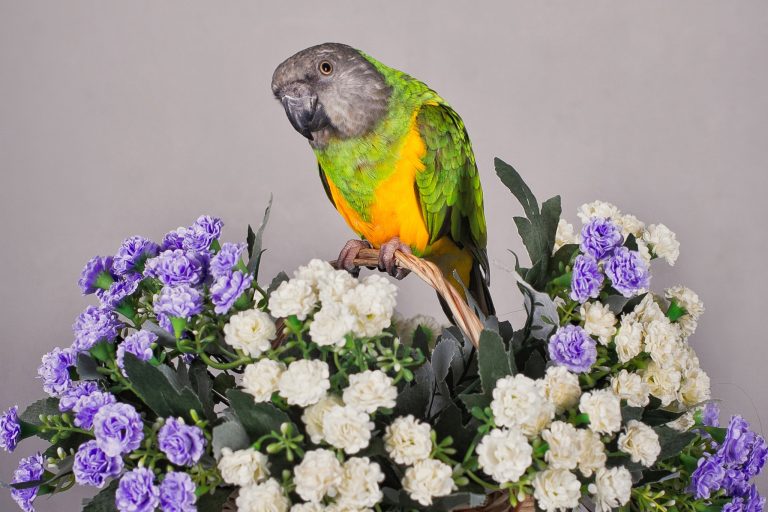
The Truth About Owning an African Grey Parrot (It’s Not What You Think)
Is an African Grey the right pet for you? Know what you’re signing up for — learn about their care needs, lifespan, costs, and behavior before you commit to one of these incredible birds.
- African Greys Are as Smart as a Young Child — and That’s Not a Compliment
- They Require an Enormous Amount of Daily Interaction
- Feather Plucking Is a Real Risk — and Hard to Reverse
- Their Lifespan Will Outlast Major Chapters of Your Life
- They Bond Hard — and Rejection Hurts Them Deeply
- Diet Is Far More Complicated Than “Seeds and Pellets”
- Vet Care Is Expensive and Specialized
- They Are Incredibly Sensitive to Their Environment
- The Noise Level Is Unpredictable
- They Will Test Your Patience in Ways You Cannot Imagine
- Training Is Not Optional — It’s Survival
- Rehoming an African Grey Is Traumatic for Them
- They Will Communicate With You — If You Learn to Listen
- The Upfront Cost Is Just the Beginning
- They Will Change Your Life — in the Best Possible Way
- Is an African Grey Right for You?
If you’re thinking about bringing home an African Grey parrot, you’re in for something pretty special. These birds are incredibly intelligent, deeply expressive, and genuinely engaging to live with—but they’re also a much bigger commitment than most people expect.
To be completely candid, nothing quite prepares you for what life with an African Grey is actually like. They’re not beginner pets, and the gap between expectations and reality can be surprisingly wide.
Whether you’re still doing your research or already have a Grey at home and are figuring things out as you go, this article walks you through everything that tends to come as a surprise—and what’s worth knowing from the very start.
1. African Greys Are as Smart as a Young Child and That’s Not a Compliment
Everyone talks about how intelligent African Grey parrots are—and they’re not exaggerating. Their cognitive abilities are often compared to those of a young child.
These birds can solve problems, understand cause and effect, build impressive vocabularies, and even use words in context rather than just mimicking sounds.
What doesn’t get talked about as much is what that intelligence actually means day to day—a bird that smart can also get bored, frustrated, and anxious if it’s not properly engaged and enriched.
And when an African Grey gets bored, it will find ways to entertain itself—unfortunately, those choices aren’t always ones you’ll appreciate.
2. They Require an Enormous Amount of Daily Interaction
African Greys are true flock animals—they aren’t the kind of birds you can leave in a cage all day and check in on here and there. In the wild, they’re almost never alone—and once you bring one home, you become their flock.
That means setting aside real, intentional time together each day. Think in the range of 4 to 6 hours of meaningful interaction—not just sharing space, but talking, playing, training, or simply engaging with each other. When that level of attention slips consistently, it tends to show up quickly in their behavior.
3. Feather Plucking Is a Real Risk and Hard to Reverse
One of the most heartbreaking things to witness as an African Grey owner is feather plucking. It’s usually a stress response, triggered by factors like loneliness, boredom, diet issues, illness, or changes in your bird’s environment.
What makes it especially challenging is that once the behavior starts, it can become a deeply ingrained habit—even after you’ve corrected the original cause.
That’s why prevention matters so much—consistent enrichment, a balanced diet, and regular social interaction go a long way in keeping your Grey healthy, both physically and mentally.
4. Their Lifespan Will Outlast Major Chapters of Your Life
African Grey parrots live 40 to 60 years—so this isn’t a short term commitment. The bird you bring home now could still be with you through major life changes, from career shifts to retirement and beyond.
Realistically, that makes African Grey ownership a long term, often multi-decade responsibility. It’s worth thinking ahead about what happens if your circumstances change—moves, health issues, or anything that affects your ability to care for them.
Rehoming can be especially stressful for Greys, so having a plan in place from the start isn’t just practical, it’s part of responsible ownership.
5. They Bond Hard and Rejection Hurts Them Deeply
African Greys often form a strong preference for one person in the household and bond very closely with them. It can feel flattering at first, but it can also create serious challenges.
Some Greys may become territorial or less tolerant of other family members, or develop separation anxiety when their chosen person isn’t around.
If you live with a partner or have a family, it’s important to encourage balanced socialization from the start. Involving multiple people in feeding, training, and daily interaction helps create a more well-adjusted bird and prevents that one person dependency from taking over.
6. Diet Is Far More Complicated Than “Seeds and Pellets”
Many new owners assume a seed mix or even pellets alone will cover their bird’s nutritional needs—but that’s not enough for an African Grey.
These birds do best on a varied, fresh diet that more closely reflects what they’d eat in the wild: a rotation of vegetables, some fruit, cooked grains, legumes, and a measured portion of quality pellets.
Nutrition is especially important with Greys because they’re prone to calcium and Vitamin A deficiencies. Low calcium, in particular, can lead to serious issues like seizures. Foods like dark leafy greens, cooked sweet potato, and certain legumes should be regular staples, while seeds are best treated as an occasional addition rather than the base of the diet.
7. Vet Care Is Expensive and Specialized
You can’t take an African Grey to a typical small animal vet—you’ll need an avian specialist, and they’re not always easy to find. Routine wellness exams are especially important, since birds instinctively hide signs of illness until things have progressed further.
It’s also smart to plan ahead for the financial side of care, including routine checkups, baseline bloodwork to monitor overall health, and the possibility of emergency visits, which can become costly quickly. Parrot specific pet insurance does exist, but options are still somewhat limited—so going in with a clear understanding of the long term costs is key.
8. They Are Incredibly Sensitive to Their Environment
African Greys are some of the most emotionally sensitive parrots you can own. Changes that seem minor to you—shifts in routine, new furniture, household tension, a new pet, even moving their cage—can trigger noticeable stress or behavioral changes.
Your home environment also needs to be bird-safe in a very real way:
- Non-stick cookware (PTFE/Teflon) can be lethal if overheated, as the fumes are dangerous to birds.
- Scented candles, air fresheners, aerosol sprays, and strong chemical cleaners can also irritate or harm their respiratory system.
Living with a Grey often means making thoughtful adjustments to keep their environment as stable and safe as possible.
9. The Noise Level Is Unpredictable
Yes, African Greys are generally quieter than larger parrots like macaws or cockatoos—but “quieter” is very relative.
They can still be quite loud when they choose to be, and they’re exceptionally good at learning which sounds, phrases, or tones get the biggest reaction from you…and repeating them on loop.
They also use contact calls—loud, natural vocalizations meant to locate their flock—especially around dawn and dusk. While apartment living with an African Grey is possible, it requires an honest look at your space, your schedule, and your neighbors’ tolerance for occasional bursts of noise.
10. They Will Test Your Patience in Ways You Cannot Imagine
African Greys naturally go through hormonal phases, especially during adolescence (around 4 to 6 years old) and at certain times of the year as adults. During these periods, your usually sweet and affectionate bird may suddenly seem a bit moody, nippy, or unpredictable. At times, they might even prefer their own space and avoid interaction for days or even weeks.
As surprising as it can feel, this behavior is completely normal. Still, without the right expectations, it can sometimes feel personal. Taking the time to learn about parrot behavior and body language before bringing an African Grey home is one of the best ways to set both you and your bird up for a happy, confident relationship.
11. Training Is Not Optional It’s Survival
Training an African Grey isn’t about teaching flashy tricks for guests—it’s really about building a shared language, strengthening trust, and gently guiding good behavior before problems start.
From the beginning, basics like step-up training, target training, and crate or carrier training are essential foundations.
When these skills are in place, life with your Grey becomes much smoother and safer for both of you. Without that structure, it’s easy for the bird to end up calling the shots in ways that aren’t ideal for anyone.
Positive reinforcement is the gold standard here—it’s kind, effective, and helps your Grey feel secure and understood. On the other hand, punishment based approaches can break trust and seriously damage your bond, sometimes permanently.
12. Rehoming an African Grey Is Traumatic for Them
African Greys form incredibly deep, emotionally complex bonds with their people. When those bonds are disrupted—whether through rehoming, the loss of an owner, or even long periods of separation—they can show behaviors that closely resemble grief.
In rescue settings, many Greys struggling with behavior challenges are actually responding to the stress and confusion of having been rehomed multiple times.
This is why bringing an African Grey home should never be an impulse decision or a novelty gift idea. These are long lived, highly intelligent birds who thrive with stability, consistency, and committed care. They do best with people who have taken the time to fully understand the responsibility and are ready for a long term relationship built on trust and respect.
13. They Will Communicate With You If You Learn to Listen
One of the most remarkable parts of living with an African Grey is how, over time, communication becomes genuinely two-way.
These birds are highly intelligent and can learn to associate words and phrases with meaning, often using them in context. They may let you know when they’re hungry, when they want attention, when they’re feeling unsure, or when they’re ready to head back to their cage.
Just as important as their vocabulary is learning their body language. Subtle cues—like feather position, eye pinning, posture, and tail movement—can tell you a lot about how they’re feeling in the moment.
Taking the time to understand these signals really deepens the connection and helps you respond in a way that builds trust. In many ways, learning their “language” is what turns day to day care into a truly meaningful relationship.
14. The Upfront Cost Is Just the Beginning
The purchase price of your African Grey is just the starting point. A proper enclosure is a major part of their setup, and these birds need space to move comfortably. A good cage should be very large (at least around 36″ x 24″ x 48″), and quality options often run anywhere from $500 to $1,500 or more.
Beyond that, there are ongoing costs to consider. African Greys are active, intelligent birds that go through toys quickly, so you’ll regularly be replacing enrichment items, perches, and supplies. Add in a balanced diet, routine and emergency vet care, and general enrichment needs, and the monthly expenses can add up more than many people expect.
Being realistic and budgeting ahead of time is an important part of making a responsible, long term commitment.
15. They Will Change Your Life in the Best Possible Way
Here’s the thing that’s important to understand: despite everything mentioned above, living with an African Grey can be one of the most deeply rewarding experiences you’ll ever have.
The bond you build with these birds is truly unlike anything else. Their curiosity, humor, emotional intelligence, and capacity for connection is genuinely remarkable.
There’s a special kind of moment when your Grey flies over to your shoulder, leans in close, and says something perfectly timed and completely in context—you immediately understand why people make this commitment. It’s also why so many African Grey owners don’t just “have a bird,” but become lifelong African Grey people.
The key is going in fully prepared—do your research, take your time finding a reputable breeder or rescue, and set up your home thoughtfully before your bird arrives. Connecting with experienced African Grey owners and communities can also make a huge difference, both before and after bringing your bird home.
These birds do ask a lot from you—but for the right person, they offer an equally extraordinary depth of companionship in return.
Is an African Grey Right for You?
An African Grey parrot may be right for you if:
- You have plenty of daily time to dedicate to their care, interaction, and socialization
- You’re prepared for a long term commitment measured in decades, not just years
- You can comfortably afford quality food, a proper enclosure, enrichment, and veterinary care
- Everyone in your household understands and supports the responsibility
- You’re patient, consistent, and genuinely interested in animal behavior and communication
An African Grey is probably not the right fit if:
- You travel often or would need to leave them alone for extended periods
- You’re looking for a low maintenance or “easy” pet
- Your living situation is likely to change significantly in the near future
- You’re mainly drawn to the idea of a talking bird as a novelty
Remember to do your research thoroughly. Spend time in African Grey communities, talk with experienced owners, and visit reputable rescues to see their behavior firsthand. And if, after all of that, you still feel confident in the commitment, you may be ready for one of the most unique and meaningful relationships the animal world can offer.