Can Pet Rabbits Live Outside? Everything You Need to Know
Thinking about housing your rabbit outdoors? Discover what it takes to keep bunnies safe and comfortable outside—from proper shelter and weather protection to predator-proof setups—and learn whether indoor or outdoor living is truly best for your fluffy companion.
If you’re wondering whether your pet rabbit can live outside, you’re not alone! This is one of the most common questions rabbit parents ask, and the answer is actually more nuanced than a simple yes or no.
Let’s hop into everything you need to know about keeping rabbits outdoors safely and happily.
Can Rabbits Live Outside Year Round?
The short answer is yes, rabbits can live outside… but it requires serious commitment and the right setup.
Domesticated rabbits are descendants of wild European rabbits, so they do have some natural ability to handle outdoor conditions. However, pet rabbits need much more protection and care than their wild cousins to thrive outdoors.
Understanding Rabbit Temperature Tolerance
Rabbits are surprisingly adaptable when it comes to temperatures, but they still have their limits.
Essential Requirements for Outdoor Rabbits
If you’re committed to keeping your rabbit outside, here’s what you absolutely need to provide:
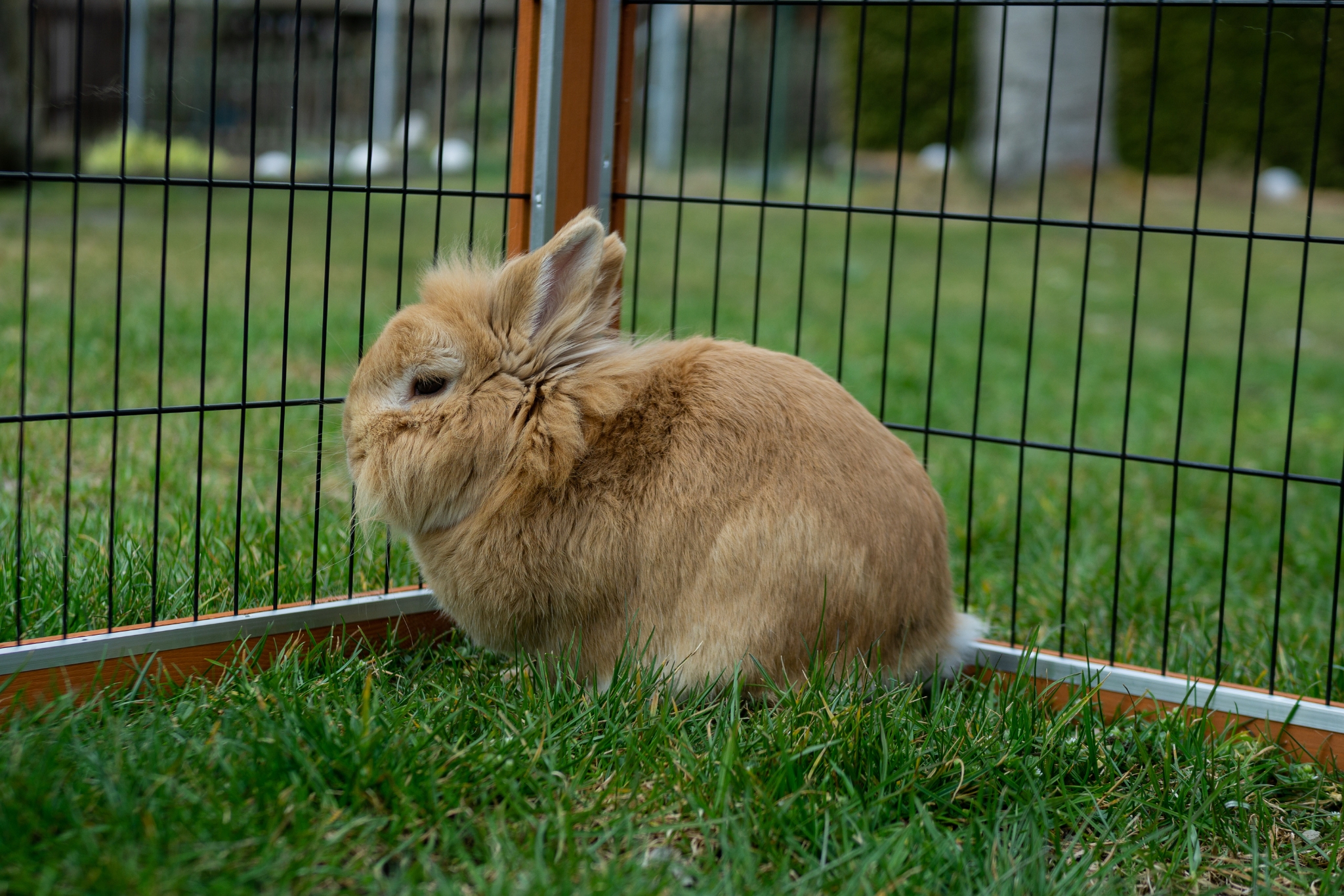
A Predator-Proof Hutch & Run
Year-Round Weather Protection
Year-Round Fresh Water
Daily Interaction & Health Checks
The Downsides of Keeping Rabbits Outdoors
While outdoor living is possible, there are some real drawbacks to consider:
Poor Socialization
Outdoor rabbits often receive less human interaction than indoor bunnies, which can make them less socialized and more skittish over time.
Parasite Exposure
Outdoor living brings exposure to fleas, mites, and the deadly bot fly, whose larvae can burrow into a rabbit’s skin — a serious and painful condition requiring immediate veterinary care.
Predator Stress & Capture Myopathy
Even predators that can’t breach the hutch pose a mortal threat. The extreme fright response known as capture myopathy can literally scare a rabbit to death — no physical contact required.
Shorter Lifespan
Outdoor rabbits have shorter average lifespans than their indoor counterparts — a result of constant environmental stresses and the greater likelihood that health issues go unnoticed for longer.
Indoor vs. Outdoor: What’s Best for Your Bunny?
Many rabbit experts and veterinarians recommend keeping rabbits indoors as house pets.
Indoor rabbits typically live 8 to 12 years compared to 3 to 6 years for outdoor rabbits. They also bond more closely with their families, are easier to monitor for health issues, and are completely safe from predators and extreme weather.
That said, a supervised outdoor setup can work beautifully as a compromise! Many rabbit parents keep their bunnies indoors but provide supervised outdoor playtime in a secure run during nice weather. This gives rabbits the benefits of fresh air and natural grazing while keeping them safe and socialized.
Making the Outdoor Decision
Before deciding to keep your rabbit outside, honestly assess these factors:
Your Local Weather
Do you experience extreme heat or cold? Rabbits are sensitive to both ends of the thermometer.
Your Daily Dedication
Can you check on your rabbit multiple times daily, every single day — rain, snow, or shine?
Your Financial Readiness
Quality outdoor housing is expensive. Factor in the full cost of a safe, weatherproof, predator-proof setup.
Your Local Wildlife
What animals live in your area? Even neighbors’ dogs or cats can pose a serious and ongoing threat.
Your Rabbit’s Temperament
Some rabbits are more adaptable than others. A nervous or high-strung bunny may struggle far more with outdoor stresses than a calmer individual.
The Bottom Line on Outdoor Rabbits
So, can pet rabbits live outside? Yes… but only with the proper setup, protection, and dedicated care.
Should they live outside? That depends on your specific situation and your ability to meet all their needs consistently.
If you do choose outdoor living for your bunny, go above and beyond on safety measures, weather protection, and daily interaction.
And remember, bringing your rabbit inside during extreme weather isn’t spoiling them – it’s responsible pet parenting!
Whether your rabbit lives inside or outside, what matters most is that they’re safe, healthy, and loved. These intelligent, social animals deserve our very best care, wherever they call home.