Can You Have a Pet Mountain Lion? Laws, Costs & Safety Guide
Can you legally own a pet mountain lion? Here’s a closer look at the laws across the United States, along with the real costs, safety risks, dietary needs, and other realities of keeping a big cat.
- Is It Legal to Own a Mountain Lion?
- Why Mountain Lions Don’t Make Good Pets
- The Harsh Reality: Cost and Commitment
- Ethical Considerations
- Legal Alternatives for Big Cat Enthusiasts
- What If You Encounter a Mountain Lion in the Wild?
- The Bottom Line on Pet Mountain Lions
- Frequently Asked Questions about Pet Mountain Lions
The idea of owning a majestic mountain lion as a pet captures the imagination of many exotic animal enthusiasts. These powerful apex predators (also known as cougars, pumas, and panthers) represent the ultimate in wild beauty and strength.
But can you legally and safely keep a mountain lion as a pet?
The short answer is: No, unless you are a professional licensed facility.
Is It Legal to Own a Mountain Lion?
As of December 2022 private ownership of mountain lions is federally prohibited in the United States.
The Big Cat Public Safety Act (BCPSA), signed into federal law in December 2022, bans the private possession, breeding, and public contact of big cats, including mountain lions (cougars), lions, tigers, leopards, jaguars, cheetahs, and their hybrids.
is Now Illegal in the U.S.
The Big Cat Public Safety Act (BCPSA) fundamentally changed the rules around private big cat ownership. Here’s exactly what the law says, who it affects, and what the narrow exceptions are.
Private ownership of mountain lions and other big cats
Breeding of big cats by private individuals
Direct public contact with big cats, including cub petting operations
Interstate commerce and transport of big cats for private ownership
2022
Individuals who legally owned mountain lions before this date may keep their animals — but only under strict conditions.
Register animals with the U.S. Fish and Wildlife Service within 180 days (by June 2023)
Maintain ongoing registration compliance
No breeding, no acquiring additional animals, no public contact
Comply with all state and local laws
(AZA or ZAA)
(temporary care only)
(limited)
Mountain lions are no longer legal as private pets in the United States under federal law, regardless of state regulations. Any claims of legal private ownership after December 2022 are either grandfathered animals — subject to strict restrictions — or illegal possession.
Why Mountain Lions Don’t Make Good Pets
That Cannot Be Tamed
Mountain lions are apex predators with deeply ingrained hunting instincts that cannot be domesticated through training or early socialization. Unlike domestic cats, they retain their wild nature regardless of how they’re raised.
These physical capabilities make mountain lions extraordinarily dangerous — even during seemingly playful interactions.
These solitary animals need vast ranges to thrive mentally and physically. Confining a mountain lion to even a large backyard enclosure can lead to severe stress, stereotypic behaviors, and aggression.
Roughly the size of a mid-sized city — claimed and defended from rival males
Smaller but equally critical — especially when raising cubs
Even hand-raised mountain lions that appear docile can become aggressive without warning. Their predatory response can be triggered by everyday situations that are impossible to prevent.
No amount of hand-raising, bonding, or training removes the predatory wiring of a mountain lion. There is no such thing as as a domesticated mountain lion — these animals are still 100% wild and have not lost their natural instincts.
across North America in over 100 years of recorded history
Fatal attacks by mountain lions on humans are extremely rare — and wild mountain lions typically avoid human contact entirely. However, captive, privately owned, or human-habituated cougars can present a far greater risk to the people who keep them. When these powerful predators act on instinct — whether through prey drive or territorial behavior — the results can be unpredictable and dangerous.
Cost and Commitment
Owning a mountain lion requires substantial financial resources:
a Mountain Lion
Before considering a mountain lion, understand the true financial commitment. These are not estimates — they are real-world costs documented by exotic animal owners, veterinarians, and wildlife facilities.
The financial cost of keeping a mountain lion safely and legally exceeds $30,000 per year at minimum — before any emergency, lawsuit, or regulatory change. And no amount of money removes the fundamental danger of living with an apex predator.
Specialized Care Needs
Mountain lions require specialized veterinary care from exotic animal specialists. Standard veterinarians typically lack the expertise and often refuse to treat large predators. Medical care includes:
- Annual examinations under sedation
- Vaccinations
- Parasite prevention
- Dental care
- Emergency treatment capabilities
Dietary Requirements
Mountain lions are obligate carnivores that thrive on a whole prey diet.
In the wild (and in captivity) they require roughly 8 to 10 pounds of meat each day, ideally from entire animals such as rabbits, chickens, or deer. Whole prey provides critical nutrients, including taurine, calcium from bones, and natural fiber from fur or feathers.
Relying on processed meat alone can lead to serious nutritional deficiencies and long-term health issues. Sourcing, storing, and safely handling large quantities of whole prey also brings significant logistical, financial – and for some owners, emotional – challenges.
Ethical Considerations
Keeping a mountain lion in captivity raises serious ethical questions about animal welfare. These animals have evolved to roam vast territories, hunt live prey, and live solitary lives. Captivity inherently denies them the ability to express natural behaviors, leading to:
- Physical health problems from inadequate space
- Psychological stress and stereotypic behaviors
- Inability to engage in natural hunting behaviors
- Social isolation or forced proximity to humans
Conservation Impact
The exotic pet trade can negatively impact wild mountain lion populations through:
- Illegal capture of wild individuals
- Breeding programs that contribute nothing to conservation
- Perpetuating demand for wild-caught animals
- Resource diversion from legitimate conservation efforts
Public Safety Risks
Beyond the danger to owners, captive mountain lions may also pose risks to neighbors, visitors, and first responders if they unintentionally escape.
Exotic animal escape incidents (while rare) have resulted in lengthy and dangerous capture operations, quarantine requirements, and even sometimes the death of the animal.
Legal Alternatives for Big Cat Enthusiasts
Volunteering at Sanctuaries
Legitimate big cat sanctuaries offer volunteer opportunities where you can work alongside experienced professionals caring for rescued exotic cats. These professional facilities provide educational experiences without the ethical concerns of private ownership.
Supporting Conservation Efforts
Channel your passion for mountain lions into conservation work:
- Donate to organizations protecting mountain lion habitats
- Support wildlife corridors and connectivity projects
- Participate in citizen science programs
- Advocate for wildlife protection policies
Wildlife Photography and Observation
Engage with mountain lions in their natural habitat through:
- Guided wildlife tours in mountain lion territories
- Wildlife photography expeditions
- Trail camera projects
- Nature documentaries and education
Exotic Cat Breeds
For those seeking a feline companion with a wild appearance, several domestic cat breeds offer exotic looks without the dangers:
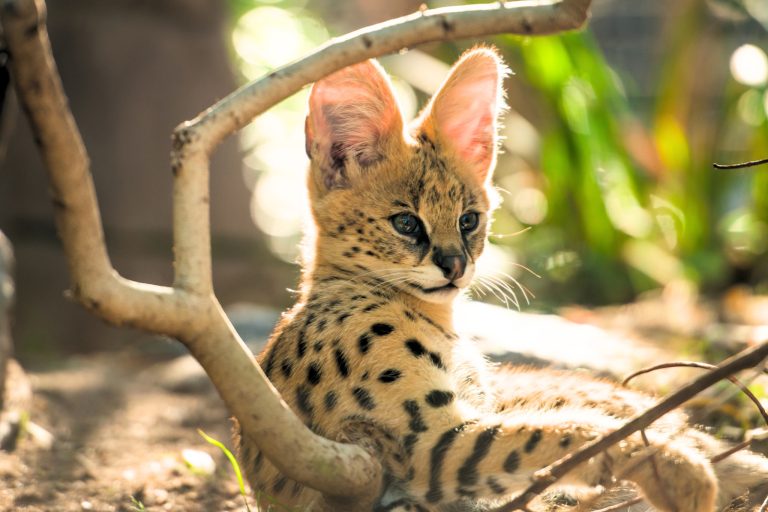
- Savannah cats (partial serval ancestry)
- Bengal cats
- Chausie cats
- Egyptian Maus
- Abyssinians
These feline breeds are more suitable as pets while still providing unique appearances and engaging personalities.
What If You Encounter a Mountain Lion in the Wild?
Understanding mountain lion behavior is more practical than attempting to own one:
a Mountain Lion
Your instincts will tell you to run. Do not run. Follow these steps in order — they are the difference between a close call and a serious incident.
Running triggers a mountain lion’s prey drive instantly. Stay calm, stay still, and keep facing the animal at all times.
Raise your arms, open your jacket, stand tall. Predators assess size before attacking — appear as large and imposing as possible.
Use a deep, assertive voice. Do not scream or make high-pitched sounds — these can trigger a predatory response rather than deter one.
Maintain direct eye contact as you retreat. Move slowly and deliberately — never turn your back, never crouch, never stumble.
Do not play dead. Strike the nose, eyes, and throat. Use rocks, sticks, or any object available. People have successfully fought off mountain lions — aggression is your best defense.
The Bottom Line on Pet Mountain Lions
While the allure of owning a mountain lion is understandable, the reality is that these magnificent predators cannot and should not be kept as pets.
The combination of legal restrictions, safety concerns, astronomical costs, ethical implications, and the animal’s welfare needs makes mountain lion ownership impractical and irresponsible for virtually everyone.
The handful of exceptions – professional zoological organizations, research facilities, and legitimate sanctuaries – operate under strict regulations with trained professionals, extensive resources, and educational or conservation missions.
For those fascinated by these incredible animals, supporting conservation efforts, visiting sanctuaries, and appreciating mountain lions in their natural habitat provides more meaningful and ethical engagement than attempting private ownership.
Frequently Asked Questions about Pet Mountain Lions
Can mountain lions be tamed or domesticated?
No – Mountain lions retain their wild instincts regardless of hand raising or training. Domestication requires many years of selective breeding, which has not occurred with mountain lions.
How long do mountain lions live in captivity?
Mountain lions can live 18 to 20 years in captivity with proper care, compared to 8 to 13 years in the wild.
Are there any states where no permit is required to own a mountain lion?
No – Very few states allow mountain lion ownership without permits, and even in those states, federal regulations prohibit mountain lion ownership.
What happens to pet mountain lions when owners can no longer care for them?
Most sanctuaries are at capacity and cannot accept surrendered animals. Unfortunately, some mountain lions are euthanized when their owners can no longer keep them.
Is it legal to own a mountain lion cub but not an adult?
No – Laws and restrictions regarding mountain lion ownership in the USA apply regardless of the animal’s age.