Does My Horse Need Boots? Everything You Need to Know
Not sure if your horse needs boots? Learn the signs, boot types, and expert tips to protect your horse’s legs the right way.
- What Are Horse Boots and What Do They Do?
- Types of Horse Boots
- Signs Your Horse May Benefit from Boots
- When Boots May Not Be Necessary
- How to Choose the Right Boots for Your Horse
- Common Mistakes Horse Owners Make with Boots
- Do Foals and Young Horses Need Boots?
- Ask Your Farrier and Vet
- So, Does Your Horse Really Need Boots?
If you’ve ever seen a pro rider gearing up their horse and thought, “Wait… does my horse really need boots?”—trust me, you’re definitely not alone.
This is one of the top questions for both newbies and seasoned horse owners, and the quick answer is it depends—but knowing when and why boots can help makes a big difference for your horse’s comfort, health, and performance.
What Are Horse Boots and What Do They Do?
Horse boots are like little superheroes for your horse’s legs. They protect your horse’s lower legs from bumps, scrapes, and those tricky tendon or soft tissue injuries, while also offering support during exercise. Plus, they also shield hooves and legs from rough trails, flying debris, and unpredictable weather.
There’s a wide variety of boots out there, each tailored to different activities, disciplines, and needs. Getting to know these options is the first step in figuring out if your horse could benefit from a pair.
Types of Horse Boots
Step into any tack shop, and the wall of boots can feel a little… overwhelming. But don’t worry—once you know what each type does, choosing the right pair becomes a breeze
✪ Splint Boots (Brushing Boots)
- These are a staple for many riders
- They protect the splint bone and soft tissue on the inside of the lower leg from “brushing”—when one leg bumps the other during movement.
- They’re perfect for flatwork, lunging, and everyday riding
✪ Tendon Boots (Open-Front Boots)
- A favorite in show jumping
- Tendon boots guard the back of the lower leg, specifically the flexor tendons, while leaving the front of the cannon bone open
- With this type of boot, your horse can still feel the pole, which encourages careful and precise jumping
✪ Bell Boots (Overreach Boots)
- Bell boots wrap around the pastern to protect the heel bulbs and coronary band from overreaching—when the hind hooves strike the front heels
- Ideal for horses with long strides, those prone to overreaching, or working in deep or slippery footing
✪ Sports Medicine Boots
- Think of these as full leg support—they wrap the entire lower leg for maximum protection
- Often used in high impact disciplines like barrel racing and reining, where tendon and ligament support is key
✪ Shipping Boots
- Designed specifically for trailering
- They cover a large portion of the leg, often from the knee or hock down to the hoof
- Shipping boots protect your horse’s legs from bumps and scrapes during transport
✪ Hoof Boots
- An alternative to metal shoes for barefoot horses
- They’re used for trail riding on rocky or hard terrain, rehabilitating horses with hoof issues, or transitioning a horse from shod to barefoot
✪ Ice or Cold Water Boots
Used therapeutically, these boots help reduce inflammation and swelling in the lower legs after strenuous exercise or injury.
Signs Your Horse May Benefit from Boots
Not every horse needs boots for every ride, but certain situations and horses make protective boots a smart choice. Consider boots if:
1. Your horse interferes or brushes
- Signs: rubs, hair loss, or small wounds on the inside of the lower legs
- Solution: Splint boots or brushing boots to protect against legs hitting each other during movement
2. Your horse overreaches
- Signs: torn or missing shoe heels, cuts on the back of front hooves, stumbling
- Solution: bell boots to prevent the hind hoof from striking the front heels
3. Jumping
- Why: the risk of striking legs during takeoff or landing is higher
- Solution: tendon boots or brushing boots are standard for jumping disciplines
4. Working in challenging footing
- Conditions: deep, hard, or uneven terrain increases risk of knocks or strains
- Solution: boots provide an extra layer of protection for rough or inconsistent ground
5. History of tendon or ligament injuries
- Reason: to reduce strain during exercise and protect recovering or prone horses
- Solution: supportive boots or wraps
6. Trailering
- Reason: horses shift and shuffle during transport, increasing risk of bumps and scrapes
- Solution: shipping boots or standing wraps
7. Barefoot horses on difficult terrain
- Reason: bare hooves can be uncomfortable on rocky or hard ground
- Solution: hoof boots for comfort and protection during trail rides
When Boots May Not Be Necessary
Boots aren’t always required or even advisable. If your horse moves cleanly, doesn’t interfere, and you’re doing light flatwork in a well-maintained arena, going without boots is perfectly reasonable. In fact, some performance riders and trainers prefer to work horses without boots in certain contexts to avoid overheating the tendons—a legitimate concern with some boot styles.
Research has shown that the heat buildup under some boot types during exercise can actually stress tendons. This is why boot fit, material, and duration of use all matter. If you do use boots, choosing breathable materials and removing them promptly after exercise is important.
1. Light work in safe conditions
- If your horse moves cleanly, doesn’t interfere, and you’re doing flatwork in a well-maintained arena, boots may not be necessary.
- Some riders intentionally go without boots in these situations to avoid unnecessary restrictions or heat buildup.
2. Potential risks of overuse
Certain boots can trap heat against the leg and stress tendons:
- This makes boot fit, material, and duration of use critical considerations.
- Breathable materials and prompt removal after exercise reduce the risk of tendon overheating.
3. Performance and training considerations
- Some trainers prefer working horses without boots to encourage natural leg conditioning and improve proprioception (the horse’s awareness of leg placement).
The key takeaway: Boots are situational tools, not automatic equipment—using them wisely involves assessing your horse’s movement, activity type, footing, and any history of leg issues.
How to Choose the Right Boots for Your Horse
When selecting boots, consider the following factors:
1. Discipline
Your riding discipline heavily influences boot choice:
- Jumpers and eventers → tendon or brushing boots
- Barrel racers → support boots or splint boots
- Endurance riders → lightweight, breathable boots
2. Fit
- Measure your horse’s legs and follow manufacturer sizing guides
- The boot should be snug but not tight and cover the intended areas without slipping
- Poor fit can cause rubs, circulation issues, or boots that shift during exercise
3. Material
- Common options: leather, neoprene, and synthetic materials
- Consider: durability, breathability, ease of cleaning, and heat retention
- Horses prone to tendon heat → choose breathable materials
4. Ease of use
- Velcro closures → quick, adjustable
- Professional wrap systems → custom fit, require practice
- Choose a style you can consistently apply correctly—inconsistent fastening negates protection
5. Your horse’s individual conformation
- Horses with conformational quirks (like traveling close, long pasterns, tendency to over track) may benefit from more consistent boot use
- Straightforward movers may need boots only in higher risk situations
Common Mistakes Horse Owners Make with Boots
❌ Leaving boots on too long
- Remove boots after exercise to let your horse’s legs cool and air out
- Prolonged wear can trap heat, increasing tendon stress
❌ Not cleaning boots regularly
- Dirt and sweat can harbor bacteria, leading to skin irritation or infection
- Clean boots after each use
❌ Using the wrong boot for the job
- Example: Shipping boots for jumping or bell boots as main tendon protection
- Ensure the boot matches the intended purpose
❌ Ignoring fit
- Loose boots → slip, spin, create pressure points, trip hazards
- Tight boots → restrict circulation, cause discomfort
❌ Assuming boots replace conditioning
- Boots support and protect, but they don’t replace proper training, fitness, or correct riding technique
- Relying solely on boots without conditioning can still lead to injury
Do Foals and Young Horses Need Boots?
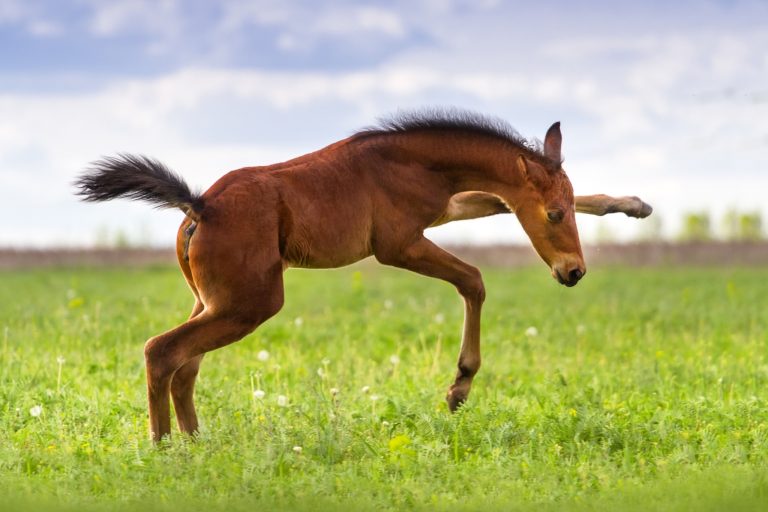
Many trainers routinely use brushing boots or splint boots when starting young horses. Young horses—especially those just beginning their saddle work—tend to be a bit wobbly and uncoordinated, which can make those little leg bumps more likely. As the horse develops better balance and self carriage, the need for boots may decrease.
Ask Your Farrier and Vet
Your farrier and veterinarian are invaluable resources when it comes to keeping your horse’s legs happy and healthy. A farrier can spot conformational quirks or movement patterns that might make your horse more injury prone and suggest the right protective boots. Meanwhile, your vet can check up on any existing injuries, recommend therapeutic boots, and guide you on whether supportive boots are a smart choice during rehab.
So, Does Your Horse Really Need Boots?
There’s really no one size fits all answer—some horses sail through their entire careers without ever needing boots, while others benefit hugely from having them on regularly.
The trick is to watch your horse carefully, understand the demands of your discipline, consult your farrier and vet, and pick boots that fit well and actually serve a purpose.
When used thoughtfully, boots are a simple, effective way to keep your horse’s legs happy and healthy—but if they’re used carelessly or just for show, they can actually cause more trouble than they prevent.
Know your horse, do your homework, and make smart choices—your horse’s legs will thank you.
Whether you’re a trail rider, a competitive jumper, or just enjoying weekends in the arena, keeping your horse’s lower legs happy and healthy is key to a long, thriving career. Begin by observing how your horse moves, chat with your vet and farrier, and let your horse’s unique needs guide your decisions.