9 Farm Animal Myths You Probably Still Believe
Discover the truth about farm animals — from pigs’ surprising cleanliness to chickens’ impressive intelligence. We’re debunking 9 common myths that will totally change the way you see the barnyard.
Ever wonder if everything you learned about farm animals from childhood storybooks is actually true?
Spoiler alert: farm life is way more fascinating than we give it credit for!
Let’s dive into some seriously surprising facts about our barnyard friends that’ll make you rethink everything you thought you knew.
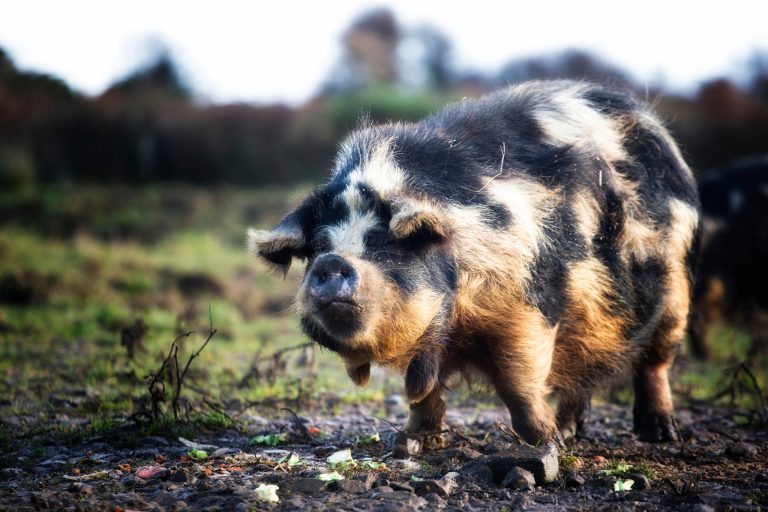
Pigs are Dirty Animals that Love Rolling in Mud
Here’s the deal: Pigs are actually among the cleanest farm animals around! These intelligent creatures naturally designate separate areas for sleeping, eating, and bathroom activities. When given the choice, pigs will never soil their living quarters.
So why the mud baths? Pigs don’t have functional sweat glands, which means they can’t cool down the way we do. Rolling in mud is their genius solution for temperature regulation and sunscreen all in one. The mud coating protects their sensitive skin from harmful UV rays and helps repel pesky insects. Pretty smart, right?
Chickens are Unintelligent “Bird Brains”
Time to give chickens their due respect! Research shows that chickens can actually count, demonstrate self-control, and even show basic arithmetic skills.
They recognize over 100 individual faces (both human and chicken), communicate using more than 24 distinct vocalizations, and can navigate complex social hierarchies.
Mother hens start communicating with their chicks before they even hatch, and baby chicks begin learning from mom while they’re still in the egg. These feathered friends can also demonstrate problem solving abilities and memory retention that would surprise most people!
Cows are Simple Minded and Don’t Form Relationships
Hold onto your hat for this one! Cows are deeply social animals with best friends, and they genuinely get stressed when separated from their preferred companions.
Studies have shown that cows become excited when they solve problems (like opening gates or figuring out food puzzles) and their heart rates actually increase with anticipation of positive experiences.
Cows also hold grudges, recognize individual humans, and can remember faces for years. Each cow has a distinct personality, ranging from bold and adventurous to shy and cautious. They’ve even been observed engaging in play behavior well into adulthood!
Sheep Mindlessly Follow Each Other Without Thinking
While sheep do have strong flocking instincts (which actually help protect them from predators), they’re far from mindless followers. Sheep can recognize individual faces of other sheep and humans (and remember them for years) and they experience a range of emotions including fear, anger, happiness, and even boredom.
Sheep demonstrate problem solving abilities, learn from experience, and can navigate complex mazes. They’re also quite picky eaters who remember which plants made them sick and avoid them in the future. Talk about learning from your mistakes!
Goats Eat Anything and Everything, Including Tin Cans
Let’s clear this up once and for all: goats are actually incredibly picky eaters! They’re browsers, not grazers, which means they prefer to nibble on shrubs, trees, and weeds rather than grass.
Goats investigate everything with their mouths and lips (which is probably where the tin can myth originated), but they definitely won’t eat inedible objects.
As for their legendary climbing skills? That’s 100% real! Goats have incredible balance and coordination, with specialized hooves that act like suction cups. They use their climbing skills to reach their preferred food sources and to survey their territory from high vantage points.
Horses Never Lie Down to Sleep
Here’s the real scoop: horses can and do doze while standing thanks to a special “stay apparatus” in their legs that allows them to lock their joints. However, horses absolutely need to lie down to achieve REM sleep, which is essential for their health.
Adult horses typically need about two to three hours of lying down rest per day (broken into short sessions). If a horse doesn’t feel safe enough to lie down, it can actually become sleep deprived, leading to serious health issues.
Turkeys are So Dumb They’ll Look Up At the Rain and Drown
This myth is pure fiction! While young turkeys (poults) might look upward when startled by rain or loud noises, this behavior is due to their “gazing” behavior is often attributed to a normal, healthy instinct rather than a genetic condition or lack of intelligence.
Wild turkeys are actually quite intelligent, with excellent memory, complex social structures, and the ability to recognize individual humans from significant distances. They’re also capable of flying short distances at speeds up to 55 miles per hour!
Ducks are Waterproof Because Water Simply Rolls Off Their Feathers
The waterproofing story is true, but it’s way cooler than you might think! Ducks have a special gland near their tail called the uropygial gland (or preen gland) that secretes an oily substance. Ducks spread this oil across their feathers using their beaks, which creates a waterproof coating.
But here’s the catch: this isn’t a one and done situation. Ducks need regular access to water for bathing and preening to maintain their waterproofing. Without it, their feathers can actually become waterlogged, which can be dangerous or even fatal.
Roosters Crow Only at Dawn
While roosters are famous for their dawn chorus, they actually crow throughout the day! Roosters crow to establish territory, alert the flock to danger, celebrate food discoveries, and communicate their position in the pecking order.
The reason we associate roosters with dawn? They have internal circadian rhythms that anticipate sunrise, and they begin crowing before first light as a way to announce their territory before other roosters wake up. It’s basically the barnyard version of “first come, first served!”
Farm Animals Are Absolutely Fascinating
The more we learn about farm animals, the more we realize just how complex, intelligent, and emotionally sophisticated they really are. These myths have persisted for generations, but modern research continues to reveal the remarkable capabilities of our barnyard friends.
Whether you’re a farmer, animal lover, or just someone curious about the natural world, understanding the real truth about farm animals helps us appreciate them even more. Next time you visit a farm or petting zoo, you’ll have some seriously impressive facts to share!