You’ve Been Feeding Your Leopard Tortoise Wrong Here’s What They Actually Need
Most leopard tortoise owners are feeding their pet the wrong foods. Discover what to feed — and what could be slowly killing them.
- Understanding Your Leopard Tortoise’s Natural Diet
- Grasses and Hay: The Core of the Diet
- Safe Weeds and Wildflowers: Free Food Worth Growing
- Vegetables: Supplement, Not Staple
- Calcium Supplementation: Non-Negotiable
- Foods to Avoid Completely
- Hydration: Water and Soaking
- Feeding Frequency and Quantity
- Seasonal Feeding Considerations
- An Elegantly Simple Diet
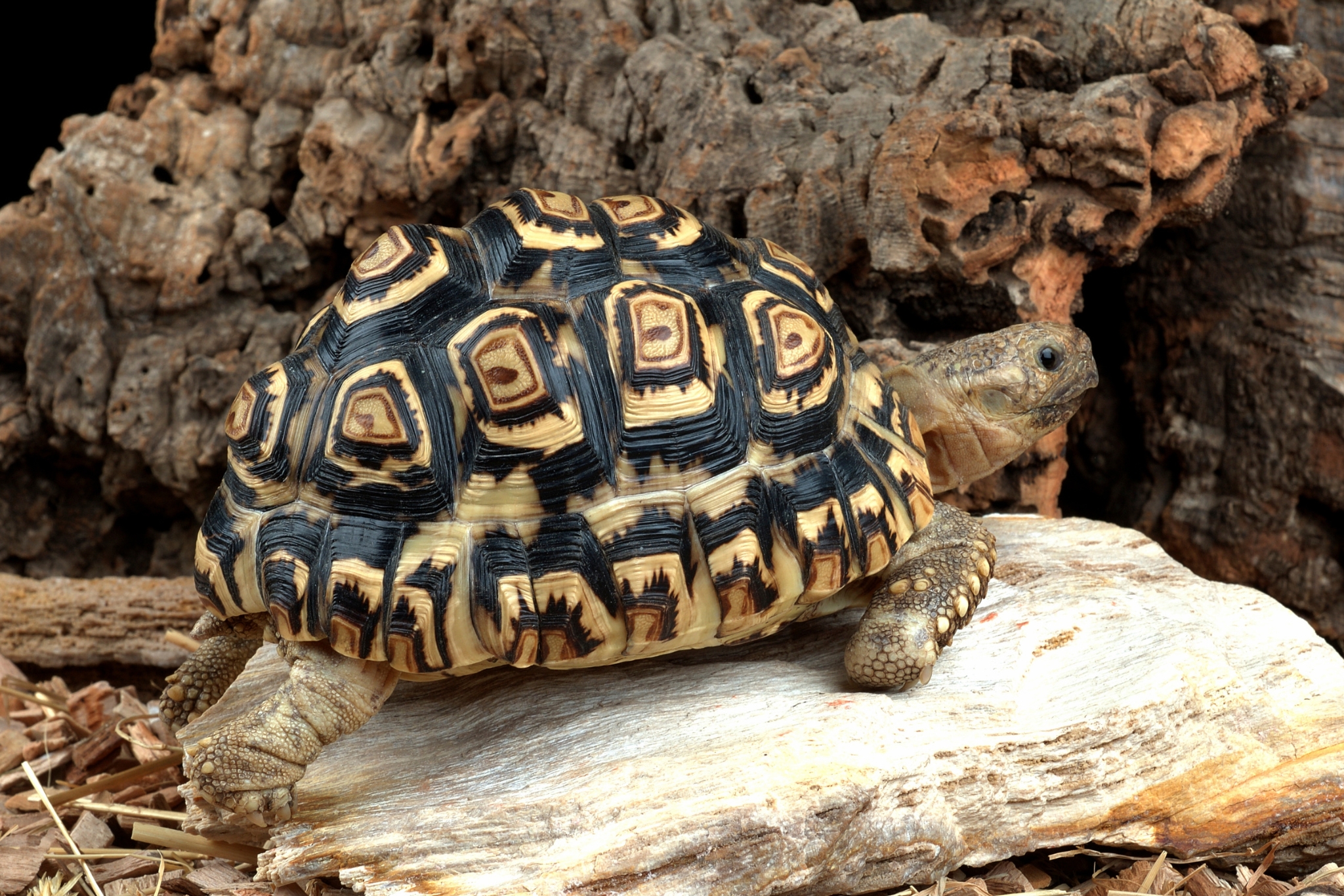
Leopard tortoises (Stigmochelys pardalis) are among the most striking tortoises kept as pets, prized for their bold patterning and gentle temperament. But that beauty comes with real responsibility—especially when it comes to diet.
Nutrition is one of the most critical aspects of their care. Get it wrong, and serious health issues like metabolic bone disease, kidney problems, and shortened lifespan can follow—but get it right, and you may be caring for a tortoise that lives 80 to 100 years.
This guide walks you through the essentials of feeding a leopard tortoise—from ideal grasses and weeds to the foods best left off the menu.
Understanding Your Leopard Tortoise’s Natural Diet
Before stocking up on tortoise food, it helps to understand what leopard tortoises naturally eat in the wild. Native to the savannas and grasslands of eastern and southern Africa, leopard tortoises are strict herbivores that graze almost continuously throughout the day.
Their natural diet consists overwhelmingly of dry, fibrous grasses, along with succulents, thistles, and wildflowers—foods that are high in fiber and calcium but low in protein, fat, and sugar.
This is the key principle to keep in mind: leopard tortoises are built for tough, low nutrient vegetation—not rich, moist, high sugar foods. Replicating that balance in captivity is the foundation of proper nutrition and long term health.
Grasses and Hay The Core of the Diet
Grasses should make up the majority of a leopard tortoise’s diet—ideally 70% to 80%. This surprises many new keepers who assume tortoises thrive on vegetables and fruit, but grass is the closest thing to their natural staple food.
Best Grasses & Hay
For tortoises with outdoor enclosures, allowing them to graze freely on untreated grass is one of the best things you can do for their health. Indoor tortoises should have unlimited access to fresh hay at all times. Think of hay the way you think of water—it should never run out.
Safe Weeds and Wildflowers Free Food Worth Growing
Many common “weeds” are nutritional powerhouses for leopard tortoises and should be actively cultivated if you’re a serious keeper.
Top weeds and wildflowers
Remember to always ensure weeds are collected from pesticide-free areas, and are well away from roadsides and treated lawns.
Vegetables Supplement, Not Staple
Leafy greens and vegetables can supplement the diet, but they should not replace grasses and weeds.
Aim for these to make up no more than 10% to 20% percent of total food intake, and focus on dark leafy varieties with a good calcium-to-phosphorus ratio.
Best vegetables for leopard tortoises:
- Collard greens — high in calcium, one of the better leafy options
- Turnip greens — excellent nutritional profile
- Mustard greens — a good rotating option
- Endive and escarole — lower in oxalates than many lettuces
- Spring mix (without spinach) — acceptable in rotation
Vegetables to use sparingly:
- Kale and cabbage — contain goitrogens that can affect thyroid function if fed too frequently; fine occasionally
- Romaine lettuce — low nutrition but not harmful as an occasional offering
- Zucchini and squash — very low nutrition; fine as occasional filler
Calcium Supplementation Non-Negotiable
Calcium is arguably the most critical nutritional concern for leopard tortoises. Without adequate calcium—and adequate UVB light to metabolize vitamin D3—tortoises develop metabolic bone disease (MBD), characterized by soft shells, deformed limbs, and ultimately fatal organ failure.
How to Supplement Calcium
Never use calcium supplements with phosphorus added. The goal is to maintain a calcium to phosphorus ratio above 2:1 in the overall diet.
Foods to Avoid Completely
This is where many well-meaning keepers go wrong. The following foods are either toxic, nutritionally inappropriate, or harmful to the leopard tortoise’s kidneys and liver over time.
Never Feed Leopard Tortoises
- ✕FruitHigh sugar content disrupts gut bacteria and can cause dangerous fermentation in the digestive tract; avoid entirely
- ✕Animal Protein (Meat, Dog Food, Cat Food, Insects)Leopard tortoise kidneys are not designed to process protein this way; it leads to gout and kidney failure
- ✕SpinachVery high in oxalic acid, which binds calcium and prevents absorption
- ✕RhubarbToxic
- ✕AvocadoToxic to reptiles
- ✕Onions, Garlic, LeeksToxic
- ✕Iceberg LettuceNutritionally empty and causes diarrhea
- ✕Bread, Pasta, Processed FoodsCompletely inappropriate
- ✕Beans and LegumesToo high in protein
- ✕Brassica Vegetables in Excess (Broccoli, Brussels Sprouts, Cauliflower)Can cause thyroid problems if fed regularly
The rule of thumb: if it would be found in a human kitchen refrigerator or came from a grocery store produce aisle, approach it with suspicion and research it before offering.
Hydration Water and Soaking
Leopard tortoises obtain much of their water from food in the wild, but in captivity—especially with the drier diets of hay and grasses—regular hydration support is essential.
- Provide a shallow water dish at all times, changed daily; it should be shallow enough that the tortoise cannot drown if it tips over
- Soak young tortoises in lukewarm, shallow water for 20 to 30 minutes, 2 to 3 times per week—this supports hydration, encourages urination (which helps flush uric acid), and aids digestion
- Adult tortoises benefit from weekly or bi-weekly soaking sessions
- In outdoor enclosures, ensure they cannot access chlorinated or chemically treated water sources
Important Note
Dehydration in leopard tortoises manifests as sunken eyes, lethargy, and a dry, flaky appearance. Chronic dehydration contributes heavily to bladder stones and kidney problems.
Feeding Frequency and Quantity
Leopard tortoises are grazers—they are designed to eat small amounts almost continuously rather than large meals at set times.
- Hatchlings and juveniles should have food available at all times; they are growing rapidly and need constant access
- Adults do well with daily feedings, though unlimited hay access should always be maintained
- Outdoor tortoises with access to safe grazing largely self-regulate; supplement with weeds and hay
- Avoid overfeeding rich or moist foods, which can cause excessive growth spurts (“pyramiding”) in juveniles—an irreversible shell deformity
A simple rule: if your tortoise finishes everything within 30 minutes and is actively searching for more, you’re probably not offering enough variety or volume of hay.
Seasonal Feeding Considerations
In warmer months—particularly relevant if your tortoise lives outdoors in summer—natural grazing opportunities increase dramatically. Take advantage of this. Fresh-growing grasses and weeds in season are nutritionally superior to stored hay.
In winter, or during indoor-only periods, increase variety in the hay selection and supplement with safe leafy greens more regularly to compensate for the lack of fresh grazing.
An Elegantly Simple Diet
Feeding a leopard tortoise well is far less complicated than it might initially seem, but it does require a conscious shift away from the instinct to feed them like typical pets.
Resist the temptation to offer fruit as a treat, to supplement with protein “for strength,” or to buy expensive commercial tortoise foods as the dietary backbone. Their diet formula is elegantly simple:
- Lots of dry grass and hay
- A wide variety of safe weeds and dark leafy greens
- Consistent calcium supplementation
- And regular hydration
Follow that framework, provide quality UVB lighting, and your leopard tortoise will reward you with decades—possibly a century—of healthy, active life.
Always consult a reptile veterinarian experienced with chelonians for personalized dietary advice, especially if your tortoise shows signs of illness, abnormal growth, or changes in appetite.