The Horse Breeder’s Blueprint Expert Tips & Proven Strategies to Maximize Results and Profits
Build a winning horse breeding operation with expert advice on bloodlines, reproductive management, foal handling, nutrition, and business strategy.
- Start With a Clear Breeding Goal
- Select Breeding Stock Based on Data, Not Emotion
- Invest in Reproductive Health Management
- Understand Equine Genetics
- Keep Meticulous Records
- Master Foaling Management
- Develop a Foal Socialization and Handling Program
- Build a Strong Nutrition Program
- Market Your Program Strategically
- Manage Your Finances Like a Business
- Never Stop Learning
- The Road to a Successful Breeding Program
Whether you’re just starting your first breeding program or looking to take your operation to the next level, success in horse breeding relies on a careful balance of scientific understanding, practical business insight, and hands-on equine experience.
In this article, we’ll walk you through expert-backed strategies designed to help you build a thoughtful, well-managed program that produces strong, healthy, and successful horses.
1. Start With a Clear Breeding Goal
Before you ever consider pairing a mare and stallion, it’s essential to be crystal clear about your end goal. Are you breeding for elite performance, superior conformation, exceptional temperament, or a specific discipline such as dressage, racing, or western pleasure?
The most successful breeders don’t start with horses—they start with a vision and work backwards from the finished product they want to produce.
From there, it becomes a strategic exercise. Who is your ideal buyer? Which traits are they consistently willing to invest in? And which bloodlines are currently dominating your target market? Taking the time to answer these questions upfront will not only refine your selections but also save you significant time, expense, and frustration down the line.
Take a close look at both regional and national sales results. Understanding which bloodlines are consistently commanding premium prices will help you position your program in line with real-world market demand — rather than guesswork.
2. Select Breeding Stock Based on Data, Not Emotion
One of the most common missteps new breeders make is choosing horses based on appearance alone—or on personal attachment rather than proven merit. Experienced, professional breeders take a far more analytical approach, relying on objective data such as performance records, progeny reports, Estimated Breeding Values (EBVs), and available genetic testing.
When evaluating a stallion, it’s important to look well beyond his own show record. A truly valuable sire is measured by the consistency and quality of his offspring across multiple mares, bloodlines, and disciplines. His ability to mix successfully with a wide range of mares is often a stronger indicator of long term breeding value than a single standout foal.
For mares, the focus should be on athletic soundness, structural correctness, and proven maternal influence. Even a mare with a modest performance history can become a cornerstone of a program if she comes from a strong producing line and consistently passes on desirable traits to her foals.
3. Invest in Reproductive Health Management
Fertility management is the foundation of a well-run breeding program. The most successful operations work closely with a licensed equine reproductive veterinarian to establish a proactive, year-round health protocol for both mares and stallions, rather than addressing issues only when they arise.
Essential breeding health checks
Pre-breeding examinations
Comprehensive reproductive workups help identify infections, inflammation, or structural concerns early — before the breeding season begins.
Stallion fertility evaluations
Routine semen assessments ensure each stallion is breeding sound and performing at an optimal level throughout the season.
Hormonal monitoring
Tracking a mare’s cycle through veterinary oversight allows precise identification of ovulation windows, improving conception rates and reducing unnecessary breeding attempts.
Post-breeding uterine care
For mares prone to persistent mating-induced endometritis (PMIE), post-breeding uterine lavage can significantly improve clearance and support successful conception.
Investing in reproductive health from the outset not only improves outcomes — it also helps prevent the high costs associated with failed cycles, missed seasons, and avoidable veterinary interventions.
4. Understand Equine Genetics
Modern horse breeding is increasingly guided by science, and genetic testing now plays a central role in responsible program management.
Today, breeders can screen for hereditary conditions such as HYPP, HERDA, GBED, OLWS, and PSSM before they ever appear in a foal crop. Testing both the mare and stallion helps ensure that no affected foals are produced—protecting not only animal welfare, but also a breeder’s long term reputation and financial investment.
Beyond disease prevention, DNA based parentage verification has become a standard requirement for many breed registries and is now widely expected by serious buyers. Accurate documentation strengthens credibility and ensures transparency across bloodlines.
As technology continues to evolve, genomic tools are also beginning to offer insight into performance potential, discipline suitability, and even coat color genetics—giving modern breeders a more refined and strategic advantage than ever before.
5. Keep Meticulous Records
Top performing breeding programs are built on data, not guesswork. The most successful operations maintain meticulous records for every horse in their care, creating a clear, long term picture of both reproductive performance and market outcomes.
Essential records for every breeding program
Breeding details
Foaling records
Veterinary history
Performance data
Sales information
Many modern breeders use dedicated equine management software to organize and analyze this information efficiently. Over time, these records become far more than administrative notes—they evolve into a powerful tool for identifying patterns, improving reproductive success, and strengthening future marketing strategies.
6. Master Foaling Management
No matter how carefully planned the breeding, poor foaling management can compromise a significant investment in a matter of hours.
Mare and foal survival is one of the most sensitive aspects of any breeding operation, and thoughtful preparation is essential to minimizing risk and ensuring a successful outcome.
Monitoring and care at foaling time
Close late-term monitoring
Track mares as they near their due date to ensure early detection of labor.
Safe, sanitary foaling environment
Provide a clean, dry, well-bedded space free from hazards, allowing the mare to foal comfortably and safely.
Active supervision or on-call readiness
Be present or immediately available during delivery to respond quickly if complications arise.
Early foal nursing verification
Confirm that the foal stands and nurses within the first two hours of life to ensure timely intake of colostrum.
IgG testing
Perform blood testing to confirm adequate transfer of passive immunity from colostrum. Low IgG levels indicate failure of passive transfer and require prompt veterinary intervention.
Strong foaling management protocols serve as the final, essential safeguard in any breeding program—protecting both mare and foal and ensuring that months of careful planning and breeding decisions are not lost in the critical first hours after birth
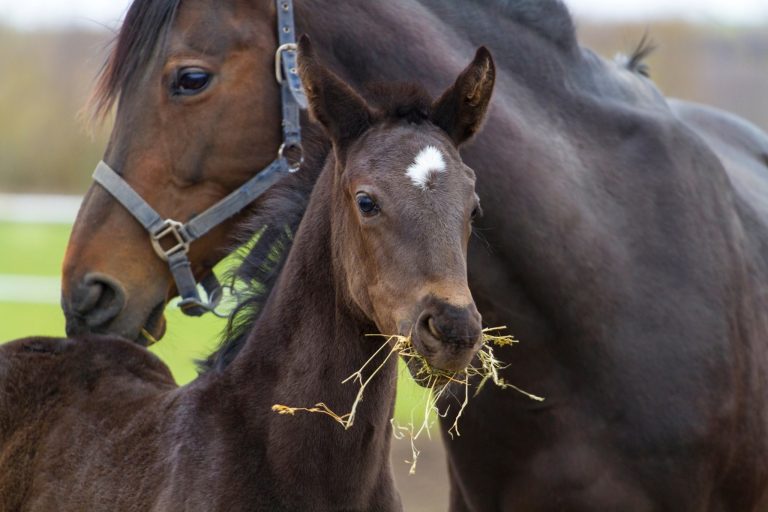
7. Develop a Foal Socialization and Handling Program
Temperament and trainability are not just management details—they are major selling points that directly influence a foal’s future market value. In fact, research and industry experience consistently show that early, positive human interaction plays a defining role in shaping a horse’s behavior for life.
A structured early handling program can make a significant difference. Many breeders begin with gentle imprinting shortly after birth, introducing the foal to calm, controlled touch on the face, ears, legs, and hooves. As the foal develops, this foundation is built upon with consistent daily handling, halter training, basic leading, and gradual desensitization to routine stimuli.
Foals that are well-prepared for everyday experiences—such as trailer loading, farrier visits, and veterinary care—are substantially more attractive to buyers. In many cases, a well-mannered, easily handled foal will outperform a genetically superior but poorly socialized counterpart in both demand and resale value.
8. Build a Strong Nutrition Program
The nutritional demands of pregnant mares, lactating mares, and growing foals are significantly higher than those of the average adult horse, making targeted feeding programs a cornerstone of any successful breeding operation.
Working closely with an equine nutritionist to design stage-specific rations is one of the most effective investments a breeder can make in long-term herd health and productivity.
Key nutritional considerations include:
- Late gestation mares: require increased levels of energy, high-quality protein, and essential minerals—particularly calcium, phosphorus, and copper—to support proper fetal development and prepare for foaling
- Lactating mares: have the highest energy requirements of any horse—they benefit from abundant, high-quality forage alongside carefully balanced concentrates to sustain milk production and body condition
- Growing foals: are particularly vulnerable to developmental orthopedic disease (DOD) if diets are unbalanced—excess non-structural carbohydrates or inadequate mineral ratios can significantly impact skeletal development
- Stallions: should be maintained in consistent, moderate body condition year-round, with nutritional support adjusted upward during peak breeding periods to sustain fertility and performance
A common and costly mistake is over-conditioning mares. Excess body fat is strongly associated with lower conception rates and increased risk of metabolic and reproductive complications, making controlled, balanced nutrition essential for reproductive success.
9. Market Your Program Strategically
Producing quality horses is only one side of the equation—turning those horses into sustainable income requires intentional, well-executed marketing.
Effective strategies for modern horse breeders include:
- A professional online presence: A polished website that clearly showcases your stallions, mares, and foals for sale—supported by high-quality photography and video—serves as the foundation of your brand.
- Strategic use of social media: Platforms like Instagram, Facebook, and YouTube are invaluable for documenting foal development, highlighting training progress, and sharing success stories that build an engaged, loyal following over time.
- Participation in breed events and futurities: Competing in inspections, shows, and futurities provides objective validation of quality and helps position your program within the broader industry.
- Consignment through reputable sales: Offering horses through established sales channels places them directly in front of buyers already actively searching for horses in your discipline.
- Strong trainer relationships: Collaboration with respected trainers in your target discipline is one of the most influential marketing tools available, as referrals often carry significant weight with serious buyers.
Above all, consistency is what separates thriving programs from struggling ones. Regular content updates, prompt communication, and thoughtful follow-up all contribute to a reputation that supports long term success in the industry.
10. Manage Your Finances Like a Business
Horse breeding is financially challenging and capital-intensive, and the most successful breeders approach it like any other business—with careful budgeting, diligent profit-and-loss tracking, and a realistic understanding of cost per foal.
Key financial strategies include:
- Calculate true production costs: Factor in stallion fees, reproductive services, feed, farrier care, veterinary care, insurance, and labor. Knowing your exact outlay ensures you price foals and services appropriately for sustainability.
- Price strategically: Set sale prices that reflect both your investment and the market value of your horses. Overpricing can stall sales, while underpricing erodes profit margins.
- Diversify revenue streams: Many top breeders supplement foal sales with stallion stud fees, embryo transfer programs, boarding, training, and lessons. Multiple income channels help buffer the operation during slow sales cycles.
- Track profitability per foal: Monitor how each foal’s outcome affects overall profitability to continually refine breeding and marketing decisions.
Approaching breeding as a disciplined business—not just a passion project—builds resilience and ensures your program can thrive long term.
11. Never Stop Learning
The most successful horse breeders never stop learning. They actively seek out knowledge through
- breed clinics
- reproductive seminars
- industry conferences
- reading the latest research in equine reproduction and genetics
- joining breed associations
- connecting with seasoned mentors can provide invaluable insights
Equine breeding is an evolving field: new reproductive technologies, genetic tools, and training methodologies emerge regularly. Breeders who stay ahead of the curve not only produce higher quality, more competitive horses but also create more resilient and sustainable programs that can adapt to changing market demands.
The Road to a Successful Breeding Program
Successful horse breeding is built on a foundation of disciplined decision making, scientific understanding, financial awareness, and a genuine respect for the horse itself.
When strong breeding stock selection is combined with excellent reproductive management, thoughtful foal development, strategic marketing, and responsible financial planning, it becomes possible to create a program with lasting value and integrity.
Ultimately, the horses you produce become your reputation in the industry. Invest the time, care, and precision to do it properly—and over time, the results will speak for themselves.