How to Become a Marine Mammal Trainer Complete Career Guide
Learn how to become a marine mammal trainer with our complete guide. Discover education requirements, certifications, hands-on experience tips, salary expectations, and job opportunities.
- What Does a Marine Mammal Trainer Do?
- Educational Requirements
- Essential Skills and Certifications
- Gaining Hands-On Experience
- The Typical Career Path
- Where to Find Jobs
- Networking and Professional Development
- Challenges and Realities of the Career
- Preparing Your Application
- Alternative and Related Careers
- Starting Your Journey Today
- The Rewards of the Career
- What Does It Take to Become a Marine Mammal Trainer?
Marine mammal training is both a highly rewarding and competitive career in animal care. If you’ve ever watched a dolphin show or observed trainers working with sea lions and wondered how to enter this field, you’re not alone.
This guide will take you step by step through everything you need to know about becoming a marine mammal trainer—from the education and skills required to gaining hands-on experience and ultimately landing your first job in the field.
What Does a Marine Mammal Trainer Do?
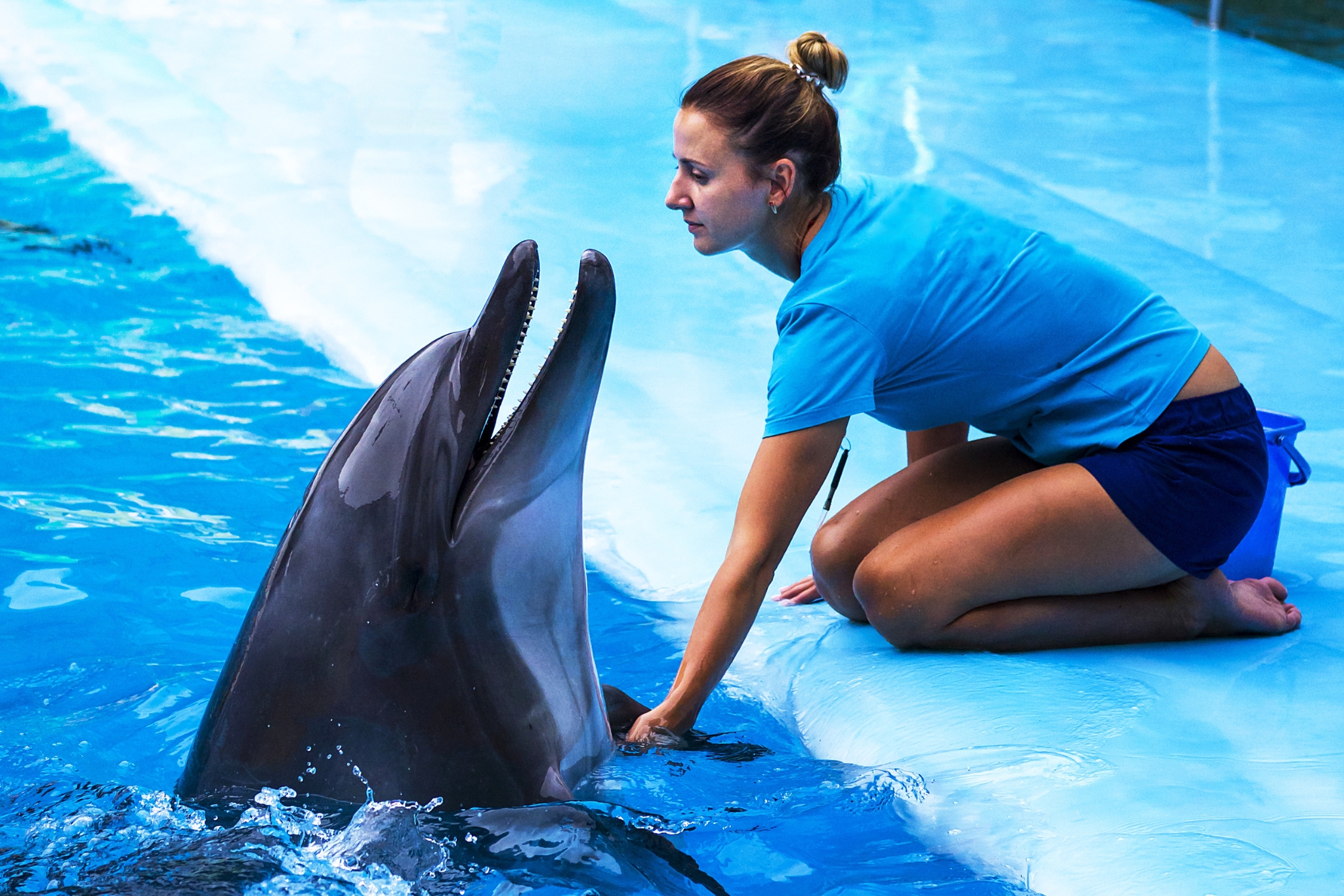
Marine mammal trainers work with animals like dolphins, sea lions, seals, otters, and occasionally whales.
Their role goes far beyond performing in shows. Trainers are responsible for the daily care, health monitoring, behavioral enrichment, and training of marine mammals in a variety of settings, including aquariums, marine parks, research institutions, and rehabilitation centers.
Typical Daily Tasks Include:
- Preparing and feeding food
- Conducting training sessions
- Performing routine health assessments
- Maintaining habitats
- Keeping detailed records
- Participating in educational presentations
- Collaborating with veterinarians on medical care
The work is physically demanding, often involves early mornings and weekends, and requires spending significant time in and around water, making stamina, swimming ability, and physical fitness essential.
Educational Requirements
While there is no single prescribed path, most marine mammal trainers hold at least a bachelor’s degree.
Relevant Majors Include:
- Marine biology
- Biology
- Zoology
- Animal science
- Psychology (particularly animal behavior)
- Oceanography
Some trainers enter the field with an associate degree combined with extensive hands-on experience, but a four year degree generally provides a stronger competitive edge.
Focus On Courses Such As:
- Animal behavior
- Marine ecology
- Animal physiology
- Learning theory
- Aquatic mammals
- Animal husbandry
- Public speaking
These courses provide the scientific foundation needed to understand animal cognition, training techniques, and the ecosystems in which marine mammals live.
Essential Skills and Certifications
In addition to formal education, successful marine mammal trainers need a well-rounded combination of practical and interpersonal skills.
- Strong swimming ability is absolutely essential—comfort and confidence in deep water are non-negotiable.
- Many facilities require SCUBA certification, as trainers often participate in underwater observations, tank maintenance, and emergency response situations.
- Basic first aid and CPR certification are typically mandatory, with some institutions requiring additional training in aquatic safety, rescue techniques, and emergency preparedness.
- Strong communication and presentation skills are essential, as trainers regularly interact with the public. They lead educational demonstrations and interpretive talks, helping visitors gain a deeper understanding of marine mammals’ biology, behavior, and conservation.
- Physical stamina and overall fitness are also vital. The work can involve lifting heavy buckets of fish, spending long hours in challenging weather conditions, and entering cold water multiple times a day.
- A deep understanding of operant conditioning and positive reinforcement training methods is fundamental. Trainers should be familiar with behavioral principles such as shaping, targeting, bridging, and successive approximation. A solid grasp of learning theory and training terminology not only enhances animal interactions but also sets new trainers apart as knowledgeable and professional candidates.
Gaining Hands-On Experience
In the field of marine mammal training, practical experience is often just as important (if not more so) than formal education.
Competition for training positions is intense, and facilities almost always prioritize candidates who can demonstrate solid experience in animal care.
Start building your resume early through internships, volunteer work, and entry level positions. Look for opportunities at aquariums, marine parks, research facilities, marine mammal rescue and rehabilitation centers, and zoos with marine mammals.
While these internships may be unpaid or offer minimal compensation, they provide invaluable hands-on experience and opportunities to network within the industry.
Many professional trainers began their careers as interns at the very facilities where they eventually secured full-time positions.
Consider gaining related experience with other animals as well. Many marine mammal trainers started by working with dogs, assisting in veterinary clinics, caring for animals at zoos or wildlife centers, or working in pet stores.
Such experience demonstrates your commitment to animal care and helps you develop transferable skills in animal handling and training.
The Typical Career Path
Most aspiring marine mammal trainers do not start in full training roles right away. Career progression generally follows this pattern:
1. Intern or Volunteer
Most begin by performing basic tasks such as food preparation, habitat cleaning, and observation. This stage helps you learn facility operations and assess whether a career in marine mammal training is right for you.
2. Entry Level Animal Care Positions
Next, many move into roles such as animal care specialist or keeper. Responsibilities include feeding, habitat maintenance, and basic animal care while learning from experienced trainers. You’ll observe training sessions and gradually assist with simple training exercises.
3. Assistant or Apprentice Trainer
With experience, you can advance to positions where you work directly with animals under supervision. You’ll learn specific training protocols, participate in shows or presentations, and begin taking on more responsibility in animal care and training.
4. Marine Mammal Trainer
After demonstrating competence over several years, you may advance to a full trainer role. In this position, you manage specific animals, design and implement training programs, and mentor newer staff.
5. Senior Trainer or Supervisor
Senior trainers oversee entire training programs, manage teams of trainers, collaborate on research projects, and contribute to program development. Some may eventually transition into management, research, or conservation focused roles.
Where to Find Jobs
Marine mammal training positions are available across a variety of facility types:
- Large marine parks and entertainment facilities often offer structured internships and career pathways.
- Aquariums and oceanographic institutions frequently combine training with research and educational programs.
- Marine mammal rescue and rehabilitation centers focus on preparing animals for release back into the wild.
- Research institutions employ trainers to work with marine mammals in scientific studies.
- Therapy programs use marine mammals in assisted therapy for individuals with disabilities.
- Naval facilities hire trainers for specialized marine mammal programs.
Job openings are typically posted on facility websites, the International Marine Animal Trainers’ Association (IMATA) job board, professional animal care job sites, and through professional networking.
Many positions are filled through internal promotions or personal connections, making networking an essential part of pursuing a career in this field.
Networking and Professional Development
Joining professional organizations is essential for career growth and advancement in marine mammal training.
The International Marine Animal Trainers’ Association (IMATA) is the leading global organization for marine mammal trainers. Membership provides access to conferences, workshops, a job board, and a network of experienced professionals.
The Association of Zoos and Aquariums (AZA) is another valuable organization, particularly for those working in accredited facilities.
Attending conferences allows trainers to learn the latest techniques and research, meet potential employers and mentors, present their own work, and stay current with industry trends.
Continuing education is equally important and can include workshops on advanced training methods, courses in animal behavior, specialized certifications in enrichment or medical care, and participation in research projects.
Challenges and Realities of the Career
Before committing to a career in marine mammal training, it’s important to understand the challenges.
Positions in this field are highly competitive, often attracting dozens or even hundreds of applicants for a single opening.
Entry level roles typically offer modest salaries, despite requiring significant education and hands-on experience. According to various salary surveys, starting pay generally ranges from $25,000 to $35,000. While salaries increase with experience, they rarely reach six figures.
The work is physically demanding, involving heavy lifting, long hours (including weekends and holidays) exposure to cold water and weather, and the potential for injuries such as slips, bites, or other accidents.
Relocation is often necessary, as opportunities are concentrated near coasts or in cities with aquariums and marine facilities.
Preparing Your Application
When you’re ready to apply for marine mammal training positions, start by creating a strong resume that emphasizes your animal care experience, relevant coursework and certifications, physical capabilities and water skills, and any public speaking or educational experience.
Craft a compelling cover letter that conveys your passion for marine mammals and conservation. Show that you understand the specific facility, highlight relevant experiences and the skills, and convey enthusiasm while maintaining a professional tone.
Prepare thoroughly for interviews by researching the facility, its animals, and its programs.
Be ready to discuss operant conditioning principles and provide examples of training or behavior modification you’ve performed.
During interviews, demonstrate genuine passion while showing a realistic understanding of the job’s demands. Prepare thoughtful questions about training philosophies, career development opportunities, and the facility’s culture to show engagement and professionalism.
Alternative and Related Careers
If a career as a marine mammal trainer proves too competitive or isn’t the right fit, there are several related paths to consider:
- Marine Biologists: Study marine ecosystems and may work directly with wild populations.
- Veterinarians or Veterinary Technicians: Specialize in providing medical care for marine animals.
- Wildlife Rehabilitators: Care for injured or orphaned marine mammals, preparing them for release when possible.
- Conservation Educators: Teach the public about marine ecosystems and conservation efforts.
- Research Technicians: Assist with scientific studies involving marine mammals.
- Aquarists: Maintain aquatic exhibits and often collaborate with trainers on animal care and enrichment.
Starting Your Journey Today
If you’re serious about becoming a marine mammal trainer, the best time to start is now. Gaining experience, building skills, and making professional connections early will give you a strong foundation for a successful career.
If You’re Still in School:
1. Choose a relevant major and take courses in animal behavior, marine biology, and related sciences.
2. Volunteer at zoos, aquariums, or other animal care facilities to gain hands-on experience.
3. Develop strong swimming skills and work toward SCUBA certification.
4. Join student chapters of professional organizations to connect with peers and mentors.
If You’re Changing Careers:
1. Seek part-time or volunteer positions at local aquariums, marine centers, or animal care facilities.
2. Consider returning to school for courses or certifications that will strengthen your qualifications.
3. Attend professional conferences such as IMATA (even as a guest) to learn about the field.
4. Network with current marine mammal trainers through social media, professional groups, and workshops.
Regardless of Your Path:
- Visit facilities that employ marine mammal trainers.
- Attend shows and educational presentations.
- Ask about internships or volunteer opportunities
- Observe trainers interacting with animals.
These experiences provide invaluable insight into daily responsibilities, animal care practices, and the skills required to succeed in this field.
The Rewards of the Career
Despite the challenges, marine mammal trainers find their work incredibly fulfilling. Trainers develop close bonds with intelligent, charismatic animals, contribute to conservation through education and research, and work alongside passionate, dedicated colleagues.
They help educate the public about marine ecosystems and conservation, and actively participate in advancing our understanding of marine mammal behavior and cognition.
For many, the opportunity to work closely with these remarkable animals and positively impact their welfare and conservation makes the demanding journey worthwhile.
What Does It Take to Become a Marine Mammal Trainer?
Becoming a marine mammal trainer requires dedication, patience, extensive education, and hands-on experience. The path is competitive and challenging, but for those with a genuine passion for marine mammals and a strong commitment to animal welfare, it is both achievable and deeply rewarding.
Begin building your qualifications today through targeted education, practical experience, and professional networking. Stay persistent, remain adaptable, and be prepared to start in entry-level roles while gradually working your way up.
With determination and careful preparation, you can turn your dream of working with marine mammals into reality. The ocean’s most charismatic creatures are waiting for individuals ready to commit to their care, training, and conservation.