Learn to Speak Horse Equine Body Language Every Equestrian Needs to Know
Is your horse trying to tell you something? Learn to decode equine body language—from pinned ears to tail wringing—and transform your horsemanship today.
- Why Equine Body Language Matters
- The Ears: Your Horse’s Emotional Antenna
- The Eyes: Windows to Your Horse’s Inner World
- The Muzzle and Mouth: Subtle Signals Most Riders Miss
- Ears, Eyes, and Muzzle Together: Reading the Whole Face
- The Tail: A Barometer of Emotion
- Body Posture and Weight Distribution
- The Language of Space and Approach
- Recognizing Stress and Pain Through Body Language
- How to Improve Your Horse Reading Skills
- The Language Is Already There — You Just Have to Listen
Whether you’re a seasoned competitor or a weekend trail rider, learning to understand what your horse is telling you can be one of the most transformative skills you develop. Horses are incredibly expressive, constantly communicating through subtle changes in posture, ear position, eye softness, and tail movement. The challenge is that most riders were never taught how to interpret these signals.
Reading equine body language isn’t just about building a stronger bond—it’s also a critical safety skill. A horse that feels understood is typically calmer, more responsive, and less likely to spook, buck, or bolt. Recognizing early signs of stress, pain, or discomfort also allows you to step in sooner, making you a more effective advocate for your horse’s health and wellbeing.
Once you start paying attention, you’ll realize your horse has been “talking” all along. The key is learning how to listen.
Why Equine Body Language Matters
Horses are prey animals that are hardwired to make split-second survival decisions. In the wild, the ability to communicate quickly and quietly with the herd can mean the difference between life and death. That instinct doesn’t disappear just because a horse lives in a barn with a hay net and a custom feed routine.
Every day, your horse is sending clear signals about how they feel—both physically and emotionally. When those signals are missed or misunderstood—when a worried horse is labeled “stubborn” or a pain response is dismissed as “bad behavior”—it often leads to frustration on both sides and erodes trust.
The encouraging part is that equine body language is remarkably consistent. Once you learn what to look for, you’ll start to recognize these signals everywhere—and your relationship with your horse will change for the better.
The Ears Your Horse’s Emotional Antenna
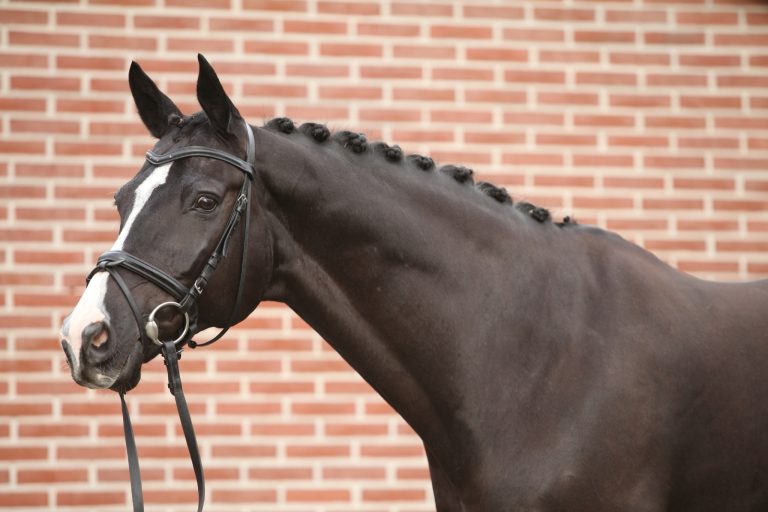
The ears are arguably one of the most expressive parts of a horse’s body—and often the first place experienced horse people look when assessing mood.
- Ears forward signal curiosity and attention. Your horse has noticed something and is focused on it. This is usually a relaxed, positive state, though if the body is tense and rigid, it may indicate heightened alertness.
- Ears pinned flat back are a clear warning. This posture almost always reflects anger, fear, or pain. A horse pinning its ears is saying, back off. It’s a signal you should never ignore, especially during feeding, grooming, or tacking up, as it can precede a bite or kick.
- One ear forward, one ear back is the classic “listening to everything” position. Your horse is tuned into you while also monitoring the environment. This is typically a neutral, attentive state.
- Floppy, drooping ears that fall loosely to the side indicate deep relaxation. You’ll often see this in horses resting, sunbathing, or enjoying grooming or bodywork.
- Rapidly swiveling ears show a horse actively processing its surroundings, taking in sounds from multiple directions. On its own, it’s not a concern—but paired with other signals, it helps complete the picture of how your horse is feeling.
The Eyes Windows to Your Horse’s Inner World
A horse’s eyes reveal an extraordinary amount about their emotional state—once you know how to read them.
- Soft, relaxed eyes with a slightly drooping upper lid are a sign of a calm, content horse. The muscles around the eye are loose, and the overall expression appears gentle and trusting.
- Wide eyes with visible white (often called “whale eye”) indicate fear, anxiety, or stress. When the sclera is clearly visible, your horse is in a heightened state of concern. This is a moment to pause, reduce pressure, and help your horse feel safe again—not to push forward.
- Hard, fixed eyes with an intense stare often go hand-in-hand with tension throughout the body. This kind of focus can signal that the horse is on high alert and potentially preparing to react or flee.
- Half-closed eyes can mean two very different things depending on context. In a relaxed setting, they suggest trust and comfort—like during grooming or rest. But if a normally alert horse suddenly appears dull or withdrawn, it may indicate pain or illness and should be evaluated by a veterinarian.
The Muzzle and Mouth Subtle Signals Most Riders Miss
The area around your horse’s muzzle is full of subtle expressions that are easy to miss—but incredibly informative once you start noticing them.
- Soft, loose lips are a sign of true relaxation. A horse that feels safe and comfortable will often have a slightly droopy lower lip—almost like an easy, contented smile.
- Tight, pursed lips or a tense jaw suggest stress, discomfort, or pain. Issues like poor bit fit, dental problems, or even ulcers can show up as tension in the mouth before other symptoms become obvious.
- Licking and chewing is often seen as a positive sign in horsemanship. It usually means the horse is processing a moment and releasing tension—shifting from mild stress into a more relaxed, thinking state. It reflects understanding, not submission.
- Yawning can also indicate relaxation, especially after training, massage, or bodywork. However, frequent or unexplained yawning may point to gastric discomfort, such as ulcers, and is worth discussing with your veterinarian.
- The flehmen response—that dramatic curl of the upper lip—is typically triggered by an interesting or unfamiliar scent. It’s commonly seen in stallions detecting mares in heat, but mares and geldings exhibit it as well.
Ears, Eyes, and Muzzle Together Reading the Whole Face
Here’s a critical point that separates novice horse readers from experienced ones: never interpret a single signal in isolation. The ears, eyes, and muzzle need to be read together as one complete expression.
A horse with forward ears, soft eyes, and a relaxed muzzle is genuinely calm and curious. In contrast, a horse with forward ears but hard eyes and a tight muzzle may be tense and on edge—despite those forward ears that are often mistaken for a “good attitude.”
True understanding comes from seeing the whole picture. When you learn to read the entire face as a unified expression, you move from basic observation to real fluency in your horse’s language.
The Tail A Barometer of Emotion
Tail carriage and movement are often overlooked, but they provide constant, real-time insight into your horse’s emotional state.
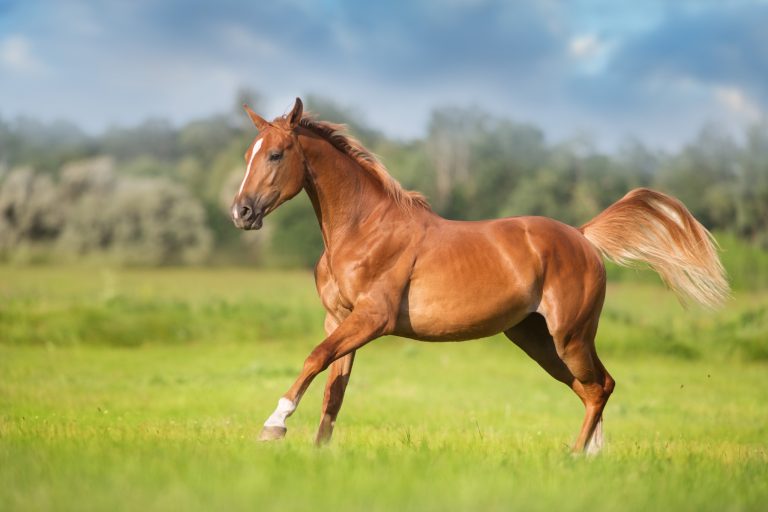
- A relaxed, swinging tail that moves naturally with the rhythm of the walk or trot is a great sign. It indicates a horse that is loose through the back, physically comfortable, and mentally at ease.
- A clamped tail, held tightly against the hindquarters, signals fear, pain, or tension. Under saddle, this is a strong indicator of discomfort—often indicating back tension, saddle fit issues, rider position, or underlying physical pain.
- A wringing or lashing tail during work is a clear expression of irritation or resistance. It often reflects frustration, whether from confusing aids, discomfort, or being pushed beyond the horse’s comfort level.
- A raised tail suggests heightened energy or excitement. You’ll often see this in playful or stimulated horses, especially in turnout. Under saddle, a suddenly raised tail paired with a shortened stride can be an early warning sign of a spook or bolt.
Body Posture and Weight Distribution
Reading your horse from ears to tail means looking at the entire body, not just isolated signals. Posture gives you a big-picture view of both physical comfort and emotional state.
- A square, balanced stance—with weight evenly distributed across all four feet—indicates a neutral, relaxed horse. This is a sign your horse is comfortable and not under significant stress.
- Resting a hind leg (with the hip dropped and the toe lightly touching the ground) is normal, especially in a safe, familiar environment. However, consistently resting the same leg or avoiding even weight-bearing can point to discomfort or lameness and should be evaluated.
- Leaning away or turning the hindquarters toward you is a clear boundary signal. A horse presenting its hind end may be preparing to kick or expressing strong discomfort with your presence. This is a situation that requires caution and awareness.
- A lowered head and neck with a soft, relaxed topline signals trust and relaxation. In motion, a swinging back and a long, reaching neck reflect correct, comfortable movement. On the other hand, a high, braced neck paired with a tight back indicates tension—whether physical, emotional, or both.
The Language of Space and Approach
How your horse responds when you approach can reveal a great deal about both their emotional state and the quality of your relationship.
- Walking toward you freely with a relaxed expression is a strong positive signal. It means your horse is choosing interaction and feels comfortable in your presence.
- Turning to face you with ears forward is generally a warm, welcoming response. Your horse is acknowledging you and showing interest in engaging.
- Moving away or looking away when you approach can have multiple meanings. Sometimes it simply reflects a lack of interest in interaction at that moment, but it can also indicate anxiety, past negative experiences, or a strained relationship. It’s valuable information—not something to punish.
- Mutual grooming behavior, where your horse gently nibbles at your arm, shoulder, or back, is a significant social gesture. In horse language, this is a bonding behavior typically reserved for trusted companions. While it may need gentle boundaries if it becomes too enthusiastic, it ultimately signals that your horse sees you as part of their herd.
Recognizing Stress and Pain Through Body Language
One of the most important reasons to learn equine body language is to recognize pain and illness early. Horses are naturally stoic—they’ve evolved to hide weakness—but their bodies still reveal the truth if you know what to look for.
Signs of acute pain or distress can be dramatic and should never be ignored. These include pawing, looking at or biting the flank, rolling, repeatedly getting up and down, sweating without exertion, an elevated respiratory rate, and reluctance to move. These are also classic signs of colic and require immediate veterinary attention.
Signs of chronic discomfort are often much more subtle—and frequently overlooked. These may include resistance to being girthed, pinned ears during saddling, reluctance to move forward, difficulty bending or moving laterally in one direction, changes in behavior under saddle, or ongoing tension in the face and body. Many horses labeled as “lazy” or “difficult” are actually trying to communicate discomfort.
Tools like the Ridden Horse Pain Ethogram, developed by equine behavior researchers, have helped formalize these signals. Indicators such as a wrinkled muzzle, pinned ears, or an open mouth under saddle provide a science-based framework for identifying pain—giving riders and trainers a clearer, more objective way to recognize when a horse is struggling.
How to Improve Your Horse Reading Skills
Understanding equine body language is a skill that grows with practice and attention. Here’s how to develop it effectively:
- Spend unstructured time with your horse – Simply being present in the paddock without an agenda helps you learn your horse’s “normal” behaviors. Recognizing what’s unusual requires knowing the baseline first.
- Observe herd interactions – Watching horses communicate with each other is the best classroom for body language. Notice how posture, spacing, and subtle expressions convey boundaries, affection, or tension.
- Study and journal – Keep a notebook of your observations: how your horse reacts when you arrive, changes during grooming, tail movements during rides. Over time, patterns emerge that reveal emotional and physical states.
- Work with knowledgeable professionals – Trainers, equine behaviorists, or veterinarians focused on behavior can help you accurately interpret signals, especially for individual horses.
- Be a student of feel – Body language isn’t just visual. The tension or softness you feel through the reins, the back beneath the saddle, or resistance in lateral flexion tells you as much as what you see. Observation and tactile awareness go hand in hand.
The Language Is Already There You Just Have to Listen
Your horse has been talking to you since the very first moment you met. Every pinned ear, soft eye, swinging tail, and subtle weight shift is part of an ongoing conversation—and an invitation to connection.
The most skilled horsepeople aren’t performing magic—they simply got quiet, paid attention, and chose to listen to what their horse was telling them.
Start today: approach your horse without a task, without a training goal, without a checklist. Just watch. Just listen. You’ll be amazed at how much they’ve been trying to communicate all along.
Remember, learning equine body language is a lifelong journey. The more you understand, the deeper, safer, and more rewarding your partnership becomes—for both of you.