
7 Leave No Trace Principles Every Nature Lover Should Know
From responsible wildlife viewing to thoughtful camping and hiking, these essential outdoor etiquette tips will help you protect scenic trails, respect wildlife, and preserve natural spaces for future generations.
Hey there, nature lovers! Whether you’re planning your first camping trip or you’re a seasoned trail enthusiast, understanding Leave No Trace principles is absolutely essential for keeping our beautiful outdoor spaces pristine for generations to come.
Think of it as the golden rulebook for responsible outdoor recreation – and honestly, once you get the hang of it, these practices become second nature.
What Exactly Is Leave No Trace?
Leave No Trace (LNT) is a set of seven outdoor ethics principles designed to minimize human impact on natural environments.
Created by the Leave No Trace Center for Outdoor Ethics, these guidelines help us enjoy hiking, camping, and exploring while protecting wildlife, ecosystems, and the overall outdoor experience for everyone. The best part is that they’re super practical and totally doable for adventurers of all experience levels.
The 7 Leave No Trace Principles Explained
The 7 Principles of
Leave No Trace
How to explore, enjoy, and protect the wild places we love.
Plan Ahead and Prepare
Research your destination thoroughly before you go. Check weather conditions, understand local regulations, and familiarise yourself with the terrain. Pack appropriate gear including navigation tools, first aid supplies, and enough food and water.
Smart planning means you’re less likely to make decisions that harm the environment out of desperation — and it makes your trip far more enjoyable.
Travel and Camp on Durable Surfaces
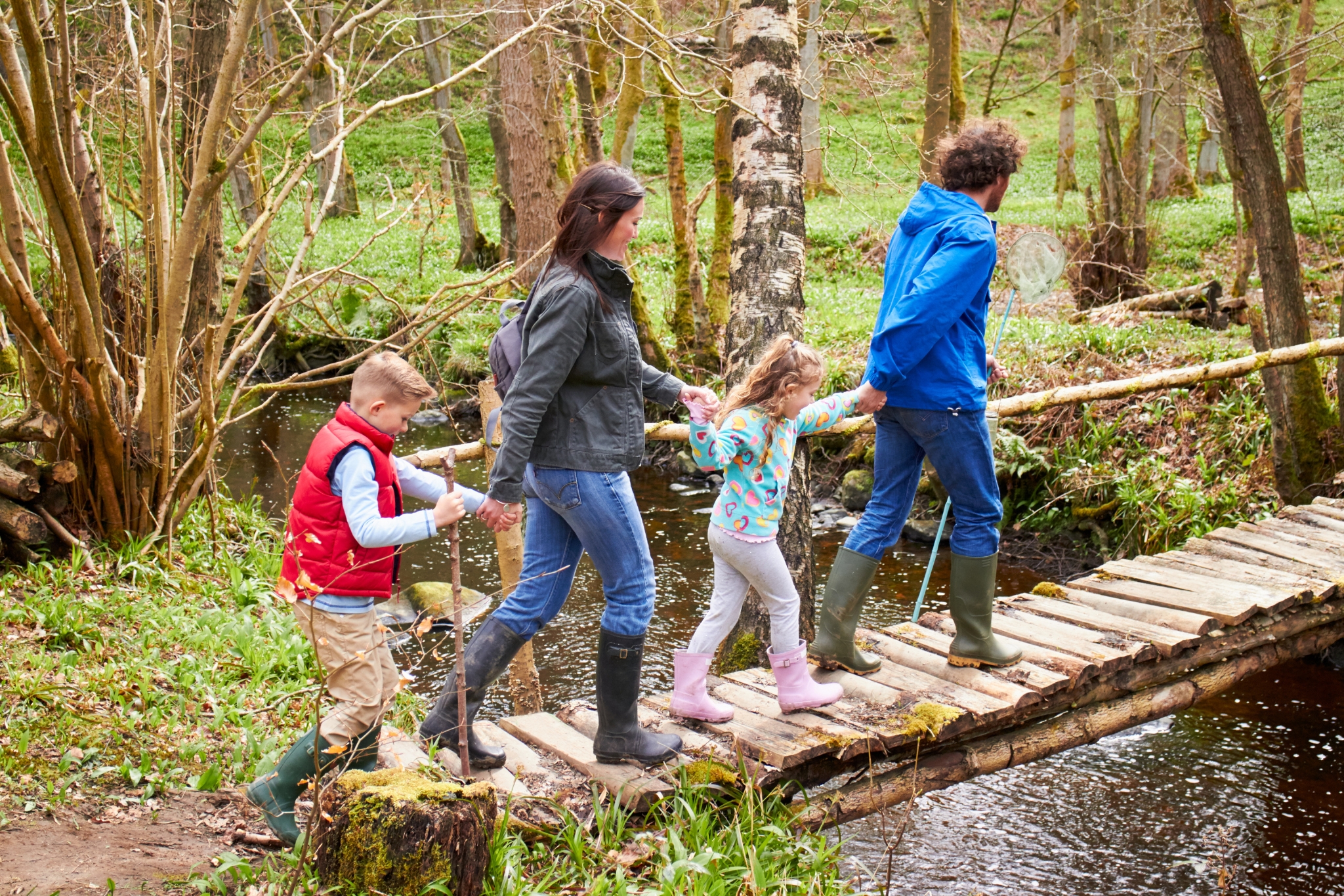
Stick to established trails and campsites wherever possible. Walk in single file down the centre of the trail — even through mud or puddles. Creating alternate paths leads to trail widening and erosion.
For camping, seek out rock, gravel, dry grasses, or established sites. Use areas already impacted, or spots that can handle use without showing wear.
Dispose of Waste Properly
“Pack it in, pack it out” — all trash, leftover food, and litter goes home with you. Yes, even that orange peel. For human waste, dig catholes 6–8 inches deep and at least 200 feet from water sources, trails, and campsites.
Pack out toilet paper and hygiene products. Strain dishwater and scatter it at least 200 feet from water sources. These practices are crucial for keeping wilderness healthy and water clean.
Leave What You Find
Those wildflowers, that cool rock formation, that historic artifact — leave them exactly as you found them. Observe but don’t touch cultural or historic structures. Avoid introducing non-native species, and don’t build structures or dig trenches.
This ensures every visitor gets to experience the same natural wonder — and you can take all the photos you want without disturbing a thing.
Minimise Campfire Impacts
Where fires are permitted, use established fire rings and keep fires small. Only burn sticks you can break by hand. Better yet, use a camp stove: lighter, more efficient, and completely eco-friendly.
If you do have a fire, burn it to ash, extinguish it completely, and scatter the cool ashes over a wide area away from camp.
Respect Wildlife
Observing animals in their natural habitat is one of the best parts of being outdoors — but never feed wildlife. It damages their health, alters natural behaviour, and can make them dangerous. Store food securely and pack out all food waste.
If an animal changes its behaviour because of your presence, you’re too close. Give extra space during mating season, nesting, or when young are present.
Be Considerate of Other Visitors
The outdoors belong to everyone. Being courteous creates a positive experience for all and helps maintain the peaceful atmosphere we all come here to find.
- Keep noise levels down — let others enjoy the natural soundscape
- Yield to other trail users appropriately and take breaks to the side
- Don’t block the trail if travelling in a group
- Respect quiet hours at campsites and avoid bright lights at night
- Keep pets under control at all times
The Stakes Have Never Been Higher
With outdoor recreation participation at an all-time high, our favourite trails and campsites are experiencing unprecedented use. By following Leave No Trace principles, we’re actively making a difference — every single visit.
Getting Started with Leave No Trace
Ready to become a Leave No Trace champion? Start by choosing one or two principles to focus on during your next outdoor adventure.
Share what you’ve learned with friends and family. The more people practicing these ethics, the better!
Remember, Leave No Trace isn’t about perfection – it’s about making conscious informed choices that minimize our impact. Every small action adds up to make a huge difference in protecting the wild places we love so much.
So grab your gear, hit the trails, and leave nothing but footprints behind!
Happy (responsible) adventuring! 🌲✨