Mini Donkey Magic: Getting to Know These Cuties
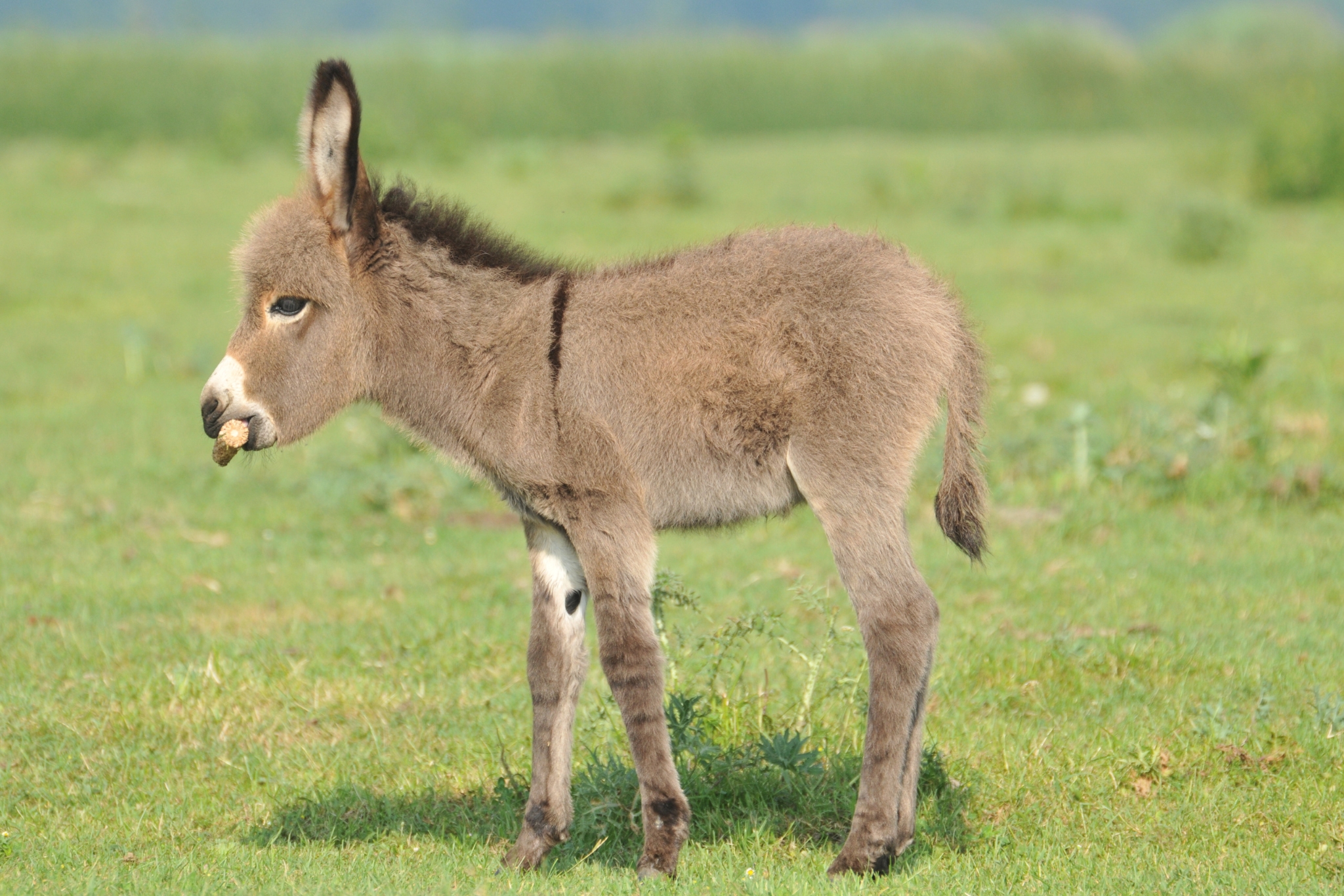
Picture this: you’re strolling through a pasture when a fuzzy, little donkey trots up to nuzzle your hand with the sweetest little face you’ve ever seen. Sounds like a dream, right? Well, it could totally be your reality!
These pint sized cuties aren’t just Instagram worthy – they genuinely make wonderful pets for the right families.
Let’s dive into everything you need to know about mini donkey ownership, from their charming personalities to their care requirements.
What Exactly Are Mini Donkeys?
Miniature donkeys (also called miniature Mediterranean donkeys) are exactly what they sound like: smaller versions of standard donkeys.
Standing between 32 to 36 inches tall at the shoulder (that’s about the height of a large dog!), these compact cuties originated from the Mediterranean islands of Sicily and Sardinia.
They were originally bred to navigate rocky terrain and serve as working animals in tight spaces, but today they’ve found their calling as beloved companion animals.
Why Mini Donkeys Make Amazing Pets
They’re Incredibly Affectionate
Unlike their stubborn reputation might suggest, mini donkeys are absolute sweethearts! They form strong bonds with their owners and genuinely enjoy human interaction. Many mini donkey owners report that their donkeys follow them around like puppies, nuzzle for attention, and even learn their names. How precious is that?
They Have Gentle and Calm Temperaments
Miniature donkeys are known for their docile and friendly nature, making them fantastic pets for families with children. They’re patient, rarely aggressive, and generally easygoing once they trust you. With that said, they do have opinions (hello, sassy donkey personality!), which only adds to their charm.
They’re Surprisingly Smart
These little equines are whip-smart! Mini donkeys can learn tricks, recognize their names, and even be trained to walk on a lead. They have excellent memories and can remember people and places for years. Just be warned – their intelligence means they can also figure out how to escape enclosures if they’re not properly secured!
Long Lifespan Means Years of Companionship
With proper care, miniature donkeys typically live 25 to 35 years. Some have even reached 40! This means you’re making a long term commitment, but it also means that you’ll have decades of memories with your fuzzy friend.
Essential Mini Donkey Care Requirements
Space and Shelter Needs
Even though they’re small, miniature donkeys still need plenty of room. Aim for at least a quarter to half an acre per donkey—though more space is always ideal. They also need reliable shelter to protect them from harsh weather, rain, and extreme temperatures. A three-sided run-in shed is perfect, giving them the freedom to come and go as they like.
DID YIU KNOW? Miniature donkeys can live in a barn the same way horses do, but they thrive best when they have regular access to a pasture where they can roam, graze, and stay active.
The “No Donkey Is an Island” Rule
Here’s the thing: mini donkeys are herd animals and absolutely should not be kept alone. They need companionship to thrive, whether that’s another donkey, a horse, a goat, or even sheep. A solo donkey can become depressed and develop behavioral issues, so always plan to have at least two critters!
Diet and Nutrition
Miniature donkeys are surprisingly efficient eaters, which means they’re prone to obesity if overfed. They primarily need:
- High quality grass hay (not alfalfa, which is too rich)
- Fresh clean water available at all times
- Minimal grain (most mini donkeys don’t need any grain at all)
- Access to a salt block
- Careful monitoring of pasture time, especially on lush grass
Hoof Care Is Non-Negotiable
Mini donkey hooves grow continuously and need trimming every 6 to 10 weeks by a qualified farrier. This is absolutely essential for their health and mobility, so factor this ongoing cost into your budget.
Veterinary Care
Your miniature donkey will need regular veterinary attention, including annual check-ups, dental care, vaccinations, and deworming. Find an equine vet in your area before bringing your donkey home.
Mini Donkey Personality Quirks We Absolutely Adore
They’re Chatty!
Mini donkeys communicate with an adorable array of sounds, from their signature “hee-haw” to softer grunts and brays. Each donkey has their own unique voice, and you’ll quickly learn what different sounds mean.
They Have Opinions About Weather
Mini donkeys are not fans of rain. Their coats aren’t as water-resistant as horses’, so they’ll often refuse to go out in wet weather. It’s honestly kind of relatable, and their grumpy rain faces are too funny.
They’re Natural Guard Animals
Despite their small size, mini donkeys are surprisingly protective. They’re naturally wary of predators and will sound the alarm (loudly!) if something seems amiss. Many people keep them with other livestock for this exact reason.
How Much Does a Mini Donkey Cost?
Let’s talk numbers, because budgeting is always cute when you’re planning responsibly! A mini donkey typically costs between $500 to $3,000+, depending on factors like age, training, and coloring.
Jennets (females) and jacks (males) usually cost about the same, and gelded (neutered) males might be slightly less expensive.
Don’t Forget To Budget For Ongoing Costs: Shelter, fencing, hay, farrier visits, and veterinary care can add up to $1,000 to $3,000+ annually per donkey.
Mini Donkey Colors and Coat Patterns
Miniature donkeys come in the most gorgeous variety of colors! You’ll find them in gray dun (the classic donkey color), brown, black, white, spotted, and even sorrel. Most have the characteristic dorsal stripe down their back and a cross over their shoulders – it’s like they come with built-in accessories!
Training Your Mini Donkey
- Miniature donkeys respond amazingly well to positive reinforcement training (they love treats!) – Start with basics like halter training, leading, and hoof handling.
- Be patient and keep sessions short (about 15 to 30 minutes max)
- Mini donkeys respond beautifully to consistent and gentle training, but they can become stubborn if they feel pressured or afraid. The key is building trust and making training fun!
Legal Considerations and Zoning
Before you fall head over hooves in love, check your local zoning laws! Many areas have restrictions on keeping livestock (even miniature varieties).
Depending on where you live, you may need a minimum acreage, special permits, or approval from your HOA. It’s definitely less fun than shopping for halters, but it’s absolutely necessary.
Is a Miniature Donkey Right for You?
Mini donkeys make fabulous pets for the right situation! They’re perfect if you have adequate space, time for daily care, the ability to keep at least two animals, and you have a long term commitment mindset.
They’re wonderful for families, hobby farmers, homesteads, and anyone looking for an intelligent and affectionate companion that’s a little different from the norm.
However, they might not be ideal if you’re short on space, can’t afford ongoing veterinary and farrier care, or aren’t prepared for a 30+ year commitment.
Ready to Become a Mini Donkey Parent?
Miniature donkeys are special creatures that bring so much joy, laughter, and love to their owners’ lives.
Yes, they require commitment and proper care, but the reward is an incredibly loyal and charming companion with personality for days. If you’re seriously considering adding a mini donkey to your family, do your research, connect with breeders or rescue organizations, and maybe even volunteer at a donkey sanctuary to get hands-on experience.
Trust us – once you hear that adorable bray and see those soulful eyes, you’ll understand why mini donkey fever is sweeping the nation. These little guys are absolutely worth it!
Thinking about bringing home a mini donkey? Be sure to work with reputable breeders or consider adopting from a rescue organization – there are many donkeys waiting for a loving forever home. Happy donkey parenting!