Are Pet Monkeys Legal in Nevada?
Pet monkeys are legal under Nevada state law, but local ordinances vary widely. Get the full legal picture before bringing one home.

- The Short Answer: Yes, With Caveats
- The Law Behind It: NAC 503.140
- Where It Gets Complicated: Local Ordinances
- What About Great Apes?
- Which Monkey Species Are Actually Kept as Pets in Nevada?
- Legal Doesn’t Mean Easy: What Owning a Monkey Actually Requires
- Quick Reference: Nevada Pet Monkey Legality
- Frequently Asked Questions
- The Bottom Line
If you’ve been searching “Can you own a monkey in Nevada?” the short answer is yes—but there’s more to it than a simple one word answer.
Nevada is one of the more permissive states when it comes to primate ownership, but that doesn’t mean every city or county follows the same rules. State law and local regulations are two different things, and where you live makes a big difference.
Here’s what you need to know before you even consider bringing a monkey into your home:
The Short Answer Yes, With Caveats
At the state level, Nevada does not ban monkey ownership.
Under Nevada’s administrative code, monkeys and other primates can be possessed, transported, imported, and exported without a state wildlife permit or license. This exemption falls under NAC 503.140, which lists certain animal species that can be kept without going through the state’s licensing process.
Because primates are exempt from the state’s general permitting requirements, there isn’t a state application or approval process you need to go through just to own a pet monkey. That makes Nevada one of the more permissive states when it comes to private primate ownership.
But there’s an important catch—“No state permit required” doesn’t mean “no rules apply.” Your city and county can have their own restrictions, permit requirements, or even bans on certain primates.
The Law Behind It NAC 503.140
Nevada’s exotic animal rules fall under Nevada Revised Statutes Chapter 503, which gives the state’s Board of Wildlife Commissioners authority over which animals can be imported, transported, or privately possessed.
Two regulations are especially important here:
NAC 503.110 covers species that are restricted or require a permit, with certain exemptions for places like zoos, aquariums, research facilities, and other licensed organizations.
NAC 503.140 lists animals that can be possessed, transported, imported, or exported without a state permit, and monkeys and other primates are included on that list.
That puts Nevada in a relatively unusual position. While many states either prohibit private primate ownership altogether or require a special exotic animal or wildlife permit, Nevada does not require a state level permit for pet monkeys.
Where It Gets Complicated Local Ordinances
This is one of the most important things to understand about exotic pet laws in Nevada: state law and local law are not the same thing, and local rules can be much stricter.
Nevada’s counties and cities can create their own animal control ordinances, and several of the state’s larger jurisdictions have done just that. Clark County, which includes Las Vegas, Henderson, and North Las Vegas, has generally taken a more restrictive approach to primates and other exotic animals. In some cases, Clark County Animal Protection Services requires an application and inspection that go beyond what state law requires.
In practical terms, that means:
- A monkey can be legal under Nevada state law but still be illegal or heavily restricted in Las Vegas, Henderson, or unincorporated Clark County without the proper local approval.
- Reno, Washoe County, and rural counties have different rules, so you can’t assume the same regulations apply throughout Nevada.
- HOA rules and rental agreements can add another layer of restrictions. Even if owning a monkey is legal under wildlife laws, your HOA or landlord may prohibit it.
If you live in or around the Las Vegas Valley, checking with Clark County Animal Protection Services before getting a monkey is essential. It’s way better to confirm the rules ahead of time than to discover after the fact that you can’t legally keep an animal in your home.
What About Great Apes?
It’s worth clearing up one common point of confusion: monkeys and great apes aren’t the same thing, even though the terms are often used interchangeably.
Great apes (such as chimpanzees, gorillas, orangutans, and bonobos) are subject to different rules than monkeys. Nevada doesn’t outright prohibit private ownership of great apes under state law, but they fall under different regulations, especially when it comes to importing, transporting, breeding, or exhibiting them.
For most people researching pet monkeys, the animal they have in mind is a true monkey, such as a capuchin, marmoset, or squirrel monkey. Those species fall under the monkey specific exemption in NAC 503.140, which is the rule most relevant to pet monkey ownership in Nevada.
Which Monkey Species Are Actually Kept as Pets in Nevada?
The word “monkey” covers a wide range of animals, from a tiny 2 pound marmoset to an 8 pound capuchin with impressive problem solving abilities.
Nevada’s state law generally treats primates broadly rather than creating separate ownership rules for each species, but that doesn’t mean every monkey is equally suited to life in a home.
Some of the species most commonly discussed as pets include:
- Capuchin Monkeys — Highly intelligent and long lived, these monkeys often live 30 to 45 years. They’re probably what most people picture when they think of a pet monkey, but they also come with major demands for space, enrichment, care, and a lifelong commitment.
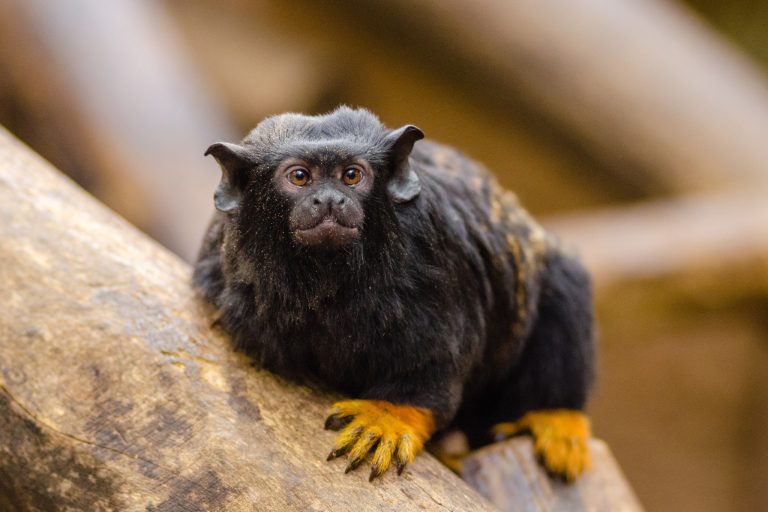
- Marmosets and Tamarins — These monkeys are small and sometimes marketed as “finger monkeys,” but their small size doesn’t make them simple or easy pets. They still have specialized dietary, social, and environmental needs.
- Squirrel Monkeys — These primates are extremely active and social animals that do best with companionship rather than being kept alone.
No matter the species, owning a pet monkey is a much bigger commitment than simply having an exotic pet that happens to be legal.
None of these animals are low maintenance pets, even if Nevada’s permit free status makes ownership seem easier than it really is. It’s important to keep in mind that the legal side is only part of the picture. The day to day reality of caring for a monkey is way more demanding than most people expect.
Legal Doesn’t Mean Easy What Owning a Monkey Actually Requires
A legal green light from the state is really just the beginning. Primates are among the most demanding exotic animals to care for, so before you even get to the question of whether you can legally keep one at your specific address, it’s important to understand what ownership actually involves.
- A decades long commitment. Capuchins can live 30 to 45 years in captivity. That means a monkey you bring home in your twenties could still be your responsibility well into your sixties.
- Specialized veterinary care. Finding a veterinarian with real experience treating primates can be difficult, so it’s important to locate one before bringing an animal home (not after).
- Potential disease risks. Diseases can spread in both directions—primates can carry illnesses that may infect people, while humans can also pass illnesses to primates. This two way risk is one reason primate ownership is restricted in many places.
- Challenging behavior. Being raised in captivity doesn’t erase a monkey’s natural instincts. As they mature (especially during sexual maturity) some primates can become aggressive, destructive, and harder to safely handle. This is one reason some pet monkeys eventually end up in sanctuaries.
- Social and enrichment needs. Monkeys are highly social and intelligent animals. Without enough space, stimulation, and appropriate companionship, they can develop serious behavioral and psychological problems.
Quick Reference
Nevada Pet Monkey Legality
Frequently Asked Questions
1. Do I need a permit to own a monkey in Nevada?
No, not at the state level. Nevada generally allows monkeys and other primates to be kept without a state wildlife permit. However, your city or county may have its own rules or require a local exotic animal permit, so it’s important to check your local laws before bringing one home.
2. Can I own a monkey in Las Vegas or Clark County?
This is where things get a little more complicated. Clark County and the cities within it (including Las Vegas and Henderson) have their own rules for exotic animals that are more restrictive than state law. If you live in the Las Vegas area, check with your local animal control agency before getting a monkey to make sure the species is allowed where you live.
3. What happens if I own a monkey illegally in Nevada?
The consequences depend on the specific law or local ordinance being violated. Depending on the situation, you could face fines, confiscation of the animal, misdemeanor charges, or even jail time.
4. Are pet marmosets legal in Nevada?
Nevada is one of the states where marmosets can be kept as pets without a state level wildlife permit. But local laws still apply, so you’ll want to check with your city and county before getting one.
5. Should I get a pet monkey just because it’s legal?
Not necessarily—because legal doesn’t mean easy. Primates are intelligent, social, long lived, and incredibly demanding animals. They require specialized diets, veterinary care, housing, and lots of enrichment, and many become much more challenging as they mature.
If you’re seriously considering a monkey, spend time with a reputable primate rescue or experienced keeper first. Understanding what these animals actually need is just as important as knowing whether you’re legally allowed to own one.
The Bottom Line
Nevada’s state laws are relatively relaxed when it comes to pet monkey ownership, with primates generally exempt from the permitting requirements that apply to many other exotic animals. But local rules can be a different story, especially in places like Clark County where you need a permit, inspection, or may not be allowed to keep certain species at all.
Before bringing a monkey home in Nevada, it’s a good idea to check with your local city or county animal control office and talk to a veterinarian who has experience treating primates. This can help you understand the local requirements and make sure you’re prepared for the specialized care a monkey needs.
State laws can tell you whether owning a monkey is legal, but they don’t tell you whether one is actually a good fit for your home, lifestyle, or local requirements.