Savannah Kitten Vaccinations Everything Owners Need to Know
Curious which vaccines your Savannah kitten actually needs? Here’s a clear, easy breakdown of essential shots, when to schedule them, and how to give your kitten a healthy start right from day one.
- Why Vaccinations Matter for Savannah Kittens
- Core Vaccines for Savannah Kittens
- Non-Core Vaccines to Discuss with Your Vet
- The Savannah Kitten Vaccination Schedule at a Glance
- Titer Testing for Adult and Senior Savannah Cats
- Are There Special Considerations for Savannah Cats?
- Tips for a Smooth Vaccination Experience
- What Happens If You Skip Vaccinations?
- Frequently Asked Questions About Kitten Vaccines
- Final Thoughts on Savannah Kitten Vaccinations
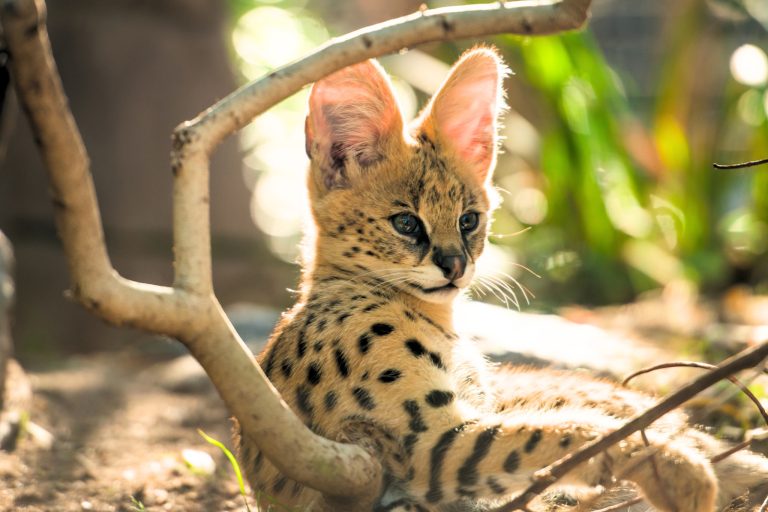
If you’ve recently welcomed a Savannah kitten into your home—or you’re getting ready to—understanding their vaccination schedule is one of the smartest ways to set them up for a healthy start.
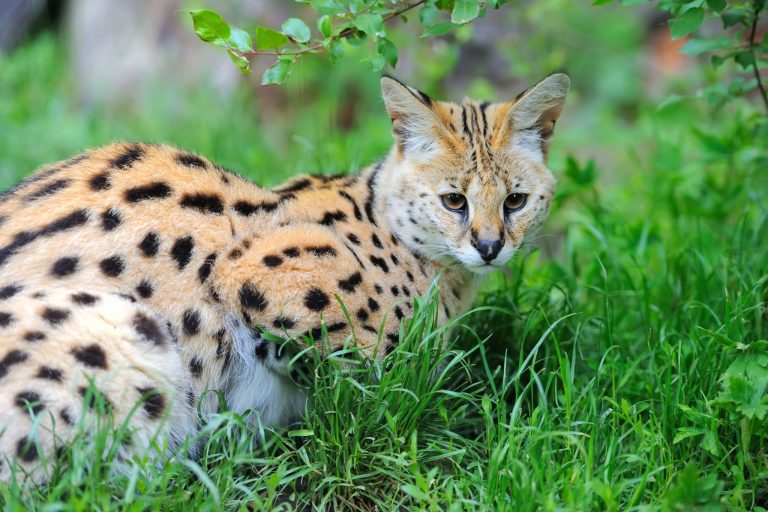
Savannahs, with their African Serval lineage, are striking, clever, and full of energy—but like any cat, they can be vulnerable to preventable infectious diseases.
Here’s a clear look at which vaccines matter most, when to schedule them, what makes Savannahs a bit unique, and how to work with your veterinarian to create a thoughtful, well-rounded care plan.
Why Vaccinations Matter for Savannah Kittens
Savannah kittens start life with a bit of built-in protection from their mother’s milk, but that immunity fades fairly quickly—typically within the first 8 to 16 weeks of life. Once that window closes, your kitten becomes far more vulnerable to infections—ones that can be serious, cause lasting damage, or even become life-threatening.
Vaccines step in at exactly the right moment—by introducing a weakened or inactivated version of a disease, they help your kitten’s immune system build the antibodies it needs to respond quickly if exposed later on.
For Savannahs, this protection is especially important. With their partial wild ancestry and typically high energy levels, they often have more environmental exposure than the average house cat—particularly in homes where they have outdoor access or contact with other animals.
Core Vaccines for Savannah Kittens
Veterinarians divide cat vaccines into two categories: core vaccines (recommended for all cats) and non-core vaccines (recommended based on lifestyle and risk factors).
1. FVRCP — The Combination Vaccine
FVRCP is the cornerstone of feline vaccination and covers 3 diseases in one shot:
- Feline Viral Rhinotracheitis (FVR) — Caused by feline herpesvirus type 1, this respiratory disease causes sneezing, nasal discharge, and eye infections. It can become a lifelong, recurring problem.
- Calicivirus (C) — Another upper respiratory virus that can also cause painful oral ulcers and, in severe cases, systemic illness.
- Panleukopenia (P) — Also known as feline distemper, this highly contagious parvovirus attacks the immune system and intestinal tract. It is often fatal in kittens.
Schedule: FVRCP is typically given every 3 to 4 weeks starting at 6 to 8 weeks of age, with the final kitten dose given at 16 weeks. A booster follows at 1 year, then every 1 to 3 years depending on the vaccine used and your vet’s recommendation.
2. Rabies Vaccine
Rabies vaccination is required by law in most U.S. states and many countries worldwide. Rabies is a fatal disease in virtually all mammals, including humans, making this vaccine a public health priority as well as a personal one.
Schedule: The first rabies vaccine is typically given at 12 to 16 weeks of age. Depending on the vaccine type, boosters are given annually or every 3 years.
Important note for Savannah owners: Because Savannahs have Serval ancestry, some states and localities have specific regulations around exotic or hybrid cats—including requirements for proof of vaccination. Always confirm local laws and keep vaccination records current and accessible.
Non-Core Vaccines to Discuss with Your Vet
Depending on your Savannah kitten’s lifestyle, your veterinarian may recommend additional vaccines.
Feline Leukemia Virus (FeLV)
FeLV is a retrovirus that suppresses the immune system and can lead to cancer. It spreads through close contact—grooming, shared food bowls, and bite wounds.
The American Association of Feline Practitioners (AAFP) recommends FeLV vaccination for all kittens, as exposure risk is difficult to predict.
Who needs it most: Kittens with outdoor access, cats in multi-cat households, or any Savannah that may come into contact with unknown cats.
Schedule: A series of two vaccines given 3 to 4 weeks apart, starting as early as 8 weeks, followed by annual boosters for at-risk cats.
Feline Immunodeficiency Virus (FIV)
FIV weakens the immune system over time and is spread primarily through deep bite wounds. A vaccine has existed, but it is not universally recommended and comes with caveats—including that vaccinated cats will test positive on standard FIV tests, which can complicate future assessments. Discuss the pros and cons with your vet.
Bordetella and Chlamydophila
These vaccines protect against bacterial respiratory infections. They are typically only recommended for cats in high density environments such as catteries or shelters, not for individual household pets.
The Savannah Kitten Vaccination Schedule at a Glance
Always follow the specific schedule provided by your veterinarian, as it may vary based on your kitten’s health, local disease prevalence, and the vaccines used.
Titer Testing for Adult and Senior Savannah Cats
Once your Savannah has completed their kitten series and received their 1 year boosters, you may find yourself wondering: does my cat actually need another round of vaccines, or are they still protected?
This is where titer testing becomes a valuable tool—and for Savannah owners who prefer a more tailored approach to their cat’s healthcare, it’s worth understanding in depth.
What Is a Titer Test?
A titer test (sometimes spelled “titre”) is a simple blood test that measures the concentration of antibodies your cat has against a specific disease.
High antibody levels generally indicate strong existing immunity, suggesting that a booster vaccine may not be necessary at that time, while low levels indicate that immunity has waned and revaccination is recommended.
For adult and senior Savannah cats, titer testing is most commonly used to assess immunity against the core diseases covered by the FVRCP vaccine—particularly panleukopenia, rhinotracheitis, and calicivirus.
Why Consider Titer Testing for Older Savannahs?
There are several reasons Savannah owners of adult or senior cats choose titer testing over automatic re-vaccination:
- Reducing unnecessary vaccine exposure: Some cats—particularly those who have received consistent vaccinations throughout their lives—may maintain robust immunity for many years. Studies have shown that immunity from core vaccines, especially panleukopenia, can persist for 7 years or longer in some cats. Titer testing allows you to confirm protection before administering another dose.
- Managing cats with prior vaccine reactions: If your Savannah has experienced an adverse reaction to a vaccine in the past, your vet may recommend titer testing as a way to assess ongoing immunity without automatically repeating the vaccination.
- Supporting the health of senior cats: Older cats, particularly those over 10 years, may have age related immune changes or concurrent health conditions. Titer testing helps your vet make a more individualized decision about whether the immune benefit of a booster outweighs any potential stress or risk.
- Reducing cumulative antigenic load: Some holistic and integrative veterinarians advocate for titer testing to minimize the total number of vaccines a cat receives over a lifetime, particularly for non-core vaccines where lifestyle risk has decreased with age.
How and When to Titer Test
Titer testing is typically recommended for adult Savannahs who have already completed their full kitten series and at least 1 round of adult boosters.
The test requires only a small blood draw, which your vet will send to a laboratory for analysis, and results are usually available within a few days.
For FVRCP components, the most widely used and validated titer tests assess immunity against:
- Panleukopenia virus — the most reliable titer to interpret, with well-established correlates of protection
- Herpesvirus (FVR) — useful but somewhat harder to interpret, as some cats with low antibody levels may still have cell-mediated immunity
- Calicivirus — the most variable, given the number of circulating strains; a negative titer does not always mean a lack of protection
Your vet will interpret the results in the context of your cat’s overall health, lifestyle, and local disease prevalence.
The Rabies Exception
It’s critical to understand that titer testing is not a legal substitute for rabies vaccination in most U.S. states and many countries.
Even if a titer test shows strong rabies antibody levels, your Savannah will still be required by law to maintain a current rabies certificate.
Some jurisdictions are beginning to accept rabies titer results for international travel or exemption requests in medically fragile animals, but this is the exception—always verify the rules in your area.
Cost of Titer Testing
Titer tests for cats typically run between $50 and $150 per panel in the United States, depending on which diseases are tested and your veterinary practice’s laboratory fees.
While this can be more expensive upfront than a standard booster appointment, owners of cats who test with strong immunity may be able to extend the interval between vaccinations, potentially saving money and reducing stress over time.
A Balanced Approach
Titer testing is a tool, not a replacement for veterinary judgment. The goal isn’t to avoid vaccinations—it’s to vaccinate strategically.
A cat with low titers should be revaccinated—but a cat with strong titers may safely wait another year or more before testing again. Your vet can help you build a schedule that uses titer data alongside your Savannah’s age, health status, and exposure risk to make the most informed decision possible.
Are There Special Considerations for Savannah Cats?
Savannah cats are a relatively young breed with unique health characteristics rooted in their Serval heritage. Here’s what owners should keep in mind when it comes to vaccinations:
Vaccine Reactions
Most cats tolerate vaccines very well. Mild side effects—slight lethargy, tenderness at the injection site, reduced appetite for 24 to 48 hours—are normal and temporary.
However, rare but serious reactions can occur, including:
- Hypersensitivity reactions — Signs include facial swelling, vomiting, difficulty breathing, or collapse. These are medical emergencies. Contact your vet immediately if your kitten shows these symptoms within a few hours of vaccination.
- Feline Injection-Site Sarcoma (FISS) — An extremely rare but serious tumor that can develop at vaccination sites. To reduce risk and allow for early detection, vets often follow specific injection site guidelines.
Important Note: If your Savannah has had any prior vaccine reactions, always inform your veterinarian before administering new vaccines.
Modified Live Vaccines vs. Killed Vaccines
Some exotic cat owners and breeders prefer killed (inactivated) vaccines over modified live vaccines (MLV), particularly for cats with wild ancestry. The concern is that MLV vaccines, which use weakened but live pathogens, could theoretically cause disease in cats with different immune profiles.
The scientific consensus is that standard vaccines are safe for Savannah cats, and most vets use them routinely. That said, if you have concerns, discuss them with a vet experienced with hybrid cats.
F1 and F2 Generation Savannahs
Savannah cats are classified by filial generation (F1 being the closest to Serval lineage, F2 slightly further, and so on).
F1 and F2 Savannahs have a higher percentage of wild genetics and may exhibit more stress during veterinary visits, which can complicate examinations.
Working with a vet who has experience with exotic or hybrid cats is strongly recommended, especially for early generation Savannahs. Stress reduction strategies—like low stress handling techniques and using a familiar carrier—can help make vet visits safer and more effective.
Tips for a Smooth Vaccination Experience
1. Choose the right veterinarian: Not all vets have experience with Savannah cats or hybrid breeds. Look for a feline specialist or a vet familiar with exotic pets, especially if you have an F1 or F2 Savannah.
2. Get your kitten used to handling early: Socialization is key. Regularly handle your kitten’s paws, ears, tail, and mouth so that veterinary examinations feel less threatening.
3. Keep a vaccination record: Maintain a physical and digital copy of all vaccines, dates, and the vet who administered them. This is essential for travel, boarding, and proving compliance with local regulations.
4. Don’t skip boosters: Immunity from vaccines doesn’t last forever. Missing boosters—especially for diseases like rabies and panleukopenia—can leave your cat vulnerable, even if they were vaccinated as a kitten.
5. Time vaccines with overall health checks: Your vet will typically do a full physical exam before administering vaccines. This is a good opportunity to check weight, teeth, ears, and discuss any behavioral or dietary concerns.
6. Watch your kitten after vaccination: Keep an eye on them for 24 to 48 hours post-vaccine. Offer your kitty extra comfort, ensure they’re drinking water, and contact your vet if you notice anything beyond mild tiredness.
What Happens If You Skip Vaccinations?
Unvaccinated kittens face very real risks—panleukopenia, for example, can have a mortality rate of up to 90% in young, unvaccinated kittens, while rabies is almost always fatal once symptoms appear. Beyond the individual, unvaccinated cats can also carry and spread disease—putting other pets, and in the case of rabies, even people at risk.
It’s completely reasonable for owners to have thoughtful conversations about over-vaccination with their veterinarian. In some cases, titer testing—a blood test that measures existing antibody levels—can help determine whether a booster is truly needed. That said, it’s important to note that titer testing is not considered a legal replacement for rabies vaccination in most areas.
Frequently Asked Questions About Kitten Vaccines
Can I vaccinate my Savannah kitten at home?
While some vaccines are technically available over the counter, at-home vaccination isn’t recommended. There’s the risk of improper administration, and vaccines not given by a licensed veterinarian may not count for legal purposes—especially rabies. You also miss out on professional monitoring in case your kitten has an adverse reaction.
At what age can Savannah kittens go to their new homes?
Most reputable breeders place Savannah kittens between 12 and 16 weeks of age. By then, they’ve typically received at least the initial FVRCP series. It’s always wise to ask for full vaccination records before bringing your kitten home.
Do indoor-only Savannahs need vaccines?
Yes, they do. Even indoor cats can be exposed to viruses—through open windows, on your shoes or clothing, or during an unexpected trip to the vet. Core vaccines are still considered essential, regardless of your cat’s lifestyle.
How much do Savannah kitten vaccinations cost?
Costs can vary depending on your location and veterinary clinic, but a full kitten vaccine series in the U.S. usually falls between $100 and $400. Individual visits often range from $50 to $100. If you’re seeing an exotic animal veterinarian, pricing may be a bit higher—which is something to keep in mind when planning your first year care budget.
Final Thoughts on Savannah Kitten Vaccinations
Vaccinating your Savannah kitten is one of the simplest, most meaningful ways to support a long and healthy life. It does take a few vet visits early on, followed by occasional boosters—but it’s a small, worthwhile investment for the protection it provides.
As a Savannah owner, staying informed and building a strong relationship with a trusted veterinarian makes all the difference, especially with a breed this unique. Keep records up to date, ask thoughtful questions, and don’t hesitate to consult a specialist if needed.
Your Savannah kitten is truly something special—and a solid vaccination foundation helps keep them thriving for years to come.
This article is for informational purposes only and does not constitute veterinary advice. Remember to always consult a licensed veterinarian for guidance specific to your cat’s health and circumstances.