The Complete Guide to a Healthy Bearded Dragon Diet
Discover everything you need to know about maintaining a healthy bearded dragon diet. Learn which foods are safe and which to avoid, along with essential tips on supplementation, hydration, and balanced nutrition to keep your dragon thriving.
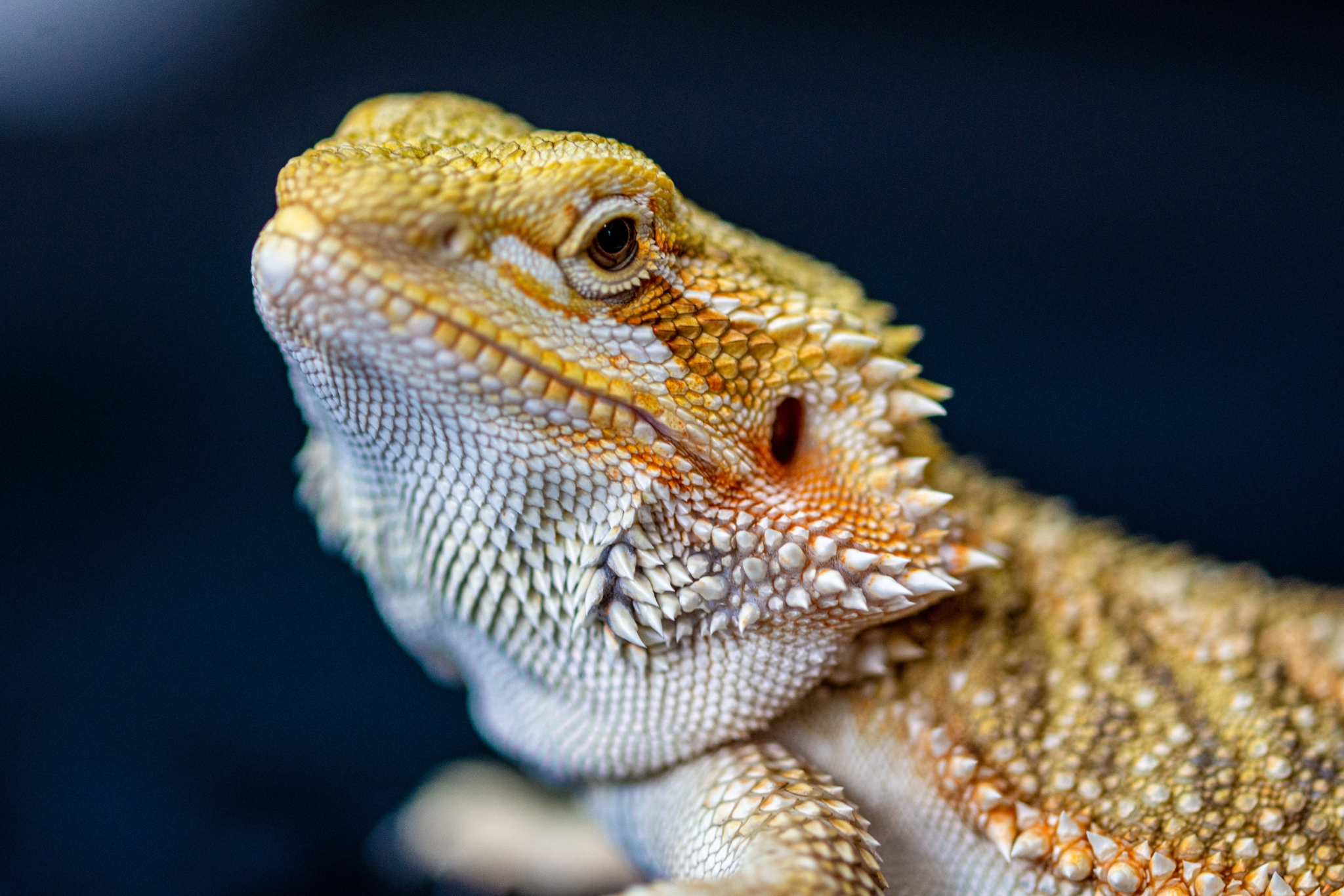
These pint sized dragons are super popular pets. They’re hardy, friendly and each has their own personality. But even the most well cared for dragons can suffer if their diet isn’t balanced or species appropriate. So what exactly do bearded dragons eat?
In this complete guide we’ll explore everything you need to know about a proper bearded dragon diet—from safe vs. unsafe foods, to supplementation, hydration and more.
Bearded Dragon Diet Overview by Age
| Age Group | Insects (%) | Vegetables (%) | Feeding Frequency |
|---|---|---|---|
| Hatchlings (0 to 4 months) | 70% to 80% | 20% to 30% | 3 to 5x per day |
| Juveniles (4 to 12 months) | 50% to 60% | 40% to 50% | 2 to 3x per day |
| Adults (12+ months) | 20% to 30% | 70% to 80% | 1x per day |
Lots of Greens and Vegetables
Bearded dragons are omnivores and freshly washed raw greens should be offered daily to all dragons.
Veggies should form the foundation of an adult dragons meal while a younger bearded dragon diet requires more insects and less vegetables.
Adjusting your bearded dragon’s vegetable intake as they grow will provide them with the nutrition they need.
Daily Staple Veggies:
- Collard greens
- Mustard greens
- Turnip greens
- Dandelion greens
- Endive
- Escarole
- Squash like butternut, acorn, spaghetti (shredded or cooked)
- Bell peppers (raw or chopped)
- Carrots (grated, in moderation)
Occasional Veggies (1 to 2x/week):
- Kale (high in oxalates)
- Spinach (binds calcium, so limit use)
- Swiss chard
- Zucchini
- Broccoli (small amounts only)
Safe Fruits for Treats
Fruits are not essential for bearded dragons but they can be offered occasionally as treats.
Bearded Dragon Friendly Fruits (1 to 2x/week):
- Blueberries
- Strawberries
- Mango
- Papaya
- Watermelon
- Apples (peeled and finely chopped)
- Grapes (seedless and halved)
- Raspberries
Foods to Avoid Completely
Some foods are toxic or unhealthy and should never be offered to your bearded dragon.
Never Feed:
- Citrus fruits (too acidic)
- Avocado (toxic)
- Rhubarb (toxic)
- Fireflies or wild insects (toxic or may carry parasites)
- Iceberg lettuce (zero nutrition)
- Onions
- Leeks
- Garlic
- Processed human food
- Dairy
Supplements and Calcium
Bearded dragons require supplementation to avoid metabolic bone disease (MBD), a serious and often fatal condition caused by calcium deficiency. Dusting insects or veggies lightly before feeding is an easy way to give your dragon calcium and other supplements.
Core Supplements:
- Calcium – daily for juveniles and 3 to 5x/week for adults
- Multivitamin – 1x/week
- Vitamin D3 – 2 to 3x/week
Gut Loading & Insect Care
Bearded dragons love bugs… but not all bugs are created equal. In order to give your beardie the most nutritional insects, it’s best to gut load them before feeding them to your dragon.
Gut loading insects improves their nutritional value and helps your dragon’s diet be as healthy as possible. The easiest way to gut load insects is to feed the bugs the same “salad” you feed your dragon.
For more information on how to gut load insects for your bearded dragon click HERE
Gut Loading Diet for Insects:
- Dark leafy greens
- Squash
- Sweet potato
- Carrot slices
- Commercial cricket feed or high-quality dry dog food (for roaches)
Insects and Protein Sources
Insects provide your mini dragon with essential protein and fat. They’re eaten by beardies of all ages but are especially important during your dragon’s early growth.
In order to provide your beardie with all of the nutrition they need, remember that insects should be dusted with supplements and gut loaded prior to feeding.
Staple Live Feeders:
- Dubia roaches are a top choice because they’re high protein and easy to digest
- Black soldier fly larvae (BSFL)
- Crickets are popular but they’re ess nutritious than roaches
- Silkworms
Occasional Treat Feeders:
- Hornworms (hydrating and low in fat)
- Mealworms and superworms (only for adult dragons due to their hard exoskeleton)
- Waxworms and butterworms, but they’re high in fat, so feed them as occasional treats only)
Feeding Tips:
- Feed insects that are smaller than the space between your dragon’s eyes
- Remove uneaten live insects after 15 to 30 minutes to prevent biting or stress
Hydration Do Bearded Dragons Drink Water?
Bearded dragons originate from the arid Australian deserts, so they’re adapted to low water needs… but they still need proper hydration.
Hydration Methods:
- Daily misting of greens (especially for juveniles)
- Drip method (a drop of water on their nose)
- Shallow water dish (change daily, some may never drink from it)
- Soaking baths 1 to 2x/week (also helps with shedding)
Dehydration signs include sunken eyes, wrinkly skin, and lethargy. If your Bearded Dragon appears to present any of these signs, contact your veterinarian straight away.
Tips for Success
- Track feeding with a food journal
- Rotate greens and insects to prevent boredom and maximize nutrition
- Observe droppings, since runny or undigested food can signal issues
- Keep everything fresh, because spoiled food can make your dragon sick
Feed Your Dragon The Right Way
Providing bearded dragons with a healthy diet is one of the most effective ways to help these reptiles live a long healthy life. While it might seem overwhelming at first, feeding time doesn’t have to be complicated.
With the right balance of live protein, fresh leafy greens and proper supplements, your bearded dragon can thrive for many years.