USDA Exotic Animal Licenses Types, Costs, Requirements & Compliance
Your complete guide to USDA animal licenses. Explore the requirements for breeders, dealers, and exhibitors, along with application steps, fees, inspection standards, and what it takes to stay compliant with Animal Welfare Act regulations.
- What is a USDA License?
- Who Needs One?
- Types of USDA Licenses
- Animals Covered Under USDA Licensing
- License Requirements and Standards
- How to Apply for a USDA License
- Inspections and Compliance
- What It Costs
- State and Local Permits
- Common Mistakes to Avoid
- Resources and Support
- The Future of USDA Animal Licensing
- Staying Current
- Is USDA Licensing Right for You?
If you’re planning to breed, exhibit, sell, or transport exotic animals in the United States, understanding USDA licensing requirements is absolutely essential.
The Animal Welfare Act (AWA) sets strict standards for the commercial handling of exotic and wild animals, and failure to comply can result in serious penalties.
This guide explores what USDA exotic animal licenses are, who needs them, and how they work – so you can operate responsibly and legally.
What is a USDA License?
The United States Department of Agriculture (USDA) regulates animal welfare through its Animal and Plant Health Inspection Service (APHIS) division.
Under the Animal Welfare Act (AWA), anyone who breeds, buys, sells, exhibits, or transports certain animals for commercial purposes must obtain a federal license.
This system is designed to:
- Ensure humane treatment and housing of animals
- Maintain consistent welfare standards across facilities
- Allow legitimate animal related businesses to operate transparently and legally
In short, a USDA license acts as both a legal requirement and a quality assurance measure – protecting animals, business owners, and the public alike.
Who Needs one?
If you work with exotic or warm blooded animals in a commercial capacity, you may be required to hold a USDA license. Here’s a breakdown:
Animal Dealers
Buying and reselling animals for profit.
Breeders
Breeding exotic animals for commercial sale.
Exhibitors
Displaying animals to the public — including zoos, petting facilities, and educational programs.
Transporters
Commercially transporting animals for hire.
Research Facilities
Using animals for research, testing, or experimentation.
Animal Brokers
Acting as intermediaries in the sale or trade of animals.
Retail Pet Stores
Selling certain animals directly to consumers.
Agricultural Operations
Raising traditional livestock for food or fiber.
Wildlife Rehabilitators
Often require state permits instead of a federal USDA license.
Even if you qualify for an exemption, it’s still very important that you verify federal, state, and local regulations to ensure full compliance.
Types of USDA Licenses
The USDA issues different licenses depending on your activities with animals. Each license type comes with specific requirements, fees, and oversight.
Breeders & Brokers
Individuals or businesses that breed and raise animals on their premises for commercial sale| ▪ Commercial exotic animal breeders |
| ▪ Specialized wildlife breeders |
| ▪ Maintain detailed breeding and sales records |
| ▪ Provide appropriate housing, feeding & vet care |
| ▪ Allow regular USDA inspections |
| ▪ Follow species-specific care standards |
| ▪ APHIS Form 7003 – New License Application |
| ▪ APHIS Form 7030 – Tax Identification Sheet |
Dealers
People or businesses who buy exotic animals and resell them, or broker sales without breeding| ▪ Exotic animal dealers purchasing from multiple sources |
| ▪ Animal brokers facilitating sales between parties |
| ▪ Businesses obtaining animals from shelters or “random sources” |
| ▪ Maintain comprehensive acquisition & disposition records |
| ▪ Document the source of all animals |
| ▪ Follow strict identification requirements |
| ▪ Comply with holding period regulations |
| ▪ APHIS Form 7003 – New License Application |
| ▪ APHIS Form 7030 – Tax Identification Sheet |
Class B licenses involving “random source” animals (from shelters, pounds, or unknown sources) face extremely strict regulations due to historical concerns about stolen pets entering research facilities.
Exhibitors
Individuals or businesses that display animals to the public for compensation or donation| ▪ Zoos and aquariums |
| ▪ Traveling exotic animal shows |
| ▪ Educational animal presenters |
| ▪ Roadside attractions featuring animals |
| ▪ Entertainment venues with animal acts |
| ▪ Mobile petting zoos |
| ▪ Demonstrate adequate facilities for exhibited species |
| ▪ Provide appropriate enrichment for each species |
| ▪ Maintain public safety protocols |
| ▪ Keep detailed animal inventory records |
| ▪ Meet species-specific care standards |
| ▪ APHIS Form 7003 – New License Application |
| ▪ APHIS Form 7030 – Tax Identification Sheet |
Research Facilities
Institutions that use animals for research, testing, education, or experimentation| ▪ Universities with animal research programs |
| ▪ Pharmaceutical companies conducting animal testing |
| ▪ Contract research organizations |
| ▪ Medical and private research facilities |
| ▪ Establish an IACUC committee |
| ▪ Follow strict protocol review processes |
| ▪ Maintain detailed experimental records |
| ▪ Comply with the “3Rs”: Replacement, Reduction, Refinement |
| ▪ APHIS Form 7011A – New Registration Application |
| ▪ APHIS Form 7030 – Tax Identification Sheet |
Animal Transporters
Businesses that transport animals for hire or compensation in commerce| ▪ Commercial animal transport services |
| ▪ Specialized exotic animal shipping companies |
| ▪ Pet transport businesses handling regulated species |
| ▪ Carriers transporting animals between facilities |
| ▪ Provide appropriate containers with proper ventilation |
| ▪ Maintain proper temperature control during transport |
| ▪ Ensure adequate food and water for journey duration |
| ▪ Handle animals humanely during loading and unloading |
| ▪ Keep detailed transport records |
| ▪ APHIS Form 7011A – Registration Application |
| ▪ APHIS Form 7030 – Tax Identification Sheet |
Commercial carriers (airlines, trucking companies) transporting animals as general freight fall under “intermediate handler” regulations rather than Class T licensing, which applies specifically to businesses whose primary service is animal transportation.
Intermediate Handlers
Businesses that receive animals in commerce for temporary care, housing, or transportation| ▪ Airlines transporting animals |
| ▪ Terminal facilities holding animals during transit |
| ▪ Freight handlers managing animal shipments |
Intermediate handlers are not a separate license class, but they must register with USDA and comply with AWA standards for animal care during the time animals are in their custody.
Animals Covered Under USDA Licensing
USDA licenses generally apply to warm blooded animals involved in commercial activities. The specific animals covered include:
Exotic Mammals
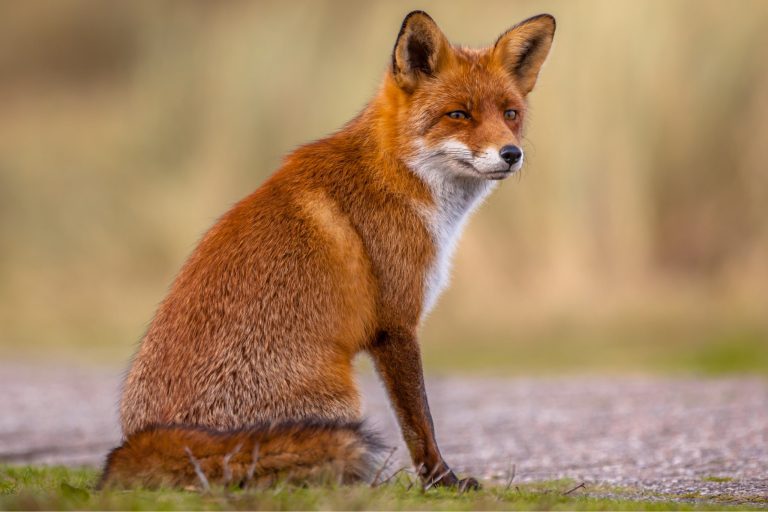
Big cats, primates, bears, wolves, foxes, exotic hoofstock, and more.
Domestic Mammals
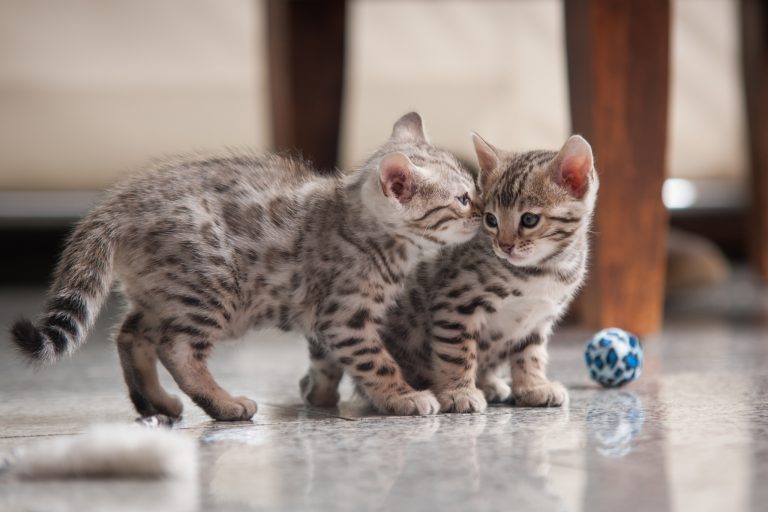
Dogs, cats, rabbits, guinea pigs, hamsters — when bred commercially.
Marine Mammals
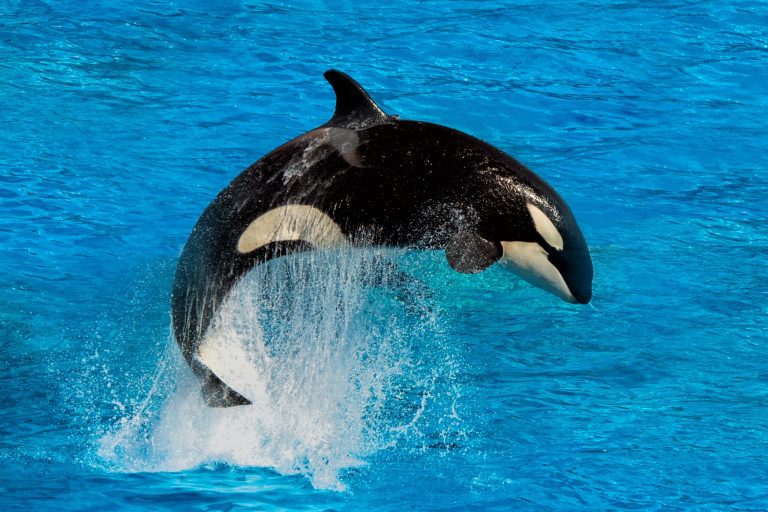
Dolphins, seals, sea lions, whales, and other marine species.
Certain Birds
Raptors and some exotic species when exhibited.
Cold-Blooded Animals
Reptiles, amphibians, and fish are not regulated under the Animal Welfare Act (AWA).
Agricultural Livestock
Animals raised for food, fiber, or breeding stock.
Horses
Exempt unless used for research purposes.
Birds Bred for Hunting or Food
Birds raised for hunting or food production are not covered under the AWA.
Even though cold-blooded animals don’t require USDA licensing, they may still require state or local permits and may be regulated under the Endangered Species Act (ESA) or CITES.
License Requirements and Standards
Obtaining and maintaining a USDA license involves meeting comprehensive animal care standards.
Facility Requirements
Licensed facilities must meet criteria for all of the following| ▪ Housing: Adequate space, temperature control, ventilation, and lighting |
| ▪ Sanitation: Regular cleaning schedules and effective waste management |
| ▪ Structural Strength: Secure enclosures to prevent escapes and injuries |
| ▪ Separation: Ability to isolate sick or incompatible animals |
| ▪ Indoor/Outdoor Access: Species-appropriate access to environments |
Animal Care Standards
Licensed facilities are required to provide all of the following| ▪ Veterinary Care: Routine health checks and prompt treatment of illness or injury |
| ▪ Attending Veterinarian: A vet must oversee the animal care and use program |
| ▪ Nutrition: Species-appropriate diet meeting all nutritional needs |
| ▪ Water: Continuous access to clean, potable water |
| ▪ Socialization: Appropriate social grouping or isolation by species needs |
| ▪ Enrichment: Environmental enrichment to promote psychological well-being |
| ▪ Exercise: Adequate space and opportunity for physical activity |
Record Keeping Requirements
Maintaining meticulous records is mandatory and includes| ▪ Complete animal inventory with individual identification |
| ▪ Acquisition records (source and date of animals) |
| ▪ Disposition records (sales, transfers, or deaths) |
| ▪ Veterinary care documentation |
| ▪ Daily observation logs |
| ▪ Breeding records (for Class A licensees) |
| ▪ Transportation records |
Retention: All records must be kept for at least three years and be available for USDA inspection at any time.
How to Apply for a USDA License
The application process requires careful preparation, documentation, and compliance with federal standards.
Determine Your License Class
| ▪ Identify the license type that matches your intended activities — Class A, B, C, or R. |
| ▪ Contact USDA-APHIS if you are unsure which classification applies to your situation. |
Prepare Your Facility
| ▪ Ensure your facility meets all Animal Welfare Act (AWA) standards for the species you plan to house. |
| ▪ Consider a pre-licensing consultation with a USDA inspector to identify potential deficiencies before applying. |
Complete the Application
| ▪ Obtain APHIS Form 7003 (Application for License) and APHIS Form 7030 – Tax Identification Sheet. |
| ▪ Provide detailed information about yourself or your business structure. |
| ▪ List all species you plan to maintain and include a facility layout and housing plan. |
| ▪ Include the required $120 non-refundable fee with your application submission. |
Undergo Initial Inspection
| ▪ Facility compliance with AWA standards. |
| ▪ Adequate housing and environmental conditions for your intended species. |
| ▪ Proper veterinary care arrangements. |
| ▪ Record keeping systems and documentation procedures. |
Passing this pre-licensing inspection is required to receive your actual license.
Maintain Compliance
| ▪ Submit to unannounced inspections at any time. |
| ▪ Renew your license every 3 years. |
| ▪ Report any significant changes to your operation. |
| ▪ Correct violations promptly if cited. |
Inspections and Compliance
Understanding the USDA inspection process is essential for maintaining continuous compliance and ensuring the welfare of your animals.
Inspection Frequency
All USDA inspections are conducted without prior notice| ▪ Routine Inspections: At least once per year, often more frequently for certain operations |
| ▪ High-Risk Operations: May receive inspections quarterly |
| ▪ Complaint-Driven: Can occur at any time following a complaint |
| ▪ Unannounced: All inspections are conducted without prior notice |
What Inspectors Evaluate
Inspectors assess multiple aspects of your operation| ▪ Animal Health & Condition: Overall well-being and signs of illness or distress |
| ▪ Facility Cleanliness: Sanitation, structural integrity, and enclosure safety |
| ▪ Record Accuracy: Acquisition, disposition, veterinary care, and breeding records |
| ▪ AWA Compliance: Specific standards for housing, care, and handling |
| ▪ Veterinary Care Programs: Adequate preventive and emergency care for all species |
| ▪ Employee Training: Staff knowledge of care standards and procedures |
Violations & Consequences
Failure to comply can lead to escalating consequences| #1 — Written Warnings: Minor, first-time violations |
| #2 — Teachable Moment Letters: Guidance to correct issues before escalation |
| #3 — Official Warnings: Documented violations requiring corrective action |
| #4 — Civil Penalties: Fines ranging from hundreds to tens of thousands of dollars |
| #5 — License Suspension: Temporary prohibition from operating |
| #6 — License Revocation: Permanent loss of USDA license |
| #7 — Criminal Prosecution: For severe violations, including cases of animal cruelty |
Maintaining Good Standing
Best practices to reduce the risk of violations| ▪ Stay current on regulatory updates and AWA standards |
| ▪ Invest in comprehensive staff training on animal care and compliance |
| ▪ Conduct internal audits regularly to identify and correct issues |
| ▪ Address maintenance and facility issues promptly |
| ▪ Build a professional relationship with your USDA inspector for guidance |
| ▪ Seek expert advice when expanding operations or implementing new practices |
What It Costs
Obtaining and maintaining a USDA exotic animal license involves more than just an application fee. It requires ongoing investment in compliance, animal care, and facility maintenance. Budgeting accurately from the start will help you operate smoothly and avoid costly setbacks.
Facility Construction or Modification
$5,000 – $500,000+Building or upgrading enclosures to meet AWA standards can be one of the largest expenses. Costs rise with specialized needs such as temperature control, reinforced barriers, and enrichment areas.
Veterinary Care
Varies by speciesOngoing expenses vary greatly depending on the number and type of animals. Includes preventive care, vaccinations, emergency treatment, and regular health monitoring.
Insurance
$1,000 – $10,000+/yrLiability insurance is typically required. Some facilities may also require property or workers’ compensation coverage depending on operation size and staff.
Record Keeping Systems
VariesMay include digital management software, administrative staff time, or third-party compliance platforms to ensure proper documentation.
Staff Training
$100s – $1,000s/yrTraining programs, certifications, and continuing education vary by staff size and specialization.
Compliance Consultants (Optional)
Varies widelyHiring professionals familiar with USDA and AWA regulations can help new facilities achieve compliance faster. Fees vary based on the scope of services.
Always plan for unexpected expenses, including repairs, animal emergencies, and inspection follow-ups. A well-managed budget ensures long-term sustainability and demonstrates your commitment to animal welfare and regulatory compliance.
State and Local Permits
Holding a USDA license does not exempt you from meeting state and local permitting requirements. Most animal operations must also comply with additional regional laws and regulations.
Depending on your location and the species you keep, you may need the following:
State Wildlife Permits
Required in most states for owning, breeding, or exhibiting exotic species.
Local Zoning Approval
Needed to confirm your property is zoned for animal-related business activities.
Health Department Permits
Mandatory for facilities that allow public visitation or host events.
Building Permits
Required for constructing or modifying enclosures and structures.
Business Licenses
Standard commercial licenses required for legal operation.
Special Permits
Species-specific authorizations, especially for potentially dangerous or regulated animals — including big cats, primates, and venomous reptiles.
If your facility is involved in research, before beginning operations, contact the following agencies to confirm all applicable rules:
State Fish & Wildlife Department
Oversees exotic animal ownership and import/export restrictions.
State Department of Agriculture
Regulates animal health, disease control, and facility standards.
County or City Animal Control
Enforces local exotic animal ordinances.
Local Zoning Board
Confirms property use permissions for your business.
State Veterinary Board
Provides guidance on required veterinary oversight and animal welfare standards.
Regulations can vary drastically between states — and even between neighboring counties. Always verify your compliance in writing before acquiring or housing any exotic species.
Common Mistakes to Avoid
Learning from common errors can save you time, money, and frustration during the USDA licensing process.
Starting Operations Before Obtaining Your License
Operating without a valid USDA license can result in immediate violations, fines, and long-term difficulties obtaining approval later.
Inadequate Facility Preparation
Building enclosures that fail to meet AWA standards leads to costly redesigns and inspection delays.
Poor Record Keeping
Incomplete or disorganized records are among the most frequent causes of non-compliance citations.
Lack of Veterinary Arrangements
You must have a written veterinary care plan and an established relationship with a licensed veterinarian before applying.
Underestimating Costs
Many new operators overlook ongoing expenses like inspections, facility maintenance, insurance, and feed — leading to compliance lapses.
Ignoring State & Local Laws
A USDA license does not override local or state exotic animal regulations. Failing to obtain proper zoning or wildlife permits can halt your business entirely.
Untrained or Uninformed Staff
Employees unfamiliar with USDA standards can unintentionally cause violations during inspections or daily care routines.
Mixing Exempt & Regulated Activities
Know precisely which activities require licensing. Misclassifying your operation can trigger enforcement actions.
Before applying, create a detailed compliance checklist that includes federal, state, and local requirements. Address every point proactively to ensure a smooth inspection and long term operational success.
Resources and Support
Official USDA Resources
- APHIS Animal Care Website: www.aphis.usda.gov/animalwelfare
- Regional APHIS Offices: Contact for local guidance
- Animal Welfare Act and Regulations: Complete legal text
Professional Organizations
- Zoological Association of America (ZAA)
- Association of Zoos and Aquariums (AZA)
- United States Association of Reptile Keepers (USARK)
- National Animal Interest Alliance (NAIA)
Getting Help
If you need assistance:
- Contact APHIS directly at 970-494-7478 or AnimalCare@usda.gov
- Consult an animal law attorney
- Hire a compliance consultant familiar with AWA regulations
- Network with established licensed facilities
- Attend industry conferences and workshops
The Future of USDA Animal Licensing
USDA regulations are continually evolving to reflect advances in animal welfare science, ethical standards, and public expectations:
Increased Scrutiny of Roadside Zoos & Exhibitors
Facilities with inadequate conditions face more frequent inspections and higher penalties.
Enhanced Enrichment & Welfare Standards
Regulations now emphasize mental stimulation, species-appropriate environments, and behavioral health.
Greater Transparency in Inspection Data
Inspection reports are now publicly accessible, encouraging accountability and consumer awareness.
Stricter Oversight of Class B Dealers
Operations involving animal resale or brokering face heightened record keeping and sourcing requirements.
Development of Species-Specific Standards
The USDA continues refining detailed requirements tailored to individual species’ biological and behavioral needs.
Staying Current
To maintain compliance and anticipate changes:
| Subscribe to USDA-APHIS email and policy updates |
| Review annual revisions to Animal Welfare Act standards |
| Join professional associations or industry coalitions |
| Attend continuing education programs or workshops |
| Regularly monitor inspection data and enforcement actions in your sector |
Is USDA Licensing Right for You?
Obtaining a USDA exotic animal license is not a casual decision – it’s a serious, long term commitment to ethical care and strict regulatory compliance.
Before Applying, Ask Yourself…
Can you commit to all of the following?If you can confidently meet these obligations, USDA licensing provides a legitimate, transparent framework for breeding, exhibiting, and selling exotic animals responsibly.
For personalized guidance, contact USDA-APHIS directly or consult with an animal law attorney familiar with exotic animal regulations. Proper licensing not only protects you legally but also safeguards the welfare of the animals in your care.
This guide offers general information about USDA licensing. Requirements may change over time, and specific species or states may impose additional rules. Always verify current regulations with USDA-APHIS and your state or local authorities before beginning any operation involving animals.