What Makes a Successful Pet Monkey Owner? 10 Essential Qualities You Need
Discover the 10 essential qualities needed to be a successful pet monkey owner. Learn about costs, time commitment, legal requirements, and whether you’re truly ready.
Owning a pet monkey is one of the most challenging and demanding commitments in the exotic pet world.
Unlike typical household pets, primates require specialized care, extensive knowledge, and a unique set of personal qualities that go far beyond what’s needed for dogs or cats.
Before even considering primate ownership, it’s absolutely vital to recognize that these are wild animals with complex physical, social, and emotional needs – needs that most people are unable to fully meet.
The Reality of Monkey Ownership
First, it’s important to understand a basic truth: pet monkeys are not fully domesticated.
Despite decades of captive breeding, they retain strong wild instincts and behaviors that can be unpredictable and challenging to manage. Responsible pet monkey ownership begins with recognizing this reality and actively preparing for it.
A pet monkey can be deeply rewarding for the right individual, but most people cannot meet the extensive time, social, space, and care requirements these animals need.
This isn’t a reflection on your intelligence or commitment – it’s simply an honest assessment of what these highly intelligent animals need to thrive in captivity.
Essential Qualities of Successful Pet Monkey Owners
1. Financial Stability and Long Term Commitment
A successful monkey owner must have significant and reliable financial resources. The costs of primate ownership are substantial and ongoing:
Initial expenses include:
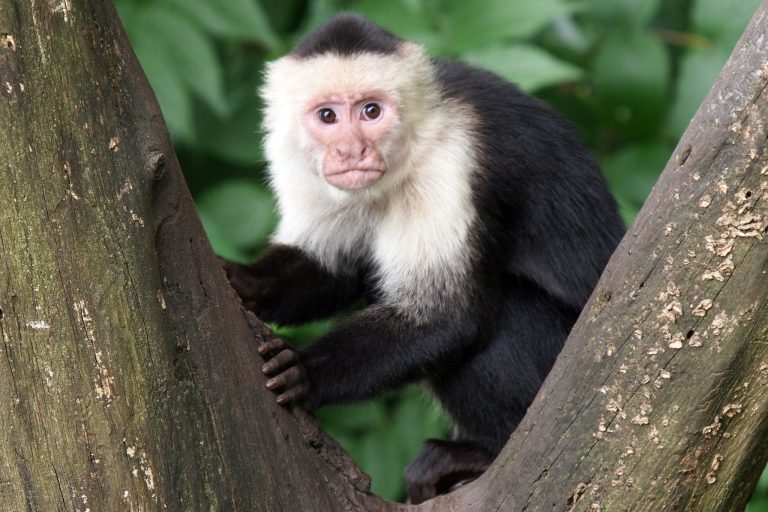
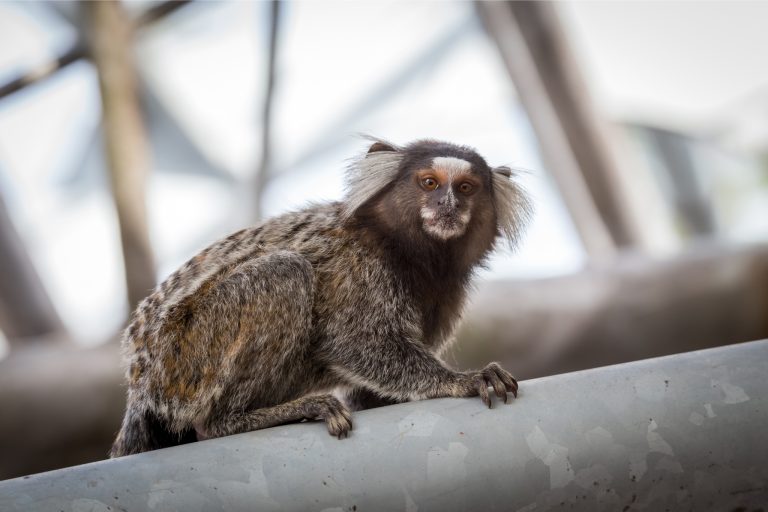
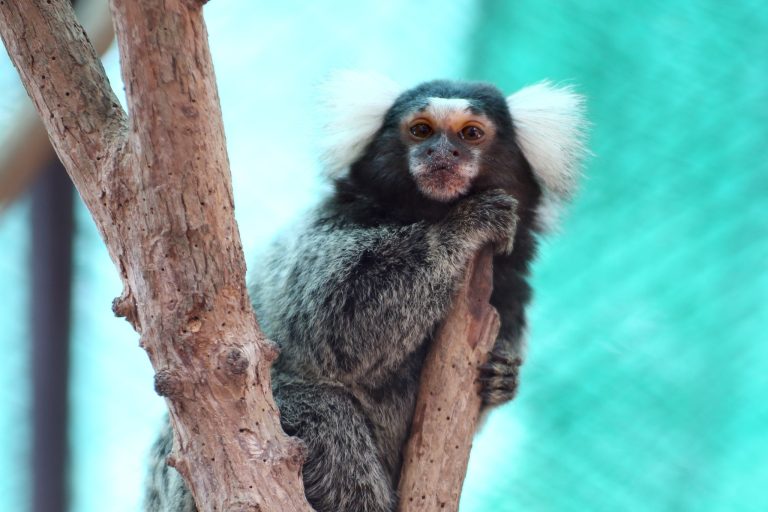
- Purchasing the monkey – captive bred monkeys in the USA average around $3,500+ for a common marmoset and up to $13,000+ for a capuchin
- Creating or modifying suitable housing – expect to spend $2,000 to $10,000+ to buy/build an appropriately sized enclosure
- Buying other needed equipment/supplies – bottles, formula, lots of enrichment items, multiple toys, carrier, branches/other climbing structures, etc.
Ongoing expenses include:
- Species specific diets that can cost $100 to $500+ per month
- Veterinary care from an exotic animal specialist (routine visits can cost $200 to $500+)
- Various enrichment items, toys, and materials ($100 to $300+ per month)
- Liability insurance (varies; depends on US state laws)
- Potential property damage repairs
Monkeys can live 20 to 40 years (depending on the species) meaning this is a decades long financial commitment.
Anyone without stable resources is generally not suited for monkey ownership.
2. Extensive Knowledge and Education
Successful monkey owners are lifelong learners who commit to deeply understanding primate behavior, biology, and welfare. Key areas of expertise include:
- Species Specific Knowledge: Different monkey species (capuchins, squirrel monkeys, marmosets, macaques, etc.) have vastly different needs, temperaments, and care requirements.
- Behavioral Understanding: The education and ability to recognize normal versus abnormal behaviors, stress signals, communication methods, etc.
- Health Expertise: Owners must be able to spot signs of illness, understand zoonotic disease risks, and have emergency protocols in place.
- Nutritional Science: Providing a species appropriate diet is crucial to prevent metabolic bone disease and other common health problems.
The most responsible and successful pet monkey owners dedicate time to reading scientific literature, consulting with primatologists, and continually updating their knowledge to ensure the highest standard of care.
3. Time Availability and Flexibility
Monkeys require constant attention and interaction. Successful owners typically:
- Work from home or have extremely flexible schedules
- Can dedicate 6+ hours daily to direct interaction and care
- Are available for emergencies at any time
- Prioritize the monkey’s needs above personal social events or travel plans.
Pet monkeys form intense bonds with their caregivers and can develop serious behavioral and psychological issues if left alone for long periods. Unlike typical pets, they cannot be kenneled or easily cared for by a pet sitter.
4. Patience and Emotional Resilience
Living with a pet monkey challenges even the most patient caregivers. Successful owners demonstrate:
- Tolerance For Chaos: Pet monkeys are incredibly destructive, messy, and mischievous. They can tear apart furniture, fling feces, spill food, and routinely damage property.
- Emotional Stability: Monkeys can be aggressive (especially as they mature). Biting, scratching, and territorial behaviors are normal but can be challenging to manage.
- Realistic Expectations: Understanding that pet monkeys do not behave like human children or dogs helps prevent frustration and disappointment.
- Long Term Perspective: Difficult days, weeks, or even months are inevitable. Responsible owners remain committed through these challenges without abandoning their pet primates.
5. Physical Capability and Safety Awareness
Successfully caring for pet monkeys requires considerable physical strength and stamina:
- Handling and Restraint: Safely restraining a monkey for medical care or safety requires both strength and proper technique.
- Enclosure Maintenance: Cleaning large cages or enclosures is physically demanding.
- Escape Prevention: Monkeys are clever and agile – they require constant vigilance to prevent escapes.
- Managing Aggression: Responding safely to aggressive behavior requires quick reflexes and in some cases appropriate protective equipment.
Successful pet monkey owners maintain their physical fitness and have backup support systems for times when they are unable to handle the primate themselves.
6. Strong Support Network
Pet monkey ownership should never be undertaken alone. Successful owners build:
- Veterinary Support: Relationships with exotic animal veterinarians (ideally having multiple options as backups).
- Peer Networks: Connections with experienced primate owners for guidance and support.
- Emergency Caretakers: Trained individuals ready to assist when needed.
- Family Understanding: Family members who accept and support the monkey focused lifestyle.
7. Appropriate Living Situation
Your living environment must meet the specific needs of a pet monkey:
- Space Requirements: Pet monkeys need large secure indoor and outdoor enclosures – at least 8×8×8 feet for smaller species, and significantly larger sizes for bigger primates.
- Property Ownership: Renting is often impractical since most landlords do not allow pet primates. Responsible owners either already own a suitable property or have the means to modify their home and land to safely house a monkey.
- Climate Considerations: Outdoor enclosures must account for local weather – include heating and cooling systems as needed.
- Zoning Compliance: Many areas prohibit or heavily regulate primate ownership.
8. Legal Knowledge and Compliance
Understanding and following all legal requirements is non-negotiable:
- Federal regulations under the Animal Welfare Act (AWA)
- State specific exotic pet laws (many states prohibit primate ownership entirely)
- Local ordinances
- Obtain all necessary permits
- Interstate regulations if obtaining monkeys across state lines
- Liability and insurance requirements (depending on state laws)
- Maintain any required records
- Stay current with changing laws and regulations
9. Ethical Awareness and “Primate First” Mindset
The most successful monkey owners prioritize their their pet monkey’s welfare above personal desires. This involves:
- Recognizing Limitations: Understanding when they cannot fully meet their monkey’s needs.
- Making Tough Choices: Rehoming the monkey if it’s in the animal’s best interest.
- Avoiding Breeding: Never breeding monkeys in situations that cannot support additional animals.
- Supporting Welfare Efforts: Contributing to primate sanctuaries and advocacy organizations.
- Promoting Responsible Ownership: Discouraging casual or impulsive pet primate ownership.
Ethical owners understand that just because they can keep a monkey doesn’t mean they should, and they continually assess whether the animal’s quality of life is truly being met.
10. Crisis Management Skills
Owning a pet monkey inevitably comes with emergencies, such as:
- Medical Crises: Situations that demand immediate veterinary care.
- Escapes: Instances requiring rapid and safe recapture.
- Aggressive Behavior: Episodes that must be managed carefully to prevent injury.
- Zoonotic Risks: Exposure to diseases that can affect both humans and primates.
Responsible owners stay calm under pressure, maintain detailed emergency plans, and keep funds set aside to handle unexpected situations.
Signs You’re NOT Ready for Monkey Ownership Red Flags
Certain characteristics indicate a person is not suited for primate ownership:
- Wanting a monkey simply because it seems “cute” or “fun”
- Viewing monkeys as status symbols or exotic accessories
- Planning to keep the monkey in a small cage or treat it like a dog
- Inability to commit to 20 to 40 years of intensive care
- Lacking sufficient financial resources or having unstable income
- Limited availability or frequent travel that prevents daily interaction
- Living in rental properties or areas where primate ownership is prohibited
- No access to exotic animal veterinarians who are willing to treat a pet monkey
- Expecting the monkey to remain infant-like, cuddly, and easy going
- Intending to breed monkeys for profit
Alternatives to Monkey Ownership
Even those who are well-suited for pet primates should consider other ways to engage:
- Volunteer at Primate Sanctuaries: Gain hands-on experience caring for monkeys without a lifelong commitment.
- Support Conservation Efforts: Direct your passion toward protecting wild primate populations.
- Pursue a Professional Role: Work as a veterinary technician or primate zookeeper to make primates part of your career rather than your home.
Still Want a Pet Monkey?
Successful pet monkey ownership requires an extraordinary combination of resources, knowledge, dedication, and personal qualities that very few people possess.
The attributes outlined above represent the absolute minimum for providing adequate care, and even meeting all of them does not guarantee positive welfare outcomes for the primate.
Before considering a pet monkey, carefully evaluate whether you truly possess the qualities discussed, understand the legal and ethical responsibilities involved, and seriously explore alternatives.
If, after thorough research and self reflection, you still feel prepared for the commitment, seek guidance from primate sanctuaries, exotic animal veterinarians, and experienced monkey owners to gain realistic insights.
The best advocate for a pet monkey is someone who can objectively assess their ability to meet the animal’s complex needs – and is willing to step back if they cannot.
Ultimately, the most important trait for a successful monkey owner may be the wisdom to recognize that, for most people, ownership is not appropriate – and to choose alternative ways to appreciate and support these extraordinary animals instead.