Doves as Pets The Underrated Bird With a 2,000 Year History and a Lot of Secrets
Doves bond deeply, live up to 20 years, and are smarter than you think. Here’s what makes pet doves truly extraordinary companions.
- Doves Are Not the Same as Pigeons — But They’re Closer Than You Think
- They Genuinely Bond With Their Owners
- Doves Drink Water Differently From Almost Every Other Bird
- They Produce Their Own “Milk” to Feed Their Chicks
- The Ringneck Dove Has Been Domesticated Longer Than Most Cat Breeds
- They Are Surprisingly Quiet (Compared to Other Pet Birds)
- Doves Have an Exceptional Sense of Direction — Even as Pets
- They Are One of the Easiest Birds to Keep — But Have Specific Needs
- Doves Can Live 12 to 20 Years With Proper Care
- They Communicate Through Body Language, Not Just Sound
- Doves Are Prey Animals, Which Shapes Everything About Their Behavior
- They Have Been Symbols of Peace Across Almost Every Major Culture
- Male and Female Doves Share Parenting Duties Equally
- Doves Are Not Naturally White — That’s a Human-Made Trait
- They Can Recognize Themselves in Mirrors
- The Dove as a Pet Is Deeply Underrated
Think doves are just quiet, low maintenance birds? Think again! These sweet, gentle companions are full of surprises—from their impressive intelligence to the deep emotional bonds they form.
Whether you’re a proud dove parent or simply fascinated by these beautiful birds, these 15 fun facts might just make you see pet doves in a whole new light.
1. Doves Are Not the Same as Pigeons But They’re Closer Than You Think
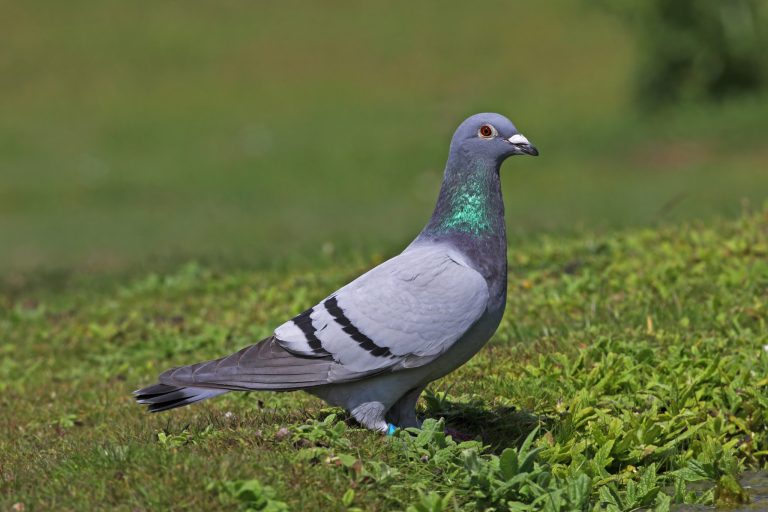
Many people are surprised to learn that doves and pigeons are actually part of the same bird family, Columbidae. The difference is mostly a matter of appearance and common usage—”dove” is often used for smaller, more delicate looking birds, while “pigeon” usually refers to larger species.
One of the most beloved pet doves, the ringneck dove, has been living alongside humans for more than 2,000 years, earning its place as one of the oldest domesticated companion birds in the world.
2. They Genuinely Bond With Their Owners
Pet doves are much more affectionate and people oriented than many realize. With gentle handling and regular interaction, they can form incredibly strong bonds with their favorite humans.
Doves learn to recognize familiar faces and voices, and many will happily greet their owners with soft coos or eagerly seek out their company.
It’s one of the sweetest things about sharing your life with a dove—their affection isn’t taught, it’s a genuine connection built on trust and companionship.
3. Doves Drink Water Differently From Almost Every Other Bird
Here’s a fun fact that surprises almost everyone: doves can drink water much like we do through a straw!
While most birds have to scoop up water and tip their heads back to swallow, doves are able to keep their beaks submerged and take long, continuous sips. It may seem like a small detail, but this unique ability is actually quite rare in the bird world and is just one of the many fascinating things that makes doves so special.
4. They Produce Their Own “Milk” to Feed Their Chicks
One of the most amazing things about doves is that both mom and dad help feed their babies.
Dove parents produce a special nutrient-rich substance called crop milk, which is made in a pouch in their throat known as the crop. Unlike mammal milk, crop milk is completely unique to certain bird species, yet it’s packed with the protein and nutrients growing chicks need to thrive.
Even more remarkable, father doves contribute just as much as mothers, making them one of the few animal species where both parents share feeding duties equally from the very beginning.
5. The Ringneck Dove Has Been Domesticated Longer Than Most Cat Breeds
Ringneck doves have been sharing their lives with humans for thousands of years, with their history as companion animals tracing all the way back to ancient Egypt. That means they’ve been domesticated for an estimated 2,000 to 3,000 years—far longer than many modern cat and dog breeds, which were developed relatively recently.
Over centuries of living alongside people, ringneck doves have developed their famously gentle, calm personalities, making them one of the most people friendly and easygoing pet bird species today.
6. They Are Surprisingly Quiet Compared to Other Pet Birds
If noise is the reason you’ve hesitated to get a pet bird, doves might be the perfect exception. Unlike parrots and other louder bird species, doves communicate with soft, gentle coos rather than piercing squawks.
Many owners find their rhythmic vocalizations calming and even comforting, adding a peaceful atmosphere to the home. While male doves may become a bit more vocal during breeding season, their sounds are generally quiet, soothing, and far less disruptive than those of most companion birds.
7. Doves Have an Exceptional Sense of Direction (Even as Pets)
Doves possess an incredible natural sense of direction that has fascinated scientists for generations. Like their pigeon relatives, they are born with remarkable navigational abilities and can use a combination of cues—including the Earth’s magnetic field, the position of the sun, and even low frequency sound waves—to help them understand their surroundings.
Your pet dove may never need to find its way home across great distances, but that amazing built-in compass is still part of the instincts carried by every dove today. It’s a fascinating reminder that these gentle companions are connected to a truly extraordinary evolutionary history.
8. They Are One of the Easiest Birds to Keep But They Still Have Specific Needs
Doves are often praised as excellent beginner birds thanks to their gentle nature, quiet personalities, and easygoing temperament. But like any pet, they still need proper care and attention to thrive.
Doves require a spacious enclosure that allows them room to stretch their wings and take short flights, along with regular bathing opportunities to keep their feathers in great condition.
Just as importantly, doves need companionship and interaction. Whether it’s bonding with a human caregiver or another dove, these social birds flourish when they feel connected. A dove that lacks stimulation and companionship can become withdrawn, making quality time and enrichment an important part of responsible pet dove ownership.
9. Doves Can Live 12 to 20 Years With Proper Care
This fact surprises many first time dove owners—but these gentle birds can live much longer than people expect. While small pets are often associated with shorter lifespans, a well cared for ringneck dove commonly lives 12 to 15 years, and some have been known to reach 20 years or more.
Bringing a dove home is a long term commitment—not a short term hobby—and providing a balanced diet, regular veterinary care, a safe environment, and plenty of enrichment can help your feathered companion enjoy a long, healthy, and happy life.
10. They Communicate Through Body Language Not Just Sound
While cooing is the most familiar sound doves make, a lot of their communication actually happens through body language.
- A puffed-up dove is usually either feeling relaxed and content—or simply trying to stay warm.
- Rapid head-bobbing often signals excitement or courtship behavior, especially in males showing off for a potential mate.
- On the other hand, feathers held tightly against the body can indicate stress, discomfort, or illness.
- Even movements like tail-fanning or wing-spreading can be meaningful and are often used as territorial or display behaviors.
Learning to recognize these subtle cues can deepen the bond between owner and bird, while also helping you spot potential health issues early.
11. Doves Are Prey Animals Which Shapes Everything About Their Behavior
Unlike dogs and cats, doves are prey animals, which means their instincts are geared toward staying hidden from potential predators. Because of this, they’re very good at masking signs of illness or weakness—a survival strategy in the wild, but one that can make health issues harder to spot in a home setting.
By the time a dove shows obvious symptoms, it may already be quite unwell. That’s why careful, daily observation is so important for responsible dove care. Noticing small changes in your bird’s behavior, appetite, or energy level can make all the difference in catching problems early.
12. They Have Been Symbols of Peace Across Almost Every Major Culture
The dove’s association with peace, love, and the divine isn’t a modern idea—it stretches back thousands of years across many cultures.
- In ancient Mesopotamia, doves were sacred to the goddess Ishtar.
- In Christianity, a dove carrying an olive branch became a powerful symbol of peace and the end of the biblical flood.
- In Greek and Roman mythology, doves were linked to Aphrodite and Venus, goddesses of love and beauty.
- In Hindu tradition, doves are often seen as symbols of the soul.
This widespread symbolism across cultures that developed independently speaks to the deep, enduring connection humans have felt with these gentle birds.
13. Male and Female Doves Share Parenting Duties Equally
In the dove world, parenting is truly a shared responsibility. Males and females work together in a carefully balanced routine—often with males incubating the eggs during the day and females taking over at night.
Once the chicks hatch, both parents contribute by producing crop milk and actively feeding their young. This level of cooperation is fairly uncommon in the animal kingdom and makes doves one of the more balanced, team oriented species when it comes to raising offspring.
In a home setting, this natural partnership is also why bonded pairs often appear especially calm, stable, and content compared to a lone bird.
14. Doves Are Not Naturally White That’s a Human-Made Trait
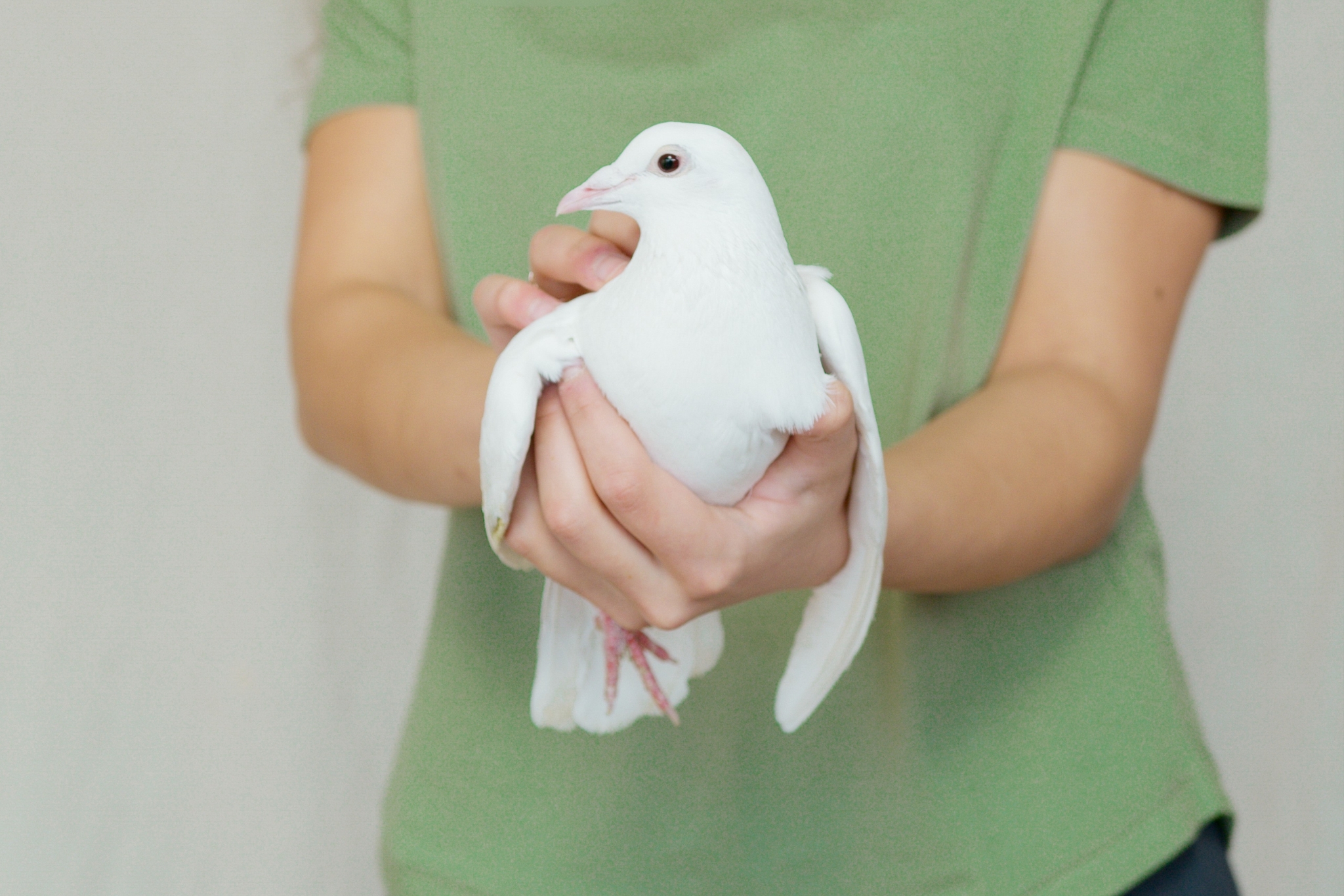
The pure white doves often seen at weddings and ceremonies aren’t a separate wild species at all—they’re actually selectively bred ringneck doves or white racing pigeons.
In nature, doves actually come in a beautiful range of colors, including soft browns, grays, tans, rosy tones, and even spotted patterns. And the iconic white coloration was developed through captive breeding because of its strong symbolic association with peace and purity.
Interestingly, while stunning, white doves lack the natural camouflage of their wild colored relatives, which makes them more reliant on human care for safety and survival.
15. They Can Recognize Themselves in Mirrors
Research suggests that some dove and pigeon species may show signs of mirror self recognition behavior—a rare cognitive ability often linked to higher levels of self awareness.
While full mirror self recognition (as seen in animals like great apes and elephants) is still debated in birds, doves and pigeons consistently perform impressively in a range of cognitive tests involving visual learning, memory, and problem solving.
Far from being simple or “basic” birds, doves are proving to be far more intelligent and perceptive than their gentle appearance might suggest.
The Bottom Line on Parrots and Dogs
Pet doves hold a truly unique place among companion animals. They’re quiet and gentle enough for apartment living, emotionally expressive, long lived, and have a history that’s deeply intertwined with human civilization in a way few animals can match.
Whether you’re thinking about bringing a dove into your home or simply getting to know the one you already have a little better, understanding these facts can transform a simple, softly cooing bird into something far more remarkable and extraordinary.