Oh No, A Baby Bird! Here’s Exactly What to Do
Most people get this wrong. Before you “rescue” that baby bird, read this — it could save the bird’s life.
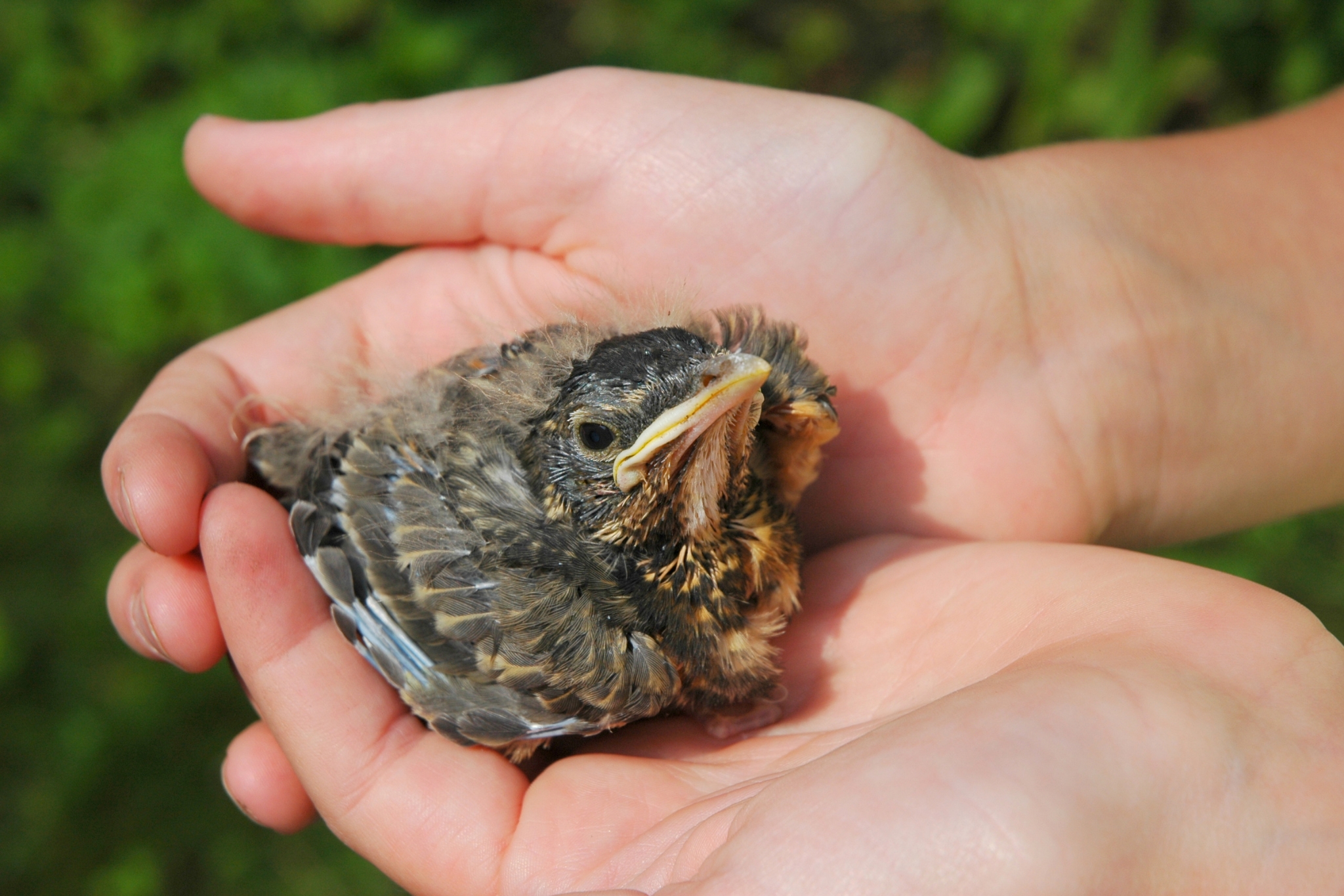
You’re out for a walk, heading to the mailbox, or simply enjoying a few minutes outside when you spot what appears to be a tiny tragedy in the making: a baby bird sitting alone on the ground.
It’s small. It’s fluffy. It looks completely out of place. And within seconds, you’re wondering whether you should scoop it up and rush to the rescue.
The instinct to help is understandable. But when it comes to young birds, things aren’t always what they seem. In fact, some of the most well-intentioned interventions can do more harm than good.
Before you spring into action, it’s worth taking a moment to assess the situation. Because when it comes to baby birds, the most important first step isn’t rescuing—it’s understanding what you’re actually looking at.
First Things First Is It Actually a Baby?
Not every baby bird you find on the ground is in trouble. In fact, one of the most important things you can do is determine what stage of development you’re looking at before deciding whether intervention is necessary.
A nestling is very young—typically mostly bare skin with only sparse feathers, and sometimes even closed eyes. These birds are not capable of surviving outside the nest and generally require assistance if they’ve fallen.
A fledgling, however, is a different story. Fully or mostly feathered, with an awkward, slightly scruffy appearance, fledglings are essentially the avian equivalent of teenagers. They’re learning how to fly, build strength, and navigate the world beyond the nest.
And yes, that process often involves spending time on the ground.
While it may look alarming, this stage is a normal and important part of a young bird’s development. In most cases, the parents are still nearby, keeping watch and continuing to feed their youngster throughout the day.
For a healthy fledgling, the best help is often no help at all. Keep children and pets away, give the bird plenty of space, and allow its parents to continue the job they’ve been doing all along.
What If It’s a Nestling?
If you’ve determined the bird is a nestling, the next steps are surprisingly straightforward:
1. First, look for the nest.
Scan nearby trees, shrubs, and ledges. If you can safely reach the nest, gently place the bird back inside.
And despite what many people have heard, parent birds will not reject a chick simply because a human has touched it. Most birds have a relatively poor sense of smell, and returning a healthy nestling to its nest gives it the best chance of survival
2. If the nest is damaged, inaccessible, or gone entirely, create a temporary substitute.
A small container, such as a berry basket or plastic food container with drainage holes, can work well. Line it with dry grass, leaves, or paper towels, then secure it as close as possible to the original nesting site.
Once the bird is inside, move away and observe from a distance. In many cases, the parents will return and resume caring for their chick within a relatively short period of time.
3. Keep the bird warm while you assess the situation.
If there is any delay in returning it to a nest, place the nestling in a small box lined with a soft, smooth cloth.
Avoid terry cloth or similar fabrics, as tiny feet and claws can easily become entangled in the loops.
4. Most importantly, resist the urge to offer food or water.
Baby birds have highly specialized diets, and improper feeding can do more harm than good. Instead, keep the bird in a quiet, dark, warm location until it can be reunited with its parents or evaluated by a licensed wildlife rehabilitator.
The Golden Rule Resist the Urge to “Rescue” It Yourself
The temptation to raise a baby bird yourself can be strong. After all, it’s small, vulnerable, and seemingly in need of help. But caring for a wild bird is far more complex than most people realize.
Unless you’re a licensed wildlife rehabilitator, attempting to raise a baby bird is rarely in the bird’s best interest.
Young birds typically require feeding every 15 to 30 minutes throughout daylight hours, highly specialized diets, and care that closely replicates what their parents would provide in the wild. Even with the best intentions, improper feeding or husbandry can cause serious—and sometimes irreversible—harm.
If a bird is truly orphaned, injured, or unable to be reunited with its parents, the best course of action is to contact a licensed wildlife rehabilitator as soon as possible. Wildlife rehabilitators have the training, facilities, and permits necessary to provide appropriate care while maximizing the bird’s chances of successful release.
Many local wildlife centers, humane societies, and rehabilitation organizations can offer guidance, and it’s often worth making a phone call before taking further action. In some cases, what appears to be an emergency may actually be normal behavior, and a trained professional can help determine whether intervention is necessary at all.
When it comes to wild birds, the goal is always the same: giving them the best possible chance to return to the wild.
What Never To Do
Before you intervene, it’s equally important to understand what not to do. Well-intentioned mistakes can sometimes cause more harm than the original problem.
A few key rules to keep in mind:
✘ Don’t attempt to feed the bird.
Bread, milk, water, seeds, or worms from the backyard are rarely appropriate. Baby birds have highly specialized dietary needs, and improper feeding can result in serious injury or aspiration.
✘ Don’t house the bird near household pets.
Even a curious dog or cat can cause significant stress or injury, and contact with predators can be dangerous for an already vulnerable bird.
✘ Don’t wait several days to see what happens.
If a bird genuinely needs help, timely intervention matters. Delaying contact with a wildlife rehabilitator can reduce its chances of recovery.
✘ Don’t release an injured bird.
Birds with drooping wings, visible wounds, bleeding, difficulty standing, or other obvious injuries require professional care.
✘ Don’t assume a quiet bird is a healthy bird.
Wild animals often become unusually still when frightened or stressed. A lack of movement or vocalization is not necessarily a sign that the bird is comfortable or recovering.
When in doubt, the safest approach is to keep the bird warm, quiet, and secure while seeking guidance from a licensed wildlife rehabilitator.
A Note on Cats
One important exception deserves special attention: if a cat has had contact with the bird—even briefly—the bird should be evaluated by a licensed wildlife rehabilitator as soon as possible.
This applies even when there are no obvious injuries. Cats carry bacteria in their saliva that can cause severe, often fatal infections in birds, and puncture wounds from teeth or claws may be far smaller than they appear on the surface. What looks like a minor encounter can quickly become life threatening without appropriate treatment.
If a bird has been caught, mouthed, scratched, or played with by a cat, consider it a wildlife emergency and seek professional assistance immediately.
The Bigger Picture
Finding a baby bird can feel like stumbling into a small wildlife emergency. Our instinct is often to help immediately—but in many cases, the most helpful thing we can do is pause, assess the situation, and allow nature to take its course.
Most young birds found on the ground aren’t abandoned at all. They’re simply navigating an important stage of development, with attentive parents often watching from nearby.
Knowing when to step back and when to step in is one of the most valuable skills a wildlife conscious observer can have.
And when intervention truly is necessary, acting quickly and contacting the appropriate wildlife professionals can make all the difference. A little knowledge, a calm approach, and a timely call to a rehabilitator may be exactly what gives a vulnerable bird its best chance at returning to the wild.