The Good, Bad, Ugly Truth about Blue and Gold Macaws
Stunning colors, sharp minds, and a scream that could wake the neighbors. Here’s the unfiltered truth about life with a Blue and Gold Macaw.
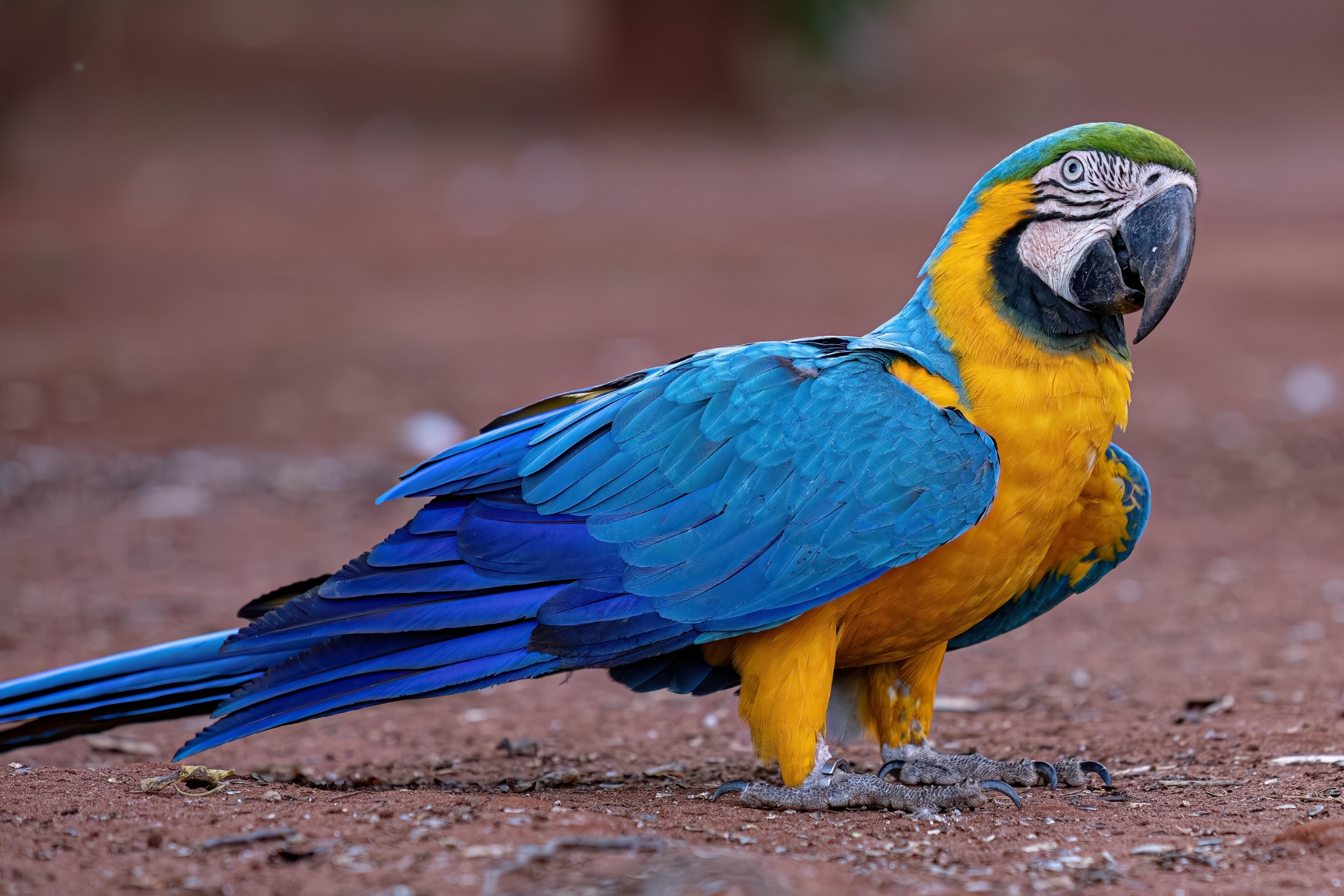
If you’ve ever seen a photo of a parrot covered in brilliant cobalt blue and warm golden feathers, chances are you were looking at a Blue and Gold Macaw. These birds are one of the most recognizable parrots in the world—beautiful, charismatic, and known for their big personalities to match their even bigger presence.
It’s easy to fall in love with their stunning looks, playful nature, and incredible intelligence. But owning one is about way more than the beautiful feathers and social media moments.
These parrots are a long term companion that requires some serious time, space, enrichment, and commitment.
Before bringing one home, it’s worth understanding what daily life with one of these amazing birds really involves—because this isn’t just a pet, it’s a relationship that can last for decades.
The Good 💙💛
1. They’re absolutely stunning.
Blue and Gold Macaws are the kind of birds that naturally steal the spotlight. Their brilliant blue feathers, golden-yellow chest, green forehead, and signature black chin patch give them a look that’s impossible to miss.
Their expressive faces, complete with a soft white facial patch lined with markings, make them incredibly unique—and their personalities are just as eye catching as their appearance.
2. They’re incredibly intelligent.
These parrots are known for their impressive problem solving skills, curiosity, and ability to form deep bonds with their people. With consistent, positive interaction, they can learn routines, sounds, behaviors, and even an impressive collection of words.
Life with a Macaw is rarely boring—they’re always watching, learning, and finding ways to be involved.
3. They’re playful, affectionate, and full of personality.
One of the reasons people fall in love with Blue and Gold Macaws is their huge personalities. They can be silly, curious, affectionate, and wonderfully entertaining.
Once they trust you, many of them enjoy attention, playtime, and gentle interaction—bringing a lot of companionship into your life every single day.
4. They’re a true lifelong companion.
A Macaw is truly a long term companion, not a short term pet. With proper care, these incredible birds can live for many decades, becoming a part of your life through different seasons, changes, and milestones along the way.
The Bad 🦜
1. They are LOUD.
Macaws are naturally very vocal birds—and their calls are a normal part of how they communicate, whether they’re saying hello, looking for attention, or interacting with their family.
Even a happy, well-adjusted macaw can be loud simply because that’s how these social birds are wired. It isn’t a sign of poor training or a problem with your bird—it’s part of their personality and natural behavior.
If you live in an apartment, have noise sensitive neighbors, or enjoy a quieter home, their volume is an important part of deciding if a macaw is the right fit for you.
2. They need a lot of space.
These are not birds that are happiest tucked into a small corner. Blue and Gold Macaws are large, active parrots that need a spacious enclosure, plenty of climbing opportunities, and daily time outside the cage to stretch, play, and explore.
Bringing one home means creating a bird-safe environment that’s designed around their size and energy level.
3. The financial commitment is real.
A Macaw comes with ongoing expenses beyond the initial setup. Quality food, enrichment toys, veterinary care, a proper cage, play stands, and other supplies all add up over time.
These birds are a long term investment, and planning for their needs is a big part of responsible ownership.
4. They can become very attached to one person.
Macaws are highly social birds and can form deep bonds with their favorite people. Without intentional socialization with the whole household, they may become especially attached to one person and less interested in interacting with others. Building positive relationships with everyone early helps create a more balanced, confident bird.
The Ugly 😬
1. That beak comes with a lot of power.
A Blue and Gold Macaw’s beak is an incredible tool designed for cracking tough nuts and exploring their environment. That same strength means they can deliver a serious bite if they’re scared, frustrated, or uncomfortable.
They’re affectionate and intelligent birds, but they aren’t the type of pet that should be handled casually without trust, boundaries, and supervision—especially around children.
2. A bored macaw can become a tiny demolition expert.
These birds need a lot of mental stimulation, enrichment, and interaction. Without enough activities to keep their busy minds engaged, boredom can quickly turn into destructive behavior.
Chewing is natural for parrots, but an under stimulated macaw may decide that furniture, trim, cords, or anything else within reach makes a great project.
3. Feather plucking is a serious concern.
Feather plucking can be one of the most difficult challenges macaw owners face. It’s often connected to stress, boredom, anxiety, or unmet physical and emotional needs rather than simply being a “bad habit.”
Supporting your bird’s mental health, enrichment, and overall routine is a big part of preventing these issues.
4. They may outlive you.
One of the biggest parts of macaw ownership is planning for the future. With lifespans that can reach several decades, a Blue and Gold Macaw may still be thriving long after major life changes happen. Responsible ownership means thinking ahead and having a plan for their care, no matter what the future brings.
The Bottom Line
Blue and Gold Macaws are truly incredible birds—beautiful, intelligent, and capable of forming incredibly strong bonds with their people. But they are also a serious commitment, not a simple low maintenance pet.
These birds are loud, they require a lot of space and enrichment, they can be expensive to care for, and they need an owner who is ready to be part of their life for many years.
Taking the time to understand those challenges is part of becoming a great macaw owner. If the responsibility still feels exciting rather than overwhelming, that’s a good sign you’re looking at the bigger picture.
Before bringing one home, spend time around adult macaws whenever possible. You should also try to visit reputable breeders, rescues, or experienced owners to get a real feel for their personality, energy level, and yes—the famous macaw volume.
Falling in love with their beauty is easy—but making sure your lifestyle matches their needs is the part that truly matters.