Dwarf Seahorse Care Tips 9 Expert Secrets Every Keeper Should Know
Dwarf seahorses need more than a pretty nano tank. Get 9 expert care tips on feeding, flow rates, and social behavior every keeper should know.
- Skip the Sump — Dwarf Seahorses Need Calm Water
- Live Food Isn’t Optional, They’re Essential
- Tank Size Is Less About Gallons, More About Ratio
- Watch for “Snick” — It’s More Than Just a Funny Sound
- Temperature Stability Matters More Than the Exact Number
- They’re Social Creatures — Don’t Keep Just One
- Hitching Posts Should Mimic Seagrass, Not Just Decorate the Tank
- Pods Aren’t Just Food — They’re Enrichment
- Breeding Can Sneak Up on You
- The Bottom Line on Dwarf Seahorse Care
There’s a reason dwarf seahorses have become such beloved little stars in the aquarium world—they’re tiny, fascinating, and full of personality.
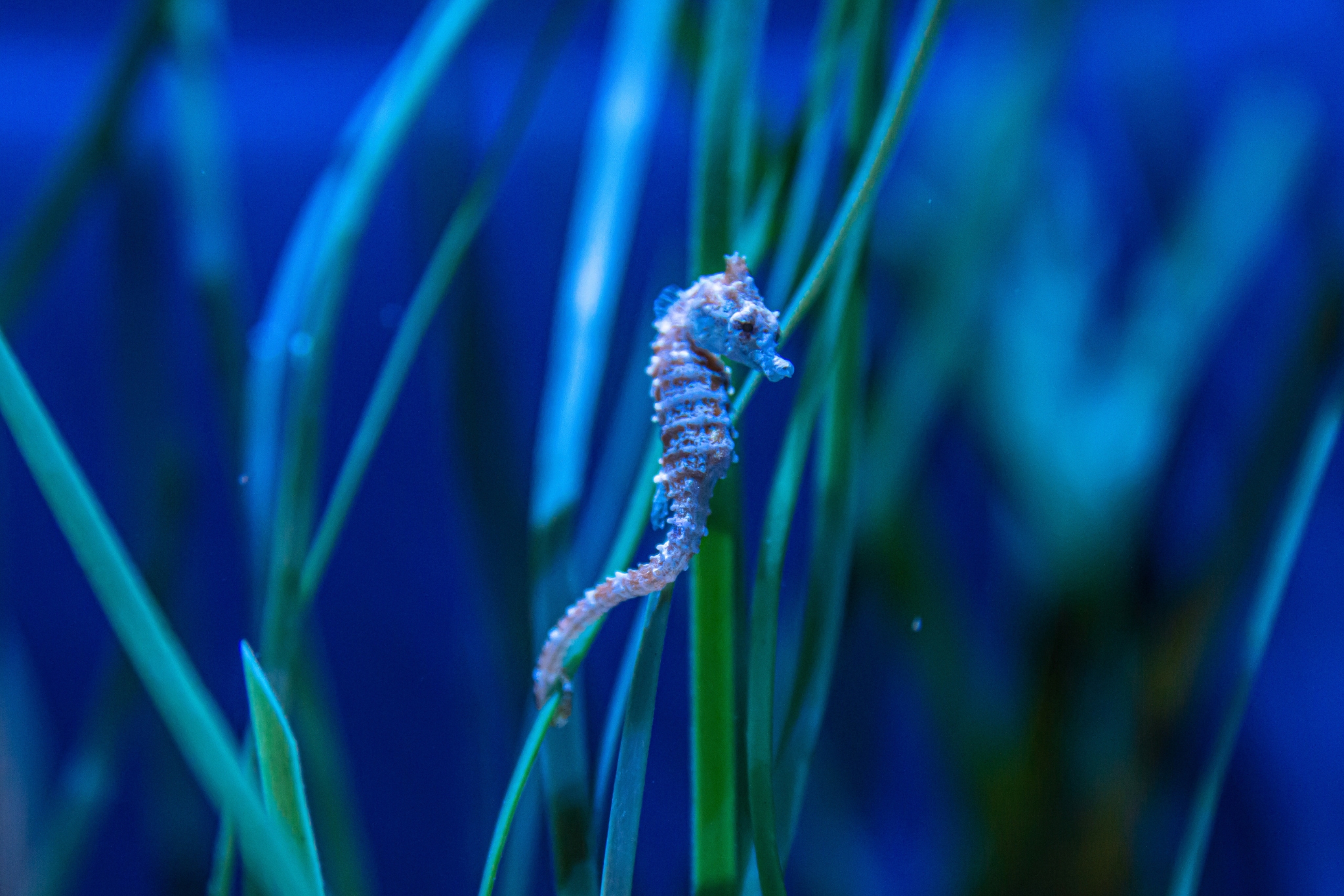
Hippocampus zosterae may be adorably small, but these charming seahorses have a big presence. They’re social, captivating to watch, and offer a completely different experience from a typical reef fish setup. That said, their care can be more specialized than many new keepers expect.
Instead of another basic care checklist, we’re focusing on the real world details that truly matter—the tips, lessons, and little things experienced breeders and aquarists wish they had known from the very beginning.
1. Skip the Sump Dwarf Seahorses Need Calm Water
Dwarf seahorses are naturally weak swimmers, and their tiny size means they aren’t built to battle strong currents. Too much flow can quickly become exhausting for them and can even make it harder for them to successfully feed.
Their ideal environment is calm, gentle, and peaceful, with just enough flow to keep the water moving without creating a challenge. If you’re used to a traditional reef tank with stronger circulation, this is one setup where less is definitely more.
2. Live Food Isn’t Optional They’re Essential
Unlike larger seahorse species that can be taught to eat frozen mysis shrimp, dwarf seahorses have much smaller bodies and faster metabolisms that make their feeding needs a little more specialized.
These tiny seahorses rely on live foods throughout their lives, with newly hatched baby brine shrimp being one of the most common choices in captivity.
Because of their small size and natural feeding style, they do best with a steady supply of appropriately sized prey available so they can graze and feed throughout the day.
This is one of the biggest commitments new keepers underestimate. Dwarf seahorses aren’t a “feed once and move on” kind of pet—they need consistent access to tiny live foods. If maintaining a regular baby brine shrimp hatch schedule sounds overwhelming, it may be worth waiting until you’re ready for the daily routine these little seahorses need.
3. Tank Size Is Less About Gallons and More About Ratio
One of the biggest misconceptions about dwarf seahorses is that they need a huge aquarium. In reality, these tiny seahorses often do best in smaller nano tanks, typically around 5 to 10 gallons for a small group.
Because they’re slow deliberate hunters, a smaller enclosure makes it easier for them to find their live food without using extra energy searching for every meal. For dwarf seahorses, a thoughtfully designed and manageable tank is often a much better choice than simply going bigger.
4. Watch for “Snick” It’s More Than Just a Funny Sound
|
A strong and noticeable snick is generally a good sign that your seahorse is feeding normally and its jaw is working properly.
If the sound becomes weak, unusually quiet, or disappears altogether, it could be an early clue that something isn’t quite right. It’s worth keeping an eye on and monitoring closely, since catching changes early can make a big difference.
5. Temperature Stability Matters More Than the Exact Number
Dwarf seahorses generally thrive in water temperatures in the mid to high 70s°F, but maintaining a stable temperature is even more important than hitting one exact number.
For seahorses, consistency is much better than frequent fluctuations, and sudden temperature swings can stress their immune system and make them more susceptible to illness.
|
6. They’re Social Creatures Don’t Keep Just One
Dwarf seahorses are naturally social little animals and generally do best when they’re kept in small groups rather than alone.
Keeping pairs or small colonies also lets you enjoy more of their natural behaviors, from their fascinating courtship displays to the gentle daily interactions that make this species so enjoyable to watch.
7. Hitching Posts Should Mimic Seagrass Not Just Decorate the Tank
Dwarf seahorses spend most of their day anchored to their surroundings. In the wild, they use their strong prehensile tails to wrap around seagrasses and other soft vegetation, so giving them plenty of safe hitching spots is an important part of creating a comfortable natural habitat.
Instead of sharp or rough decorations, choose soft, flexible hitching posts such as macroalgae or seahorse-safe artificial plants.
|
8. Pods Aren’t Just Food They’re Enrichment
A healthy copepod population in your aquarium is about more than just having an extra food source—it gives dwarf seahorses a chance to naturally hunt and forage throughout the day.
A tank with a thriving “pod culture” working in the background can make a big difference, often supporting healthier, more active, and more naturally behaving seahorses. That constant opportunity to search, stalk, and feed helps keep them active and engaged while reducing boredom and stress.
9. Breeding Can Sneak Up on You
Dwarf seahorses are surprisingly enthusiastic little breeders, and many new keepers are caught off guard when their “pair” suddenly turns into a tiny nursery.
If breeding isn’t part of your plan, it’s important to know what you’re getting into before adding a male/female pair to your tank.
Separating sexes or preparing ahead can help you avoid an unexpected situation and make sure you’re ready for whatever happens in your aquarium.
The Bottom Line on Dwarf Seahorse Care
Dwarf seahorses are a wonderful fit for keepers who enjoy a slower, more hands-on style of aquarium care. These fish may be tiny, but they reward the little details.
Put in the effort to create the right environment, and you’ll be rewarded with a truly special aquarium experience. Watching these tiny, fascinating seahorses settle in, interact, and thrive is what makes keeping them so memorable.