No Land, No Money, No Problem? What USDA Farm Loans Can Do
Dreaming of starting a farm but worried about funding? This guide breaks down USDA farm loans in plain English — including types, eligibility, next steps, and what to expect.
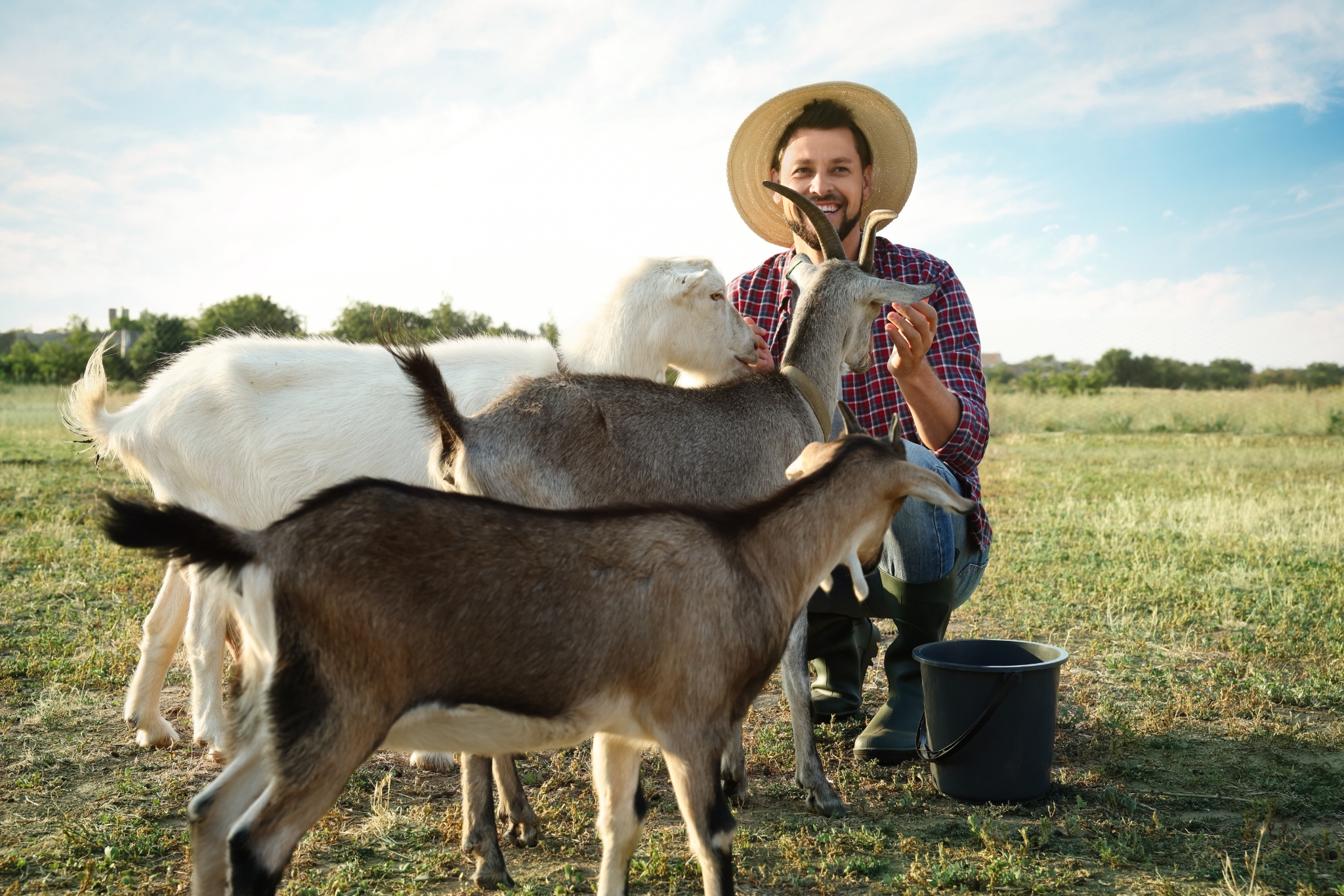
So you want to start a farm. You might already have five acres picked out, or maybe you’re still dreaming about it from your apartment while flipping through a stack of seed catalogs.
Either way, there’s one thing that tends to bring everyone back to reality pretty quickly… and that’s money.
The truth is, land can be expensive. So can equipment, livestock, fencing, irrigation, and all the other things you need to get a farm up and running—and all of that’s before you’ve even planted your first crop.
That’s where USDA farm loans can come in.
If you’ve heard people talk about USDA loans but weren’t quite sure what they actually are, don’t worry—you’re not the only one. The whole thing can sound pretty bureaucratic and complicated at first, but at their core, USDA farm loans are designed to make financing more accessible (especially for farmers who are just getting started).
So let’s take a closer look at what USDA farm loans are, who can qualify, and how you can apply—without needing a degree in agricultural finance to make sense of it all.
What Exactly Are USDA Farm Loans?
One thing to clear up first is that “USDA farm loan” is really an umbrella term. The loans are actually offered through the Farm Service Agency (FSA), which is part of the U.S. Department of Agriculture, and their job is to help farmers and ranchers access financing they might have a hard time getting from a traditional bank.
FSA loans can make a big difference, especially if you’re a new farmer trying to get financing. Traditional banks can be hesitant to lend to someone who’s just getting started. Farm income is seasonal, it can fluctuate from year to year, and you may not have much financial history, a proven track record, or valuable collateral yet.
To a bank, that can make the loan feel like a pretty big gamble, but for a new farmer, it’s usually just the reality of getting started.
But helping people overcome that kind of financing gap is exactly why the FSA exists. Depending on the loan, the FSA can either lend directly to the farmer or guarantee part of a loan made by a private lender. That guarantee reduces the lender’s risk, which can make it easier for someone who might otherwise be turned down to get the financing they need to start or grow a farm.
The Two Main Flavors Direct Loans vs. Guaranteed Loans
This is the first big fork in the road, and understanding the difference now will save you a lot of confusion later.
- Direct loans come straight from the FSA. You apply through your local FSA office, and if you’re approved, the government is the lender. These loans can be a good fit for beginning farmers who may not have much collateral, credit history, or experience to show a traditional lender.
- Guaranteed loans work a little differently. You apply through a bank, credit union, or another USDA approved lender, while the FSA guarantees a large portion of the loan (up to 95% in some cases). That guarantee reduces the lender’s risk and can make them more willing to finance a farm business that might not meet their usual lending requirements. You still get the loan from the private lender and the FSA is essentially there to back part of it up.
A lot of farmers wonder “Is one option better than the other?” The short answer is no, not necessarily. It really depends on your financial situation, the type of farm you’re starting, and which option makes the most sense for you. Your local FSA office can also help you figure out which path is the right fit.
The Loan Types You’ll Actually Encounter
Once you get into FSA territory, the loans are basically divided up based on what you need the money for. If you’re just getting started, these are the main ones you’ll want to know about:
1. Farm Ownership Loans
These loans are for buying land, building or repairing structures, and making major improvements to the farm. If your goal is to buy some acreage and put down permanent roots, this is the category to look at.
Direct farm ownership loans can go up to $600,000. There’s also a joint financing option that combines FSA financing with money from a commercial lender, which can help you stretch your buying power a little further.
2. Operating Loans
Think of these as the loans that help you actually run the farm. They can cover things like seed, feed, fertilizer, fuel, equipment, livestock, and even certain family living expenses while you’re getting the operation off the ground.
Remember: Ownership loans help you buy the farm, and operating loans help you keep it running.
3. Microloans
This is one that’s especially worth knowing about if you’re a first time farmer. Microloans are a simpler version of both ownership and operating loans, with a maximum of $50,000.
The application is shorter, there’s less paperwork, and the program is designed with small scale, beginning, and niche operations in mind. Think market gardens, small livestock operations, or specialty crops.
If you’re not planning to buy a 500 acre farm right out of the gate, a microloan can be a much more realistic place to start.
4. Youth Loans
This is a smaller program that’s easy to overlook, but it can be a great starting point for young people interested in agriculture.
Youth loans are generally available to people ages 10 to 20 who are involved in programs such as 4-H or FFA and want to fund an income producing agricultural project.
The loan limit is $5,000, so it’s not going to finance a full scale farm. But it can give a young person a legitimate opportunity to start a small agricultural business while learning valuable skills and building a credit history.
5. Beginning Farmer and Rancher Loans
This one is a little different, because it’s not actually a separate loan product. Instead, being classified as a beginning farmer can give you access to certain benefits and better terms.
If you meet the FSA’s definition of a beginning farmer, which we’ll get into shortly, you may qualify for reduced down payment requirements, funding specifically set aside for beginning farmers, and priority consideration when funds are limited.
Who Actually Qualifies?
This is where a lot of people talk themselves out of applying before they even give it a shot. There are plenty of misconceptions about who can qualify, so let’s clear some of those up.
To qualify as a beginning farmer under FSA rules, you generally need to meet a few basic requirements:
- You’ve operated a farm for 10 years or less.
- You don’t currently own a farm larger than 30% of the average size farm in your county. In other words, buying your first piece of land doesn’t automatically disqualify you.
- You meet the other basic requirements for the loan, including having acceptable credit and a realistic plan for your farm operation.
And the good news is that you don’t have to come from a farming family, already own land, or have a formal agricultural education. The FSA is designed to help people who are new to farming, so you don’t need to have a lifelong background in agriculture to get started.
But you will need to show that you’re prepared to actually run the farm you’re proposing. That usually means having a few things in place like:
- A farm operating plan, which is essentially a business plan built around your farm. It explains what you plan to produce, what you expect to spend and earn, and how you’ll repay the loan.
- Some relevant farming experience or training. This could come from working on another farm, completing an internship or coursework, or building up a solid track record through hands-on experience.
- U.S. citizenship, non-citizen national status, or qualified alien status.
- The legal capacity to enter into a loan contract.
You don’t need to have everything figured out — or come from a long line of farmers.
What matters is showing you have a realistic plan, and the skills or experience to make it work.
How to Actually Apply
This is the part that trips people up the most, because you can’t just fill out an online form in 20 minutes and call it a day. There’s steps you have to follow, but once you know what to expect, it’s much easier to navigate.
1. Find your local FSA office
This is where the process starts. USDA farm loans are handled through local FSA offices, and your local office will be your main point of contact throughout the process. They can also give you guidance based on things that vary by location, such as local land values and lending practices.
2. Talk to a farm loan officer before applying
This is one of the most useful steps, and it’s also the one that people usually skip. An FSA loan officer can look at your situation, talk through your plans, and help you figure out which type of loan makes the most sense before you dive into a full application.
Take advantage of this—it’s free, and a conversation upfront can save you a lot of time and frustration later.
3. Put together your farm operating plan
Think of this as your farm business plan. You’ll lay out what you plan to grow or raise, who you’ll sell to, what you expect to spend, how much you expect to earn, and how you plan to repay the loan.
If putting all of that together sounds overwhelming, don’t panic. Many FSA offices and university extension programs have templates and resources that can help you build a plan specifically for a farm loan application.
4. Gather your financial documents
You’ll typically need things like personal financial statements, tax returns, and information about your existing debts and assets. Having these documents organized ahead of time can make the application process much smoother.
5. Submit your application
For a direct loan, you’ll submit your application through the FSA. For a guaranteed loan, you’ll apply through a participating lender, such as a bank or credit union.
6. Be prepared for the underwriting process
Once your application is in, the FSA or lender will review your finances, experience, farm plan, and ability to repay the loan. The FSA has service standards for processing applications, but it’s still a good idea to think in terms of weeks rather than days.
Common Mistakes First Time Applicants Make
A few patterns come up again and again with new applicants, and they’re worth keeping an eye on:
- Underestimating the operating plan. A simple plan like “I want to raise chickens and sell eggs” isn’t quite enough. Loan officers want to see the numbers behind the idea—things like projected flock size, feed costs, expected egg production, local market prices, and a realistic timeline for becoming profitable.
- Asking for more than you need. It can be tempting to request a little extra just in case, but a large loan request without a clear reason can raise red flags during underwriting. It’s better to size the loan around what your actual plan requires.
- Skipping the informal conversation. Going straight into a formal application without first talking with a loan officer can mean missing out on valuable guidance. A quick conversation upfront can help you spot gaps, adjust your approach, and put together a stronger application.
- Not considering a microloan first. New farmers sometimes assume they need to start with a large loan right away. In many cases, a microloan can be a smarter and faster way to get started—while also helping you build a track record that can support a larger loan down the road.
Beyond the Loan Other USDA Support Worth Knowing About
Loans may get most of the attention, but they’re not the only support the USDA offers. There are also grant programs, crop insurance options, conservation cost share programs, and training resources for beginning farmers. Many of these can work alongside a loan, helping lower your overall risk and reduce how much you have to pay out of pocket.
While you’re talking with your FSA office about a loan, it’s also worth asking what other programs you might qualify for too. You may be able to piece together several resources to make your whole plan more manageable.
The Bottom Line
USDA farm loans exist because the government wants to make sure there’s a path into agriculture for new, beginning, and small farmers, not just large operations with deep pockets. If you’ve been putting off your farm dream because you assumed you’d never qualify for financing, these programs may be worth a closer look.
The process isn’t instant, and it does take some paperwork, planning, and a solid business plan. But for many aspiring farmers, USDA financing can be one of the more accessible ways to get started in farm ownership.
And for a lot of first generation farmers, it can turn farming from something they’ve always dreamed about into something they can actually pursue.