This post contains affiliate links. If you make a purchase through one of these links, we may earn a small commission at no extra cost to you.
Bell Boots 101 What They Do and When Your Horse Needs Them
Does your horse need bell boots? Learn the signs of overreaching, boot types, and how to choose the right fit for riding and turnout.
If you’ve ever watched a horse nick its own heel bulb during a stride or step on a shoe and pull it halfway off, you know exactly why bell boots can be so useful.
But they’re not a must-have for every horse, and the right style can depend on how and where your horse is ridden.
Here’s what really matters when deciding whether bell boots should have a spot in your tack box.
What Are Bell Boots?
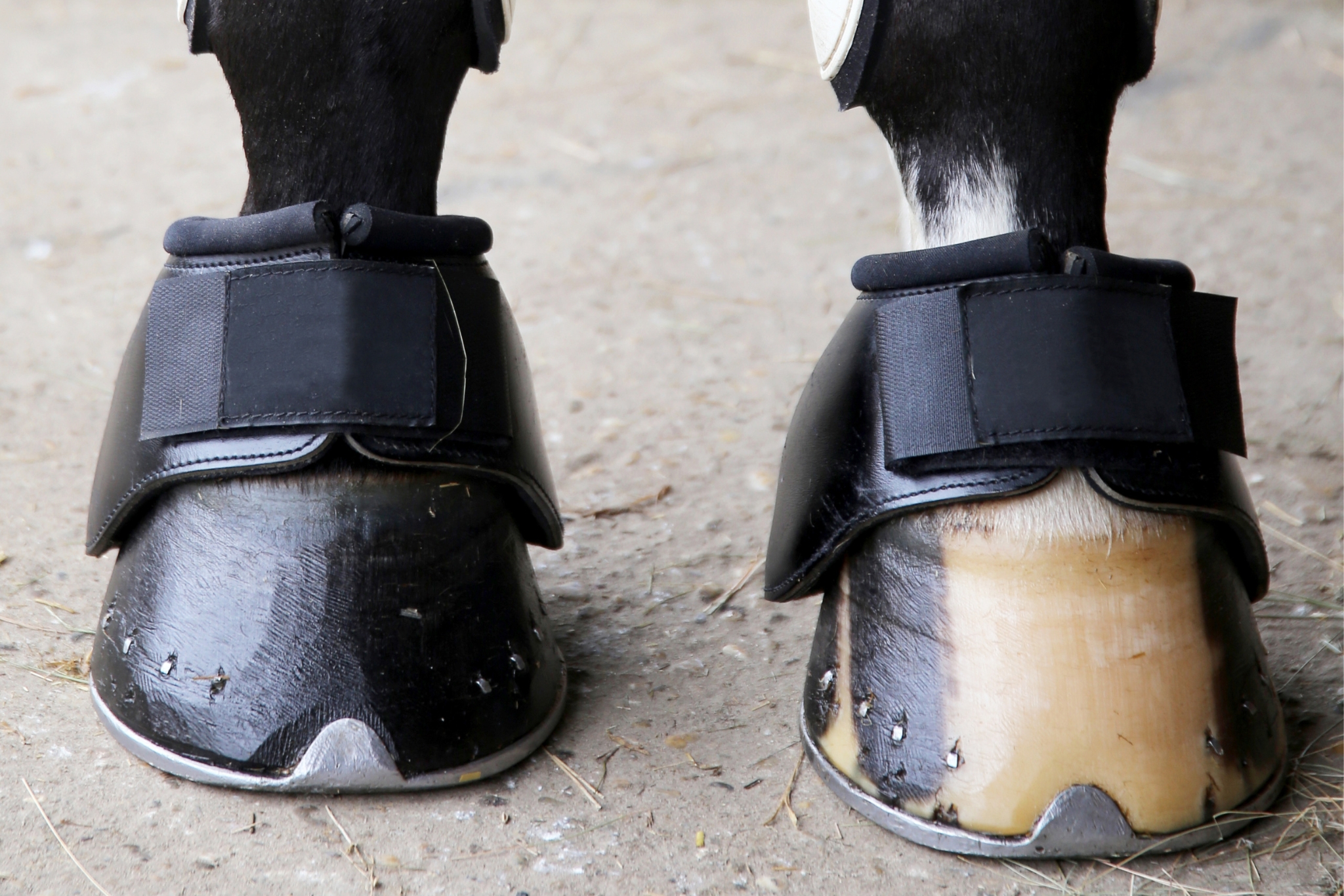
Bell boots (also called overreach boots) are protective boots that fit around the hoof and cover the heel bulbs, and sometimes part of the hoof wall too.
They get their name from their bell-like shape and are designed to protect a horse’s front feet from being stepped on or struck by the hind feet.
They can be especially helpful during faster work, jumping, or turnout, when a horse is more likely to overreach and catch the back of a front hoof with a hind foot.
Signs Your Horse Needs Bell Boots
Not every horse needs bell boots every time they’re worked, but they can be a smart addition if your horse tends to interfere with their front feet.
Consider using them if you notice any of the following:
- Overreaching: The hind hoof hits the heel or back of the front hoof or leg, which can leave nicks, bruising, or torn heel bulbs.
- Forging: You hear an audible click when the hind toe hits the front shoe during a stride.
- Pulled or lost shoes: Your horse frequently pulls shoes, especially in mud, deep footing, or during lateral movements.
- Conformation risk factors: Horses that are long backed, short legged, built downhill, or naturally quick with their hind legs may be more likely to overreach.
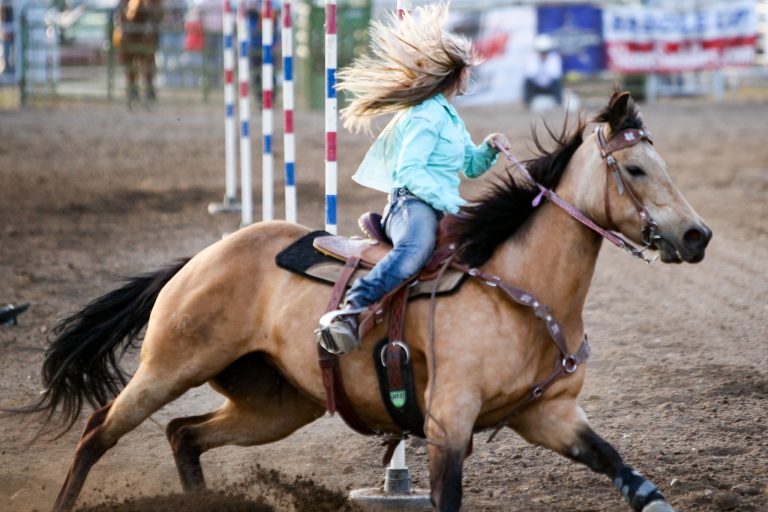
- High impact work: Activities like jumping, barrel racing, reining, and gaited disciplines can increase the chances of interference injuries.
- Turnout in mud or deep footing: Wet heavy ground can create suction around the hoof and make it easier for a horse to pull off a shoe.
If your horse checks any of these boxes, bell boots can be a simple relatively inexpensive way to protect the front feet and help prevent an injury that could put your horse out of work for weeks.
When Bell Boots Might Not Be Necessary
Some horses simply don’t need bell boots. If your horse has balanced clean movement, doesn’t have a history of overreaching, and isn’t regularly pulling shoes, there may be no reason to use them.
It’s also important to remember that bell boots are there for protection, not to fix the underlying problem.
If your horse is consistently overreaching, it could be related to fatigue, hoof balance, shoeing, or even how they’re moving during training. In that case, it’s worth having your farrier or trainer take a closer look at what’s causing it rather than relying on bell boots alone.
Types of Bell Boots
Pull-On (Rubber) Bell Boots
- This is the classic bell boot style, and they’re usually made from solid rubber.
- They’re durable and a great choice for turnout because there’s no closure to catch on fencing or accidentally come undone.
- The main downside is that sizing needs to be right since you can’t adjust the fit.
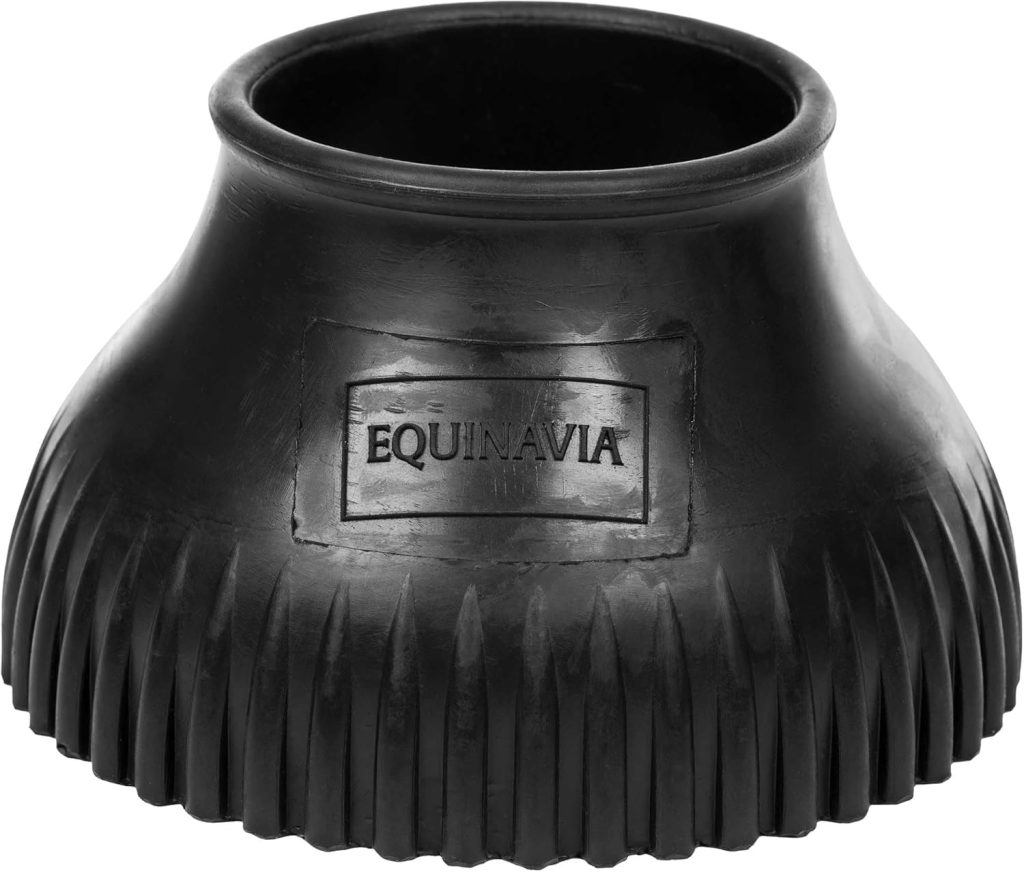
If your horse spends a lot of time outside, this is the boot we’d recommend. There’s no Velcro to come loose or straps to snag on a fence, just durable rubber that stays securely in place and gets the job done. Just be sure to get the right size, since there’s no way to adjust the fit once they are on.
Velcro / Hook and Loop Bell Boots
- These are much easier to put on and take off, and the adjustable closure makes it easier to get a more customized fit.
- They’re especially convenient for riding because you can get them on and off quickly.
- The tradeoff is that they can loosen during more intense work, so it’s a good idea to check them regularly.
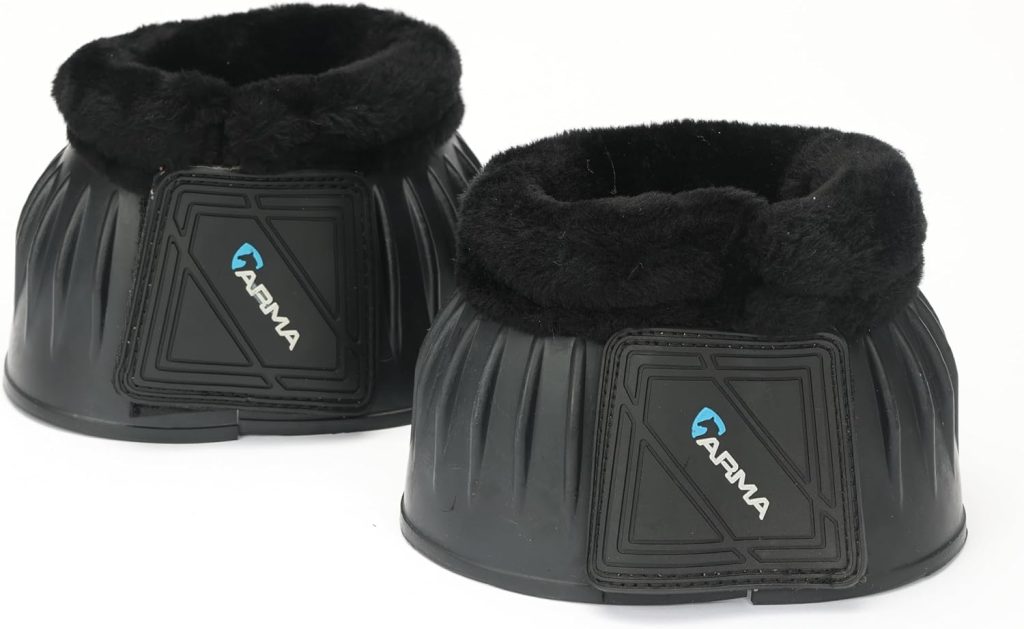
This is the one we’d reach for when we want something quick and easy. It goes on in seconds, comes off just as fast, and the adjustable closure lets you get a secure fit without having to guess at the sizing. We also love the fleece trim, which helps prevent the top edge from rubbing against the pastern during longer rides. It’s a small detail, but one you’ll appreciate when cheaper Velcro boots start causing irritation.
No-Turn Bell Boots
- No-turn boots have an inner design, often with a ribbed or contoured lining, that helps keep the boot from spinning around the hoof.
- They’re a good option for horses that move enough to twist regular bell boots out of position.
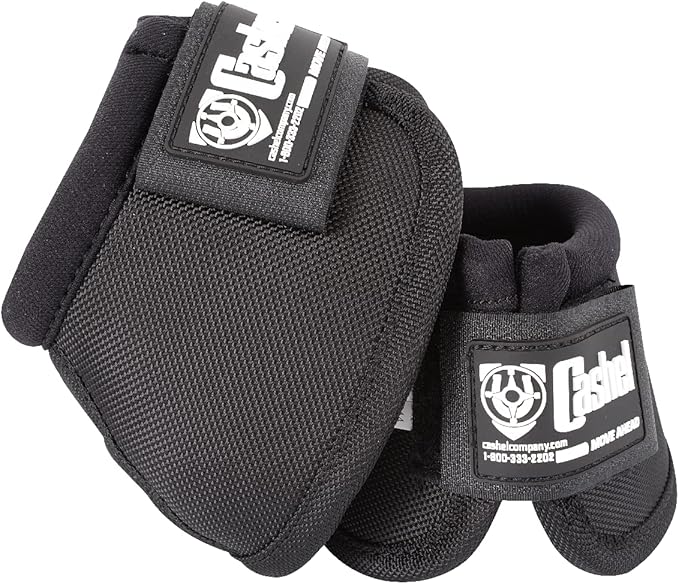
Every barn has that one horse who spins a regular bell boot halfway around his leg before you’ve even shut the gate. This is the boot for them. The contoured lining grabs and holds, and it’s earned a perfect 5 out of 5 from the people who bought it. Get this one and stop hunting the pasture for a boot that wandered off.
Petal Bell Boots
- Petal style boots are made with overlapping sections that can be trimmed to create a better fit.
- They’re especially popular in Western and reining disciplines because they’re adjustable, sit fairly close to the hoof, and have a lower profile design
How to Choose the Right Fit
Getting the right fit is important. A bell boot that’s too small can restrict movement, rub, or create pressure sores, while one that’s too large may spin or slide around and leave the heel bulb unprotected.
As a general rule:
- The boot should reach the ground or just barely touch it when your horse is standing square.
- It should fit snugly around the pastern without pinching or digging in.
- You should be able to slide a finger between the boot and the leg. It should feel secure without being too tight.
Turnout vs. Riding Use
Many riders use different bell boots depending on what their horse is doing.
Pull-on rubber boots are usually a great choice for turnout, especially in muddy or rocky paddocks, because there’s no Velcro or other closure to come loose or get caught.
For schooling and competition, Velcro styles are often more convenient since they’re quick to put on and take off. They also tend to have a lower profile look, which can be helpful in disciplines where a clean polished appearance matters (like the show ring).
❌ Common Mistakes to Avoid
- Leaving bell boots on 24/7: Wearing them for extended periods (especially in wet conditions) can trap moisture against the skin and create an environment where fungal or bacterial issues can develop around the heel bulbs.
- Using the wrong size: Boots that are too tight can rub and cause sores, while boots that are too loose may shift out of place, reduce protection, or even become a tripping hazard.
- Skipping regular checks: Dirt, sand, mud, and other debris can get inside the boot and rub against the hoof or skin. Take the boots off regularly to check, clean, and dry the area.
- Using the same boots for everything: Turnout and riding have different demands, so a boot that works well in the pasture may not always be the best choice for schooling or competition.
The Bottom Line
Bell boots are a simple and relatively inexpensive way to help prevent some of the common hoof and lower leg injuries horses can pick up, especially during turnout, jumping, or faster work.
Whether your horse actually needs them depends on their movement, conformation, workload, and where they’re turned out.
Not every horse needs bell boots, but if your horse tends to overreach, forge, or regularly pull shoes, they can be one of the easiest ways to add a little extra protection and help prevent avoidable injuries.