11+ Best Spots for Whale Watching in the Pacific Northwest (Where and When to Go)
Plan your Pacific Northwest whale watching trip. Explore the best spots in Washington, Oregon, and British Columbia, the best months to go, and how to see orcas, gray whales, and humpbacks responsibly.
- Types of Whales You Can See in the Pacific Northwest
- San Juan Islands, Washington: The Classic Whale Watching Experience
- Puget Sound, Washington: Whale Watching Close to Seattle
- Westport, Washington: A Wild Open Ocean Adventure
- Cape Flattery, Washington: Dramatic Views and Wild Coastlines
- Depoe Bay, Oregon: The Whale Watching Capital of the Oregon Coast
- More Oregon Coast Viewpoints That are Worth Your Time
- Victoria, British Columbia: Whale Watching with a Canadian Twist
- Tofino and Ucluelet, British Columbia, for a Wild West Coast Adventure
- Northern Vancouver Island: Telegraph Cove and Campbell River
- When Is the Best Time for Whale Watching in the Pacific Northwest?
- Boat Tours or Whale Watching from Shore?
- Tips for Making the Most of Your Whale Watching Trip
- Watching Whales Responsibly
- Frequently Asked Questions
- The Bottom Line
There’s a moment on every great whale watching trip when everything goes quiet. Someone spots a tall dorsal fin slicing through the gray green water, and suddenly, every conversation stops. If you’ve never experienced that kind of magic, the Pacific Northwest is one of the best places to discover it.
Stretching from Oregon’s rugged coastline through Washington’s island dotted waters and into British Columbia, this region offers some incredible opportunities to see whales in the wild. Gray whales, humpbacks, minke whales, and several types of orcas travel through these waters, with some populations sticking around year round.
Whether you’re planning your first whale watching adventure or looking for your next unforgettable encounter, knowing where to go and when to visit can make all the difference. Let’s explore the best spots, the ideal seasons, and a few tips to help you make the most of your time on the water.
Types of Whales You Can See in the Pacific Northwest
Knowing which whales you might see can make your trip even more exciting. Each species has its own habits, behaviors, and favorite places to feed, so keep your eyes on the water—you never know what might show up!
Orcas (Killer Whales)
Orcas are the stars of many Pacific Northwest whale watching trips, but did you know there are different types? Resident orcas primarily feed on salmon, while Bigg’s (transient) orcas hunt marine mammals such as seals, sea lions, and porpoises.
The endangered Southern Resident orcas spend part of the year in the Salish Sea and are especially important to the region’s conservation efforts.
Gray Whales
These incredible travelers make one of the longest migrations of any mammal, journeying between their breeding lagoons in Mexico and feeding grounds in the Arctic. Many pass along the Pacific Northwest coast during their winter and spring migrations.
A small group (often called the “Sounders”) feeds in Puget Sound each spring, while some gray whales linger along parts of the Oregon and Vancouver Island coasts during summer.
Humpback Whales
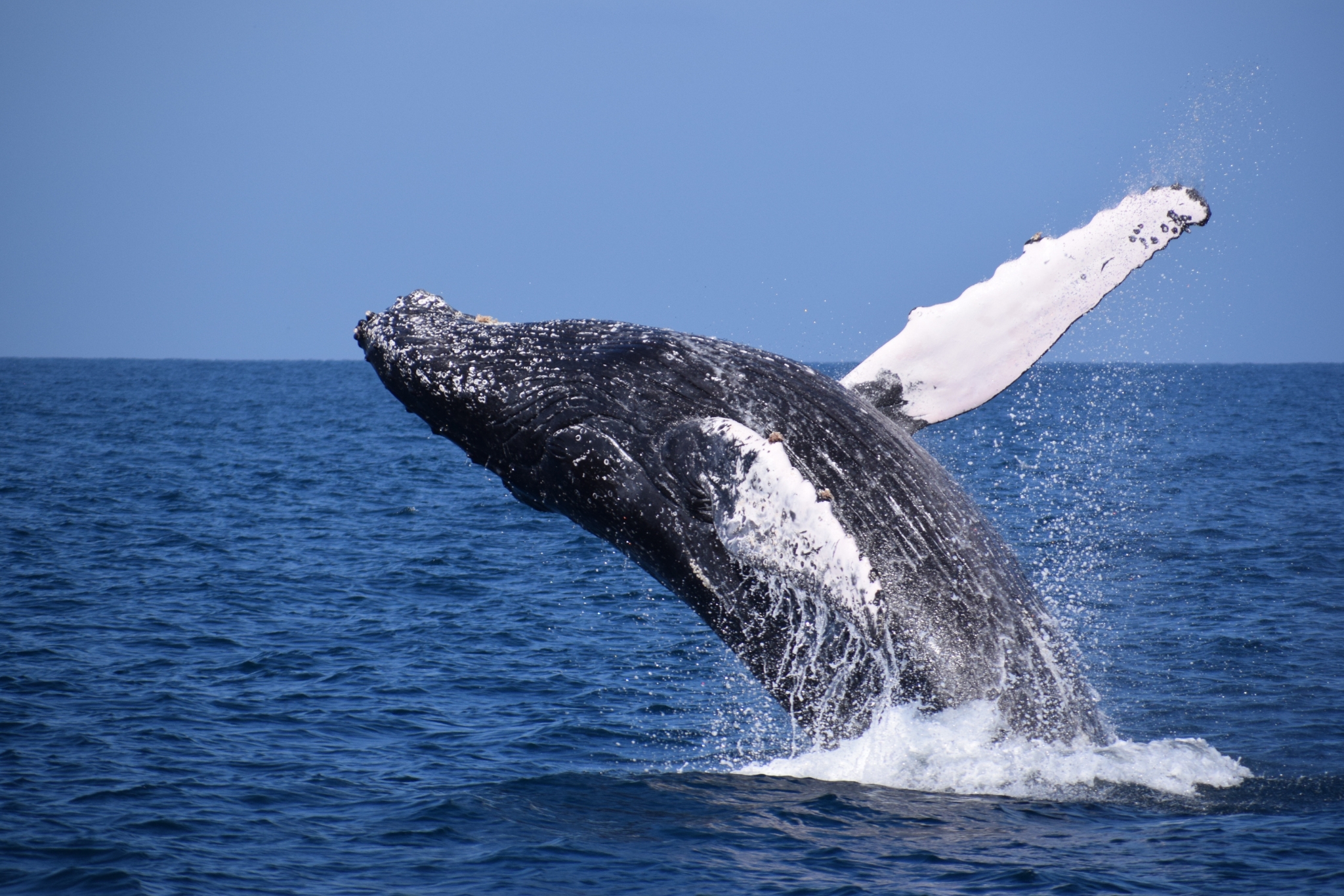
Humpbacks have made an impressive comeback in parts of the region in recent years, delighting whale watchers with their spectacular displays. You might see one breach dramatically out of the water, slap its enormous tail against the surface, or even witness bubble net feeding (a fascinating cooperative hunting technique used by some populations).
Minke Whales, Dall’s Porpoises, and Harbor Porpoises
Not every exciting sighting involves a giant whale! Minke whales are smaller, sleek, and often surprisingly quick to surface. Dall’s porpoises are known for their fast swimming and playful looking splashes, while harbor porpoises are smaller and more discreet. All three can be spotted on trips around the San Juan Islands and Strait of Juan de Fuca.
The best part is that every trip is different.
You might head out hoping to see orcas and end up watching humpbacks feed, gray whales surface, or porpoises race alongside the boat. That’s part of the magic of exploring the Pacific Northwest’s wild waters!
1. San Juan Islands, Washington The Classic Whale Watching Experience
If you’re only going to choose one whale watching destination in the Pacific Northwest, the San Juan Islands are hard to beat. With beautiful island scenery, rich marine wildlife, and a long history of whale research and conservation, this is the quintessential Pacific Northwest whale watching adventure.
-
Best for
Orcas, humpbacks, and minke whales
-
Best time to visit
Late spring through early fall, with summer offering some of the best opportunities for sightings
-
Where to start
Friday Harbor on San Juan Island or Anacortes on the mainland
Whale watching tours depart from Friday Harbor and Anacortes, taking visitors through the island channels in search of whales and other marine wildlife. Many tours also have knowledgeable naturalists on board who help identify individual orcas by their distinctive markings and share fascinating insights into their behavior.
The sheltered waters between the islands can also make for a gentler ride than some open ocean excursions, although conditions can vary. That’s a welcome bonus for families and anyone who’s prone to seasickness.
Don’t Miss Lime Kiln Point State Park
Often called “Whale Watch Park,” Lime Kiln Point State Park on San Juan Island is one of the region’s best known spots for watching whales from shore. Located on the island’s western side, the park offers sweeping views across the Salish Sea, with a picturesque lighthouse and rocky coastline adding to the experience.
Bring binoculars, a warm layer, and a thermos of your favorite drink. Then find a comfortable spot, scan the water for blows and dorsal fins, and enjoy the anticipation. There’s no tour ticket required to watch from shore, but Washington State Parks parking requirements may apply.
And when a whale finally surfaces, the excitement is every bit as real as it is from a boat. Sometimes, the most memorable wildlife encounters are the ones you patiently wait for.
2. Puget Sound, Washington Whale Watching Close to Seattle
You don’t have to travel far from Seattle to experience some incredible marine wildlife. Puget Sound is home to a surprising variety of whales and other marine mammals, making it a great option if you want to add whale watching to a city trip without venturing too far.
-
Best for
Gray whales in spring, plus humpbacks and Bigg’s orcas at various times of the year
-
Best time to visit
March through May for gray whales; check local sighting reports for more recent orca and humpback activity
-
Where to start
Seattle, Edmonds, Everett, Langley, or Coupeville on Whidbey Island
The waters around Whidbey Island and Everett are well known for seasonal gray whale visits. These whales often come into shallow waters to feed on ghost shrimp in the mudflats, offering a fascinating glimpse into their feeding habits.
One of the advantages of whale watching here is the flexibility. You can book a guided tour, explore shoreline viewpoints, or follow local whale sighting networks for recent reports. Just remember that sightings are never guaranteed, even when whales have been spotted nearby.
Make Time for Whidbey Island
Whidbey Island in Puget Sound is an especially lovely base if you prefer a slower paced getaway. You can spend the day exploring charming coastal communities, watching the water from shore, and enjoying the island scenery between wildlife sightings.
Even the ferry rides can be part of the adventure. Keep an eye on the water as you cross Puget Sound, since whales and porpoises sometimes appear along the route.
If you’re visiting Seattle and want to experience the region’s marine wildlife without committing to a longer trip, Puget Sound is well worth considering. It’s a reminder that sometimes the wildest experiences are closer than you think.
3. Westport, Washington A Wild Open Ocean Adventure
If you’re looking for a more rugged whale watching experience, head to Westport on Washington’s southwest coast. This working fishing town offers a classic Pacific Northwest ocean adventure, complete with salty sea air, sweeping coastal views, and the chance to spot whales in their natural habitat.
-
Best for
Gray whales and humpback whales
-
Best time to visit
Spring during the gray whale migration, with late summer and fall also offering opportunities for sightings
-
Where to start
Westport, in Grays Harbor County
Westport has a long tradition of fishing and whale watching, with charter boats heading offshore in search of marine wildlife. Unlike the more sheltered waters of the San Juan Islands, the Pacific Ocean here is exposed to open water conditions, so be prepared for some rolling swells.
But that’s part of the appeal! If you love the feeling of being out on the open sea, Westport delivers that wild wide open experience many people picture when they think of whale watching.
Gray whales sometimes travel surprisingly close to the coast (particularly during migration) so you may also have opportunities to spot them from land.
Where to Watch from Shore
Westport Light State Park is a great place to enjoy coastal scenery and scan the ocean for signs of whale activity. Bring binoculars, dress for the wind, and keep an eye out for blows on the horizon.
A Few Tips Before You Go
- If you’re a first time whale watcher or tend to get seasick, an open ocean trip may take a little extra preparation. Check the marine forecast, ask your tour operator about expected conditions, and consider an appropriate motion sickness remedy before boarding if you need one.
- Morning trips can sometimes offer calmer conditions, but the weather and sea state vary from day to day, so check with the operator before booking.
Overall, Westport is a great choice for anyone who wants a little more adventure with their whale watching. Just remember to bring your sense of adventure… and a good waterproof jacket!
4. Cape Flattery, Washington Dramatic Views and Wild Coastlines
For breathtaking coastal scenery and a quieter whale watching experience, head to Cape Flattery at the northwestern tip of Washington. Here you’ll get rugged cliffs, towering sea stacks, and waves crashing against the Pacific shoreline to create an unforgettable setting for spotting wildlife.
-
Best for
Gray whales, humpbacks, and migrating orcas
-
Best time to visit
Spring is a great time to look for migrating gray whales, though sightings vary throughout the year.
-
Where to start
Neah Bay, on Washington’s Olympic Peninsula
And getting to Cape Flattery is an adventure in itself. From Neah Bay, a short forest trail leads to a series of cliffside viewpoints overlooking the Pacific Ocean and the entrance to the Strait of Juan de Fuca.
Once you reach the viewpoints, take your time scanning the water for the telltale puff of a whale’s blow or the curve of a dorsal fin. On a clear day, the views are spectacular, and the surrounding sea stacks make a stunning backdrop for photographs.
A Few Things to Know Before You Go
- Cape Flattery is on Makah Tribal land, so be sure to check current visitor access requirements before making the trip. Respect local rules, stay on designated trails, and follow posted guidance.
- Conditions can be windy, wet, and unpredictable, so wear sturdy shoes and bring a waterproof jacket. Binoculars are also useful for scanning the water.
Of course, whale sightings are never guaranteed. But even if the whales keep their distance, the dramatic cliffs, crashing surf, and sweeping ocean views make Cape Flattery well worth the visit.
If you love wild landscapes and don’t mind a little extra travel, this is a Pacific Northwest destination you won’t soon forget.
5. Depoe Bay, Oregon The Whale Watching Capital of the Oregon Coast
If you’re looking for a whale watching destination that’s easy to visit and offers plenty of opportunities to spot whales from shore, Depoe Bay deserves a spot on your list. This charming coastal town proudly calls itself the Whale Watching Capital of the Oregon Coast, and it’s pretty easy to see why.
-
Best for
Gray whales that live along the coast seasonally, plus migrating gray whales in winter and spring
-
Best time to visit
Potential sightings year-round, with major migration periods in winter and spring
-
Where to start
Depoe Bay, Oregon
One of the things that makes Depoe Bay special is that you don’t necessarily need to book a boat trip to see whales. A group of gray whales spends a large portion of the summer and fall feeding along the Oregon coast, giving visitors a chance to spot them outside the usual migration seasons.
The town’s seawall promenade offers lovely ocean views, and whales sometimes swim surprisingly close to shore. If you’d like to get out on the water, local charter operators also offer whale watching trips from Depoe Bay’s small harbor.
Visit During Whale Watch Week
Oregon’s seasonal Whale Watch Weeks are another great reason to visit. Organized by Oregon State Parks, these events take place during winter and spring migration periods, when trained volunteers help visitors spot whales from designated viewpoints along the coast.
If you’ve never watched for whales before, it’s a fun and welcoming way to learn what to look for, from a telltale spout of water to the rolling shape of a gray whale’s back. You can check the official Oregon State Parks website for current Whale Watch Week dates and participating locations before planning your trip.
Whether you’re watching from the seawall with a hot coffee in hand or heading out on a boat, Depoe Bay makes whale watching feel accessible and relaxed. It’s a wonderful choice for families, first time visitors, and anyone hoping to add a little wildlife magic to an Oregon coast getaway.
6. More Oregon Coast Viewpoints That are Worth Your Time
One of the best things about whale watching along the Oregon coast is that you don’t need a boat to enjoy it. The coastline is dotted with rugged headlands, scenic overlooks, and cliffside viewpoints where you can scan the Pacific for migrating whales while taking in some truly spectacular scenery.
Here are a few favorite spots to add to your itinerary:
– Cape Foulweather and Otter Crest
These elevated viewpoints offer sweeping views of the ocean, making them excellent places to look for whale blows and movement along the coastline. Bring binoculars and give yourself plenty of time to scan the water.
– Yaquina Head Outstanding Natural Area (near Newport)
With its iconic lighthouse, rocky shoreline, and fascinating tide pools, this one is worth visiting even if you don’t spot a whale. Gray whales can sometimes be seen passing offshore, especially during migration seasons.
– Cape Perpetua
One of the coast’s most impressive elevated viewpoints, Cape Perpetua gives you a broad view of the Pacific. Its height can be especially helpful when scanning a large stretch of ocean for distant blows.
– Cape Meares and Cape Lookout
These North Coast destinations offer beautiful coastal scenery and opportunities to watch for migrating whales. They can also be appealing alternatives if you prefer a quieter outing away from some of the busier viewpoints.
– Cape Arago and Cape Blanco
If you’re exploring southern Oregon, don’t overlook Cape Arago State Park and Cape Blanco State Park. Both offer dramatic ocean views and opportunities to look for whales, often with fewer visitors than some of the better known coastal stops.
Tips for Whale Watching from Land
When you’re watching from shore, a good vantage point and clear visibility can make all the difference. Higher ground helps you scan more of the ocean, while calm clear conditions make it easier to spot a distant blow or dorsal fin.
Bring binoculars, dress in warm layers, and give your eyes time to adjust as you scan the water. Look for repeated spouts in the same area rather than expecting a whale to leap out of the water.
And remember, patience is part of the experience. Even without a whale sighting, Oregon’s coastal headlands offer some of the most beautiful ocean views in the Pacific Northwest.
7. Victoria, British Columbia Whale Watching with a Canadian Twist
Fancy turning your whale watching adventure into a weekend getaway? Head across the border to British Columbia, where beautiful coastal scenery, vibrant city life, and some of the Pacific Northwest’s best whale watching opportunities come together.
-
Best for
Bigg’s and resident orcas, humpbacks, minke whales, and gray whales
-
Best time to visit
May through October is the main whale watching season
Where to start
Victoria’s Inner Harbour, on Vancouver Island
Located at the southern tip of Vancouver Island, Victoria sits close to the productive waters of the Salish Sea, where several whale species feed and travel throughout the year.
You can reach Victoria by ferry or float plane, depending on where you’re traveling from. Once you arrive, you’ll find whale watching tours offering a range of experiences, from comfortable covered cruisers to fast open air Zodiac boats.
If you love a little adventure, a Zodiac puts you close to the water, with unobstructed views and an exhilarating ride. Prefer something more relaxed? Larger vessels typically offer indoor seating and protection from the elements, making them a great option for families or anyone who wants a more comfortable trip.
Keep an Eye Out for Orcas
Bigg’s orcas are frequently spotted in the waters around southern Vancouver Island, where they hunt marine mammals such as seals and porpoises. Resident orcas (which primarily eat salmon) also use the broader Salish Sea, but sightings vary with season and prey availability.
Experienced local operators monitor whale activity and can often adjust their routes based on recent reports, but no sighting is ever guaranteed.
Make a Weekend of It
One of the best things about visiting Victoria is that the fun doesn’t stop when you get back from your whale watching trip. The city has plenty to explore, from beautiful gardens and fascinating museums to historic buildings, cozy cafes, and a fantastic food scene.
Imagine spending the morning out on the water spotting whales, enjoying a relaxed lunch overlooking the harbour, and then wandering through Victoria’s charming streets in the afternoon. It’s the perfect mix of wildlife, coastal scenery, and city adventure.
If you’re hoping to turn your whale watching trip into a memorable getaway, Victoria is a wonderful choice. Just be sure to book your tour ahead of time during the busy season and check the latest border crossing requirements before you travel.
8. Tofino and Ucluelet, British Columbia for a Wild West Coast Adventure
If you’re craving a whale watching trip that feels a little more remote and rugged, head to the wild west coast of Vancouver Island. The laid back surf towns of Tofino and Ucluelet offer a beautiful mix of ocean wildlife, misty rainforests, and dramatic beaches that make the journey unforgettable.
-
Best for
Gray whales, humpbacks, and orcas
-
Best time to visit
March and April are great for the gray whale migration, with whale watching opportunities continuing into fall.
-
Where to start
Tofino or Ucluelet, in British Columbia’s Pacific Rim region
One of the best things about visiting this part of Vancouver Island is that whale watching is just one part of the adventure. You can spend the morning looking for whales offshore, wander through an ancient rainforest in the afternoon, and finish the day strolling along a wild Pacific beach.
Keep your eyes open for other wildlife too. Sea otters, bald eagles, and even black bears can sometimes be spotted along the coastline, adding another layer of excitement to your visit.
The weather here can change quickly (even in summer) so bring proper rain gear, warm layers, and waterproof footwear. Conditions on the open Pacific can also be rough, so check the forecast and choose a whale watching tour that suits your comfort level.
If you love wild landscapes, uncrowded beaches, and the feeling of getting away from it all, Tofino and Ucluelet are wonderful places to experience the wilder side of the Pacific Northwest.
9. Telegraph Cove and Campbell River Northern Vancouver Island
If seeing orcas in the wild is high on your bucket list, northern Vancouver Island and Johnstone Strait deserve a serious look. This part of British Columbia is known for its rich marine life, spectacular coastal scenery, and opportunities to observe whales in their natural habitat.
-
Best for
Resident orcas, humpback whales, and visits to beaches where orcas rub against smooth pebbles
-
Best time to visit
Summer through early fall
-
Where to start
Telegraph Cove, Port McNeill, or Campbell River
The waters around Johnstone Strait are particularly well known for northern resident orcas. These whales travel in family groups and feed primarily on salmon, making the region a fascinating place to learn about their behavior and social lives.
Getting here takes a little more planning than visiting some of the more accessible whale watching destinations, but that extra journey can be part of the appeal. The area usually feels quieter and more remote, and many local tour operators are small family run businesses with years of experience on these waters.
Humpback whales are another highlight, with sightings around Campbell River offering an exciting bonus for wildlife lovers. As always, sightings vary with the season and conditions.
For a truly special experience, keep an eye out for reports of orcas visiting rubbing beaches, where they rub their bodies against smooth underwater pebbles. These unique behaviors are fascinating to learn about, but viewing opportunities depend on where the whales travel.
If you’re passionate about marine wildlife and want to explore beyond the best known tourist stops, northern Vancouver Island and Johnstone Strait offer a rewarding whale watching adventure filled with wild scenery, local knowledge, and unforgettable possibilities.
When Is the Best Time for Whale Watching in the Pacific Northwest?
The best time to go whale watching really depends on which species you’re hoping to see. Different whales pass through the Pacific Northwest at different times of year, so choosing your travel dates around your favorite species can improve your chances of a sighting.
| Season | What to look for |
|---|---|
| WinterDec–Feb | Southbound gray whales along the Oregon and Washington coasts |
| SpringMar–May | Northbound gray whale migration, Puget Sound gray whales, and the start of orca season |
| SummerJun–Aug | Orcas in the Salish Sea, humpbacks, minke whales, and resident gray whales |
| FallSep–Nov | Humpbacks feeding, orcas in some areas, and resident gray whales along the Oregon coast |
Just remember that no season guarantees you’ll see a whale. These are wild animals after all, and they don’t follow a set schedule. That unpredictability is part of what makes every whale watching trip an adventure!
Boat Tours or Whale Watching from Shore?
Not sure which one to pick? You don’t have to choose just one! Boat tours and land based whale watching each offer something special, and if you have time, doing both can make your trip even more memorable.
Boat Tours Offer a Closer Look
Heading out on the water generally gives you more opportunities to encounter whales, especially in areas where they travel farther offshore. Look for operators with trained naturalists, a strong commitment to responsible wildlife viewing, and clear guidelines for keeping a safe distance from the animals.
Some companies also offer a whale sighting guarantee, which may include a free return trip if no whales are spotted. Policies vary, so check the details before booking.
Watching From Shore Gives You Freedom and Flexibility
It’s often free or inexpensive, and you can spend as much time as you like scanning the water without worrying about tour schedules. The trick is to be patient and know what to look for.
Watch for a spout of mist above the water, the smooth curve of a whale’s back, or an unexpected splash that breaks the ocean’s usual pattern. Binoculars can help you spot activity farther offshore.
Whether you choose a boat, a coastal viewpoint, or a little of both, remember that every sighting is a gift. Take your time, enjoy the scenery, and appreciate the experience even when the whales keep their distance.
Tips for Making the Most of Your Whale Watching Trip
A little planning can go a long way toward making your whale watching adventure more comfortable, enjoyable, and rewarding.
Keep these tips in mind before you head out:
- Book early during summer: Popular tours around the San Juan Islands and Victoria can fill up quickly, especially during peak season. Reserve ahead to get your preferred date and departure time.
- Dress in layers: It can feel way colder on the water than it does on shore (even in July). Bring warm layers and a windproof outer jacket so you can enjoy the trip without shivering.
- Bring binoculars: Whether you’re on a boat or watching from a coastal viewpoint, binoculars make it easier to spot distant blows, dorsal fins, and other signs of whale activity.
- Pack a camera with a zoom lens: Your phone is great for capturing the scenery, but distant whales can be tricky to photograph without a little extra reach. A camera with a zoom lens gives you a better chance of capturing those special moments.
- Plan ahead for seasickness: If you’re prone to motion sickness, eat a light meal before boarding and consider an appropriate motion sickness remedy according to its directions. Taking preventive measures before you set off is generally more helpful than waiting until you feel unwell.
- Be patient: Whales don’t follow a timetable, and even experienced guides can’t promise a sighting. Enjoy the ocean views, watch for other wildlife, and remember that the anticipation is part of the adventure.
- Check local sighting reports: Some communities have whale sighting networks that share recent observations. Checking these reports before heading out can help you choose a promising location, but keep in mind that yesterday’s sighting doesn’t guarantee a whale will be there today.
Most importantly, stay flexible and enjoy the experience. Sometimes the most memorable moments happen when you least expect them!
Watching Whales Responsibly
Whale watching is an incredible experience, but it’s important to remember that we’re visitors in these animals’ home. Pacific Northwest whales face growing challenges, including underwater noise from boats, shortages of prey, and pollution. Every person on the water can help reduce these pressures and give whales the space they need.
Rules about how close boats can approach whales vary by location and can change, particularly in areas where endangered Southern Resident orcas live. If you’re heading out in your own boat, kayak, or paddleboard, check the latest regulations from NOAA Fisheries in the United States or Fisheries and Oceans Canada before setting off.
If you’re booking a tour, choose an operator that follows responsible whale watching practices, such as those promoted by the Be Whale Wise program.
Here are a few simple ways to help protect the whales you’ve come to see:
- Give whales plenty of space: Follow local distance requirements and never approach closer than the rules allow.
- Avoid sudden changes in speed or direction: Move predictably and carefully to minimize disturbance.
- Never chase or surround whales: Always give them a clear unobstructed path to travel.
- Keep the water clean: Never throw rubbish or other items overboard.
- Let whales approach on their own terms: If a whale comes near your boat or watercraft, remain calm, follow local regulations, and allow the animal to pass without pursuing it.
The goal is to observe whales without disrupting their natural behavior. With a little care and respect, we can enjoy these remarkable encounters while helping protect the animals that make the Pacific Northwest so special.
Frequently Asked Questions
1. What’s the best place for whale watching in the Pacific Northwest?
The San Juan Islands in Washington are one of the region’s top spots for seeing orcas in the wild. If you’re hoping to spot gray whales, Depoe Bay on the Oregon coast is another fantastic choice.
2. What month is best for whale watching in Washington?
Spring and summer are great times to go! Gray whales are usually spotted during the spring migration, while orcas and humpbacks are commonly seen in summer and early fall. The best month depends on which species you’re hoping to see.
3. Can you see whales from shore in the Pacific Northwest?
Yes! You don’t always need a boat to see whales. Lime Kiln Point State Park on San Juan Island is a popular spot for shore based orca watching, and several headlands along the Oregon coast offer great vantage points for spotting migrating whales.
4. Should I book a whale watching tour in advance?
Yes, especially if you’re visiting during the busy summer season. Tours departing from places like Friday Harbor, Anacortes, and Victoria can fill up quickly, so booking ahead is a good idea.
5. Are whale sightings guaranteed?
Unfortunately, no. Whales are wild animals, and their movements can be unpredictable. Many reputable tour operators have excellent sighting records, and some offer a complimentary return trip if you don’t see any whales. Check the operator’s policy before booking to find out your options.
6. What should I wear on a whale watching tour?
Dress in layers, even if the weather looks warm on shore. You’ll also want to bring a waterproof or windproof jacket, a warm hat, gloves, and sunglasses. Flat non-slip shoes are also essential for staying comfortable and steady on deck. And don’t forget your camera or binoculars!
The Bottom Line
Whale watching in the Pacific Northwest is all about adventure, patience, and a little bit of luck. Whether you’re sipping coffee from an Oregon coastal lookout, bouncing across the Salish Sea, or watching a pod of orcas swim past the rocky shores of Lime Kiln Point, there’s something unforgettable about seeing these incredible animals in the wild.
Choose your destination, plan your trip around the season, and pack a few warm layers. Keep your eyes on the water, enjoy the fresh ocean air, and let nature surprise you. You never know what might surface next!