How to Become an Equine Bodyworker Career, Income, and Building a Business
Thinking about becoming an equine bodyworker? Learn what the job involves, how much you can earn, which skills and certifications matter, and how to build a thriving equine business.
- What Is an Equine Bodyworker?
- What the Job Actually Looks Like
- Who Hires Equine Bodyworkers?
- Do You Need a Certification or License?
- How to Choose a Training Program
- The Skills That Separate Good From Great
- How Much Can an Equine Bodyworker Earn?
- How to Build a Successful Equine Bodywork Business
- The Hard Truths Nobody Puts in the Brochure
- Is Equine Bodywork the Right Career for You?
- Frequently Asked Questions
- The Bottom Line
There’s something incredibly rewarding about watching a horse go from stiff and uncomfortable to moving more freely and looking more relaxed after a bodywork session. That’s a big part of what draws people to equine bodywork. It’s hands-on work that focuses on the horse’s muscles, soft tissues, and movement, with the opportunity to make a meaningful difference in their comfort and well-being.
It’s also physically demanding work that takes knowledge, patience, and practice. And while a love of horses is a great starting point, building a successful equine bodywork business requires business skills just as much as horsemanship.
In this article, we’ll explore what equine bodyworkers do, how to get started, what you can realistically earn, and the things you might not discover until you’ve been in the profession for a while.
What Is an Equine Bodyworker?
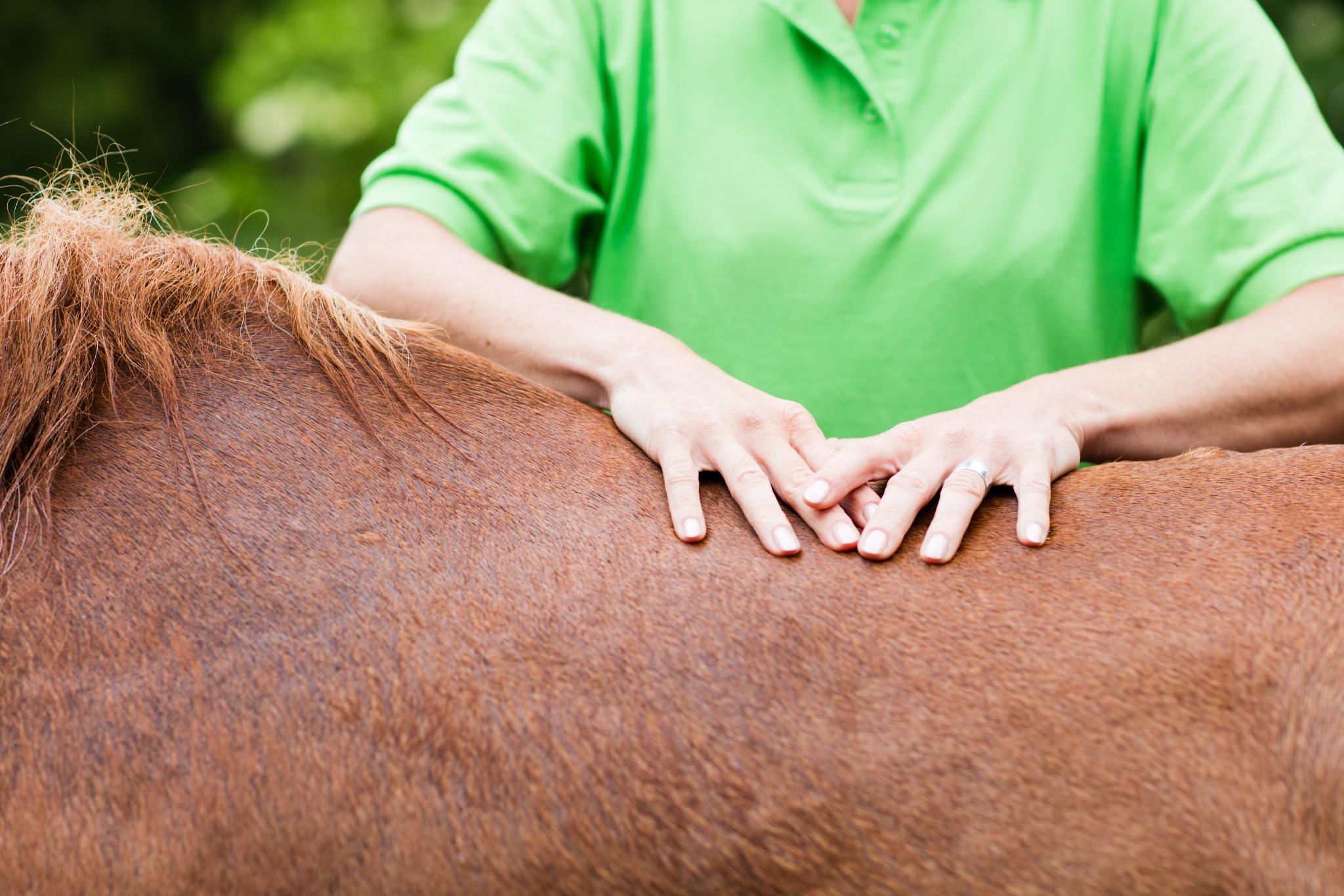
An equine bodyworker is a professional who uses hands-on techniques to support a horse’s muscular and soft tissue health, comfort, and movement. The term bodywork covers a range of approaches, and the techniques you can offer depend on your training and qualifications.
Here are some of the most common types of equine bodywork:
- Equine sports massage: Works with muscle groups to help ease tension, support circulation, and promote comfort during training and recovery.
- Myofascial release: Uses gentle techniques focused on fascia (the connective tissue surrounding muscles and other structures).
- Stretching and range of motion work: Uses appropriate assisted movements and stretches to support flexibility and mobility.
- Specialized methods: Some approaches have their own techniques and training programs.
- Complementary modalities: Some practitioners also train in tools and techniques such as therapeutic laser, PEMF, kinesiology taping, or cryotherapy. Whether these services are appropriate or legally permitted depends on the modality, your qualifications, local regulations, and any required veterinary involvement.
When looking at bodyworkers, you’ll come across several different professional titles, including equine massage therapist, equine sports massage therapist, equine bodyworker, and equine manual therapist. The terminology can overlap, and titles don’t always tell you exactly what someone is trained to do.
Ultimately, a good practitioner needs more than a set of techniques. They need to understand equine anatomy, recognize signs of discomfort, handle horses safely, and communicate clearly with owners and other equine professionals.
What the Job Actually Looks Like
Most equine bodyworkers are mobile, which means you travel from barn to barn rather than working from one fixed location. You’ll typically spend 45 to 90 minutes with each horse (depending on the service) then talk with the owner or rider before heading to your next appointment.
A typical session might look something like this:
- Start with a conversation: Find out what the horse does, whether the owner has noticed any changes in behavior or performance, and whether there have been concerns about saddle fit or comfort. You’ll want to ask about any relevant veterinary findings too.
- Observe the horse: Watch how they stand and move, and assess their general posture and movement patterns. Depending on the situation, this may include watching them walk and trot in hand.
- Assess through touch: Use appropriate hands-on assessment techniques to identify areas of tension, sensitivity, heat, or asymmetry that may warrant further attention.
- Carry out the session: Choose techniques that suit the horse, your training, and your assessment, while paying close attention to how the horse responds.
- Discuss aftercare: Share appropriate recommendations about routine care, warm-ups, turnout, or follow-up sessions. If you notice signs of pain or a potential medical issue, refer the owner to a veterinarian rather than trying to diagnose or treat it yourself.
On a busy day, you might work with 4 to 6 horses across a few different barns. But your actual workload will depend on travel distances, session lengths, and how physically demanding each appointment is.
And remember, the hands-on work is only part of the job… you’ll also spend time driving, keeping client notes, answering messages, scheduling appointments, and sending invoices.
This is a physically demanding career, and your own body is one of your most important business assets. Your hands, wrists, shoulders, and back take on a lot of repetitive work, so learning good body mechanics early, pacing your appointments, and allowing time for your own recovery are essential for building a sustainable career.
Who Hires Equine Bodyworkers?
Your potential client base is probably broader than you think. Equine bodywork isn’t limited to elite competition horses, and any horse owner who values comfort, movement, and good overall care may be interested in your services.
Some of the markets you could work with:
- English performance disciplines: Show jumpers, dressage horses, eventers, and hunter/jumper barns often prioritize conditioning, comfort, and performance.
- Western performance horses: Reining, barrel racing, cutting, and other Western disciplines offer opportunities to work with athletic horses and their teams.
- Racing and endurance: These horses have demanding workloads, creating opportunities for appropriately trained bodyworkers who understand the needs of athletic equines.
- Breeding operations: Breeders may seek maintenance services for mares, stallions, and young horses when appropriate.
- Recreational and trail horses: Everyday riders may want to support the comfort of older horses or those with demanding workloads.
- Veterinarians and rehabilitation professionals: Building relationships with these professionals can lead to referrals when bodywork is an appropriate part of a broader care plan.
- Trainers and barn managers: These people know multiple horse owners and can become valuable sources of referrals when they trust your work.
Why Show Circuits Can Be Valuable
Horse shows bring together owners, riders, trainers, and other equine professionals all in one place… and that creates opportunities to introduce yourself, build relationships, and connect with potential clients.
Competition environments can also be demanding, so professionalism, reliability, and a clear understanding of your scope of practice matters. And remember to always check event rules and obtain permission before offering services on show grounds.
A good reputation can spread quickly in the equestrian community (especially when clients feel you communicate well) so always treat horses thoughtfully, and know when to involve a veterinarian.
Building trust with a few local trainers, barn owners, and horse owners can help you grow steadily before branching into new disciplines or larger show circuits.
Do You Need a Certification or License?
This is one of the most important questions to answer before starting an equine bodywork career, and the honest answer is that it depends on where you live and what services you plan to offer.
In many places, there isn’t a single universal license specifically for equine massage. However, animal bodywork can overlap with the practice of veterinary medicine, and state laws may restrict who can diagnose, treat, or provide certain therapeutic services to animals. Some jurisdictions also require veterinary referral, authorization, or supervision for particular types of treatment.
Before accepting your first client, take the time to understand the rules that apply to your work:
- Read your state’s veterinary practice act: Look for rules covering animal massage, rehabilitation, manipulation, and other hands-on therapies.
- Contact your state veterinary board: If you’re unsure how the rules apply to your planned services, ask for clarification.
- Build relationships with local veterinarians: Good communication with veterinary professionals can help you understand referral expectations and work appropriately within your role.
Know Your Limits and When to Refer
Whatever the regulations in your area, a few professional principles should guide your practice:
- Don’t diagnose: You can observe a horse’s movement, note areas of sensitivity, and share your findings, but veterinary diagnoses belong to a qualified veterinarian.
- Recognize when not to work: Fever, acute injuries, suspected infections, unexplained lameness, and certain postsurgical situations may require veterinary assessment or clearance before bodywork.
- Know when to refer: If something concerns you, recommend veterinary evaluation rather than trying to work through the problem. Recognizing when a horse needs a veterinarian is a sign of good judgment, not a lack of skill.
Training Options for Equine Bodyworkers
Choosing the right training is just as important as understanding the legal requirements. A certificate can demonstrate that you’ve completed a course, but the quality of your education, practical experience, and understanding of equine anatomy are what help you develop real skills.
Common training routes include:
- Equine massage certification programs: Some schools offer training in equine massage and related bodywork techniques. Compare their course content, practical requirements, and recognition within your target market.
- Method specific training: Some programs teach particular approaches to working with horses.
- Rehabilitation focused education: Some programs focus on supporting horses as part of a broader rehabilitation team. Check the prerequisites and whether the training qualifies you to provide the services you intend to offer.
- Anatomy, biomechanics, and movement education: A solid understanding of how horses are built and move is essential for developing good assessment skills and making informed decisions.
- Additional bodywork experience: A background in human massage or bodywork can provide a useful foundation in touch and body mechanics, but working with horses requires specialized knowledge of equine anatomy, behavior, and safety.
How to Choose a Training Program
Before signing up for a course, take a close look at what it actually offers. A good program should give you more than a certificate—it should also help you build the skills and confidence to work safely and effectively with horses.
Look for training that includes:
- Plenty of hands-on practice: You need real experience working with horses… not just hours spent watching demonstrations or studying online.
- A strong foundation in equine anatomy and biomechanics: Understanding how a horse’s body is built and moves is essential to good bodywork.
- Equine behavior and safety: Learn to read body language, recognize signs of discomfort, and handle horses responsibly.
- Guidance on veterinary referrals: A quality program should teach you to recognize warning signs and understand when a horse needs professional veterinary attention.
- Supervised practical work and feedback: Case studies, hands-on assessments, and guidance from experienced instructors can help you develop your skills.
- Business and professional skills: Look for practical advice on communicating with clients, keeping records, setting boundaries, and running a business.
Be wary of courses that promise to make you a fully competent professional in a single weekend. Short workshops can be useful introductions, but they rarely replace comprehensive training, supervised practice, and continued learning.
Remember, the goal isn’t just to earn a certificate—it’s to develop the knowledge, hands-on skills, and professional judgment to work safely and responsibly with horses.
The Skills That Separate Good From Great
Learning the techniques is important, but becoming a good equine bodyworker involves much more than knowing where to put your hands. The people who build lasting careers tend to combine practical skills with solid horsemanship, an understanding of how horses move, and the ability to build trusting relationships with clients.
Here are the key skills worth developing:
- Horsemanship: Learn to read body language, recognize signs of stress or discomfort, and handle horses safely and calmly. Experience around horses is a huge advantage, especially when you’re working with anxious or unpredictable individuals.
- Anatomy and biomechanics: Understanding how a horse’s body works helps you make sense of what you observe. Knowing how different movements load particular muscle groups gives you a stronger foundation for assessing movement and discussing your findings.
- Observation: Sometimes what you notice before touching a horse tells you just as much as the hands-on assessment. Recognizing changes in posture, movement, or symmetry takes time and practice.
- Communication: You need to explain your observations clearly without unnecessarily alarming owners or promising results you can’t guarantee. Being honest about your findings and knowing when something falls outside your expertise helps build trust.
- Discipline specific knowledge: A Grand Prix show jumper, a reining horse, and a recreational trail horse have different workloads and demands. Understanding those differences helps you adapt your approach to each horse’s needs.
- Professional boundaries: Knowing the limits of your training, recognizing when veterinary input is needed, and keeping accurate client records protect you, the horse, and the owner.
You don’t need to master all these skills overnight. They develop through quality training, hands-on experience, continuing education, and learning from knowledgeable equine professionals.
Ultimately, the best equine bodyworkers combine skilled hands with a thoughtful eye, good horsemanship, and the judgment to know when to help and when to call in a veterinarian.
How Much Can an Equine Bodyworker Earn?
Income can vary quite a bit, so it’s worth treating any earnings estimate as a starting point rather than a guarantee. What you make depends on where you work, your training and experience, the clients you attract, and how efficiently you organize your schedule.
Many equine bodyworkers charge per session, with rates often ranging from around $75 to $200 or more. Practitioners working with competitive sport horses or offering specialized services may charge higher rates. Travel fees, minimum booking requirements, packages, and barn day pricing can also affect your overall income.
What Could Your Income Look Like?
Let’s use a hypothetical example to see how the numbers add up:
- Average session rate: $120
- Sessions per week: 15
- Weeks worked per year: 46
That works out to $82,800 in annual gross revenue.
Of course, gross revenue isn’t the same as take home pay. Before calculating your actual earnings, you’ll need to account for expenses such as:
- Vehicle costs, fuel, and maintenance
- Liability insurance
- Training and continuing education
- Supplies and equipment
- Booking software, marketing, and website costs
- Self employment taxes
- Unpaid time spent driving, communicating with clients, scheduling, and handling administration
You’ll also need to consider cancellations, seasonal fluctuations, and the time it takes to build a reliable client base.
Booking several horses at the same barn on the same day can save considerable driving time and fuel, allowing you to earn more without adding hours to your working day.
How to Increase Your Income Without Burning Out
Once you have an established client base, there are several ways to improve your earning potential without working longer hours:
- Organize barn days: Arrange for multiple horses at one facility to be seen on the same day. This reduces travel time and makes your schedule more efficient.
- Offer regular maintenance programs: Some clients may prefer recurring appointments every 4 to 8 weeks, depending on their horses’ needs and any veterinary recommendations.
- Explore show season opportunities: Competition venues can bring together many potential clients in one place. Check event rules, obtain permission (or become a vendor), and price your services to account for the extra time and logistics.
- Expand your services carefully: Additional techniques or modalities can allow you to serve more clients, provided you have the appropriate training and comply with local regulations.
- Offer educational resources: Workshops, clinics, or online educational materials can create additional income opportunities. Keep educational content within your expertise and avoid presenting it as a substitute for veterinary care.
- Build relationships with veterinarians and trainers: Professional relationships can lead to referrals and help you spend less time constantly searching for new clients.
- Develop a specialty: With suitable training and experience, you may be able to focus on a particular discipline or client group (such as competitive sport horses or reiners).
What’s the Long Term Income Potential?
It’s important to be realistic about the limits of a solo practice. Your income will eventually be constrained by the number of horses you can safely work on each day, your travel schedule, and your own physical capacity.
Growing your business may eventually mean raising your rates, improving your scheduling, adding appropriate services, developing educational products, or bringing other qualified practitioners into the business.
The key is to build a business that is both profitable and sustainable. A fully booked calendar might look impressive, but if you’re spending most of your time driving, struggling with physical fatigue, or earning very little after expenses, something needs to change.
The goal isn’t simply to work on more horses.
How to Build a Successful Equine Bodywork Business
Having great hands and a good understanding of horses is a fantastic starting point, but those skills alone won’t keep your calendar full. Building a successful equine bodywork business also takes planning, organization, and the ability to build lasting relationships with clients.
Here’s how to approach it like a business from the beginning:
1. Get the Legal and Financial Basics in Place
Before taking on clients, make sure your business has a solid foundation.
- Register your business: Many practitioners start as sole proprietors or form an LLC, depending on their circumstances. An accountant or business adviser can help you decide which structure makes sense for you.
- Get appropriate liability insurance: Look for coverage specifically suited to equine bodywork and the services you provide. Check the policy carefully to understand what is and isn’t covered.
- Separate your finances: Open a dedicated business bank account where appropriate, and track your income and expenses from day one.
- Prepare client agreements and consent forms: Clearly explain your services, your scope of practice, client responsibilities, and any veterinary clearance requirements that apply.
Getting these details sorted early can save you a lot of stress and time as your business grows!
2. Choose a Niche
Saying you work with every type of horse can make it harder for potential clients to understand what makes you different. A more focused message (such as specializing in sport horses or working with senior horses) gives people a clearer reason to contact you.
Think about:
- Which disciplines interest you most
- Which types of horses you have experience with
- Where you want to build your client base
- Which clients you most enjoy working alongside
But you don’t have to turn away every horse outside your specialty. The idea is to give your business a clear identity that helps the right clients find you.
3. Build Relationships Before You Need Clients
The equestrian world is very relationship driven, and trust often matters more than flashy advertising.
Start by introducing yourself to local veterinarians, farriers, trainers, saddle fitters, and barn managers. These professionals can become valuable contacts and referral sources over time.
You could also offer a demonstration day at a local barn (with the owner’s permission) to introduce people to your work and explain your approach.
Above all, remember to be reliable, communicate clearly, and follow through on what you promise. Word of mouth can be one of your strongest sources of new clients.
And remember that you’re part of a larger team supporting each horse. You should always respect the roles of other professionals, collaborate where appropriate, and never present bodywork as a replacement for veterinary care.
4. Create a Simple Professional Online Presence
You don’t need an elaborate website to get started, but you do need an easy way for potential clients to learn about you and get in touch.
Your website or professional page should include:
- Your services: Explain what you offer and the types of horses you work with.
- Your training and credentials: Be clear about your qualifications and experience.
- Your service area: Let people know which towns, regions, and barns you cover.
- Your pricing: Publish your rates or provide a straightforward way to request a quote.
- Photos and testimonials: Use genuine images and client feedback (with permission).
- Booking and contact details: Make it easy for people to ask questions or schedule an appointment.
5. Get Organized From the Start
Good systems make your business easier to manage and help clients feel confident in your professionalism.
Consider using scheduling software, keeping detailed notes for each horse, sending appointment reminders, and establishing clear cancellation and payment policies.
It’s also worth keeping track of travel time, mileage, repeat bookings, and where your clients are located. Over time, this information can help you identify your most profitable routes and organize more efficient barn days.
The less time you spend chasing messages and sorting out scheduling problems, the more time you can devote to your clients and your own development.
6. Price Your Services With Confidence
Underpricing is a common trap for new bodyworkers, especially when they’re eager to attract their first clients.
Remember that your fee needs to cover more than the time you spend working with a horse. It also needs to account for travel, administration, insurance, continuing education, equipment, taxes, and the physical demands of the work.
Research rates in your area, calculate your actual business expenses, and set prices that allow you to earn a reasonable income.
As your experience, reputation, and demand grow, review your rates regularly. You can also use travel fees, minimum booking requirements, or barn day pricing to make your schedule more sustainable.
You need to know that not every potential client will be comfortable with your rates, and that’s okay. You don’t need to be the cheapest practitioner in your area—but you do need to offer a professional service at a price that makes sense for both you and your clients.
A sustainable business is built on more than skilled hands—it’s built on trust, consistency, and sound business decisions
The Hard Truths Nobody Puts in the Brochure
Working with horses for a living can be incredibly rewarding, but it’s worth understanding the less glamorous side of the job too. Knowing what to expect can help you prepare for the challenges and build a career you can sustain for years.
Here are a few realities that people don’t always talk about when they’re starting out:
- It’s physically demanding: Working with horses takes a toll on your hands, wrists, shoulders, and back. If you want a long career, make strength training, stretching, good body mechanics, and adequate rest part of your routine from the beginning.
- Weather and travel are part of the job: You may find yourself driving long distances, working in muddy barns, or dealing with extreme heat and cold. Plan your schedule realistically, and account for travel time and expenses when setting your rates.
- Horses can be unpredictable. Even a normally gentle horse can react suddenly when frightened, uncomfortable, or stressed. Learn safe handling practices, pay attention to body language, and know when a situation is beyond your experience.
- Some owners have unrealistic expectations: You may meet clients who expect bodywork to solve every movement problem or replace veterinary treatment. Part of your role is explaining what your services can reasonably offer and when another professional needs to be involved.
- Results aren’t always dramatic: Some changes may be subtle or develop over time, and not every horse will respond the same way. Be honest about what you observe, avoid promising specific outcomes, and recognize when a horse needs further assessment.
- Competition rules matter: Certain therapies and equipment may be restricted at competitions, and the rules differ between governing organizations. If you work at shows, check the relevant regulations before offering a service.
- Your reputation matters enormously: The equestrian community is closely connected, and trust takes time to build. Working outside your scope, overlooking a warning sign, or failing to refer a horse for veterinary assessment when needed can quickly damage that trust. Keep clear records, communicate professionally, and prioritize the horse’s welfare.
None of these challenges means equine bodywork isn’t a worthwhile career. They simply highlight why training, good judgment, and professionalism matter just as much as hands-on skill.
The practitioners who last are the ones who protect their own well-being, stay honest about what they can offer, and put the horse’s welfare first… even when that means saying no to a session.
Is Equine Bodywork the Right Career for You?
Equine bodywork can be a great fit for the right person, but it helps to be honest about what the job involves before investing in training. Loving horses is a wonderful starting point, but the day to day reality takes a combination of practical skills, business sense, and physical stamina.
This career may suit you well if you:
- Love horses and understand their behavior: You enjoy being around horses, are comfortable handling them, and want to keep learning about their needs.
- Like hands-on work and problem solving: You’re curious about how horses move and enjoy observing patterns, asking questions, and working through challenges.
- Are comfortable running a business: You can manage scheduling, finances, marketing, client relationships, and the less exciting administrative side of self employment.
- Take your physical health seriously: You’re prepared for demanding work and understand the importance of good technique, strength, and recovery.
- Communicate well with people: You can build trust with horse owners, explain your observations clearly, and collaborate with other equine professionals.
On the other hand, equine bodywork can be a more challenging fit if you need:
- A predictable salary and employer provided benefits
- Dislike driving between appointments
- Or aren’t comfortable with the physical risks of working around large animals
But that doesn’t mean you need years of business experience or perfect horsemanship before you start, because many skills can be developed through training and experience. What matters is being realistic about the demands of the profession and being willing to keep learning.
spend time talking with working equine bodyworkers
ask if you can observe a typical day
and get a feel for the physical and business demands
A little firsthand experience can help you decide whether this is a career you’ll genuinely enjoy—not just one that sounds appealing in theory.
Frequently Asked Questions
1. How long does it take to become an equine bodyworker?
Many equine bodywork certification programs take anywhere from several months to a year or more, depending on the course format and hands-on training requirements—but becoming truly skilled takes time, practice, and experience working with different horses.
2. Can I do equine massage as a side business?
Absolutely! Many people start part time while keeping their regular job. It’s a great way to build experience, develop relationships with local barns, and grow a client base before deciding whether to go full time.
3. Do I need to be a veterinarian?
No, but you do need to understand the limits of your role. Rules governing equine massage and bodywork vary by state, and some jurisdictions require veterinary referral, supervision, or involvement. Check your local regulations and work with veterinarians when appropriate.
4. Is equine bodywork a good business for show horse markets?
It can be! Competitive barns are generally willing to invest in services that support their horses’ comfort and performance. However, these markets can also be demanding and relationship driven, so building trust with trainers, owners, and other equine professionals is essential.
5. What’s the difference between an equine massage therapist and an equine bodyworker?
The terms can often overlap, but equine bodyworker generally describes a broader range of services. Depending on their training and legal scope, a bodyworker may use massage alongside other hands-on techniques. Always be clear about your qualifications and the services you’re trained and permitted to provide.
6. How do I get my first clients?
Start by connecting with people in your existing equine network. Introduce yourself to trainers, barn owners, and veterinarians, and explain what you offer and how your training supports your work.
You can also consider introductory sessions, attend local equine events, and ask satisfied clients to spread the word. Building a strong reputation through professionalism, consistent communication, and referrals is typically one of the best ways to grow your business.
The Bottom Line
Equine bodywork can be an incredibly rewarding career and a viable business, but success takes more than just a love of horses. It means treating your work as both a skill to keep developing and a profession built on trust, knowledge, and good business practices.
Invest in quality training, know the limits of your scope of practice, build strong relationships with veterinarians and trainers, and charge rates that reflect your skills and experience. With consistency, professionalism, and a genuine commitment to helping horses feel their best, you can build a business that keeps clients coming back and grows through word of mouth.