8 Things Olympic Riders Do for Their Horses After Every Ride
Discover how Olympic equestrians cool out, ice, hydrate, and recover their horses after riding, plus how to adapt their routine for your own barn.
- Why Horse Aftercare Matters as Much as the Ride
- Step 1: The Cool-Out Walk
- Step 2: Loosen Up the Gear and Check the Body
- Step 3: Cooling the Horse Down, Literally
- Step 4: Rehydrate and Replace Electrolytes
- Step 5: Leg Care
- Step 6: Bodywork and Therapies
- Step 7: Turnout and Movement
- Step 8: Watch the Horse, Not Just the Schedule
- A Note on Rules and Veterinary Guidance
- How to Adapt the Olympic Routine to Your Barn
- The Bottom Line
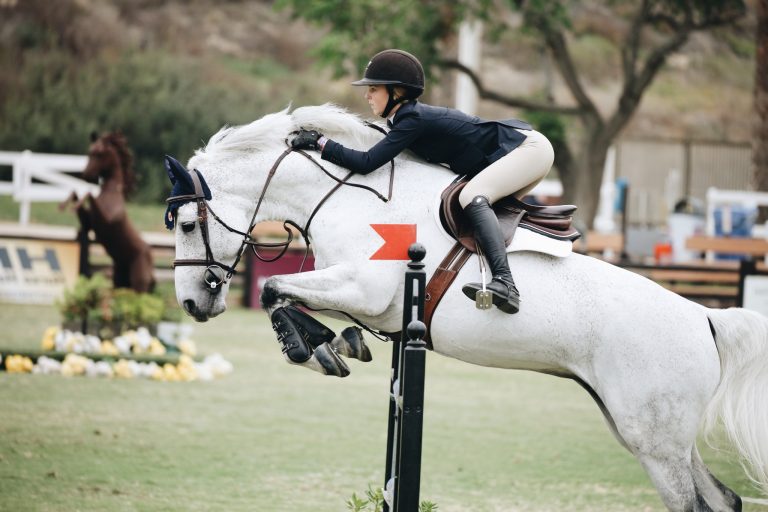
When you watch an Olympic equestrian event, you see just a small part of what it takes for a horse and rider to compete at the highest level. Whether it’s show jumping, dressage, or eventing, the performance in the arena is only one piece of the picture. What happens after the ride is just as important… and it’s often where the real work begins.
At the top of the sport, a horse’s body is its career. Keeping an equine athlete sound, comfortable, and willing to work well into its teens takes thousands of small consistent decisions made long after the saddle comes off. From cooling down properly to caring for tired muscles and spotting early signs of discomfort, the details of daily after ride care can make a real difference over time.
Thankfully many of the practices used by Olympic riders and their grooms are simple enough to apply to your own horse, whether you compete regularly or ride at your local barn.
Here’s a closer look at how top riders care for their horses after a ride, and how you can bring those same principles into your own routine.
Why Horse Aftercare Matters as Much as the Ride
Every jump, stride, and collected movement puts demands on a horse’s tendons, ligaments, joints, and muscles. Training builds strength and fitness, but recovery is when the body has a chance to repair and adapt. And without enough recovery, small strains can build up over time, leading to soreness, lameness, or a horse that becomes less willing to work.
At the Olympic level, post-ride care is an essential part of the training program, not something left until the day is done. Whether a horse has just finished a show jumping round, a dressage test, or a cross country course, the goal is to help them recover comfortably and be ready for their next effort.
Allow heart rate, breathing, and body temperature to return to resting levels gradually.
Support rehydration after exercise, especially in hot weather or after heavy sweating.
Monitor heat, swelling, and tenderness, and use appropriate cooling methods when needed.
Give tired muscles time to relax and recover after the demands of training or competition.
Check for subtle changes in movement, swelling, sensitivity, or behavior before they develop into bigger issues.
These simple steps can make a meaningful difference in a horse’s comfort, recovery, and long term soundness!
Step 1 The Cool-Out Walk
One of the most important habits across all equestrian disciplines is the cool down walk.
Top riders rarely finish a ride and head straight to the wash rack. Instead, they give their horses time to recover gradually before moving on to the rest of their after ride routine.
After exercise, the horse is walked on a loose rein for around 10 to 20 minutes, depending on the intensity of the work, the weather, and how quickly they recover. This gentle movement helps the horse’s heart rate and breathing gradually return to normal, supports circulation, and allows their body temperature to come down naturally.
For grooms, the cool down walk is also a valuable opportunity to check how the horse is feeling. During this time they pay attention to a few key things including:
- Breathing: Is the horse’s breathing gradually settling, or does it remain unusually rapid or labored?
- Attitude: Does the horse seem relaxed and comfortable, or unusually tense, anxious, or unsettled?
- Stride: Is the horse walking freely, or are there signs of stiffness, shortened steps, or uneven movement?
Helping the horse recover after exercise
Giving the rider or groom a chance to spot anything that seems out of the ordinary
If there’s one habit worth borrowing from top level equestrian sport,
Step 2 Loosen Up the Gear and Check the Body
Once the horse has started cooling down, it’s time to remove the tack promptly and carefully.
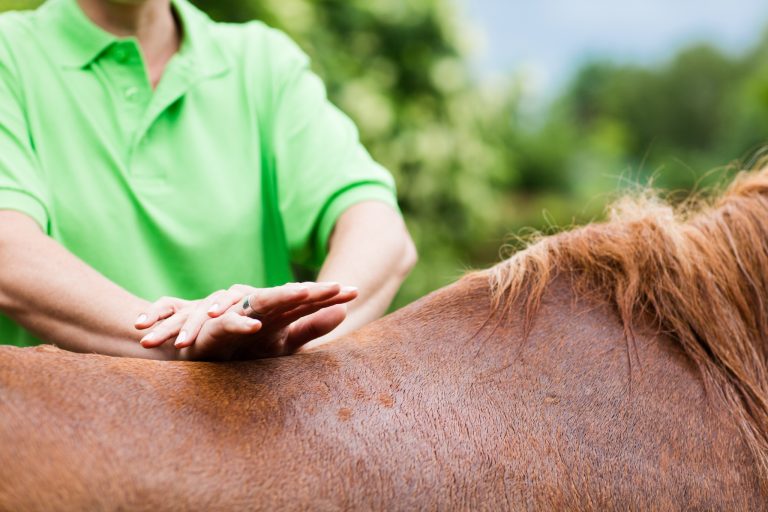
At this stage, riders and grooms run their hands over the horse’s back, girth area, and withers to check for heat, swelling, or sensitivity. If a horse flinches when these areas are touched, it could be a sign of saddle fit issues, rider balance problems, or back soreness worth investigating.
Each hoof is also picked out and checked for trapped stones, bruising, or loose shoes.
If the horse was wearing studs, they should be removed as soon as they’re no longer needed. Leaving them in while walking on hard ground can increase the risk of slipping or placing unnecessary strain on the hooves and limbs.
These quick checks are easy to overlook, but they can help catch small problems before they turn into bigger ones.
Step 3 Cooling the Horse Down, Literally
Managing body temperature is a big part of after ride care, especially at competitions held in hot or humid conditions. Horses produce a lot of heat during exercise, so helping them cool down efficiently is essential for a safe recovery.
Here’s how top riders and their grooms help horses cool down after a workout or competition:
- Cool water: Grooms hose or sponge cool water over the horse’s neck, shoulders, and hindquarters to help draw heat away from the body.
- Repeat as needed: Water is reapplied as necessary while the horse’s temperature, breathing, and overall comfort are monitored. The process continues until the horse has cooled sufficiently and their breathing has settled.
- Shade and fans: Shaded areas and fans help horses stay comfortable and release excess heat, especially when the weather is hot and humid.
- Access to water: Fresh drinking water should be available during recovery, with horses allowed to drink as they cool down.
In cold weather, the approach changes—grooms may use a breathable cooler or wool sheet to help the horse dry without getting chilled. If the horse is particularly sweaty, warm water can help rinse away sweat and salt before the coat is dried and covered appropriately.
avoid overheating or chilling
and allow their body to return to its normal temperature gradually
Step 4 Rehydrate and Replace Electrolytes
When a horse sweats, they lose more than just water. They also lose essential electrolytes (including sodium, chloride, and potassium) which help maintain fluid balance and support normal muscle function. Replacing these losses is an important part of helping your horse rehydrate and recover after exercise.
At the top levels, riders and grooms pay close attention to hydration and typically focus on a few key things:
- Keep fresh water available: Offer clean fresh water throughout recovery so the horse can drink as needed.
- Replace electrolytes when needed: Electrolyte supplements can help replace losses after heavy sweating (especially in hot weather). The amount and timing should be tailored to the horse’s workload and needs, ideally with guidance from a veterinarian.
- Monitor drinking habits: Keep an eye on how much your horse drinks after exercise. Refusing water, especially alongside ongoing heavy breathing, weakness, or other signs of distress, warrants prompt veterinary attention.
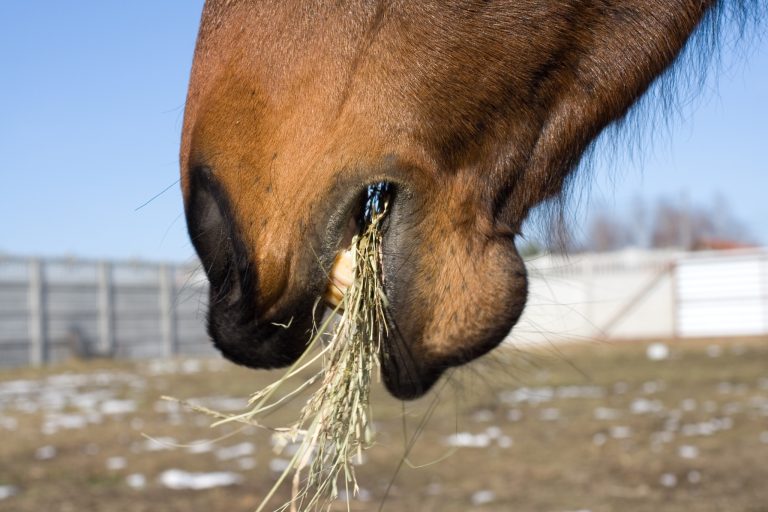
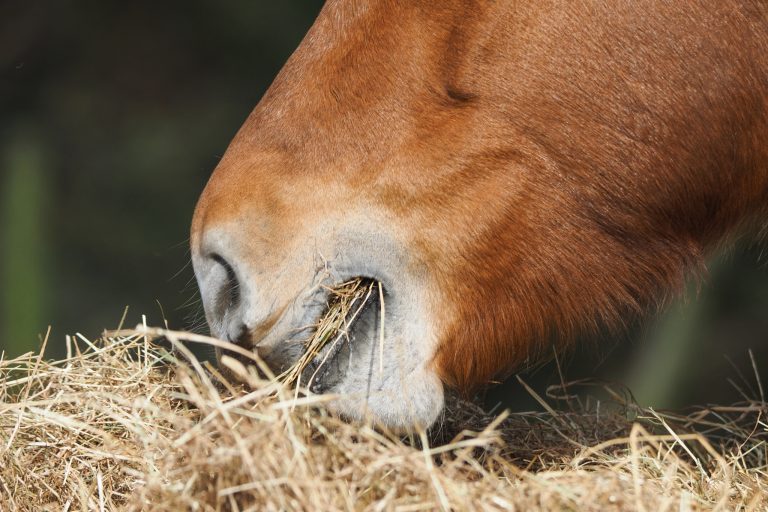
Once your horse has cooled down and is recovering comfortably, you can offer some forage or a small meal, depending on their condition and usual feeding routine. Forage helps keep the digestive system functioning properly, which is especially important after the physical and mental demands of training or competition.
Step 5 Leg Care
This is where a lot of the attention around elite horse care comes from. After exercise, the legs get extra attention because tendons and ligaments experience significant strain during athletic work, especially in disciplines involving jumping, speed, or repetitive loading.
Some of the ways top riders and grooms care for their horses’ legs after exercise include:
- Cold hosing: Running cool water over the lower legs for around 15 to 20 minutes is a common practice. It helps remove heat from the tissues and can help manage exercise related inflammation.
- Cold therapy: Many high level barns use ice boots, specialized cooling wraps, or cryotherapy to help manage heat, inflammation, and pain in the horse’s legs after exercise. Always remember to follow the manufacturer’s instructions for application time and use, since prolonged exposure to cold can irritate or damage the skin and underlying tissues.
- Poultices and standing wraps: Some grooms apply clay based poultices to the legs, sometimes covering them with suitable paper or other materials and applying a standing wrap. These products are used as part of post-exercise care, but their benefits vary. Wraps must be applied correctly, with even pressure and adequate padding, to avoid creating pressure points or restricting circulation. Follow product directions and your veterinarian’s advice on how long to leave them on.
- Daily leg checks: Grooms make a habit of running their hands down each leg, checking for unusual warmth, swelling, tenderness, or changes in the digital pulse near the fetlock. Knowing what’s normal for your horse makes it easier to spot subtle changes early.
The key is consistency—regular leg checks and proper after work care make it easier to spot potential problems early (before they become more serious). If you notice persistent heat, swelling, pain, or lameness, contact your veterinarian rather than relying on cooling or wraps alone.
Step 6 Bodywork and Therapies
This step is where after ride care can become more specialized. Depending on the horse’s needs, workload, and budget, a recovery plan may include a range of additional therapies:
- Equine massage and stretching: Help ease muscle tension, improve flexibility, and support comfortable movement through the back and hindquarters.
- Therapeutic laser and ultrasound: Can help manage soft tissue injuries, reduce discomfort, and support tissue healing when used appropriately.
- PEMF (pulsed electromagnetic field) therapy: Helps manage discomfort and support recovery.
- Compression boots and sheets: Designed to apply controlled pressure, these products can help support circulation and manage fluid buildup in the limbs.
- Chiropractic care, physiotherapy, and acupuncture: Can help address movement restrictions, muscle tension, discomfort, and mobility issues when tailored to the horse’s individual needs.
Experienced teams work closely with their veterinarians and qualified practitioners to choose therapies that suit each horse’s individual needs, rather than simply following the latest recovery trends.
Ultimately, consistency matters more than gadgets. A well planned recovery routine can complement good horsemanship and veterinary care, but it can’t replace proper conditioning, adequate rest, or investigating the underlying cause of pain or changes in performance.
Step 7 Turnout and Movement
It might surprise you, but even elite competition horses benefit from time outside their stall. Gentle movement helps keep muscles loose and joints moving comfortably, making it an important part of the recovery process.
After a particularly demanding day, a horse’s routine might include:
- Hand walking: Gentle walking helps get the horse moving again and gives the rider or groom another chance to check for stiffness or soreness.
- Time outside: Turnout in a safe paddock or pasture allows the horse to move freely and relax.
- A lighter day under saddle: Easy flatwork or a relaxed hack can help maintain suppleness without adding the demands of another intense workout.
Rather than standing in a stall for extended periods, appropriate activity can help horses stay comfortable while they recover.
Horses showing signs of injury or significant soreness may need a different plan, guided by a veterinarian.
Step 8 Watch the Horse, Not Just the Schedule
One of the most important parts of after ride care is knowing your horse well enough to recognize when something isn’t quite right. Experienced riders and grooms spend so much time with their horses that even subtle changes can stand out, whether it’s a lower head carriage, unfinished feed, unusual quietness, or a hind leg that seems to stay rested longer than usual.
A simple post-ride check can help you spot potential problems early. Here’s what to look for:
- Appetite and water intake: Is your horse eating and drinking as usual?
- Manure and gut function: Are they passing manure normally, without signs of digestive discomfort?
- Legs and hooves: Is there any unusual heat, swelling, or sensitivity?
- Back and muscles: Does your horse react to touch or show signs of soreness?
- Attitude and energy: Are they behaving as usual, or do they seem unusually quiet, restless, or uncomfortable?
If something doesn’t seem right, contact your veterinarian sooner rather than later.
Even small changes can be an early sign of a problem, and catching them early can make all the difference.
A Note on Rules and Veterinary Guidance
International equestrian competition follows the FEI’s rules on horse welfare and controlled medication. While practices such as cooling, icing, and many physical therapies are commonly used, anything involving medication, injections, or supplements should always be discussed with your veterinarian and checked against the rules for your discipline and level of competition.
And these rules aren’t just for Olympic riders—whether you’re competing internationally or heading to your next local show, it’s important to know what’s permitted and make sure every part of your horse’s care meets the requirements.
How to Adapt the Olympic Routine to Your Barn
You don’t need a team of grooms or an unlimited budget to put these principles into practice. A simple consistent after ride routine can go a long way toward keeping your horse comfortable and supporting their long term soundness.
Here’s what it can look like at your own barn:
- Cool down properly: Walk your horse until their breathing has settled and their body temperature is normal.
- Rinse away sweat: Use a hose to rise away sweat and help your horse cool down (adjusting your approach to the weather and conditions).
- Offer water: Make fresh water available and follow a veterinarian guided electrolyte plan when appropriate.
- Check legs and hooves: Run your hands down each leg and inspect the hooves after every ride (looking for heat, swelling, tenderness, or other changes).
- Cool the legs when needed: Consider cryotherapy, ice boots, or another type of cold therapy after strenuous work, jumping, or fast exercise as part of your recovery routine.
- Plan for recovery: Balance rest with appropriate turnout, hand walking, and lighter days to help your horse recover between harder efforts.
- Know your horse: Learn what’s normal for their behavior, appetite, movement, and energy levels so you can spot potential problems early.
Usually, it’s those small daily habits that make the biggest difference over time.
The Bottom Line
Olympic level horse care isn’t magic… it comes down to a consistent routine built around the basics: cooling down properly, supporting hydration, caring for the legs, checking for soreness, and paying attention to the little things.
The riders who stay competitive year after year understand that keeping a horse healthy, comfortable, and performing at its best takes more than talent and training. It takes patience, consistency, and good daily care—and those same principles can be applied to any horse, whether they compete at the highest level or spend their days at the local barn.