Horse Colic Signs, Causes, Treatment, and Prevention Every Horse Owner Should Know
Learn the signs of colic in horses, what to do while you wait for the vet, how colic is treated, and the daily habits that lower your horse’s risk.
Most horse owners know that sinking feeling when they walk into the barn and something just doesn’t seem right. Maybe your horse has left breakfast untouched, is pawing at the ground, looking back at their belly, or standing stretched out as if they’re trying to pee. When you notice these signs, your mind immediately goes to one word… colic.
Colic is one of the most common and worrying emergencies in horses. Many cases are mild, but others can become life threatening within hours. The hard part is that it’s not always easy to tell how serious things are at first. Thats why recognizing the signs, knowing what to do, and calling your vet promptly can make a huge difference.
In this article, we’ll cover what colic is, what causes it, how to spot the warning signs, what to do if you suspect it, how it’s treated, and what you can do to help reduce your horse’s risk.
What Is Colic in Horses?
Colic isn’t a disease in itself—it’s a term for abdominal pain, and it can range from something relatively mild (like trapped gas) to a serious problem such as a twisted intestine that requires emergency surgery.
Unfortunately horses are particularly prone to colic because of the way their digestive system is built:
1. Their intestines are long, complex, and full of twists and turns, with some narrow sections where problems can develop.
2. Horses can’t vomit, making it difficult for them to relieve pressure in the stomach.
3. They’re naturally designed to graze throughout the day, but modern routines (including scheduled meals, stall time, and grain heavy diets) can work against their natural digestive needs.
Colic is relatively common, with estimates suggesting that around
out of every 100 horses experience it each year.
The reassuring news is that most cases can be managed with medical treatment and don’t require surgery.
However, some cases are much more serious, which is why recognizing the signs early and getting your vet involved is so important.
Common Types of Colic
Not all cases of colic have the same cause and some are much more serious than others—and understanding the different kinds can help you understand whats happening and what your vet may recommend.
Here are the main types of colic every horse owner should know about:
1. Gas colic
Gas colic happens when excess gas builds up in the intestines, stretching the intestinal walls and causing discomfort.
It can be triggered by sudden feed changes, rich pasture, or spoiled feed. Many cases are mild, but severe gas buildup can cause the intestines to shift out of position and lead to more serious complications.
2. Spasmodic colic
This type occurs when the intestinal muscles contract irregularly, causing cramping pain that may come and go.
Stress, excitement, and changes in routine can sometimes play a role. Thankfully, spasmodic colic usually responds well to veterinary treatment.
3. Impaction colic
Impaction colic develops when feed material becomes packed inside the intestines, making it difficult for manure to passnormally.
Common blockage sites include parts of the large colon and the end of the small intestine. Dehydration, poor quality forage, dental problems, and reduced water intake can all contribute to the problem.
4. Sand colic
Horses grazing on sandy ground or eating directly off the soil can accidentally swallow sand. Over time, it may collect in the large colon, irritating the intestines and potentially causing blockages or other complications.
If your horse lives in one of these areas, talk to your vet about whether a sand clearing supplement is appropriate.
The right preventative measures can help reduce sand buildup and support your horse’s digestive health.
5. Displacement and torsion (twisted intestine)
This happens when the large colon moves out of its normal position or twists.
Some displacements can be managed medically (depending on the severity) but a true twist (known as torsion or volvulus) can cut off blood flow to the intestine and is a life threatening emergency that usually requires surgery.
6. Strangulating obstructions
These occur when a section of intestine becomes trapped or twisted in a way that cuts off its blood supply.
Causes can include strangulating lipomas (which are fatty growths attached by a stalk that can wrap around the bowel) as well as intestinal twists or entrapments. These cases can be extremely painful and require urgent veterinary attention.
7. Enteroliths (intestinal stones)
Enteroliths are hard stone-like mineral formations that develop inside the intestines.
They can grow over time and eventually cause a blockage. They’re more common in certain regions and breeds, and dietary factors (including diets high in alfalfa) may contribute to their formation.
8. Gastric ulcers and inflammatory conditions
Not every case of colic is caused by gas or a physical blockage. Gastric ulcers, enteritis (inflammation of the intestines), and colitis (information of the colon) can also cause abdominal pain.
Colitis can be particularly serious, especially when accompanied by diarrhea, fever, and rapid dehydration. Always contact your vet in these situations.
If you suspect colic, contact your veterinarian promptly, even if the signs seem mild at first.
What Causes Colic?
There isn’t always one clear reason why a horse develops colic, but certain risk factors come up time and time again.
Sudden diet changes
Sudden diet changes are one of the biggest culprits. Switching to new hay, introducing a different grain, increasing concentrates, or letting your horse gorge on lush spring grass can all upset he digestive system.
The gut needs time to adjust, so make dietary changes gradually, ideally over 7 to 14 days.
Inconsistent feeding
Inconsistent feeding routines can also cause problems. Horses are designed to graze for most of the day, and long periods without forage can disrupt their normal digestive patterns.
Lack of water
Not drinking enough water is another major risk factor, especially during cold weather when water may be icy or in hot weather when horses lose fluids through sweating. Dehydration can increase the rick of impaction colic, so always make sure your horses have access to fresh clean water.
Additional factors
Other factors include:
- Poor dental health
- Heavy parasite burdens
- Sudden changes in exercise
- Being confined to a stall
- Travel related stress
- High grain diets
- Accidentally swallowing sand
Older horses may also be more susceptible, and certain horses and breeds seem more prone to digestive issues than others.
Mares can face additional risks around foaling, so keeping a close eye on them during this time is especially important.
The good news is that you can reduce your horse’s risk of colic with a few simple habits.
- Stick to a consistent routine
- Provide a balanced diet with plenty of fresh water
- Keep up with dental care
- And follow your vet’s parasite control recommendations
You can’t prevent every case, but these small steps can go a long way toward keeping your horse’s digestive system healthy.
Signs of Colic in Horses
One of the most important things you can do for your horse is know what’s normal for them. Every horse is different, both in temperament and in how they show pain or discomfort. And. sometimes the earliest (and only) sign that something isn’t right is a subtle change in their usual behavior.
Not wanting to eat or leaving feed behind
Seeming dull, depressed, or standing away from other horses
Looking at or nipping at their flank
Pawing at the ground
Stretching out as if they need to urinate
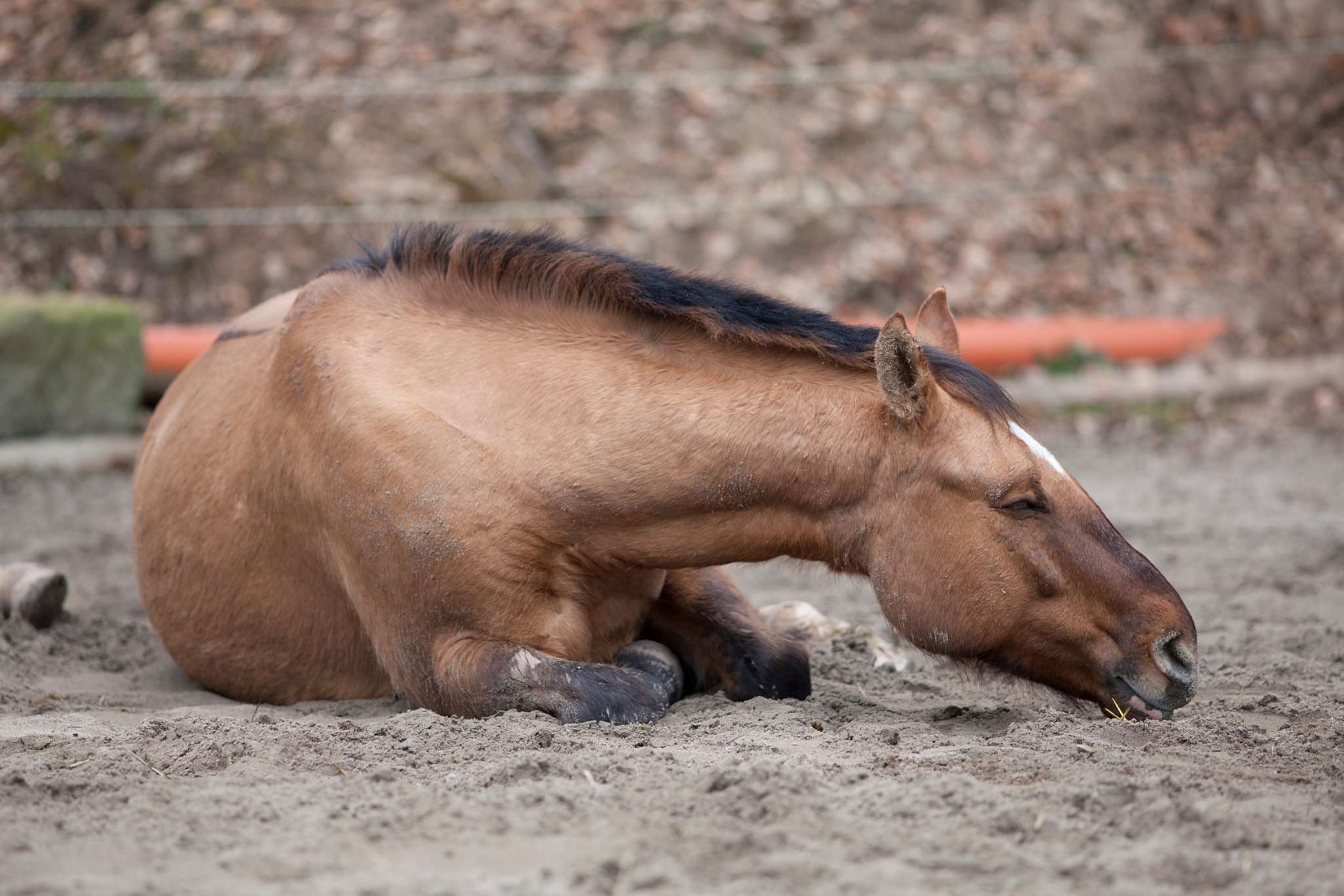
Lying down more than usual or repeatedly lying down and getting back up
Passing fewer manure piles than normal, or manure that’s smaller and drier than usual
Reduced or absent gut sounds
Rolling or thrashing
Sweating without having exercised
Rapid or heavy breathing
Repeatedly curling the upper lip (the flehmen response)
Groaning or grunting
Kicking or biting at the belly
A visibly distended abdomen
Pale, dark red, or brick-red gums
An elevated heart rate
Did you know your horse’s heart rate can tell your vet a lot about how they’re feeling? It’s one of the most helpful pieces of information you can share, especially if you suspect colic.
A normal resting heart rate for an adult horse is usually around 28 to 44 beats per minute. If it’s above 60, your horse may be experiencing significant pain or developing a more serious problem. And a heart rate climbing above 80 is a major red flag that needs urgent veterinary attention. Knowing how to check your horse’s heart rate before an emergency happens can make all the difference!
If you haven’t practiced checking your horse’s pulse with a stethoscope or by feeling the facial artery along the jaw, take a few minutes to learn while your horse is calm. It’s much easier to learn before you need the skill in an emergency!
It’s also helpful to know your horse’s normal vital signs. A typical resting temperature is around 99°F to 101.5°F, and a normal resting respiratory rate is about 8 to 16 breaths per minute.
what’s normal for your horse
attention to the little changes
your instincts when something feels off
Colic can progress quickly, and even mild signs deserve attention.
What to Do If You Think Your Horse Is Colicking
If you think your horse might have colic, try to stay calm and take things one step at a time. Here’s what to do:
1. Call your vet early
Don’t wait around hoping it will pass. Explain what you’re seeing, share your horse’s heart rate if you can check it safely, and follow your vet’s instructions. It’s always better to make a call that turns out to be unnecessary than to wait too long when something serious is going on.
2. Remove any feed
Take away hay and grain until your vet advises otherwise. Water is generally fine unless your vet tells you differently.
3. Check your horse’s vital signs
If you can do so safely, check their heart rate, breathing, temperature, gum color, and gut sounds. Listen on both sides of the abdomen, including the upper and lower flank areas. Also take note of when your horse last passed manure. These details can give your vet valuable information about what’s happening.
4. Keep your horse safe
If your horse is thrashing or rolling violently, try to get them into a safe enclosed area with good footing, but always put your own safety first. If they’re lying quietly, don’t feel you have to force them to get up.
Gentle walking may help some horses, but never walk your horse to exhaustion or put yourself at risk trying to control them.
5. Don’t give medication without talking to your vet
Pain relievers such as Banamine (flunixin meglumine) can mask important signs your vet needs to assess the severity of the colic. Your vet may recommend medication after speaking with you, but let them guide that decision.
Always call your vet first rather than giving medication on your own.
6. Keep track of what’s happening
Make a note of when the signs started, any recent changes in feed or routine, when your horse last passed manure or drank water, and any medications they’ve received. Even small details can help your vet put the pieces together.
Early action can make a real difference,
and your vet is always your best resource when something doesn’t seem right.
How Vets Diagnose and Treat Colic
When the vet arrives, they’ll start with a physical exam (checking your horse’s heart rate, gum color, capillary refill, gut sounds, and temperature). They may also perform a rectal exam to check for intestinal displacements, impactions, or distended bowel.
Many vets will pass a nasogastric tube to check for reflux. Because horses can’t vomit, fluid can build up in the stomach, and in severe cases cause it to rupture.
An ultrasound, bloodwork, and abdominocentesis (a procedure that collects a small sample of fluid from the abdomen) can provide more information about what’s going on and how serious the colic may be.
Medical treatment is enough for most cases. Depending on the cause and severity, treatment may include pain relief, sedation, mineral oil or other laxatives given through a tube, and fluids by mouth or intravenously to help with dehydration and soften impactions. Your vet will also monitor your horse closely for any changes. Thankfully, many cases improve within a few hours with the right treatment.
Surgery may be necessary if your horse has severe uncontrollable pain, an intestinal displacement or strangulation that doesn’t improve with medical treatment, ongoing reflux, or worsening vital signs and abdominal fluid. Surgery usually requires referral to an equine hospital and timing is critical. The sooner a horse that needs surgery gets to the operating table, the better the chances of a successful outcome.
Short term survival rates after colic surgery are generally encouraging, often around 80% to 90%, but the outlook depends on the type of intestinal problem and how quickly treatment begins.
Recovery takes time and usually involves an extended period of stall rest, followed by a gradual return to exercise. Complications (including incision problems, adhesions, or another episode of colic) can occur.
It’s worth talking with your vet about the likely outcomes, recovery process, and potential costs, as well as reviewing your insurance coverage before an emergency happens.
How to Prevent Colic in Horses
You can’t eliminate the risk of colic entirely, but there’s plenty you can do to help lower the chances. Prevention largely comes down to supporting your horse’s digestive system with the right diet, routine, hydration, and care.
– Make forage the foundation
- Horses are designed to graze throughout the day, so provide free choice hay or pasture whenever possible. As a general guideline, aim for at least 1.5% to 2% of your horse’s body weight in forage daily.
- If pasture is limited, slow feeders or small hole hay nets can help extend eating time.
– Make diet changes gradually
- Whether you’re introducing new hay, grain, or pasture, aim to make changes slowly over 1 to 2 weeks.
- Keep grain and concentrate meals small, and split them into several feedings rather than offering one large meal.
– Keep fresh water available
- Make sure your horse always has access to clean fresh water.
- During cold weather, heated buckets or tank heaters can help prevent icy water from discouraging drinking.
- Salt or a salt block can help meet sodium needs, while electrolytes may be useful during periods of heavy sweating.
– Stick to a consistent routine
- Predictable feeding times and daily routines can help minimize stress.
- Plan ahead for changes such as travel, shows, extreme weather, or stall rest since these can all increase colic risk.
– Stay on top of dental care
- Regular dental checks and floating when needed help your horse chew forage properly (poorly chewed feed can increase the risk of an impaction).
– Have a smart parasite control plan
- Work with your vet to use fecal egg counts and targeted deworming rather than relying on guesswork. Heavy parasite burdens can damage the intestines and their blood supply, increasing the risk of serious problems.
– Limit sand intake
- If you live in a sandy area, feed hay from mats or feeders rather than directly off the ground.
- Ask your vet whether a sand clearing program/supplement (such as psyllium) is appropriate for your horse. A simple manure sand test using a glove or bag can also help you check for possible sand accumulation.
– Encourage daily movement
- Regular exercise and turnout help support normal gut movement.
- Horses on stall rest may be at greater risk, so talk with your vet about safe ways to keep your horse moving when turnout isn’t possible.
– Know your horse and watch for changes
- Horses with a history of colic, older horses, and those experiencing changes in diet, routine, or environment may need extra attention.
- Keep a close eye on appetite, manure output, water intake, and behavior (especially during higher risk periods). Catching subtle changes early and contacting your vet when something doesn’t seem right can make a real difference.
Frequently Asked Questions
1. Can a horse die from colic?
Yes, but many cases are mild. But severe colic can be fatal, especially if the intestine loses its blood supply or ruptures. Contact your veterinarian immediately if you suspect colic, since early treatment gives your horse the best chance of recovery.
2. How long does colic last?
Mild cases may resolve within a few hours, while more serious cases can last much longer and require surgery. Because symptoms alone don’t reliably indicate severity, you should contact your veterinarian promptly rather than waiting to see if your horse improves.
3. Should I walk a horse with colic?
Your veterinarian may recommend gentle hand walking if your horse is restless, but walking won’t treat the underlying problem. Don’t exhaust your horse, put yourself at risk, or delay veterinary care.
4. Is it okay to let a colicking horse lie down?
Yes, if your horse is lying quietly and isn’t at risk of injury, there’s generally no need to force them to instantly stand. But violent rolling or thrashing is more concerning because it can cause injury. Always keep yourself safe and follow your veterinarian’s advice.
5. Can I give Banamine for colic?
Only under your veterinarian’s direction. Banamine (flunixin meglumine) can help relieve colic pain, but it can mask symptoms without treating the underlying cause. Your vet can advise you on the appropriate dose and next steps.
6. Will my horse colic again?
Some horses are prone to recurring colic. Talk with your veterinarian about your horse’s diet, forage, water intake, dental health, parasite control, and daily routine. Identifying potential risk factors and making appropriate management changes can help reduce the risk of future episodes.
The Bottom Line
Colic can be frightening, but a little preparation can go a long way:
- Get to know your horse’s normal behavior and vital signs so you can spot when something isn’t right
- Don’t hesitate to call your vet if you suspect colic
- Keep fresh water and quality forage at the heart of your horse’s daily care
- Make any changes to their diet or routine gradually
- Keep your vet’s emergency number close
- Learn how to check your horse’s pulse
- And have a plan foremergency transport if needed
When colic strikes, being prepared can save both you and your horse precious time.
Our content is for general education and isn’t a substitute for professional veterinary advice. If you think your horse is colicking, contact your veterinarian right away.