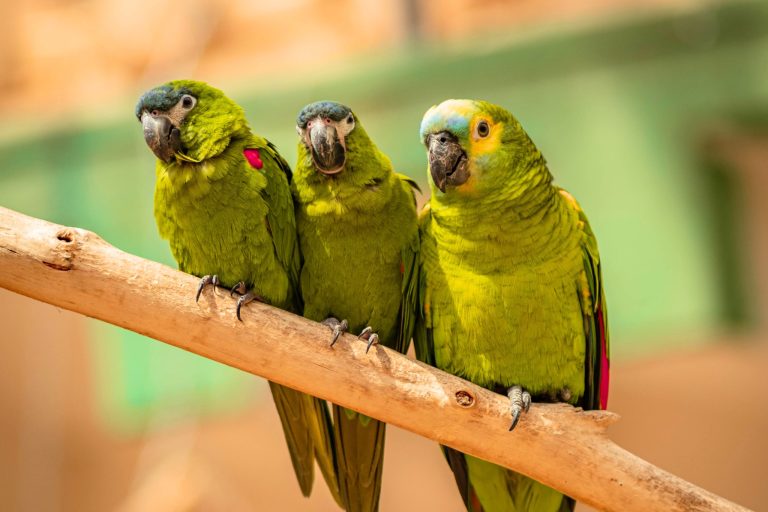
What Do Parrots Eat? A Bird Owner’s Guide to Smart Nutrition
Discover the best diet for pet parrots, from pellets to fresh produce. Learn safe foods, what to avoid, and tips to support a healthy happy bird.
Parrots are fun, intelligent, vibrant, and captivating companions – but keeping them healthy takes more than just love and a pretty cage. One of the most important (and often misunderstood) aspects of parrot care is nutrition.
A poor diet is one of the leading causes of illness and early death in captive parrots yet many owners still feed inadequate or unbalanced meals.
So, what do parrots eat exactly? In this guide we’ll explore a parrot’s natural diet, what to feed them in captivity, what to avoid, and share some parrot feeding tips for success.
Understanding Parrots’ Natural Diet
Wild parrots eat a wide variety of foods based on their species and environment.
Their diet can include:
- Seeds and nuts
- Fruits and berries
- Leafy greens and flowers
- Insects and larvae (for some species)
- Bark and tree sap
- Roots and grains
Eating a diverse variety of foods helps to meet their complex nutritional needs – something you can’t replicate with a bag of seeds from the pet store.
What Should Pet Parrots Eat?
Pellets are designed to provide balanced nutrition and should form the foundation of most parrots’ diets. They help prevent selective eating and nutritional deficiencies.
Packed with essential nutrients and vital for long-term health — offer a variety daily to ensure balanced nutrition and keep mealtimes interesting.
Sweet, hydrating, and loved by most parrots — but high in natural sugars. Treat fruit as an occasional reward rather than a dietary staple. A small portion a few times a week is plenty.
Whole grains and cooked legumes are excellent sources of fibre and protein — a valuable addition that also helps add variety and keeps meals interesting.
Most parrots love nuts and seeds but they’re high in fat and can lead to obesity if overfed. Reserve them as training rewards, enrichment incentives, or puzzle feeder fillers — not dietary staples.
Some parrots can benefit from occasional animal protein, but dietary needs vary by species. Always research your specific parrot’s requirements before adding these to their diet.
What NOT to Feed Your Parrot
Not all foods are safe for parrots – some can be harmful or even deadly. It’s important to know which items to avoid to protect your bird’s health.
Even seemingly “harmless” table scraps can pose health risks to parrots. When in doubt, it’s best to stick to natural bird safe foods.
Contains persin, a toxin that can cause serious illness or death in parrots — even in small amounts.
Theobromine and caffeine in chocolate are highly toxic to birds and can be fatal.
Coffee, tea, and energy drinks can cause heart arrhythmias, hyperactivity, and cardiac arrest in parrots.
Even tiny amounts can be rapidly fatal — a parrot’s small body cannot metabolise alcohol safely.
Both raw and cooked, these can cause haemolytic anaemia and serious digestive damage in birds.
Salt disrupts electrolyte balance and can lead to excessive thirst, kidney dysfunction, and death.
Chips, crackers, and processed human food offer zero nutritional value and can cause serious long-term health issues.
Feeding Challenges with Parrots
Feeding your parrot isn’t just about putting food in a bowl – it’s about encouraging natural foraging behavior and offering variety.
While not every parrot will present issues, there are a few common challenges that many owners should be prepared for:
Many parrots are notorious for turning their beaks up at anything new — patience is the key ingredient here.
Introduce new items slowly and repeatedly. Try chopping foods finely, mixing them into favourite meals, and offering them in different textures — chopped, grated, or lightly steamed can all make a difference.
Birds raised on a seed-only diet may strongly resist pellets or fresh foods — this is one of the most common challenges new owners face.
Transition slowly over a few weeks — gradually reduce seeds while increasing healthier options. Don’t rush it. Be patient… it’s a process, but it’s absolutely worth it.
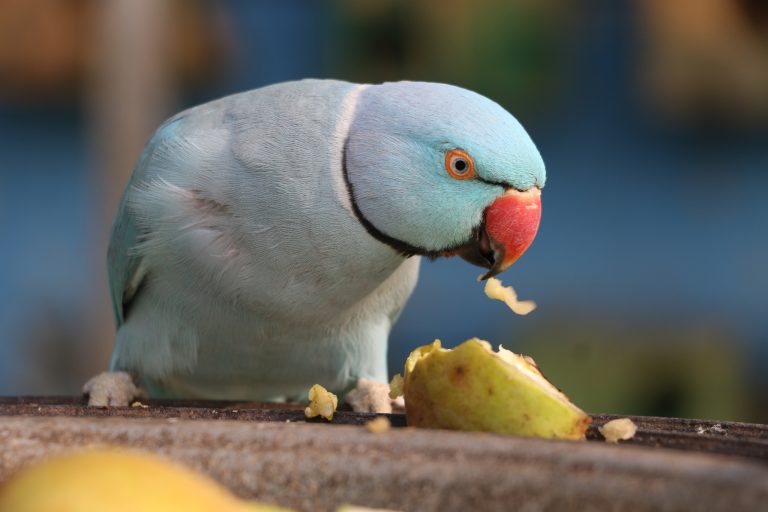
Parrots love to play with their food — expect at least half of every meal to end up on the floor. This is completely normal behaviour.
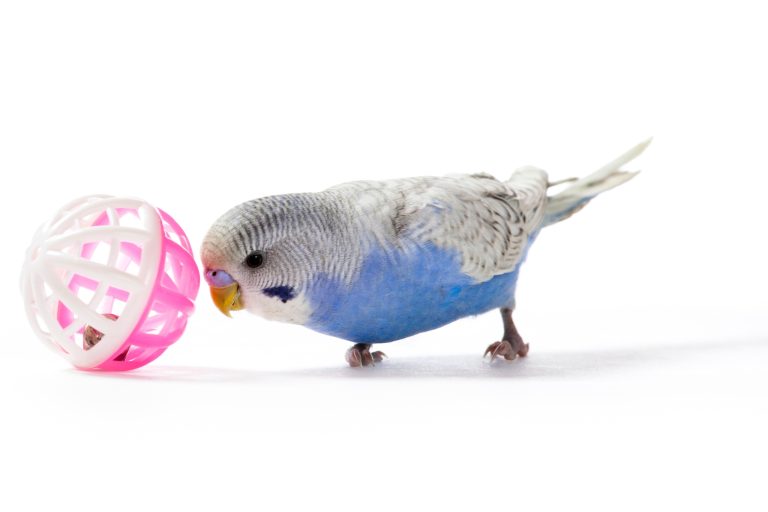
Use foraging toys, skewers, puzzle feeders, and creative enrichment to make mealtime engaging. Turning food into play reduces waste and provides valuable mental stimulation at the same time.
Tips for Feeding Parrots Successfully
Keep meals exciting and nutritionally diverse by rotating through different vegetables, fruits, and grains regularly — variety is the spice of a healthy parrot life.
A chop mix — a blend of finely chopped veggies, grains, legumes, and more — is a convenient way to pack a huge range of nutrients into a single, easy-to-prepare meal.
Offer food at the same times each day to help establish a healthy routine — parrots thrive on predictability and will quickly learn when to expect meals.
Use puzzle toys, kabobs, hidden treats, and foraging activities to make mealtime mentally stimulating — enrichment feeding is as important for your parrot’s mind as it is for their body.
Don’t overlook the basics — weight and droppings are key indicators of your parrot’s health. Changes in either can be an early warning sign that something needs attention.
Feeding by Parrot Species
Many owners don’t realize that different parrot species have unique dietary requirements. Understanding your bird’s specific needs is key to providing proper nutrition.
| Species | Diet Notes |
|---|---|
| African Greys | Sensitive to vitamin A and calcium imbalances — monitor levels closely and consult an avian vet about supplementation. |
| Budgies & Cockatiels | Prone to obesity — require low-fat, seed-restricted diets with plenty of fresh vegetables and quality pellets. |
| Eclectus Parrots | Require lots of fresh fruits and vegetables. Avoid pellets containing synthetic vitamins, which can cause toxicity in this species. |
| Macaws | Need more healthy fats (such as nuts) than most parrots — but balanced nutrition is still essential to prevent obesity. |
| Lories & Lorikeets | Eat nectar and soft fruits in the wild and require specialist diets — standard pellets alone are not appropriate for this species. |
Always research your parrot’s species-specific dietary needs and consult with an avian veterinarian before making any changes to their diet.
Nutrition Is Key to a Happy Healthy Parrot
Feeding a parrot is more than a daily chore – it’s an important cornerstone of their health, behavior, and longevity. A well-fed parrot is more active, more social, and less prone to illness.
While managing a proper diet for your parrot can be time consuming and sometimes frustrating, it can also be one of the most rewarding parts of parrot ownership.
By embracing variety, avoiding dangerous foods, and encouraging natural foraging, you’ll improve your bird’s health while also strengthening your bond and enriching their life.