Bobcat Facts Behavior, Threats & Conservation
Discover key facts about bobcats, including their natural habitat, hunting behavior, survival threats, and conservation efforts. Learn how these elusive wild cats thrive across North America.
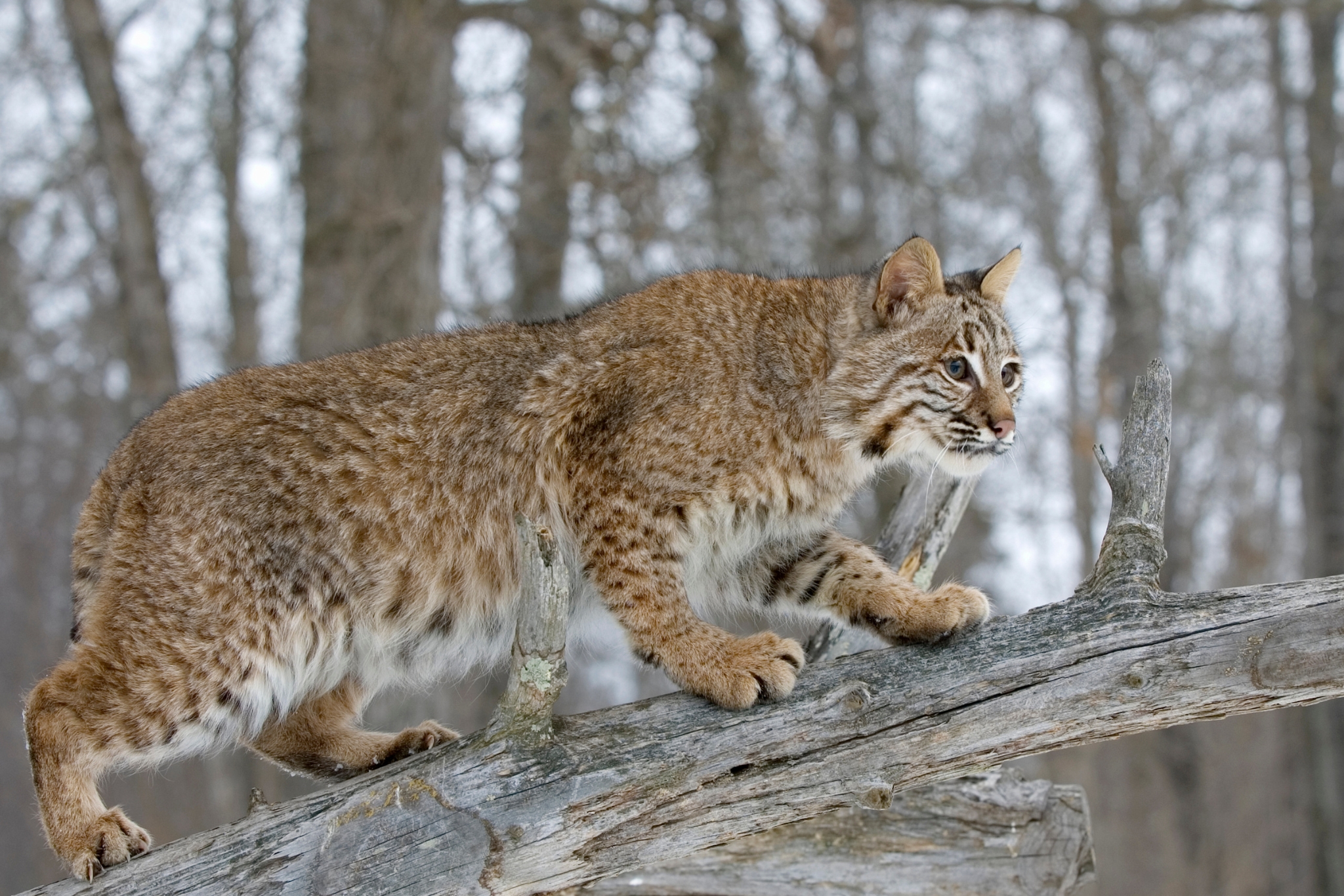
The bobcat (Lynx rufus) is a stealthy adaptable predator found throughout North America. Recognized by its short “bobbed” tail, tufted ears, and elusive nature, this wild feline plays an important role in its ecosystem as a top mid-sized predator.
Curious about bobcats? Let’s dive into fascinating bobcat facts, explore their natural habitat, understand current threats they face, and look at what conservation efforts are underway to protect them.
Quick Bobcat Facts
| Common Name | Bobcat |
| Scientific Name | Lynx rufus |
| Family | Felidae (cat family) |
| Range | North America (from southern Canada to central Mexico) |
| Lifespan | 10–12 years in the wild; up to 20 in captivity |
| Weight | 11–30 lbs (5–14 kg) |
| Length | 2–4 ft (incl. tail) |
| Tail | 4–7 in (“bobbed” tail) |
| Conservation Status | Least Concern (IUCN) |
Where Do Bobcats Live?
Bobcats are highly adaptable and occupy a wide variety of habitats across North America, including:
- Deciduous and coniferous forests
- Swamps and wetlands
- Arid deserts and scrublands
- Suburban and rural areas
These smart cats are found in nearly every U.S. state, southern Canada, and northern to central Mexico. Their ability to thrive in both wild and semi-urban areas makes them one of the most successful wildcats on the continent.
Behavior and Lifestyle
Bobcats are solitary and territorial animals, typically only coming together to mate. They’re most active at dawn and dusk (crepuscular), but they still can be active day or night depending on the season and region.
Key Bobcat Behaviors:
- Marking Territory: They use scent markings and claw marks to define their range.
- Stealth Hunters: Bobcats are ambush predators that stalk and pounce on prey.
- Climbers & Swimmers: They can climb trees and swim, but they usually prefer to stay on land.
What Do Bobcats Eat?
Bobcats are carnivorous predators with a highly varied diet depending on what’s available in their environment.
Common Prey Includes:
- Rabbits and hares (primary diet in many regions)
- Rodents
- Birds
- Reptiles
- Deer fawns (occasionally)
- Domestic animals – while rare, they may hunt chickens or small pets near human areas
Their varied diet and remarkable adaptability in hunting have allowed bobcats to thrive across a range of environments. This flexibility has helped them maintain stable populations, even as natural habitats change and human development continues to spread.
How to Identify a Bobcat
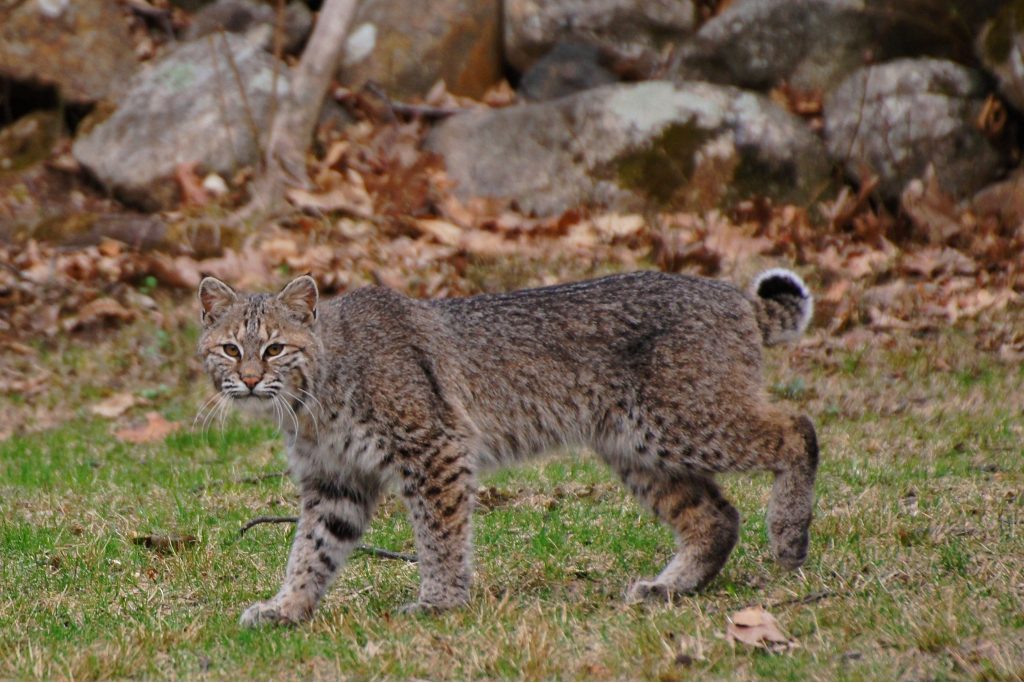
Want to know if you’ve spotted a bobcat? Look for these key features:
- Short “bobbed” tail with a black tip on the top and white underneath
- Pointed tufted ears like a lynx
- Spotted coat – tan, gray, or reddish with dark markings
- Facial ruffs (cheek fluffs) similar to a lynx or domestic Maine Coon cat
- Tracks: Look like oversized house cat prints, but no claw marks (they retract)
Are Bobcats Dangerous to Humans?
Bobcats are shy and elusive. Attacks on humans are extremely rare and usually only occur if the animal is rabid or cornered.
However, they may pose a threat to unattended pets or small livestock, especially in rural or semi-suburban areas.
To coexist safely:
- Don’t leave pet food outside
- Secure chickens and small animals at night
- Keep garbage bins closed
- Don’t approach or try to feed wild bobcats
Threats to Bobcats
Although bobcats are not currently endangered, they do face regional threats that can impact their populations.
Major Threats Include:
- Habitat Loss & Fragmentation
- Urban expansion and deforestation reduce territory and disrupt hunting grounds.
- Vehicle Collisions
- Roads and highways are a leading cause of bobcat mortality in some areas.
- Hunting & Trapping
- Legally hunted in many U.S. states for fur or predator control.
- Poaching and unregulated trapping also occur.
- Rodenticide Poisoning
- Eating poisoned rodents can lead to secondary poisoning and death.
- Climate Change
- Altered weather patterns and food availability can shift habitat range and increase human conflict.
Bobcat Conservation Efforts
Thanks to their wide range and adaptability, bobcats are currently listed as “Least Concern” by the IUCN. However, some local populations in certain areas have experienced decline due to overhunting or development.
Conservation Measures Include:
- Legal Hunting Limits: Many U.S. states and Canadian provinces regulate hunting/trapping seasons.
- Wildlife Corridors: Projects that connect fragmented habitats to allow safe travel between territories.
- Public Education: Helping communities coexist with bobcats through responsible wildlife practices.
- Monitoring & Research: Wildlife biologists use GPS collars and camera traps to study bobcat populations.
Why Bobcats Matter
Bobcats are a symbol of resilience and adaptability in North America’s wildlife landscape. As skilled hunters, they play a crucial role in controlling small mammal populations and maintaining ecosystem balance.
By understanding their habits and respecting their space, humans can peacefully coexist with these beautiful wildcats – whether deep in the forest or on the edge of suburbia.
Protecting bobcats means protecting the wild spaces they need to thrive.