Sea Otter Conservation Why It Matters and How You Can Help
Learn why sea otter conservation is vital for marine ecosystems. Explore the threats they face, current population trends, and how protecting sea otters helps preserve kelp forests and support ocean biodiversity.
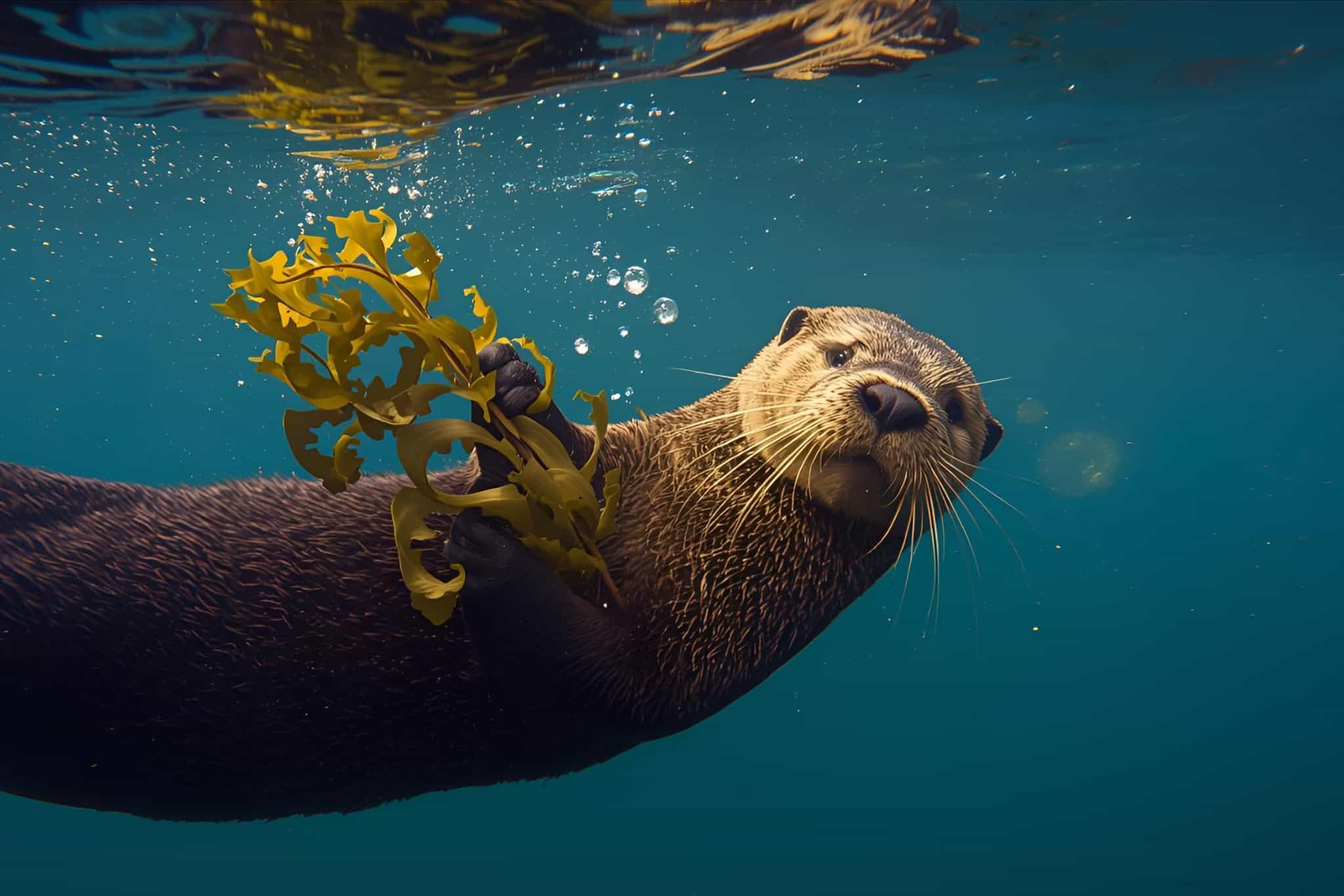
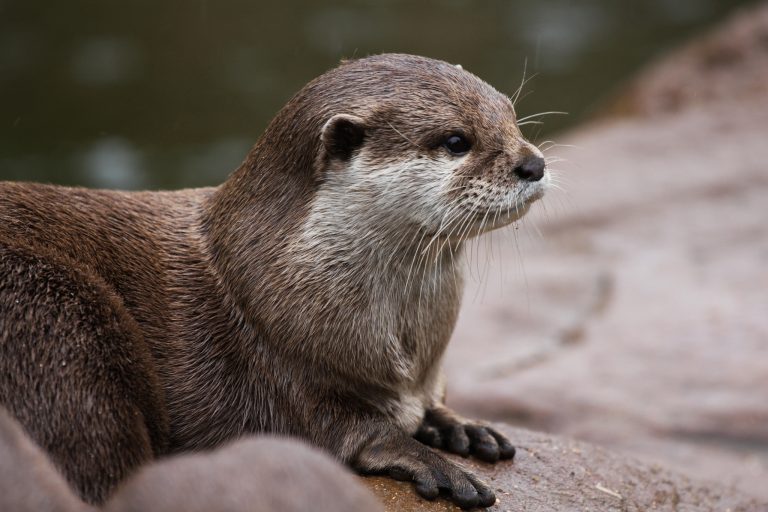
Sea otters, native to the coastal waters of the Pacific Ocean, once hovered on the brink of extinction – and their journey toward recovery still continues today.
Loved worldwide for their playful nature and irresistible charm, these iconic marine mammals are more than just adorable faces.
But why does their conservation even matter? Let’s explore the challenges they face, the efforts being made to protect them, and how you can help ensure their future in the wild.
Quick Sea Otter Facts
- Scientific Name: Enhydra lutris
- Lifespan: 10 to 20 years in the wild
- Habitat: Coastal waters of the northern and eastern Pacific Ocean
- Diet: Clams, sea urchins, crabs, fish, and other marine invertebrates
- Status: Endangered and threatened in parts of their range
- Population Estimate: about 3,000 in California; around 70,000 to 100,000 globally
Why Are Sea Otters Important?
Sea otters are considered a keystone species – this means their presence has a disproportionately large impact on their environment.
Sea Otters Help the Ecosystem by:
- Controlling Sea Urchin Populations: Sea otters eat sea urchins, which would otherwise destroy kelp forests by overgrazing.
- Promote Kelp Growth: Healthy kelp forests provide habitat for fish, absorb carbon dioxide, and help protect coastlines from erosion.
- Biodiversity Boosters: By maintaining balance in the ecosystem, sea otters help support a wide variety of marine life.
The natural foraging behavior of sea otters directly influences the structure of the nearshore marine ecosystem. These cute mustelids play a very important part in helping to maintain their ecosystem. Without sea otters, coastal marine ecosystems could drastically change and collapse.
Why Are Sea Otters Endangered?
Sea otter populations once numbered in the hundreds of thousands but they were nearly wiped out by the fur trade in the 18th and 19th centuries.
Since then their numbers have rebounded in some areas thanks to conservation efforts, but they still face serious ongoing challenges:
🛢️ Oil Spills
Oil spills are one of the greatest threats to sea otters. Their dense fur (one of the thickest in the animal kingdom) relies on cleanliness to insulate them from cold water. Oil compromises their fur’s insulating ability, leading to hypothermia and death.
🌊 Pollution
Chemical runoff, plastics, and contaminants (like PCBs and heavy metals) can harm otters directly or disrupt their food chain.
🦀 Fishing Gear Entanglement
Sea otters can become entangled in discarded fishing gear or drown in traps meant for crabs and lobsters.
🦠 Disease
Pathogens such as Toxoplasma gondii (from cat feces) have been found in sea otter populations, especially in California. These parasites reach the ocean through sewage and stormwater runoff.
🌡️ Climate Change
Rising ocean temperatures and acidification affect otters indirectly by harming the marine species they rely on for food.
🚤 Human Disturbance
Boating, kayaking, and shoreline development can disturb sea otter resting, breeding, and feeding areas.
A Conservation Success Story (But Still Ongoing)
Despite being hunted to the brink of extinction, sea otter populations have made a remarkable recovery in some parts of their range thanks to decades of conservation work.
Key Conservation Milestones:
- 1911: International Fur Seal Treaty bans hunting of sea otters
- 1972: U.S. Marine Mammal Protection Act passed
- 1973: U.S. Endangered Species Act passed that includes protection for sea otters
- 1990s to Present: Reintroduction and monitoring programs in Alaska, British Columbia, and California
Today, sea otters are protected under international and national laws, but localized populations (particularly in California) are still vulnerable.
How Are Sea Otters Being Protected?
🏞️ Marine Protected Areas (MPAs)
Establishing MPAs helps preserve vital feeding and breeding grounds where otters can live with less human disturbance.
🔬 Scientific Research
Ongoing research helps conservationists manage captive populations, reintroduction projects, and also provides valuable information to help track sea otter health, population trends, and environmental threats.
🧼 Oil Spill Response
Training and preparedness efforts are in place in coastal regions to respond quickly to potential spills and rehabilitate affected sea otters.
🐾 Wildlife Rescue & Rehabilitation
Organizations like the Monterey Bay Aquarium and the Marine Mammal Center rescue and care for injured or orphaned sea otters, with some released back into the wild.
📣 Public Awareness & Education
Outreach campaigns help educate the public on responsible coastal practices and the impact of pollution on marine life.
How You Can Help Sea Otter Conservation
Even if you don’t live near the ocean, your actions can still make a difference. Here’s how you can help sea otters:
🧼 Keep Oceans Clean
- Reduce plastic use
- Dispose of chemicals and medications properly
- Pick up after your pets (especially cats) to prevent waterborne parasites
🐟 Choose Sustainable Seafood
Support fishing practices that don’t endanger sea otters or their food sources by using guides like the Seafood Watch.
💰 Donate or Volunteer
Support organizations involved in sea otter rescue, rehabilitation, and conservation research.
📚 Spread the Word
Share information about sea otters on social media, in schools, or in your community. Awareness is a powerful conservation tool.
Sea Otter Conservation Matters
Protecting sea otters means protecting the entire coastal ecosystems. These charismatic marine mammals are essential to the health of kelp forests and the countless species that rely on them – including us humans.
While their numbers have improved in some regions, ongoing conservation is crucial to ensure sea otters thrive for generations to come.
By working together – through science, policy, education, and personal responsibility – we can help safeguard the future of this incredible marine species.