The Complete Bearded Dragon Care Guide
Discover everything you need to know about caring for a bearded dragon in this comprehensive guide. Learn how to set up the perfect habitat, provide a balanced diet, and keep your pet healthy and comfortable. With practical tips on feeding, handling, and overall care, this guide is ideal for both new and experienced bearded dragon owners.
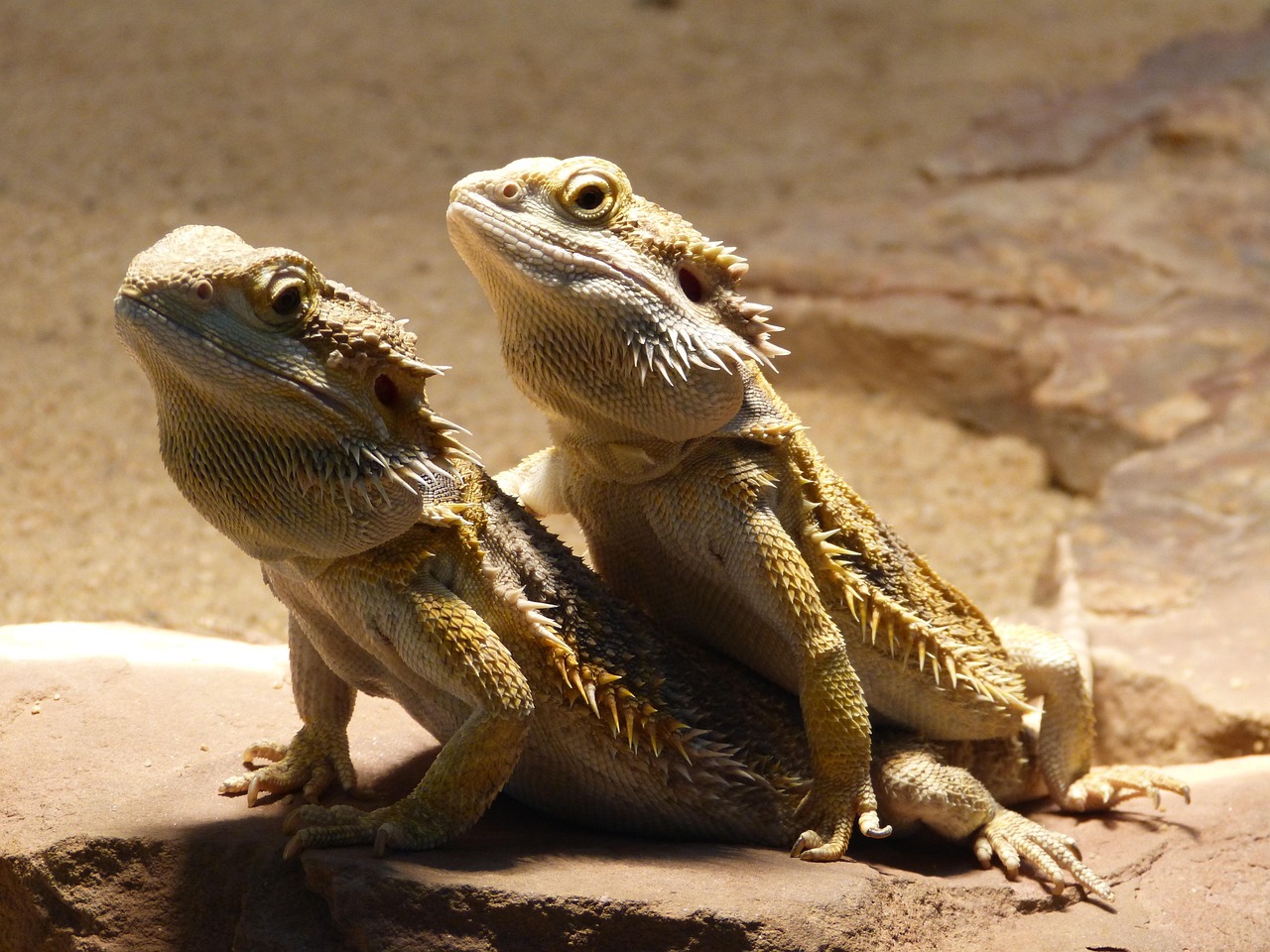
Bearded dragons, also known as Beardies among their adoring fans, are one of the most popular pet reptiles. These gentle and inquisitive lizards are relatively easy to care for, highly interactive and fascinating to observe.
Native to the arid regions of Australia, bearded dragons thrive in warm, dry environments and are well-suited for life in captivity when their unique needs are met.
Whether you’re a first time reptile parent or you’re looking to level up your bearded dragon care skills, this in-depth bearded dragon care guide has everything you need to help your dragon live its happiest and healthiest life. Let’s dive in!

Species Overview
- Scientific Name: Pogona Vitticeps (most common pet species)
- Common Names: Bearded Dragon, Beardies
- Adult Size: 18 to 24 inches
- Lifespan: 10 to 15 years in captivity
- Temperament: Docile, social, and inquisitive
- Activity: Diurnal (active during the day)
Choosing the Right Enclosure
Choosing the right enclosure for your bearded dragon is important to ensure their safety and welfare. While a little juvenile beardie may fit nicely in a smaller space at first, it’s good to remember that they’ll grow quickly and will need a larger enclosure as they mature.
Keeping this in mind when purchasing your first bearded dragon cage or when you’re ready to upgrade will help ensure your scaly friend has plenty of room to explore and thrive.
Minimum Size
- Juveniles: 20 to 40 gallons
- Adults: 75 to 120 gallons (minimum 4 ft long tank recommended)
Enclosure Type
- Glass terrariums or front opening reptile tanks with screen tops for ventilation work best.
- Avoid small or vertical enclosures since beardies need ample floor space to move around freely.
Habitat Setup
- Basking Spot: use rocks or platforms under heat lamps
- Hiding Spots: include at least one hide on the cool side of the tank
- Climbing Structures: branches, logs, plants and hammocks help enrich your dragon’s home
When setting up your beardie’s home, it’s important to create a temperature gradient (with one side of the tank warm and the other side cool) so your dragon can regulate its body temperature just like it would in the wild.
You can create a temperature gradient by placing a basking bulb on one end of the tank to create a hot side around 95 to 110°F for basking, and leave the opposite end cooler, around 70 to 85°F.
This setup allows your bearded dragon the choice and freedom to move between temperature zones as needed so they can stay comfortable throughout the day. Be sure to use digital thermometers or temperature guns to monitor both sides accurately.
Lighting and Heating Requirements
Bearded dragons are diurnal animals that are most active during the day. They rely on lighting and temperature gradients to regulate their metabolism, digest food and synthesize vitamin D3.
Proper lighting is essential to the health and wellbeing of these lizards, and thankfully it isn’t too hard to find an appropriate bearded dragon light bulb at most pet stores or online.
UVB Lighting
- Type: UVB fluorescent light for daytime
- Duration: 14 hours per day during summer, 10 hours per day during winter
- Optional: additional reptile safe lighting to bring more “daylight” into the enclosure
Bearded dragons love light and most experts suggest a color temperature of 6000 to 7000k. Beardies with more “daylight” in their enclosure behave more alert, active, and display more natural behaviors.
Heat and Temperature
- Basking Spot: 95°F to 110°F (higher end for juveniles)
- Cool Side: 70°F to 85°F
- Night Temperature: can drop to 65°F to 75°F (use ceramic heat emitters if temperatures fall below 55°F)
Bulbs for night viewing and supplemental heat are unnecessary for bearded dragons and can mess with their natural day/night cycles.
If temperatures will drop below 55°F, a ceramic heat emitter can be used since they don’t emit any visible light.
Substrate Options
The type of substrate used for your beardie should be nontoxic, safe, easy to clean, and support natural behaviors.
Recommended Substrates:
- Tile
- Paper Towels (especially good for juveniles)
- Bioactive Substrate Mixes
- Super Fine Quartz Sand
- Commercial Bearded Dragon Substrate Mix From Reputable Brands
Avoid:
- Loose Substrates like mulch, wood chips, bark and crushed walnut (risk of impaction if ingested)
- Calcium or vitamin sand – these dusty sands can cause eye irritations and may cause impaction if swallowed
- Reptile carpet – harbors harmful bacteria and can catch reptile nails in the fibrous material
Diet and Nutrition
Bearded dragons are omnivores with changing dietary needs as they age. Young dragons are all about their bugs while adults mainly chomp down on their greens.
Offer all ages a variety of safe greens along with occasional fruits as treats.
Don’t forget to dust insects with calcium and vitamin supplements to support bone health and overall wellness.
Juveniles (Under 12 months)
- 80% Insects / 20% Greens
- Feed 2 to 3 times daily
Adults
- 80% Greens / 20% Insects
- Feed once daily (insects every other day)
Insect Choices
- Staples: dubia roaches, black soldier fly larvae, crickets
- Occasional Treats: waxworms, superworms, hornworms
Gut loading insects before giving them to your bearded dragon will greatly improve the nutritional value of the insects you feed.
Vegetable Choices
- Staples: collard greens, mustard greens, dandelion greens
- Occasional: squash, bell peppers, carrots
- Avoid: spinach, iceberg lettuce, avocado
Supplements
- Calcium with D3: 3 to 4x per week for juveniles; 2x a week for adults
- Multivitamin: once weekly
Handling and Behavior
Bearded dragons are generally calm, curious reptiles, and many seem to enjoy spending time with their owners once they’re comfortable being handled.
Regular gentle interaction can help your bearded dragon become more familiar with you and build trust over time.
It’s important to remember to handle these lizards gently and support their whole body when picking them up. Start with short sessions and let your dragon get used to being picked up before taking them on any adventures away from their home. Always approach slowly and avoid grabbing from above as this can startle them.
With patience and consistency, most bearded dragons become comfortable being held and can even enjoy hanging out with you outside of their enclosure.
Handling Tips
- Support their entire body, especially the tail and limbs
- Avoid sudden movements or overhead approaches
- Start with short sessions and build trust gradually
Behavioral Cues
- Head bobbing: dominance or territorial behavior
- Arm waving: submissive or social gesture
- Beard darkening: stress, excitement, or aggression
Common Health Issues
- Metabolic Bone Disease (MBD)
Caused by calcium deficiency or lack of UVB. Signs include limb deformities, lethargy, and twitching. - Impaction
Caused by ingesting substrate or large prey. Symptoms include lack of appetite and constipation. - Respiratory Infections
Triggered by cold or damp environments. Look for wheezing, mucus, or labored breathing. - Parasites
Weight loss, runny stools, and lethargy may indicate internal parasites.
Always consult a veterinarian with reptile experience if you notice abnormal behavior or symptoms.
Shedding and Growth
Shedding is a natural process for bearded dragons and is especially frequent in juveniles. Maintaining property humidity levels in your bearded dragons home is important to help your lizard shed properly.
You can check the humidity levels in your lizard’s cage by using a digital probe hygrometer on the cool side of the enclosure.
High humidity levels are problematic for beardies and consistent humidity over 60% can lead to health problems and sickness.
Tips for Healthy Shedding
- Maintain humidity at 30 to 60%
- Provide rough surfaces like branches to help with shedding
- Never peel off stuck shed – use warm baths if needed
Cleaning and Maintenance
Regularly cleaning your bearded dragon’s enclosure is an important step in keeping your pet healthy and comfortable. Leftover food, waste, and shed skin can quickly lead to bacteria buildup, unpleasant odors, parasites and illness.
A well maintained enclosure also ensures that heating, lighting, and humidity levels stay consistent, giving your bearded dragon the best possible habitat to thrive in.
- Daily: spot clean feces and replace uneaten food
- Weekly: clean water bowl and sanitize surfaces
- Monthly: deep clean enclosure with reptile safe disinfectant
Wash your hands before and after handling your bearded dragon to prevent spreading diseases like salmonella.
Lifespan and Commitment
With proper care Bearded dragons can live up to 15 years.
While they are not as demanding as a dog or cat, they still require some daily attention and consistent environmental maintenance. Consider your long term ability to care for them before bringing one of these cool personable lizards into you home.
Is a Bearded Dragon the right pet for you?
Bearded dragons can make wonderful pets for people who are willing to put the time and effort into meeting their environmental and dietary needs. They’re way more manageable compared with many other reptiles, but that doesn’t mean they’re completely hands-off.
Providing the right lighting, temperature, enclosure setup, diet, and regular care is essential for keeping a bearded dragon healthy and comfortable.
For owners who are prepared to stay consistent and learn what their dragon needs, the effort can be well worth it.