
Can You Own a Wolf Hybrid? The Answer Might Surprise You
Can you legally own a wolf hybrid? Discover where wolfdogs are legal, how to care for them, key safety considerations, and what to know before bringing one home.
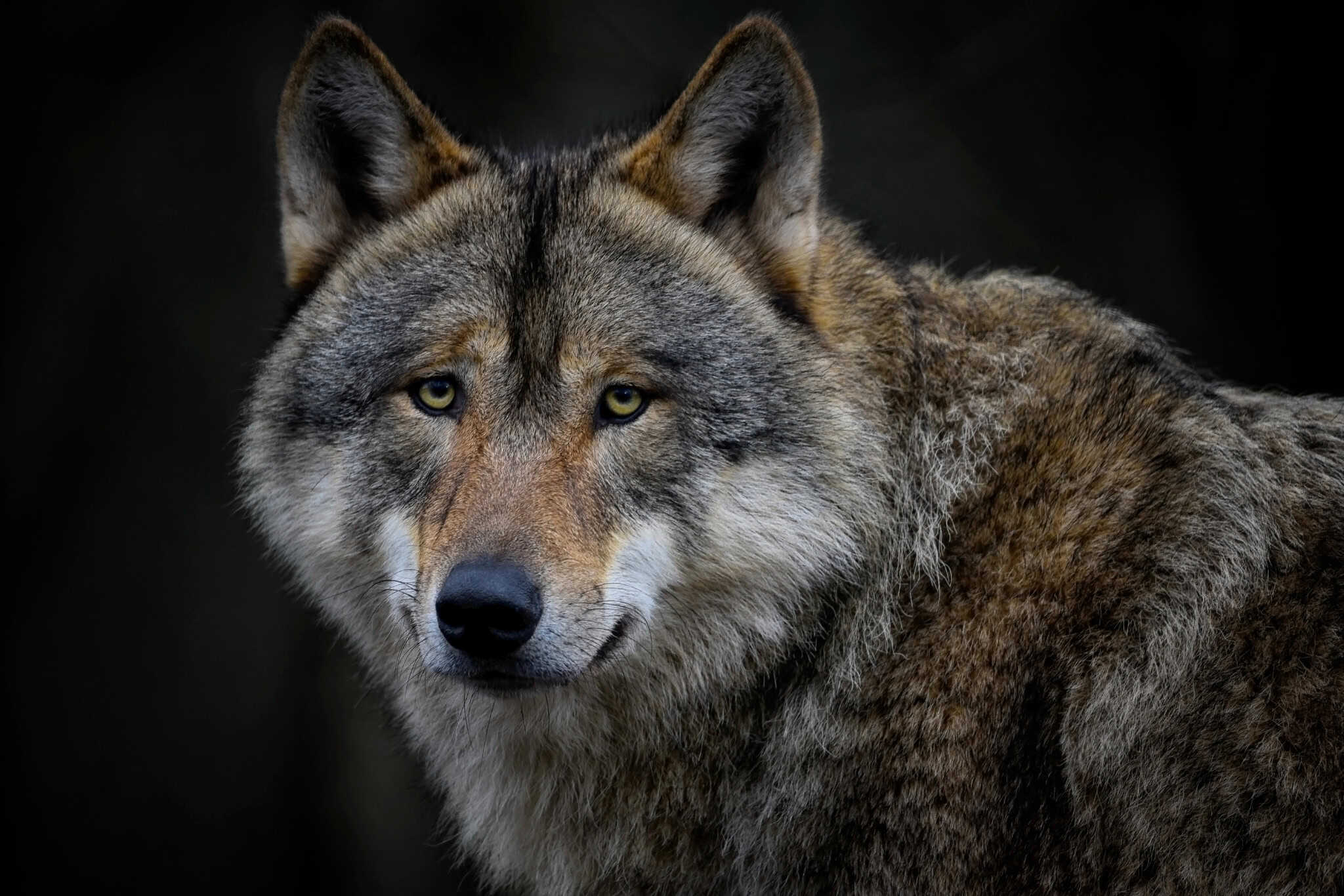
- What Is a Wolf Hybrid?
- Is It Legal to Own a Wolf Hybrid?
- What Is “Wolf Content” and Why It Matters
- Are Wolf Hybrids Safe to Own?
- Housing Requirements for a Wolf Hybrid
- Diet and Care
- Cost of Owning a Wolf Hybrid
- Common Problems with Wolf Hybrids
- Alternatives to Owning a Wolf Hybrid
- Should You Own a Wolf Hybrid?
- Frequently Asked Questions about Wolf Hybrid Ownership
Wolf hybrids (also known as wolfdogs) captivate many with their wild looks, intense eyes, and untamed energy. But bringing one of these canines home is far more complex than adopting a typical dog. As part wild animals, wolf hybrids come with unique legal restrictions, ethical questions, and safety concerns.
If you’ve ever asked yourself “Can I legally own a wolf hybrid?” or wondered whether one would make a suitable pet, this article will walk you through everything you need to know to make a smart and informed decision.
What Is a Wolf Hybrid? A Quick Introduction
A wolf hybrid (or wolfdog) is the result of breeding a domestic dog with a gray wolf, eastern wolf, or red wolf. Depending on the generation and parentage, wolf hybrids can range from 10% to over 90% wolf DNA.
Common Wolf Hybrid Breeds:
- Wolf × Alaskan Malamute
- Wolf × German Shepherd
- Wolf × Siberian Husky
The higher the wolf content, the more difficult the behavior and the greater the care required. Increased wolf content correlates with more instinct-driven behavior and complex care requirements.
Is It Legal to Own a Wolf Hybrid? Know Your Local Laws
It depends on your state and local laws.
Laws vary state by state and even county by county. Some allow ownership with a permit or license, while others ban it completely.
✅ States Where Wolf Hybrids Are Legal (but may still require permits)
- Arizona
- Nevada
- Texas
- Oregon
- Indiana
- Florida
❌ States Where Wolf Hybrids Are Illegal to Own
- Hawaii
- New York
- Connecticut
- Georgia
- Alaska
Always check your local animal control, Fish and Game, and wildlife agency before acquiring a pet wolf hybrid. Even where wolf dogs are legal, some states may still require permits, fencing, insurance, and inspections.
What Is “Wolf Content” and Why It Matters
Wolf hybrids are often classified by wolf content—which simply means the percentage of wolf DNA compared to dog DNA.
| Type | Description |
|---|---|
| High-content | 75%+ wolf — behaves more like a wild wolf |
| Mid-content | 50 to 75% — mix of dog and wolf traits |
| Low-content | Under 50% — mostly dog-like behavior |
Higher wolf content = higher risk, harder to train, and more restrictions.
Are Wolf Hybrids Safe to Own? What Experts Say
While many wolf hybrids can be wonderful and affectionate companions, they are not fully domesticated animals and may present challenges (especially for inexperienced owners).
Low and mid-content wolfdogs tend to be more manageable as pets, while high-content hybrids are the most challenging. These animals require experienced and committed owners who understand their complex behavior and unique needs.
Behavioral Risks:
- Unpredictability: especially under stress or during mating season
- Shyness or fear aggression: may react poorly to strangers
- Strong prey drive: dangerous for small pets or livestock
- Poor house behavior: destructive chewing, digging, marking, escape artists, hard to potty train, etc.
Socialization & Training:
- Typically they are very independent—may not respond to traditional obedience training
- Require consistent and intensive early socialization, and this socialization must continue throughout their lives
- Should never be left alone with small children or animals
Housing Requirements for a Wolf Hybrid
Wolf hybrids require secure escape proof fencing and enclosures. Safe fencing recommendations:
- Minimum 6 to 8 feet high
- Dig guard or buried fencing
- Double gated entry
- Large outdoor space for roaming
Apartments are not suitable for wolf hybrids, and keeping one in an apartment can lead to serious behavioral issues. These animals need lots of space to meet their physical and mental needs.
Diet and Care What They Really Need
Wolf hybrids require a raw or high protein diet that closely resembles what their wild ancestors would eat. Their digestive systems are more aligned with wolves than domestic dogs, meaning they thrive on meals that include raw meat, bones, and organs (not commercial dog kibble).
Healthy Wolf Dog Diet Includes:
- Raw meats like beef, chicken, organ meat, etc.
- Dog-safe raw bones
- Supplements like taurine or omega-3s (consult with your vet before adding any supplements to your pet’s diet)
Feeding wolf hybrids a biologically appropriate diet is essential for maintaining their health, energy, and overall well-being. Unlike fully domesticated dogs, their bodies are adapted to a more natural, raw, and high-protein diet.
Regular commercial dog food often lacks the nutrients needed to support their unique physiology—especially in high-content wolfdogs, who may struggle to thrive on standard grain based kibble alone.
Cost of Owning a Wolf Hybrid Let’s Talk Numbers
| Expense | Estimated Cost |
|---|---|
| Purchase price | $1,000 – $3,500+ |
| Outdoor enclosure | $2,000 – $10,000+ |
| Monthly food (raw meat, bones, etc.) | $300 – $400+ |
| Vet care (exotics specialist) | $200+ per visit |
| Permits or insurance (if needed) | Varies by location |
Many veterinarians are unwilling or unequipped to treat wolf hybrids, so it’s important to secure proper veterinary care before deciding to bring one into your home. Access to experienced, willing professionals can make a significant difference in your pet’s long-term health and your ability to care for them responsibly.
Common Problems with Wolf HybridsThe Honest Reality
Responsible ownership isn’t just about today—it also means planning for the future. What will happen if you need to move, face a major life change, or can no longer care for your wolf hybrid?
True responsibility means thinking ahead and considering how you’ll meet their needs no matter what life throws your way. Keep in mind that:
- Rehoming is difficult: shelters won’t take them, and they are often euthanized
- Zoning issues: not legal in every state, city, or county and neighbors may file complaints about howling or other behaviors
- Liability concerns: may be considered dangerous animals by insurance providers
Alternatives to Owning a Wolf Hybrid The Better Option
If you love the idea of a wolf-like companion but want a safer more manageable pet, consider these breeds:
Wolf-Like Dog Breeds:
- Alaskan Malamute
- Siberian Husky
- Tamaskan Dog
- Northern Inuit Dog
- Utonagan
- Alaskan Klee Kai (miniature Wolf/Husky looking breed that is apartment friendly)
These breeds offer the look of a wolf with domesticated behavior and fewer legal issues.
Should You Own a Wolf Hybrid? Guestions to Ask Yourself
Low-content wolfdogs can be suitable pets for dedicated owners who are fully committed to meeting their physical, mental, and emotional needs. With proper training, space, and care, they may exhibit more manageable behaviors similar to domestic dogs.
Mid-content wolf hybrids vary more widely. Depending on their individual genetics, some may lean more toward dog-like traits while others will show stronger wolf instincts. While some mid-content wolfdogs might be easier to potty train or socialize, they can still display wild behaviors that require experienced handling and a structured environment.
High-content wolf hybrids are not good pets for the average household. These dogs come with complex needs, behaviors that are challenging in the home setting, and are often subject to strict legal regulations. Owning one requires significant experience, time, and a deep understanding of wolf behavior – along with a secure spacious setup that meets their unique demands.
Before considering wolf hybrid ownership, ask yourself:
- Are wolf hybrids legal in my state, city, and county?
- Do I have the space, time, and financial resources to properly care for a wolf dog?
- Can I find a vet who will treat a wolfdog?
- Am I prepared for 15+ years of responsibility?
If you can’t confidently answer “yes” to all of the above, it’s best to admire wolves from a distance, or choose a domesticated breed that shares their beauty.
Frequently Asked Questions about Wolf Hybrid Ownership
1. Are wolf hybrids legal in California?
First generation wolf hybrids are banned in California, but later generation wolf hybrids are legal as pets.
2. Do wolf hybrids make good pets?
Low-content wolf dogs can make good pets for owners who are committed to meeting their dogs’ physical and behavioral needs.
Mid-content wolf hybrids vary widely in temperament and behavior, largely depending on the percentage of wolf DNA they carry.
High-content wolf dogs may form strong bonds with experienced owners but they are not recommended as pets due to their wild instincts, destructive behaviors, and demanding care requirements.
3. What’s the difference between a wolf hybrid and a dog?
Wolf hybrids are not fully domesticated and tend to be more independent and destructive than typical dogs. They also have unique dietary, social, and training requirements that set them apart from fully domesticated pets.
4. Can you train a wolf hybrid like a dog?
Training low-content wolf hybrids is similar to working with other arctic breeds like malamutes and huskies, requiring patience and consistency.
Mid-content wolf hybrids can be much more unpredictable since their behavior varies widely depending on the amount of wolf DNA they carry. Training depends heavily on the individual’s unique traits.
High-content wolf hybrids can be trained, but it is significantly more challenging. They tend to be very independent, often ignoring commands, showing aloof behavior, and responding poorly to punishment or inconsistent training methods.