Why One Scratch Means Automatic Euthanasia
TThere’s no approved rabies vaccine for pet skunks. If yours scratches anyone, they’ll be seized and killed for testing. Learn how to protect your baby.
- The Heartbreaking Reality: There’s No Approved Rabies Vaccine for Skunks
- What Happens If Your Skunk Scratches or Bites Someone?
- The Unthinkable Consequence
- Why the Risk Is Never Worth It
- It Only Takes One Incident
- How to Protect Your Pet Skunk
- The Emotional Toll on Owners
- What About Indoor Only Skunks?
- Advocating for Change
- The Bottom Line on Protecting Pet Skunks
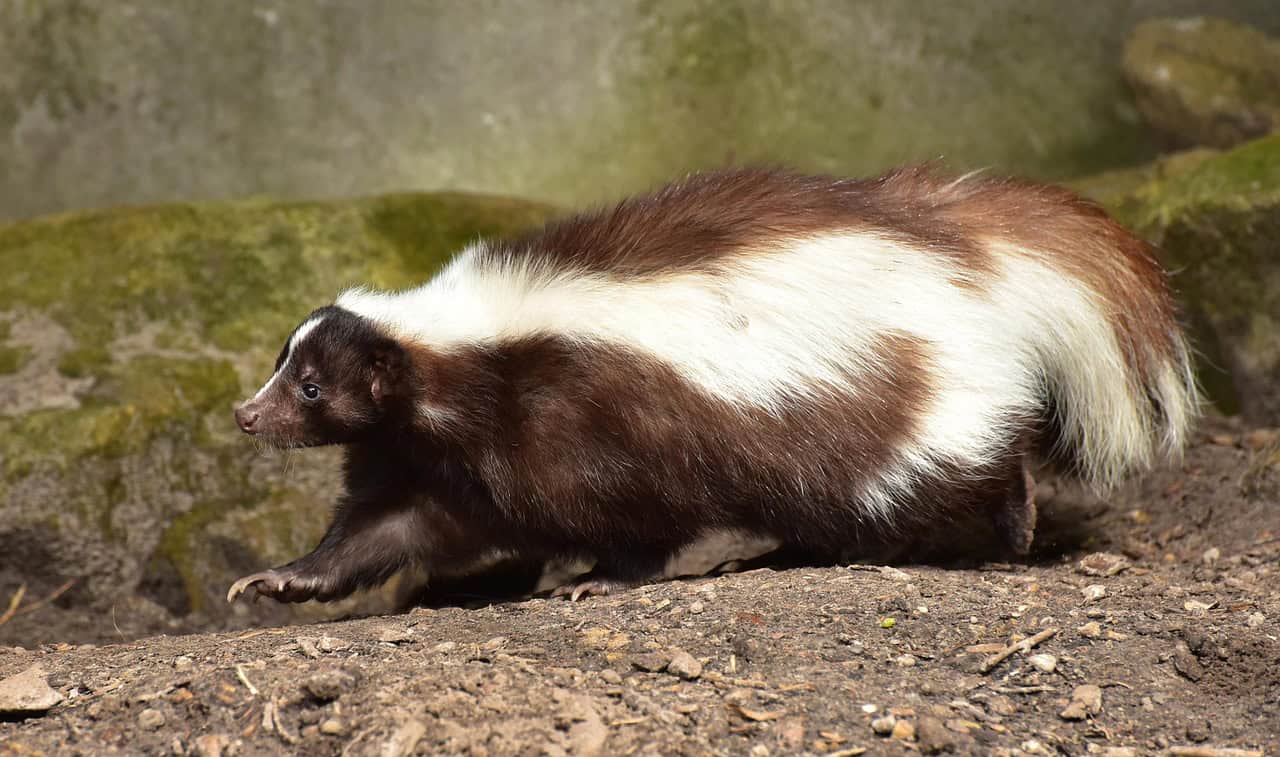
If you’re lucky enough to share your life with a pet skunk, you already know how adorable and charming these little companions can be.
With their playful personalities and undeniably cute waddle, it’s totally understandable that people are tempted to reach out and pet your precious fuzzy friend.
But here’s the hard truth: No matter how friendly your skunk may be (or how much someone begs for a quick cuddle) you must always say no.
And believe me, this isn’t about being rude or unkind. It’s about protecting your beloved pet’s life.
The Heartbreaking Reality There’s No Approved Rabies Vaccine for Skunks
Every pet skunk owner needs to understand this critical fact: there is currently no USDA approved rabies vaccine for skunks in the United States.
This single reality changes everything – and it’s why allowing strangers to interact with your skunk is incredibly dangerous.
While some exotic animal veterinarians may administer off label rabies vaccines, these vaccines are not approved for skunks.
This means that in the eyes of public health officials and animal control, your skunk is legally considered unvaccinated against rabies… even if you’ve done everything possible as a responsible owner and had them vaccinated with an off label product.
What Happens If Your Skunk Scratches or Bites Someone?
This is where the situation becomes devastating.
If your pet skunk scratches, bites, or even just barely breaks someone’s skin (accident or not) public health officials have protocols they must follow. Because there’s no approved rabies vaccine for skunks, authorities cannot verify that your pet is protected against rabies.
The Unthinkable Consequence
In most jurisdictions, a reported bite or scratch from a skunk results in a horrifying outcome: animal control or public health officials may require your skunk to be euthanized and tested for rabies.
Yes… you read that correctly.
Your healthy beloved pet could be taken from you and killed solely so their brain tissue can be tested for rabies.
Even if the scratch was minor.
Even if it was accidental.
And even if you’ve had your skunk since they were a baby.
This is not a hypothetical risk. It has happened to countless devastated skunk owners across the country.
Why the Risk Is Never Worth It
Imagine this scenario: You’re out for a walk with your adorable skunk on their harness. A friendly stranger approaches, gushing about how cute your pet is.
They reach down to pet your skunk. Your normally gentle companion gets startled and delivers a tiny scratch (barely noticeable).
Later, that stranger (while not meaning any harm) mentions it to their doctor. The doctor is legally required to report a potential rabies exposure. Public health gets involved.
And suddenly, your world collapses. You’re facing the nightmare of having your pet skunk seized and euthanized… despite posing no real danger.
It Only Takes One Incident
The scratch or injury doesn’t have to be serious.
It doesn’t matter that your skunk has never shown aggression.
It doesn’t matter that you got them from a reputable USDA breeder as a descented kit.
The lack of an approved rabies vaccine means authorities have no choice but to follow rabies exposure protocols.
How to Protect Your Pet Skunk
Your job as a skunk parent is to protect your pet from risks they don’t understand.
So how do you do that? These guidelines can help keep them safe:
1. Enforce a Strict “No Touch” Policy
Make it crystal clear to everyone – friends, family, and especially strangers – that your skunk is not available for petting. Practice your polite but firm response: “I’m so sorry, but for my skunk’s safety, I can’t allow anyone outside our household to touch them.”
2. Educate People on the Spot
When people ask why they can’t pet your adorable friend, use it as a teaching moment. A quick explanation like, “Skunks don’t have an approved rabies vaccine, so if they accidentally scratch someone, they could be taken away and euthanized.” usually gets immediate understanding.
3. Use Protective Barriers
If you’re taking your skunk out in public, consider using a pet stroller or carrier with mesh windows. Your skunk can still enjoy the outing and get stimulation from seeing new things, but there’s a physical barrier preventing unwanted touching.
4. Choose Your Outings Carefully
Be strategic about where you bring your skunk. Avoid crowded areas where you’ll constantly be fending off well-meaning people wanting to interact with your pet. Opt for quiet walking trails or your own backyard instead.
5. Keep Detailed Records
Document everything about your skunk’s health care, including any off label vaccinations. While these may not protect your skunk legally, having thorough records can potentially help in some situations.
6. Know Your Local Laws
Research your state and local laws regarding pet skunks and rabies protocols. Some areas may have slightly different regulations, and knowledge is power when it comes to protecting your pet.
The Emotional Toll on Owners
Losing a pet under these circumstances is particularly traumatic.
Your healthy and happy companion can be taken from you through no real fault of their own or yours. The grief is compounded by the unfairness of it all – especially when you know your skunk posed no actual rabies risk.
Many skunk owners live with constant anxiety about this possibility – every outing becomes stressful and every interaction requires vigilance. It’s exhausting, but this is the reality of owning a species without approved rabies vaccination.
What About Indoor Only Skunks?
Some owners think keeping their skunk strictly indoors eliminates the risk. While this certainly reduces it dramatically, consider these scenarios:
- A houseguest gets scratched
- A service person (like a plumber or electrician) encounters your skunk
- Your skunk escapes and interacts with a neighbor
- Emergency personnel enter your home and are scratched
Even indoor only skunks can unintentionally face situations where they might inadvertently scratch someone outside your immediate family.
Advocating for Change
While we wait for an approved rabies vaccine for skunks, the best thing we can do is advocate responsibly.
- Support organizations working toward USDA approval of rabies vaccines for exotic pets.
- Share accurate information about responsible skunk ownership.
- And above all, always prioritize your individual pet’s safety above public interactions.
The Bottom Line on Protecting Pet Skunks
Owning a pet skunk can be a unique and rewarding experience, but it comes with serious responsibilities that other pet owners don’t face.
The rabies vaccine situation isn’t fair, but unfortunately it’s the current reality.
By staying vigilant, setting firm boundaries, and never allowing strangers to touch your skunk, you’re being the best possible advocate for your pet’s safety and wellbeing.
Stay firm. Stay informed.
And protect those precious fuzzy lives at all costs. 🖤


Pet Skunk Diet Guide: What to Feed Your Skunk
Read More →
Can Pet Skunks Eat Carrots? Safe Foods & What to Avoid
Read More →
7 Essential Skunk Training Tips Every Owner Should Know
Read More →