Are Eclectus Parrots Quiet Enough for Apartments?
Are eclectus parrots really quiet? Yes… relatively! Learn what they sound like, decibel levels, male vs female differences, and whether they’re good pets for apartments.
- The Short Answer: Are Eclectus Parrots Quiet?
- Understanding Eclectus Parrot Noise Levels
- What Do Eclectus Parrots Sound Like?
- Male vs. Female Eclectus: Is There a Noise Difference?
- Factors That Influence Eclectus Parrot Noise
- Are Eclectus Parrots Suitable for Apartments?
- Tips for Keeping Your Eclectus Parrot Quiet
- Comparing Eclectus Parrots to Other Species
- Real Owner Experiences
- Should You Get an Eclectus Parrot?
- Ideal Eclectus Owner Profile
- Eclectus Are Quiet, But They’re Still Parrots
- Considering an Eclectus Parrot?
If you’re thinking about adding an eclectus parrot to your family, one of your first questions is probably: “Are eclectus parrots quiet?”
The answer may surprise you.
While Eclectus parrots are generally regarded as one of the quieter parrot species, it’s important to understand their vocal behaviors before bringing one home.
The Short Answer Are Eclectus Parrots Quiet?
Yes, eclectus parrots are relatively quiet compared to other parrots of similar size. They’re often recommended as apartment birds because they typically vocalize at lower volumes than species like cockatoos, macaws, and Amazon parrots.
However, “quiet” is a relative term in the parrot world, and eclectus parrots still produce vocalizations that some people (or neighbors) may find disruptive.
Understanding Eclectus Parrot Noise Levels
Volume Comparison
Eclectus parrots typically vocalize at around 85 to 90 decibels at their loudest, which is comparable to a blender or food processor. In contrast, large macaws can reach 105 to 115 decibels, similar to a chainsaw.
This significant difference makes eclectus parrots appealing for noise conscious bird owners.
Frequency and Duration
What sets eclectus parrots apart isn’t just their volume but their vocalization patterns. They tend to:
- Vocalize primarily during dawn and dusk (natural calling times)
- Produce shorter calling sessions compared to other parrots
- Engage in soft chattering and whistling throughout the day
- Rarely sustain loud screaming for extended periods
What Do Eclectus Parrots Sound Like?
Eclectus parrots have a distinctive vocal repertoire that includes:
- Soft Chattering: The most frequent sound you’ll hear is gentle melodic chattering. This contentment noise sounds like murmuring conversation and is quite pleasant to most owners.
- Contact Calls: Short sharp calls that are used to communicate with their flock (you and your family). These are louder but typically brief.
- Whistles and Beeps: Eclectus parrots are excellent mimics and often learn household sounds like microwaves, phone ringtones, and doorbells.
- Talking: Many eclectus parrots develop impressive vocabularies with clear pronunciation, and their speaking voice is typically softer than their calls.
- Alarm Calls: When startled or alerting to danger, eclectus parrots produce sharp loud calls. These are their loudest vocalizations but they occur infrequently.
Male vs. Female Eclectus Is There a Noise Difference?
Among Eclectus parrot owners, there’s some debate about whether males and females differ in vocalization:
Males are generally considered slightly quieter and more easygoing. They tend to have softer voices and may be less prone to loud calling.
Females can be more territorial and assertive, which sometimes leads to more frequent vocalizations, especially during breeding season. However, many owners report that their female eclectus parrots are surprisingly quiet.
Ultimately, an individual bird’s personality and environment plays a far larger role than gender in determining noise levels.
Factors That Influence Eclectus Parrot Noise
1. Time of Day
Eclectus parrots are most vocal at sunrise and sunset, echoing their natural behavior in the wild when flocks communicate. Expect a 10 to 30 minute calling session during these times.
2. Socialization and Training
Well-socialized eclectus parrots with proper training are typically quieter. Birds that feel secure, entertained, and part of the family have less reason to call excessively.
3. Boredom and Attention Seeking
An understimulated eclectus parrot may develop screaming behaviors. These intelligent birds require lots of daily enrichment through:
- Foraging toys
- Puzzle feeders
- Regular interaction
- Training sessions
- Varied diet presentation
- Bird safe plants and browse
4. Health and Diet
Eclectus parrots have specialized dietary requirements and need a diet that is rich in fresh fruits and vegetables. Poor nutrition can lead to health problems, which may manifest as increased vocalization, irritability, self mutilation, or behavioral changes.
5. Environmental Factors
Sudden noises, perceived threats, or household chaos can trigger alarm calls. A calm and predictable environment helps maintain quieter behavior.
Are Eclectus Parrots Suitable for Apartments?
Yes, eclectus parrots are often considered apartment friendly parrots, but with some important caveats:
Advantages for Apartment Living
- Lower volume compared to most medium-to-large parrots
- Less sustained screaming
- Predictable vocal periods (typically at dawn and dusk)
- Generally calm temperament
Considerations
- Even “quiet” parrots produce sounds that can travel through walls
- Contact calls can be piercing
- Individual bird personalities vary significantly
- Neighbors sensitive to noise may still find them disruptive
Before bringing an Eclectus parrot into an apartment, visit breeders or current owners to observe their noise levels firsthand, and be sure to review your lease for any pet restrictions or policies.
Tips for Keeping Your Eclectus Parrot Quiet
While you can’t eliminate natural vocalizations (nor should you try), these strategies help minimize excessive noise:
1. Establish a Routine
Consistent daily schedules for waking, feeding, playtime, and bedtime help your eclectus feel secure and reduce anxiety based calling.
2. Provide Adequate Sleep
Eclectus parrots need 10 to 12 hours of undisturbed sleep in a dark quiet environment. Sleep deprived birds are often noisier and more irritable.
3. Don’t Reinforce Screaming
Never respond to screaming with attention (positive or negative). Instead, reward quiet behavior with treats, praise, and interaction.
4. Offer Enrichment
Mental and physical stimulation helps prevent boredom related screaming:
- Rotate toys weekly
- Provide daily foraging opportunities
- Teach new tricks
- Provide them with plenty of supervised time outside of their cage
- Offer bird safe branches and plants for chewing
5. Cover the Cage Strategically
During dawn and dusk, some owners choose to partially cover the cage to signal that it’s not time to vocalize. Use this technique carefully, as birds still need exposure to natural light patterns.
6. Address Underlying Issues
Excessive vocalization may indicate:
- Loneliness
- Hunger or thirst
- Illness or pain
- Fear or stress
- Breeding hormones
Remember to consult with an avian veterinarian if your eclectus parrot’s vocalizations suddenly change.
Comparing Eclectus Parrots to Other Species
To put eclectus noise levels in perspective:
Quieter Than Eclectus:
- Budgies and cockatiels (but they vocalize more frequently)
- Parrotlets
- Some pionus parrots
Similar Noise Level:
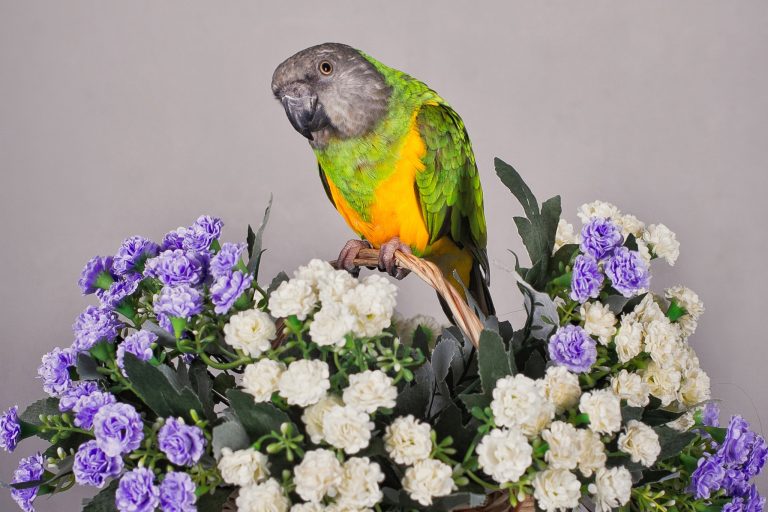
- Senegal parrots
- Meyers parrots
- Some conure species (like green cheeked conures)
Louder Than Eclectus:
- Cockatoos
- Macaws
- Amazon parrots
- Sun conures
- African grey parrots (can be louder and more persistent)
Real Owner Experiences
Many eclectus owners report that their birds are among the quietest parrots they’ve owned. Common themes include:
- Morning and evening calls are predictable and manageable
- Soft talking and chattering is soothing rather than disruptive
- Neighbors often don’t know there’s a parrot in the home
- Occasional loud calls are brief and infrequent
However, some owners do experience noisier eclectus parrots, particularly those that are under socialized, bored, or experiencing health issues.
Should You Get an Eclectus Parrot?
Eclectus parrots can be a good choice if you want a medium-to-large parrot with relatively low noise levels.
They offer the companionship, intelligence, and beauty of larger parrots without the ear splitting screams.
However, they’re not completely silent. If you need absolute quiet or live in a noise sensitive environment, even an eclectus may not be suitable.
These parrots vocalize daily, and their calls can be heard throughout your home – and potentially by your nearby neighbors as well.
Ideal Eclectus Owner Profile
You’re a good candidate for an eclectus parrot if you:
- Can tolerate moderate daily vocalizations
- Have time for 4+ hours of daily interaction, care, enrichment, etc.
- Can provide a specialized diet rich in fresh fruits and vegetables
- Live in a home where morning and evening calls won’t cause issues
- Are committed to providing care for 30+ years
Eclectus Are Quiet But They’re Still Parrots
Are eclectus parrots quiet? In the parrot world, yes – they’re among the quieter medium-to-large species.
But in absolute terms, they are still birds that vocalize daily (sometimes loudly). Understanding and accepting their natural behavior is essential for a harmonious relationship.
The key to a calmer pet eclectus lies in meeting their physical, mental, and emotional needs. A happy, healthy, and well-stimulated eclectus parrot will naturally be calmer and less vocal than one that is stressed, bored, or neglected.
Considering an Eclectus Parrot?
Spend time with the species before committing, talk to experienced parrot owners, and honestly assess your tolerance for daily vocalizations.
With proper care, an enriching environment, and realistic expectations, an eclectus parrot can be a delightful long term feathered friend.