What Is Enrichment for Animals? A Guide to Healthier & Happier Lives
What is enrichment for exotic pets and wild animals? Discover proven methods to reduce boredom and stress, improve welfare, and encourage natural, species-appropriate behaviors.
Animals Should Thrive… Not Just Survive
Caring for exotic and wild animals – whether in zoos, a sanctuary, or a private home – goes far beyond food, water, and shelter. To truly support their well-being, these animals need something more – they need enrichment.
Enrichment is the (often overlooked) key to preventing boredom, reducing stress, and encouraging species specific behaviors. In simple terms, it’s how we help animals think, explore, and thrive…not just survive.
Let’s explore what enrichment is, why it matters, and how to provide it for a wide range of exotic and wild species – from parrots and primates to foxes and reptiles.
What Is Enrichment?
Enrichment is the process of providing animals with stimulating and enjoyable activities and environments that allow them to engage in natural behaviors.
It’s a vital part of physical and psychological health – especially for animals in human care that may not have the same opportunities to hunt, explore, climb, etc. as they would in the wild.
Enrichment for animals can include:
- New objects to interact with
- Problem-solving challenges
- Toys and objects they can play with
- Plants they enjoy eating, chewing, nesting, shredding, etc.
- Species appropriate foods and treats
- Changes in environment or routine
- Social interactions with humans or other animals
- Sensory experiences like smells, textures, sounds, etc.
- Opportunities to forage, dig, climb, fly, explore, or any other species appropriate behavior
Why Enrichment Is Essential for Animals
Animals in the wild spend most of their time searching for food, navigating territory, staying alert, solving problems, avoiding predators, and a whole range of other behaviors. Every day brings something new and they stay engaged through a range of activities and challenges.
Life in captivity is often very different. An animal’s natural behaviors are often restricted by safety concerns, limited space, and the realities of human managed care.
Without enrichment, animals may suffer from:
- Boredom
- Stress and anxiety
- Destructive or repetitive behaviors like like pacing, over-grooming, or screaming
- Obesity or inactivity
- Weakened mental acuity
With proper enrichment, animals are more likely to:
- Stay active and healthy
- Show fewer stress behaviors
- Develop confidence and curiosity
- Form positive bonds with caregivers
- Thrive in their environment

Types of Enrichment
Different animal species will need different forms of enrichment, but most plans fall into one or more of the following categories:
1. Food Based Enrichment
- Scatter feeding
- Puzzle feeders
- Hidden or buried treats
- Whole prey (for carnivores)
- Foraging trays or natural hunting challenges
2. Sensory Enrichment
- Scent trails like herbs, safe essential oils, other animals’ manure, etc.
- Different sounds or music
- Mirrors or moving lights for birds, reptiles, primates, etc.
- Varied textures to walk on, touch, or manipulate
3. Physical Enrichment
- Climbing branches, perches, ropes, nest boxes, etc.
- Sand pits, digging boxes, foraging boxes
- Water features for bathing, swimming, or wading
- Tunnels, hammocks, hideouts, swings
4. Cognitive Enrichment
- Training sessions using positive reinforcement
- Puzzle toys
- Learning commands or target training
- Novel items to explore and investigate
5. Social Enrichment
- Group housing for social species
- Human-animal bonding time like grooming, playing, talking, etc.
- Supervised interaction with other animals
- Going for walks, leaving their enclosures, educational presentations with ambassador animals, etc.
Enrichment by Species Examples
Parrots:
– Shredding toys, foraging boxes, vocal games, target training, climbing gyms
Reptiles:
– Naturalistic enclosures, varied lighting, new hides, safe plants, scent trails
Fennec Foxes & Small Carnivores:
– Dig boxes, hidden treats, rotating toys, training games, climbing shelves
Chinchillas, Degus & Rodents:
– Chew items, dust baths, running wheels, tunnels, obstacle courses
Primates:
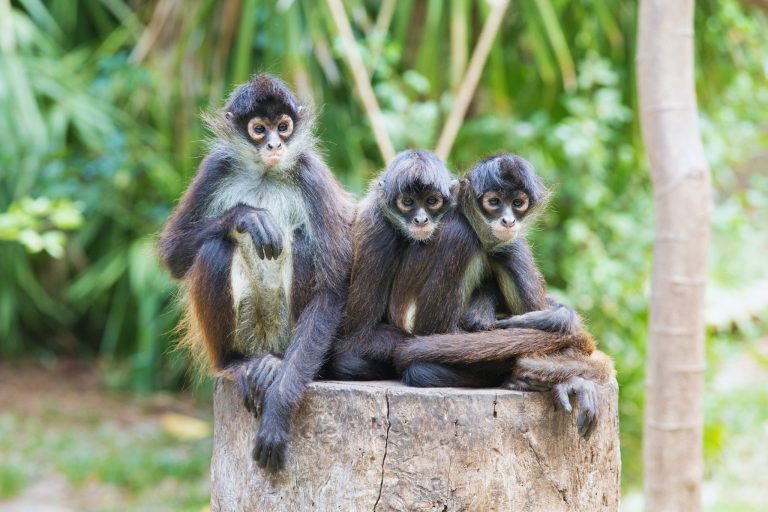
– Mirrors, social grooming time, puzzle feeders, enrichment boxes, live insects
Sugar Gliders:
– Pouches, climbing ropes, live insects, bonding pouches, safe playrooms
Common Mistakes to Avoid
Even caregivers with good intentions can unintentionally fall into common enrichment pitfalls:
| Mistake | Why It’s a Problem | What to Do Instead |
|---|---|---|
| Same toys every day | Becomes boring quickly | Rotate toys and activities regularly |
| Overuse of treats | Can lead to obesity | Use non-food enrichment often |
| Ignoring species instincts | May cause stress | Incorporate lots of opportunities for natural behaviors |
| Too much stimulation | Can overwhelm the animal | Start simple, keep things calm, and build gradually |
DIY Enrichment Ideas
You don’t need to break the bank to offer your animals great daily enrichment.
Some creative safe DIY ideas include:
- Cardboard boxes filled with shredded paper, hay, treats, leaves, etc.
- Frozen treat or blood blocks or “ice toys”
- Paper towel rolls stuffed with hay, insects, nuts, veggies, fruit, etc.
- Old towels for digging and nesting
- Simple scent swaps – like swapping enclosure items between animals
REMEMBER to always supervise new enrichment items to make sure that it’s safe your animals.
The Role of Positive Reinforcement in Enrichment
Participating in training sessions can be a powerful form of cognitive enrichment. Using positive reinforcement not only teaches useful behaviors (like stationing, entering a crate, or handling) but also builds trust and gives animals a sense of control over their environment.
Enrichment Is a Lifelong Need
Enrichment isn’t a one time gift – it’s a daily responsibility. Animals change with age, health, and life experience and their enrichment should evolve with them too.
Make a habit of observing:
- What your animal interacts with most
- When they seem bored or stressed
- How they respond to new challenges
PRO TIP: Animals thrive when they’re offered a wide range of enrichment opportunities. Don’t be afraid to get creative – just be sure to keep it varied, engaging, and tailored to the species natural behaviors.
Enrichment Is Compassion in Action
Enrichment is not a luxury – it’s essential for all animals. For exotic animals (especially those in captivity or private care) it bridges the gap between survival and quality of life.
When we provide thoughtful, engaging, and appropriate enrichment we give animals the opportunity to be themselves, to thrive, and to live more fulfilled lives.
Whether you’re a zookeeper, wildlife rehabber, or an exotic pet owner, embracing enrichment is one of the most impactful things you can do for the animals in your care.