Should Servals Be Kept as Pets? The Controversial Debate Explained
Discover the arguments for and against pet serval ownership, including welfare, safety, ethical alternatives, and more.
The exotic pet trade has brought many unusual animals into domestic settings, but few are as popular as the striking serval. These gorgeous African wildcats have captured the imagination of exotic animal enthusiasts worldwide.
However, the question of whether servals should be kept as pets remains deeply controversial, with passionate advocates on both sides presenting compelling arguments about animal welfare, public safety, and conservation.
What Are Servals?
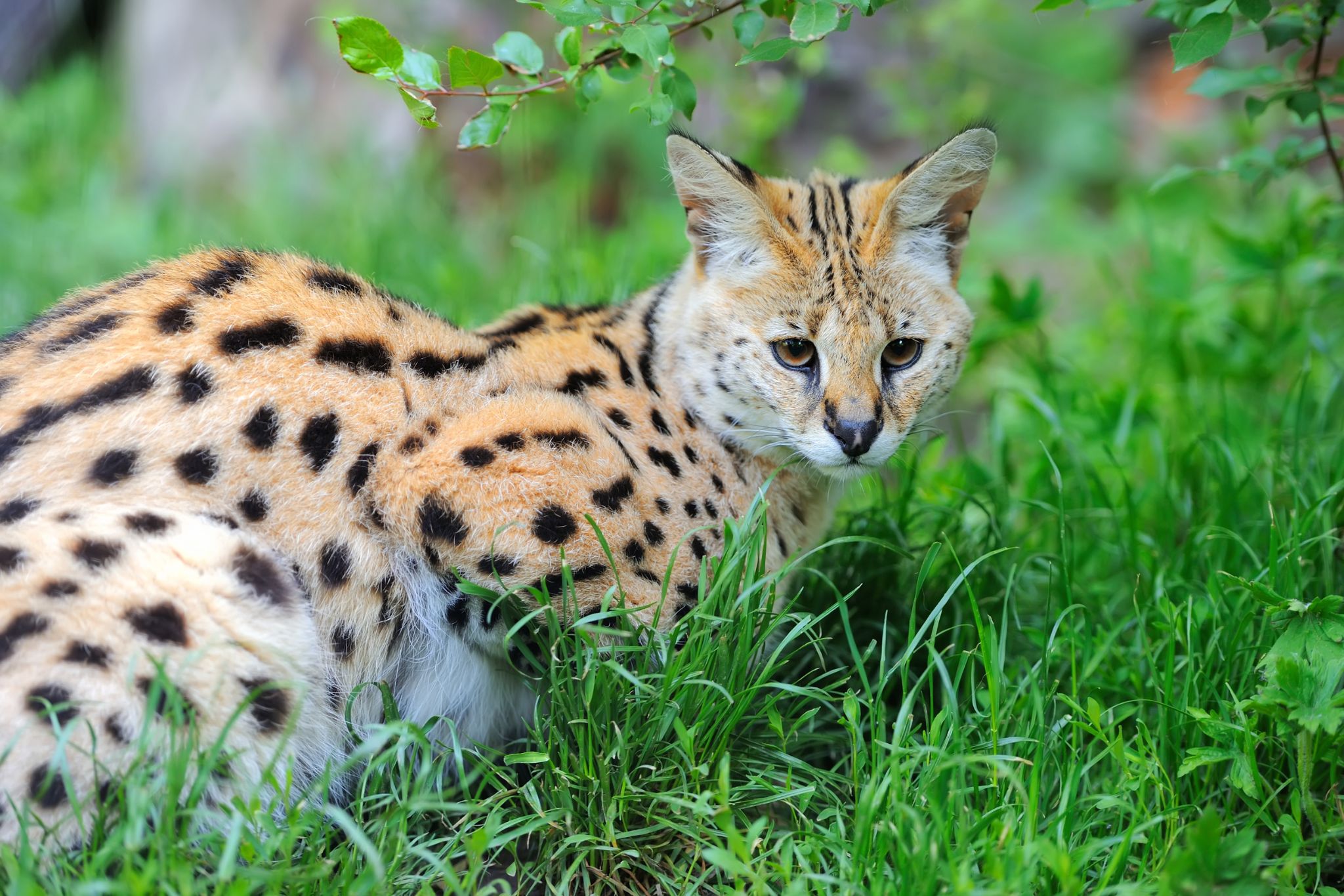
Servals (Leptailurus serval) are medium sized wild cats native to sub-Saharan Africa. They stand out in the feline world with their remarkably long legs, large ears, and distinctive golden yellow coat adorned with black spots and stripes. Adult servals typically weigh between 20 and 40 pounds and can stand up to 24 inches tall at the shoulder.
These solitary animals roam territories that can span several square miles in the African savanna and wetlands.
In their natural habitat, servals are skilled hunters that primarily feed on rodents, birds, and small reptiles. They’re known for their incredible jumping ability, capable of leaping up to 10 feet in the air to catch birds in flight.
The Case for Keeping Servals as Pets
1. Dedicated Care and Enrichment
Proponents of pet serval ownership argue that responsible, educated owners can provide a high standard of care. They highlight several benefits that a well-managed captive environment can offer:
- Specialized Veterinary Care: Pet servals receive routine checkups, vaccinations, and prompt medical treatment – care that wild servals don’t have access to. This often leads to longer lifespans and improved overall health.
- Consistent Nutrition: Owners can provide a balanced, species appropriate diet tailored to a serval’s exact nutritional needs, removing the uncertainties and risks associated with hunting for food in the wild.
- Protection From Threats: Captive servals are shielded from predators, habitat loss, and human-wildlife conflict – major challenges faced by wild populations.
2. Educational Value
Supporters often emphasize the educational value that well-cared-for servals can provide. When owners share their experiences responsibly, they can raise awareness about African wildlife, habitat conservation, the challenges wild servals face, and the important reality that these cats are not easy pets.
3. Captive Breeding Programs
In the U.S., pet servals are typically sourced from established captive breeding programs rather than taken from the wild. Advocates note that captive bred servals have never experienced wild living and are generally better adjusted to human environments compared to wild caught individuals.
4. Individual Animal Welfare
Supporters of pet servals often note that not every situation is the same. When a serval cannot live in the wild, a qualified and experienced private owner may sometimes offer a positive alternative to life in a zoo or sanctuary. In the right hands, these cats can receive more individualized attention, tailored enrichment, and consistent care.
5. Adaptability to Captivity
Surprisingly, servals can adapt well to captivity when their needs are fully met. With an appropriate environment, proper enrichment, a correct diet, and regular interaction, servals are able to thrive in captivity – something that isn’t true for many other exotic animals species.
Studies and owner observations have shown that well-cared-for servals display low stress levels and often times initiate friendly, affiliative behaviors such as leg rubbing or head-butting with familiar caregivers.
The Case Against Keeping Servals as Pets
1. Welfare and Natural Behavior
Critics argue that even the most dedicated owners cannot replicate the complex environments servals need to thrive. Key welfare concerns include:
- Space Requirements: Wild servals roam territories of several square miles. Even large domestic pet enclosures represent a fraction of their natural range, potentially leading to stress, stereotypic behaviors, and psychological distress.
- Natural Behaviors: Servals are built to hunt, with hunting occupying a significant portion of their daily activity in the wild. Feeding them prepared meals eliminates this crucial natural behavior, which can lead to boredom and frustration.
- Social Needs: While solitary, servals have complex social and territorial behaviors that oftentimes cannot be properly expressed in captivity. They communicate through scent marking (say hello to spraying!), vocalizations, and territorial displays that are incompatible with home environments.
2. Public Safety Concerns
Opponents emphasize the inherent risks of keeping wild predators in domestic settings:
- Escape Risks: Servals possess remarkable jumping and climbing abilities that make secure enclosure design critical. When escapes occur, the animals face risks to their own safety while potentially threatening local wildlife and domestic pets. Although servals are not naturally aggressive toward humans and instinctively flee from confrontation, they can inflict serious bites and scratches when cornered or frightened.
- Zoonotic Diseases: Wild cats can carry diseases transmissible to humans, including rabies, toxoplasmosis, and various parasites.
3. Conservation Concerns
Wildlife conservationists raise several objections related to broader ecological and conservation issues:
- Normalizing Exotic Pet Ownership: Keeping servals as pets may normalize the exotic pet trade, potentially increasing demand for other wild species and contributing to wildlife trafficking.
- Genetic Concerns: Depending on the species, captive pet breeding programs may lack the genetic diversity needed for true conservation value.
- Resource Allocation: The money, time, and resources devoted to keeping individual servals as pets could potentially be better directed toward habitat conservation and protecting wild populations.
The Legal Landscape
Many critics point to inconsistent regulations governing exotic pet ownership. In the United States, laws vary dramatically:
- Regulations vary by state and sometimes by county, city, or municipality
- Most states prohibit serval ownership entirely
- Some states require permits
- Very few U.S. states have no restrictions
The Middle Ground Alternative Options
Thankfully several alternatives exist for those fascinated by servals:
Savannah Cats
Savannah cats are a domestic breed created by crossing servals with domestic cats. Early generation Savannahs (F1 to F3) retain many serval-like characteristics, including size, appearance, and personality traits, while being more manageable and legal in more jurisdictions.
Wildlife Sanctuaries and Zoos
Supporting professional sanctuaries and zoos that house servals allows people to appreciate these animals while ensuring they receive the right kind of care in appropriate environments. Many facilities offer educational programs, volunteer opportunities, and close encounters that can satisfy your interest in exotic wildlife.
Conservation Tourism
Visiting servals in their native habitat through responsible ecotourism provides the most authentic experience while directly supporting conservation efforts and local communities. This approach benefits wild populations rather than contributing to captive breeding.
Questions Prospective Owners Should Ask
For those still considering serval ownership despite the controversies, experts suggest honestly answering these questions:
- Can you provide a large secure outdoor enclosure with climbing structures, hiding spots, and water features?
- Can you afford specialized exotic animal veterinary care, which can potentially cost thousands of dollars?
- Are you prepared for a 12 to 20 year commitment to an animal that may become more difficult as it matures?
- Do you have experience with large powerful animals and understand feline behavior?
- Is serval ownership legal in your area, and can you meet all permit and insurance requirements?
- Can you source appropriate raw whole prey/meat diets and provide daily enrichment?
- What will happen to your serval if you can no longer care for it?
So, Should You Own a Serval?
The debate over serval ownership reflects broader tensions in how humans relate to wildlife.
While a small number of exceptional owners undoubtedly provide excellent care, for the vast majority of people serval ownership isn’t practical or ethical.
For individuals drawn to the beauty and charisma of servals, supporting conservation efforts, adopting Savannah cats from responsible breeders, or appreciating these magnificent animals in professional settings represents a more ethical approach that benefits both individual animals and wild populations.
As our understanding of animal cognition, welfare, and conservation continues to evolve, so too must our approach to keeping wild animals in captivity. Whatever side of the debate you find yourself on, the most important thing is approaching the question with honesty, humility, and genuine concern for these remarkable cats.