Do Animals in Captivity Need More Control? (Science Says Yes)
Why do animals in captivity need choices? Explore the science behind animal autonomy and how modern zoos are revolutionizing care through choice based programs.
- What Does Animal Choice Actually Mean?
- Why Choice Matters SO Much for Animal Welfare
- Real World Examples of Animal Choice Programs
- The Science Behind Animal Choice
- How Zoos and Aquariums Are Implementing Choice
- The Challenges (And Why We’re Working Through Them)
- Why This Matters for the Future of Zoos and Aquariums
- What You Can Do
- Stand Up for Animals Having Choices
Hey there, animal lovers! Let’s talk about something super important that’s totally transforming how we care for animals in zoos, aquariums, and sanctuaries.
It’s all about giving animals the power to choose – and trust me, it’s a bigger deal than you might think.
What Does Animal Choice Actually Mean?
So here’s the thing: when we talk about animal choice (also called animal agency or animal autonomy), we’re talking about letting animals in captivity make decisions about their own lives.
Instead of having every aspect of their day controlled by humans, animals get to decide things like where they want to hang out, whether they want to participate in training sessions, what enrichment activities they’d like to try, and even when they want to interact with caretakers.
Pretty cool, right? It’s basically about respecting that animals aren’t just passive recipients of care – they’re intelligent beings with preferences, personalities, and the ability to make decisions about their own wellbeing.
Why Choice Matters SO Much for Animal Welfare
1. Reduces Stress and Anxiety
Here’s something that makes total sense when you think about it: having zero control over your life is incredibly stressful.
Research shows that animals who can’t make choices experience higher levels of stress hormones, which can lead to all sorts of health problems.
When animals get to choose, they experience what scientists call “perceived control” – the feeling that they have some say in what happens to them. This single factor can dramatically reduce chronic stress and improve overall health.
2. Prevents Stereotypic Behaviors
You know those repetitive behaviors you sometimes see in zoo animals – like pacing back and forth or swaying? These are called stereotypic behaviors, and they’re often signs of poor welfare and frustration.
When animals lack choice and control, they’re way more likely to develop these concerning habits. Giving them options and agency helps prevent these behaviors from developing in the first place.
3. Promotes Natural Behaviors
In the wild, animals spend their days making countless decisions: where to forage, when to rest, which social companions to spend time with, and how to respond to their environment.
When we give captive animals choices, we’re allowing them to express these natural decision making abilities. This keeps their minds sharp and engaged, just like they would be in their natural habitats.
4. Improves Psychological Wellbeing
Animals are so much more complex than we sometimes give them credit for. They have preferences, moods, and individual personalities.
When animals can exercise choice, they experience positive psychological states like confidence, curiosity, and satisfaction. It’s not just about avoiding negative states – it’s about actively promoting positive emotional experiences.
Real World Examples of Animal Choice Programs
– Voluntary Participation in Medical Care
One of the most amazing applications of choice based care is in medical training. Progressive zoos and aquariums now train animals to voluntarily participate in their own healthcare.
- Elephants can choose to present their feet for nail trims.
- Dolphins can decide whether to participate in health checks.
- Big cats can opt in or out of blood draws.
- Giraffes can decide if they want to lift their feet for hoof trims.
The best part? When animals voluntarily participate, procedures are less stressful for everyone involved – the animal, the veterinary team, and the caregivers.
– Habitat Design with Options
Modern animal habitats are designed with choice in mind. Animals might have multiple sleeping areas to choose from, various perching spots at different heights, or different microclimates within their space (like sunny spots vs. shady areas vs. pools).
- Sea lions might have underwater caves, sunny rocks, and shaded platforms.
- Primates might have indoor and outdoor areas they can access whenever they want.
This approach recognizes that animals’ preferences change throughout the day and across seasons – just like ours do!
– Enrichment Menus
Some facilities are getting super creative by offering animals what’s basically a menu of enrichment options.
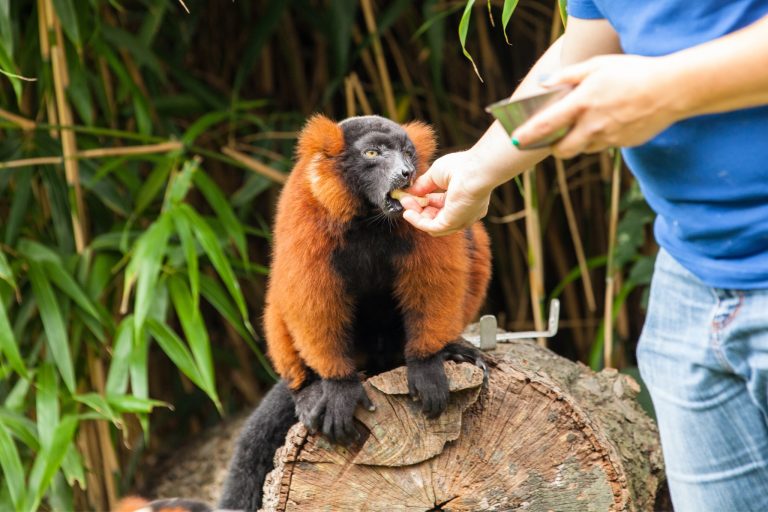
Caretakers might present several different activities or toys, and the animal gets to choose which one they’re interested in that day. It’s like letting them pick what’s for lunch, except way more fun!
The Science Behind Animal Choice
Research in animal welfare science consistently shows that choice and control are fundamental to wellbeing.
Studies have found that animals will actually work harder (like press a lever more times) to gain control over their environment than to access rewards. This tells us that control itself is inherently valuable to animals – it’s not just about what they’re choosing, but the act of choosing itself.
Scientists use something called the Five Domains Model to assess animal welfare, and one of those domains specifically addresses mental state and emotional experiences.
Choice directly impacts this domain by allowing animals to experience positive emotions like empowerment, curiosity, and engagement.
How Zoos and Aquariums Are Implementing Choice
– Training with Positive Reinforcement
The foundation of choice based care is positive reinforcement training, where animals learn behaviors through rewards rather than punishment.
Most importantly, animals can choose whether or not to participate in training sessions.
If an animal doesn’t want to do a training session that day, that’s totally their call. This approach builds trust between animals and caregivers while respecting the animal’s autonomy.
– Environmental Modifications
Progressive facilities are constantly evaluating whether their habitats provide enough options. This might mean adding more vertical space for climbing animals, creating hiding spots for species that need privacy, or designing movable elements that caretakers can rearrange to keep things interesting.
– Social Choice
For social animals, being able to choose who they spend time with is incredibly important. Modern facilities design spaces with multiple areas so that animals can separate themselves if they want alone time or approach each other when they’re feeling social.
They might also carefully manage group compositions based on individual preferences and relationships.
The Challenges (And Why We’re Working Through Them)
Look, implementing choice based care isn’t always straightforward. Space limitations, safety concerns, and budget constraints can make it challenging.
Some choices simply can’t be offered in captivity – a polar bear can’t choose to wander across miles of Arctic ice, for instance.
But here’s the thing: acknowledging these limitations doesn’t mean giving up. It means getting creative and finding ways to offer meaningful choices within the constraints we’re working with.
Every choice matters, even if we can’t provide every possible option.
Why This Matters for the Future of Zoos and Aquariums
The philosophy of animal choice represents a major shift in how we think about animals in human care. We’re moving away from a model where humans make all the decisions and animals simply comply, toward a partnership model where animals are active participants in their own care.
This approach aligns with modern animal welfare science and changing societal attitudes about animal rights and dignity.
Facilities that prioritize animal choice aren’t just improving welfare – they’re setting new standards for what excellent animal care looks like.
What You Can Do
As someone who cares about animals, you can help support this movement! When you visit zoos and aquariums, look for signs that animals have choices.
- Do habitats have multiple areas?
- Can animals choose to be visible to the public or retreat to private spaces?
- Does the facility talk about voluntary participation in training and medical care?
Support institutions that prioritize animal welfare and choice based care. Ask questions during your visits. And spread the word about why animal choice matters!
Stand Up for Animals Having Choices
Giving animals in captivity the power to make choices isn’t just a nice perk – it’s fundamental to their welfare and wellbeing.
Having choices reduces stress, promotes natural behaviors, prevents problems, and allows animals to experience positive psychological states. It respects their intelligence, individuality, and dignity.
As our understanding of animal cognition and welfare continues to grow, the importance of animal choice becomes increasingly clear. The facilities that embrace this approach aren’t just caring for animals – they’re honoring them as the complex, intelligent beings they are.
And honestly? That’s something we can all feel good about supporting.