Why We Absolutely Need Animal Ambassador Research (And What It Means for Conservation)
Learn why animal ambassador research is critical for wildlife education, ethical animal care, and creating lasting environmental impact.
- What Exactly Are Animal Ambassadors?
- The Research Gap We Need to Fill
- Why Animal Ambassador Research Matters for Conservation
- The Measurable Benefits of Animal Ambassador Programs
- Addressing Critics with Science
- The Future of Conservation Education
- How You Can Support Animal Ambassador Research
- What This All Means for Conservation
Hey wildlife lovers! Let’s talk about something super important—but still pretty under the radar for most people: animal ambassador research.
If you’ve ever visited a zoo, aquarium, or nature center and felt that spark of connection during an educational animal encounter, you’ve already seen the magic that animal ambassadors create. But here’s the catch: we need solid research to fully understand just how powerful and impactful these programs truly are.
What Exactly Are Animal Ambassadors?
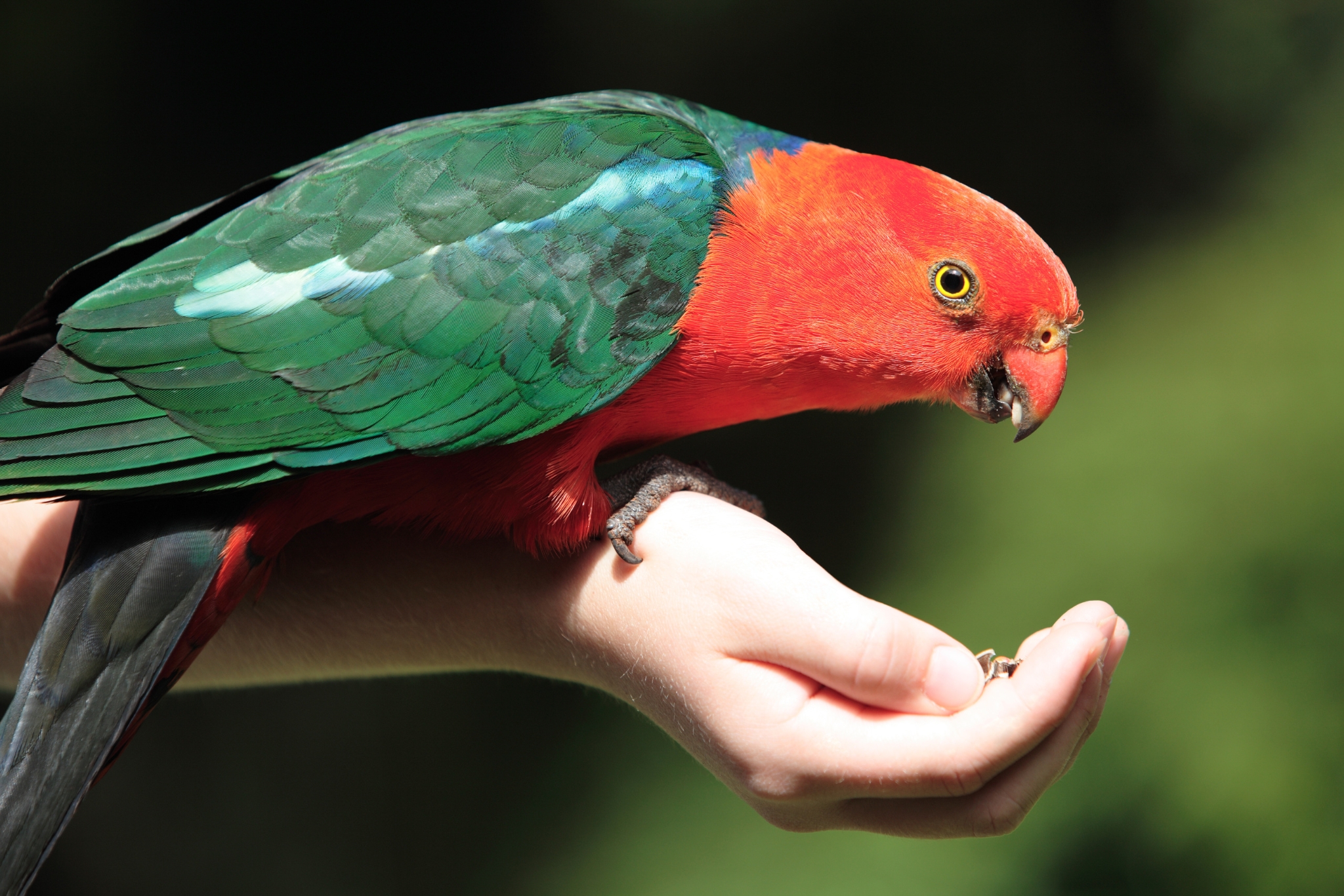
Animal ambassadors are specially trained animals who participate in educational programs, helping humans learn about wildlife and conservation.
Think of them as the ultimate teachers—tortoises who help children understand habitat loss, owls who demonstrate adaptation, or pythons who challenge our fears and misconceptions. These animals work alongside trained educators to create meaningful connections between people and nature.
The Research Gap We Need to Fill
Animal ambassador programs have been captivating audiences for decades, yet we still don’t fully understand how they influence people’s conservation attitudes and behaviors.
That’s why research in this area is so crucial. We need solid data driven insights to figure out what works, what doesn’t, and how to make these programs as effective and impactful as possible.
Visitor Outcome Research Questions
- What messages do audiences actually take away from interactions with ambassador animals?
- Do people change their behavior after meeting an animal ambassador?
- How long does that impact last?
- Which presentation style connects best with different types of audiences?
- How can we showcase ambassador animals effectively without giving guests the impression that these animals make suitable pets?
- Does the style of handling or program type affect visitor outcomes (e.g., see only vs. touch vs. hold)?
- Does the species presented influence outcomes (e.g., interactive mammals vs. invertebrates)?
Animal Welfare Research Questions
- How does the welfare of ambassador animals compare to exhibit animals (e.g., housing size, sleep cycles, overall well-being)?
- What impact does handling, transportation, and presentations have on ambassador animal welfare?
- How does handling during an animal’s first year affect long term welfare and reproductive outcomes?
- How does training influence ambassador animal welfare?
- Does presenting animals inside versus outside their exhibit affect their well-being?
Without rigorous research, we’re essentially flying blind—hoping our programs make a difference instead of knowing they actually do.
Why Animal Ambassador Research Matters for Conservation
1. Proving Program Effectiveness
Conservation organizations need to show donors, boards, and the public that their programs are making a real difference. Solid research provides the evidence that animal ambassador programs aren’t just fun and entertaining—they actually move the needle on conservation awareness and action.
2. Improving Animal Welfare
This one’s huge: research ensures ambassador animals are thriving, not just surviving. By studying stress indicators, behavior, and health outcomes, we can continually refine how we care for these amazing creatures. The best programs put animal welfare first, and research gives us the tools to make that happen.
3. Optimizing Educational Content
Not every conservation message sticks the same way. Research shows which storytelling methods, presentation formats, and educational techniques create lasting attitude changes. The result? More effective programs and better conservation outcomes… a total win-win!
4. Bridging the Nature Gap
With more people living in urban areas, meaningful experiences with wildlife and animals are becoming increasingly rare. Animal ambassador research helps us understand how these controlled encounters can foster environmental stewardship in audiences who might otherwise never connect with nature.
The Measurable Benefits of Animal Ambassador Programs
Recent studies are showing some really exciting results: participants in hands-on animal encounters often develop greater empathy for wildlife, a deeper understanding of conservation issues, and a higher likelihood of taking pro-environmental actions.
With that said, we still need more research to see the full picture and replicate these successes across different settings.
Creating Emotional Connections
There’s something transformative about looking into an animal’s eyes or feeling its heartbeat. Research helps us understand the psychology behind these experiences and understand how emotional connections can translate into real conservation action.
This isn’t just feel good moments… it’s the foundation of effective environmental education.
Addressing Critics with Science
Let’s be honest: animal ambassador programs have their skeptics, who question whether keeping animals for educational purposes is ethical.
Rigorous research allows us to tackle these concerns with solid data on animal welfare, program outcomes, and best practices. Transparency and ongoing improvement through research help build credibility, trust, and long-term support.
The Future of Conservation Education
As we face unprecedented environmental challenges (climate change, habitat loss, and biodiversity decline) we need every effective tool in the conservation toolkit. Animal ambassador research ensures these programs continue to evolve, improve, and maximize their impact on the next generation of conservationists.
Technology and Innovation
Research is exploring exciting ways technology can enhance ambassador programs. Virtual reality encounters, livestreams, prerecorded sessions, and hybrid experiences offer new opportunities to reach global audiences—but we still need studies to understand how these approaches compare to in-person experiences.
Supporting Evidence-Based Practices
Conservation programs deserve to be grounded in science, not just good intentions. Animal ambassador research builds the knowledge base professionals can rely on when designing programs, training staff, and making informed decisions about both animal welfare and educational strategies.
How You Can Support Animal Ambassador Research
Wondering how to make a difference? Start by supporting organizations that prioritize research alongside their educational programs. Ask about how they evaluate both impact and animal welfare, and participate in studies when visiting facilities.
Every bit of engagement helps build the evidence base we urgently need!
What This All Means for Conservation
Animal ambassador research isn’t just academic—it’s essential for creating programs that are effective, ethical, and truly impactful. As we work to inspire the next generation of environmental stewards, we owe it to both the animals and the people involved to ensure these encounters are as meaningful and humane as possible.
The future of conservation depends on fostering real, lasting connections between people and wildlife. Research gives us the roadmap to make that happen—combining scientific rigor with the irreplaceable magic of interspecies connection.
Next time you meet an animal ambassador, remember: there’s serious science behind that special moment. Ongoing research ensures these encounters continue to change hearts, minds, and behaviors for conservation. Now that is something to get excited about!


