10 Reasons Aracaris Make Good Pets (And What to Expect Before You Buy)
Discover why aracaris make wonderful pets! From their playful personalities to stunning looks, learn the 10 reasons these mini toucans could be your perfect companion.
- They’re Incredibly Social and Affectionate
- Smaller Size Than Standard Toucans
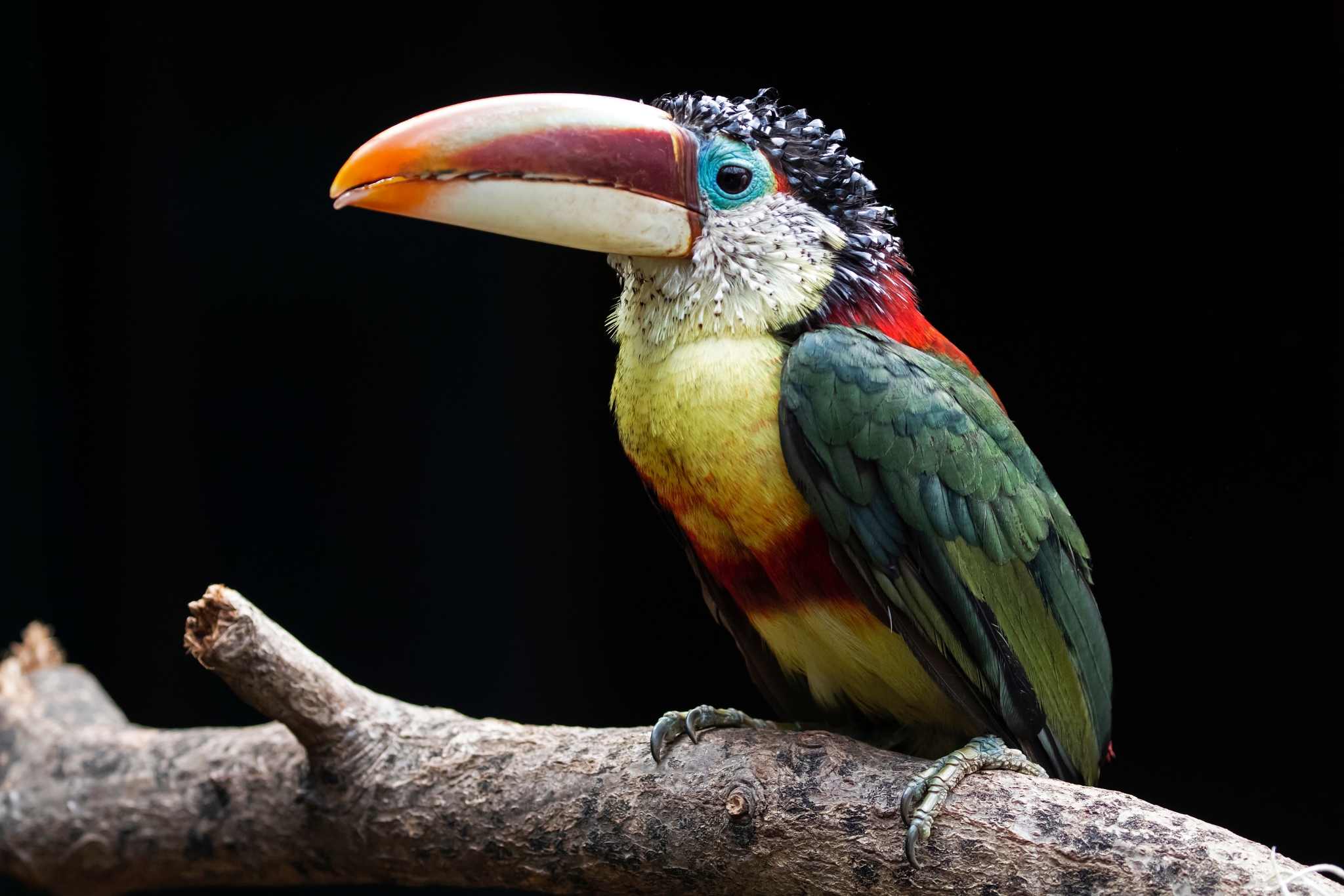
- They’re Absolutely Gorgeous to Look At
- They Have Playful and Entertaining Personalities
- Relatively Quiet for Their Size
- Intelligent and Trainable
- Can Live Well in Pairs or Groups
- Long Lifespan Means Years of Companionship
- Fascinating Natural Behaviors
- Unique Pet That Stands Out
- Is a Pet Aracari Right for You?
If you’ve been dreaming of adding an exotic bird to your home, it might be time to meet the aracari. These smaller cousins of toucans are quietly winning people over with their playful personalities and striking, almost unreal beauty.
While they’re certainly not your average pet bird, aracaris can be deeply rewarding companions for the right kind of owner.
Let’s take a closer look at what makes these colorful birds so special—and what you should realistically expect before bringing one into your home.
1. They’re Incredibly Social and Affectionate
Aracaris are known for being surprisingly social birds. Unlike some exotic species that prefer minimal handling, they usually enjoy spending time with their people and can become quite affectionate with trusted caregivers.
Many will happily perch nearby, snuggle under clothing, rest on your shoulder, explore their surroundings alongside you, and form strong bonds within their household.
|
Aracaris need consistent daily interaction and enrichment—typically several hours outside of their enclosure each day. Without enough engagement, they can become restless, nippy, or develop unwanted behaviors.
For this reason, they’re best suited for owners who can offer consistent attention, structure, and an active presence in their daily routine.
2. Smaller Size Than Standard Toucans
Aracaris are noticeably more compact and less intimidating than their toucan relatives, which can make them feel a bit more approachable and easier to accommodate, especially if you’re working with limited space.
|
Aracaris still require a large, thoughtfully designed aviary—ideally at least 6x6x8 feet for a single bird, with even more space recommended for pairs.
These are highly active birds and they need plenty of room to hop, climb, and fly in order to stay healthy, stimulated, and engaged.
3. They’re Absolutely Gorgeous to Look At
Let’s be honest—aracaris are true showstoppers. While different species each have their own distinct look, they’re all beautiful in their own unique way. With their vibrant mix of yellows, reds, greens, and blacks, paired with those striking beaks, they’re like living rainbows in motion.
|
Maintaining their brilliant plumage requires proper nutrition, consistent care, and a well-managed environment. Any stress or health concerns can show up quickly in their feather quality, making attentive husbandry especially important for these birds.
4. They Have Playful and Entertaining Personalities
Aracaris are often considered the comedians of the bird world. They’re curious, mischievous, and always getting into something. Whether they’re playing with toys, investigating new objects, or performing their signature hopping movements, they offer constant entertainment. Many owners even joke that watching an aracari is better than TV.
|
Your bird’s toys should be rotated regularly, and enrichment through foraging and interactive activities is essential. A bored aracari can become destructive or develop repetitive, stereotypical behaviors.
5. Relatively Quiet for Their Size
Aracaris don’t produce loud screams in the way many parrots do. While they do vocalize with croaks, purrs, and rattling sounds, they’re generally quieter than species such as cockatoos, macaws, or Amazon parrots. In many homes, their presence is noticeable without being disruptive.
|
Don’t let their soft purrs fool you—aracaris are still quite vocal birds. They’re often most active at dawn and dusk, and individual birds can vary significantly in how chatty they are. Throughout the day, they also frequently make soft clicking sounds with their beaks, adding to their constant presence and communication.
6. Intelligent and Trainable
Don’t let anyone tell you softbills can’t be trained. Aracaris are intelligent birds that can learn tricks, respond to cues, and even participate in cooperative care behaviors.
With positive reinforcement training, many owners have successfully taught their aracaris to step up, target train, and retrieve small toys.
|
They may have shorter attention spans, and their fruit based diet can make finding ideal training rewards a bit more challenging—but with time, patience, and a thoughtful approach, the results can be well worth the effort for a well-adjusted bird.
7. Can Live Well in Pairs or Groups
Unlike some more territorial birds, aracaris are naturally social and often thrive with companionship. If you have the space and resources, keeping a bonded pair can actually help reduce behavioral issues, since they provide each other with company and enrichment when you’re not around.
|
It’s also important to make sure that both birds remain properly socialized with humans, as there’s a risk they may bond primarily with each other and become less receptive to handling.
8. Long Lifespan Means Years of Companionship
With proper care, pet aracaris can live 15 to 20 years in captivity—plenty of time to build a meaningful, lasting bond with your feathered companion.
|
This means you’ll need a solid care plan in place for the future, including contingencies should your circumstances change. Keep in mind that veterinary care, a specialized diet, and proper housing can also add up significantly over the course of two decades.
9. Fascinating Natural Behaviors
Watching aracaris engage in their natural behaviors is genuinely captivating. They hop rather than walk, toss food to each other, engage in social preening, and adopt endearing sleeping positions where they tuck their beaks under their wings and resemble little bundles of color and feathers.
|
That means a spacious, naturalistic setup with varied perches, opportunities for bathing, enrichment that allows for foraging and food manipulation, and ideally, the companionship of at least one other bird.
10. Unique Pet That Stands Out
Owning a pet aracari is something you don’t come across every day. These birds are relatively rare in the pet world, and they tend to be natural conversation starters. For those passionate about aviculture and looking to work with something truly special, aracaris certainly stand out.
|
Finding reliable information, reputable breeders, and appropriate supplies often takes more effort than it would with more common pet birds. You’ll also need an avian veterinarian who is experienced with softbills, which can be difficult to locate depending on your area.
Is a Pet Aracari Right for You?
Aracaris can make wonderful companions for dedicated bird enthusiasts who understand the level of commitment that’s involved. They’re affectionate, strikingly beautiful, highly entertaining, and capable of forming strong bonds with their people.
That said, they are also high maintenance birds that require specialized care, significant space, and a substantial investment of time and attention.
|
If you find yourself aligning with all of the above, a pet aracari might be a good fit. These remarkable birds can reward dedicated owners with years of joy, entertainment, and companionship—but only when their specialized needs are fully met.
Just be sure you’re truly prepared for the commitment before taking the leap.